
Trump’s Iran Deal Splits the GOP He Built
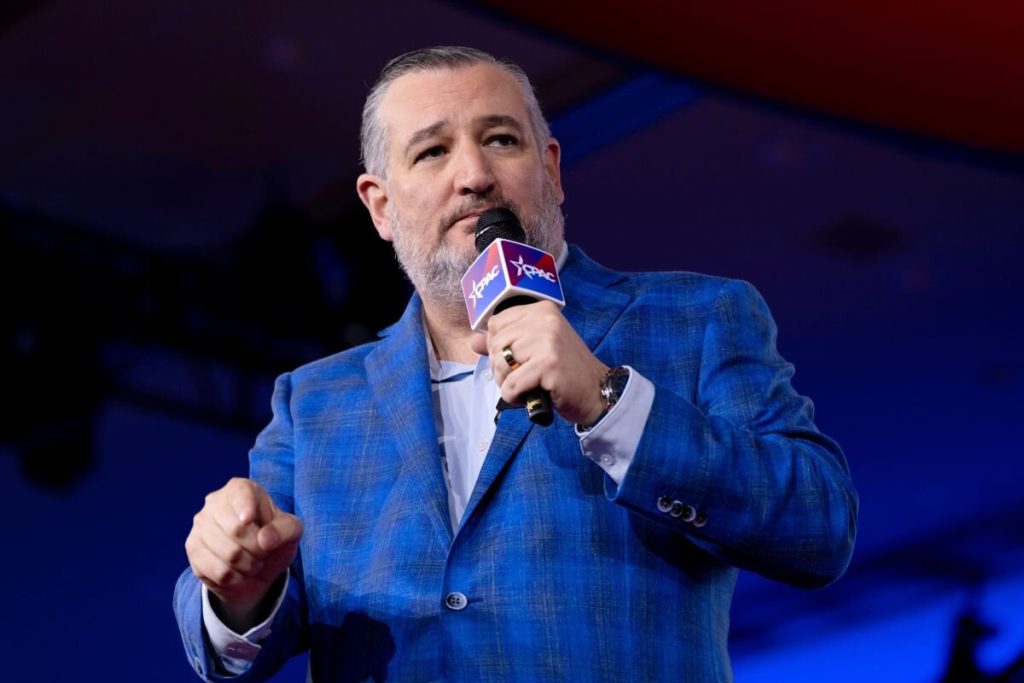
This analysis examines the growing rift within the Republican Party over the potential peace agreement with Iran. Following three months of “Operation Epic Fury,” a conflict characterized by significant military costs and economic fallout, the administration is pursuing a diplomatic exit. By contrasting the administration’s push for a negotiated settlement with the objections of GOP hawks who view the deal as a strategic failure, the article explores the political gamble of ending an unpopular war while grappling with unresolved issues regarding Iran’s nuclear program and the control of the Strait of Hormuz.
Gulf States Draw the Line on a Wider Iran War
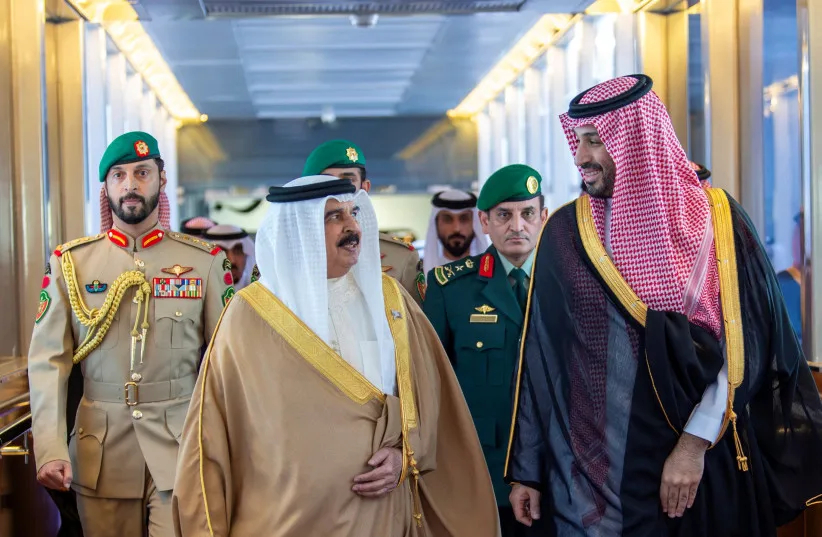
This analysis examines the evolving diplomatic efforts between the United States and Iran, highlighting the pivotal role Gulf nations are playing in urging a move away from military conflict. By detailing the economic and political pressures driving both Washington and Tehran toward a negotiated settlement, the report evaluates the structure of the proposed 60-day diplomatic framework and the significant hurdles remaining regarding nuclear enrichment and the reopening of the Strait of Hormuz.
Gabbard’s DNI Exit: When Truth Became a Liability

This report examines the resignation of Tulsi Gabbard as Director of National Intelligence, analyzing the turbulent 18-month tenure that marked her time in the Trump administration. By detailing the fundamental clashes over Iran policy, her marginalization from key decision-making circles, and her controversial transparency initiatives, the article explores the broader institutional challenges of maintaining objective intelligence in a politically charged environment.
Breaking the Cycle: Can Lebanon’s Fourth Occupation Be Its Last?

This analysis examines the current military situation in Southern Lebanon, framing the ongoing buffer zone operations as a potential, albeit controversial, turning point for Lebanese state sovereignty. By evaluating the historical context of previous conflicts and the emergence of quiet, high-level diplomatic channels between Jerusalem and Beirut, the article explores whether dismantling non-state paramilitary influence could finally lead to a sustainable security arrangement, demilitarization, and the integration of Lebanon into a broader framework of regional stability.
A Nobel Laureate Asks: Will AI Make Us Stop Thinking?

This analysis explores Nobel laureate Ryoji Noyori’s concerns regarding the impact of artificial intelligence on human cognition and scientific inquiry. By contrasting the rapid, enterprise-driven pace of AI-led breakthroughs with the slow, deliberate nature of basic research, the article examines the “intellectual passivity” risks identified by Noyori. Furthermore, it provides an overview of China’s recent 15th Five-Year Plan, contextualizing Noyori’s argument that fostering a robust, collaborative global scientific ecosystem is essential to solving humanity’s most complex, long-term challenges.