
The US–Iran Peace Puzzle: Why Islamabad Didn’t Deliver
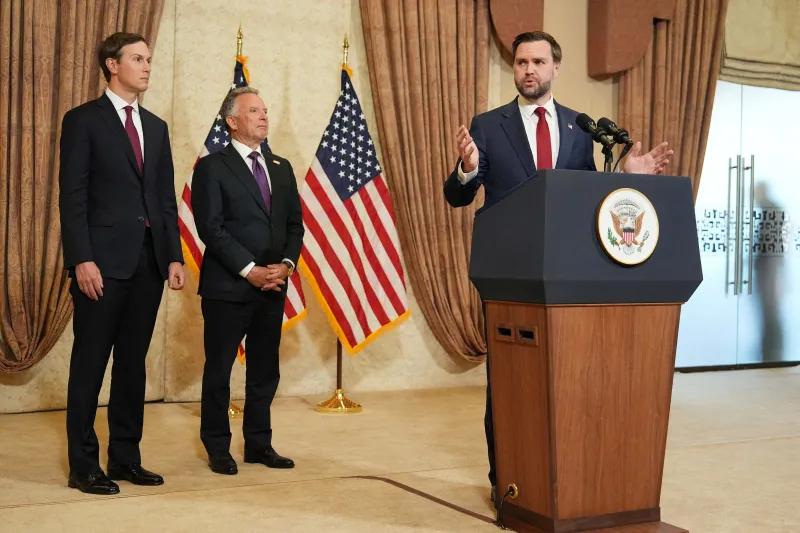
The collapse of the Islamabad talks has exposed the deep-seated mistrust and “maximalist” positions hindering a US-Iran peace deal. While a fragile ceasefire holds until April 22, the 15-year gap in nuclear enrichment proposals and the ongoing naval blockade of the Strait of Hormuz suggest that both nations are still far from a sustainable regional settlement.
Sudan’s War Enters Year Four: A Regional Crisis the World Keeps Ignoring
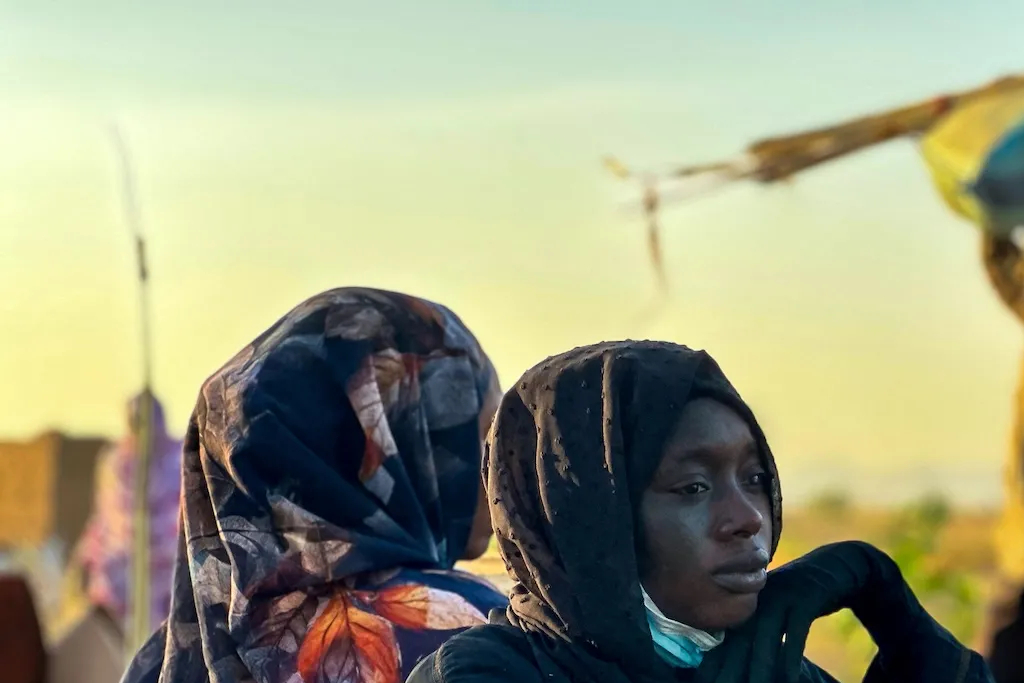
As Sudan’s devastating civil war enters its fourth year, the humanitarian catastrophe has reached industrial proportions, with 65% of the population requiring urgent aid. Despite international donor pledges in Berlin, the conflict remains deadlocked as external powers continue to fuel the violence, leaving Sudan on the brink of total collapse.
Strait of Hormuz: A Blockade Both Sides Can’t Afford to Lose
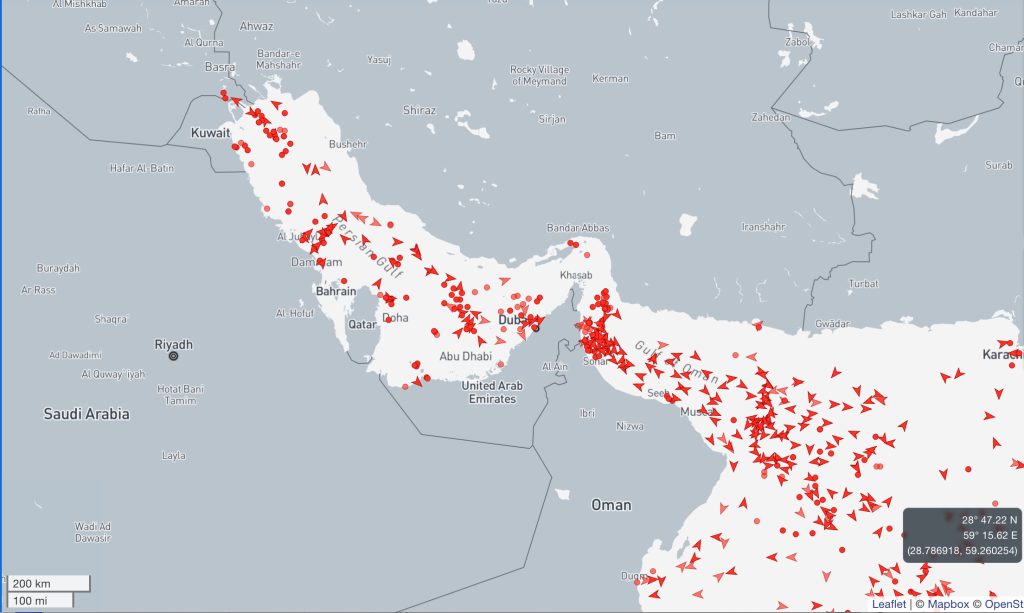
The U.S. naval blockade of Iran’s coast has turned the Strait of Hormuz into a high-stakes endurance test. While Iran faces critical oil storage limits and a crippled economy, Washington must navigate global energy shortages and domestic political pressure, making the next round of talks vital for regional stability.
Lebanon–Israel Talks: Historic Step, Uncertain Road
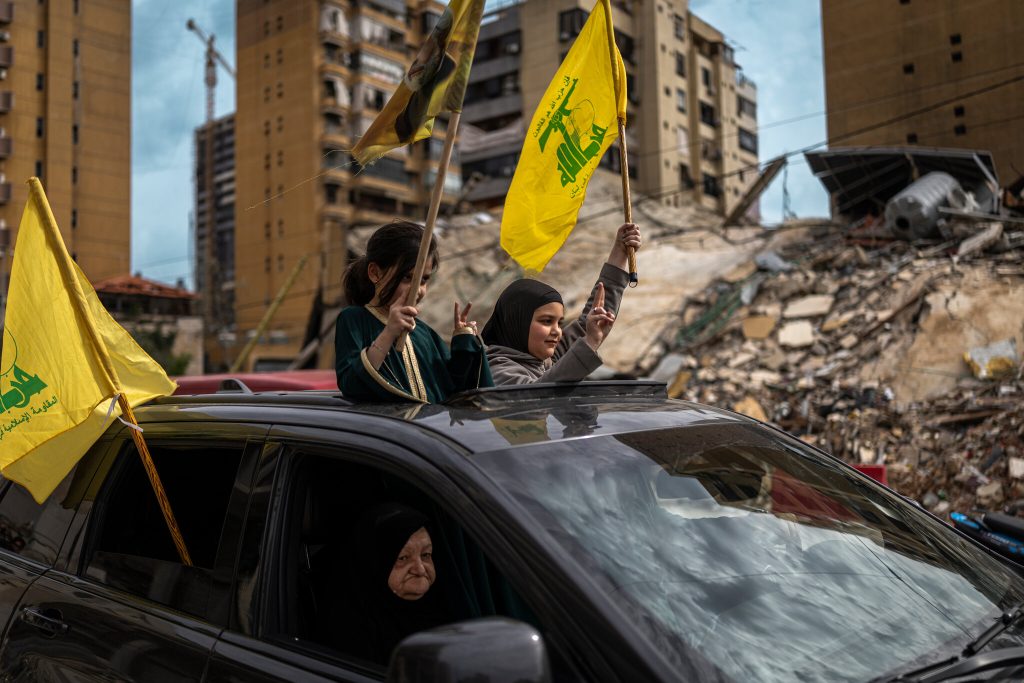
In a landmark diplomatic breakthrough hosted in Washington, Israeli and Lebanese officials engaged in their first direct negotiations in over 40 years. While a fragile 10-day cessation of hostilities has been established, the roadmap to a permanent peace faces significant hurdles, including the structural challenge of disarming Hezbollah and asserting Lebanese state sovereignty amid ongoing regional tensions.
Islamabad and the New Diplomacy: The Global South Steps Forward
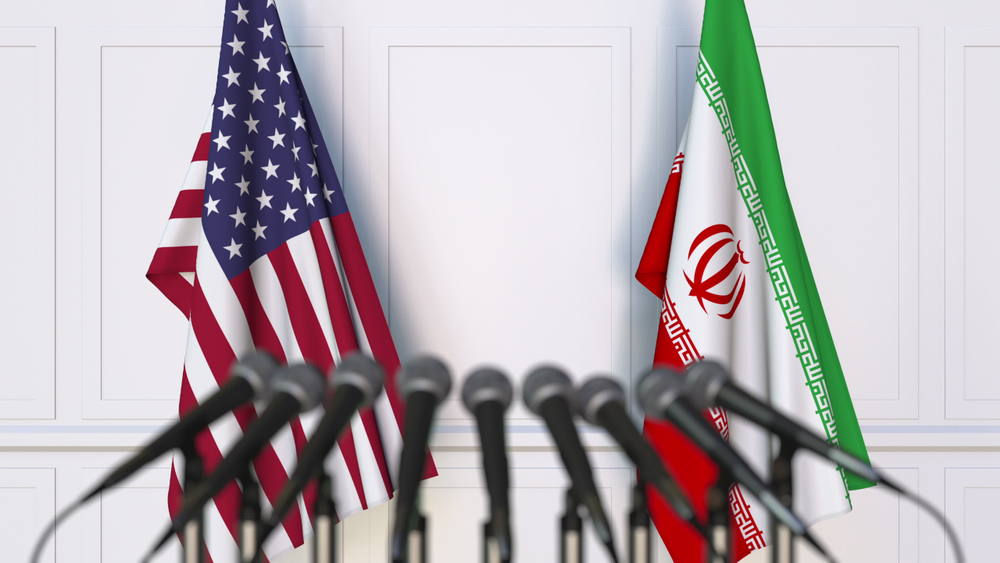
The recent talks in Islamabad mark a structural shift in global diplomacy, signaling the rise of the Global South as a primary architect of international security. As Western mediation falters, the “Islamabad Process” demonstrates how multi-aligned regional powers are now indispensable in resolving complex conflicts and shaping a multipolar world.