Tag: Oil Politics

Close-up of several blue and white gas station fuel pumps.

US Economy Faces Stagflation Threat From Iran Oil Shock

A historic energy supply shock triggered by conflict in the Persian Gulf is threatening the U.S. economy with stagflation. As the Strait of Hormuz closure sends global oil and fertilizer prices soaring, Washington faces rising inflation and consumer anxiety, complicating Federal Reserve policy and shaping the domestic political landscape.

Read More »
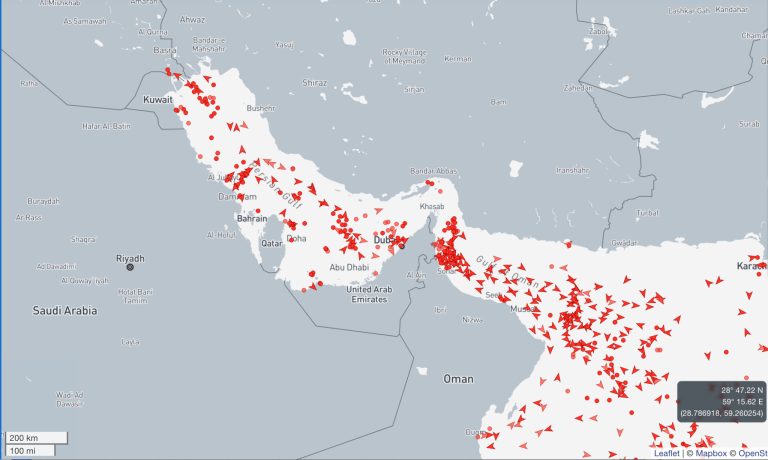
A digital maritime map showing heavy shipping traffic and vessel icons in the Strait of Hormuz.

Strait of Hormuz: A Blockade Both Sides Can’t Afford to Lose

The U.S. naval blockade of Iran’s coast has turned the Strait of Hormuz into a high-stakes endurance test. While Iran faces critical oil storage limits and a crippled economy, Washington must navigate global energy shortages and domestic political pressure, making the next round of talks vital for regional stability.

Read More »
JD Vance giving a thumbs-up while standing on the stairs of an airplane against a clear blue sky.

Trump’s Military Options Are Shrinking and Iran Knows It

President Trump’s decision to impose a naval blockade on the Strait of Hormuz signals a transition to economic warfare as military options become increasingly unsustainable. Facing $2 billion in daily conflict costs and depleted missile stockpiles, Washington is struggling to maintain pressure while Iran leverages its geographic advantages and strategic patience.

Read More »
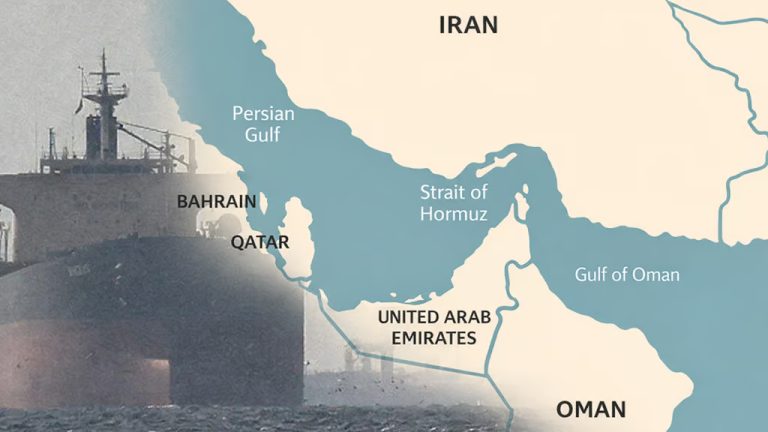
A geographical map of the Persian Gulf and Strait of Hormuz overlaid with a cargo ship.

The Ceasefire Is Signed, the Economic War Has Just Begun

The 2026 Iran War has triggered the largest energy supply disruption in history, dwarfing the shocks of 1973 and 1979. While the kinetic exchange has paused, the Strait of Hormuz remains commercially unusable due to a “Tehran Toll” system and a collapse in maritime insurance. With damage to Qatar’s LNG facilities projected to take years to repair, the global economy faces a structural “war premium” that threatens to push major economies into recession and force central banks to keep interest rates elevated through 2026.

Read More »
A close-up of a serious-looking official in a blue suit during a formal meeting.

The Ceasefire Came — The Economic Pain Hasn’t

While oil prices dipped following the April 7 ceasefire, the global economy remains in a “stagflation” trap. With the Strait of Hormuz facing a two-month recovery period and critical infrastructure like Qatar’s Ras Laffan taking years to rebuild, the 40-day conflict has left a permanent scar on energy markets, agriculture, and household budgets that a simple truce cannot erase.

Read More »
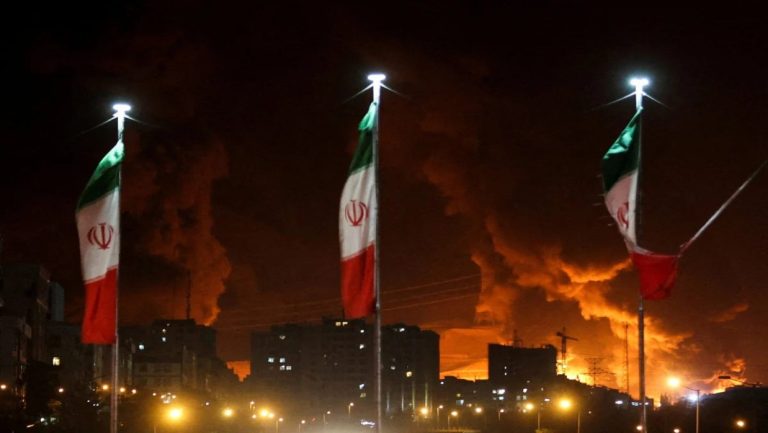
Iranian flags flying at night with a skyline filled with fire and thick smoke in the background.

Hormuz Blockade Strains US Alliances Amid Iran War

The prolonged conflict with Iran and the resulting maritime blockade have triggered a major diplomatic rift. As European and Asian economies face energy paralysis and surging inflation, historical allies are prioritizing national survival over Washington’s unilateral military objectives, signaling a profound structural crisis within NATO and transpacific security architectures.

Read More »
Silhouette of a large cargo ship on the ocean at sunset with a massive orange sun partially covered by clouds.

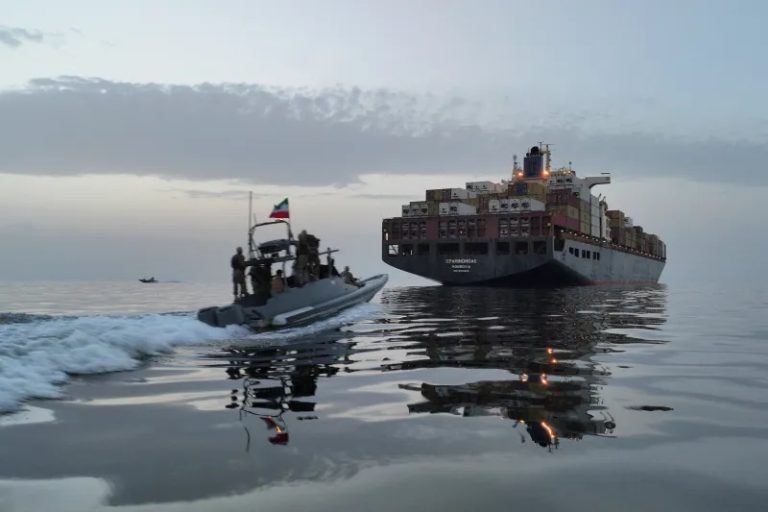
Iran’s Strait of Hormuz Gambit Is Working

The world is currently 10 hours away from what President Trump has called a “final, final” deadline for Iran to reopen the Strait of Hormuz. The “Hormuz Gambit” has not only held, it has escalated into a global economic hostage crisis that the 40-nation coalition is struggling to break.

Read More »
Satellite map of the Persian Gulf with red trajectories crossing through the Strait of Hormuz and a large red 'X'.

Washington’s Retreat From the Strait of Hormuz

The strategic withdrawal of the United States from the Strait of Hormuz—once the bedrock of global energy security—has reached a tipping point. President Trump’s “Go Take It” directive has effectively dismantled the Carter Doctrine, leaving a 40-nation coalition to manage a waterway that has become the world’s most dangerous “insurance trap.”

Read More »
Satellite view of the Strait of Hormuz, Persian Gulf, and Gulf of Oman.

Iran’s Masterplan for the Strait of Hormuz

The shift in the Strait of Hormuz from a traditional military chokepoint to a formalized “Sovereign Toll Zone” represents the most significant change in maritime law since the 1982 UNCLOS. Tehran is moving to institutionalize what was once a temporary blockade into a permanent economic engine designed to bypass Western sanctions forever.

Read More »
Large oil tankers and cargo ships docked at a major industrial port with storage tanks and green mountains in the background.

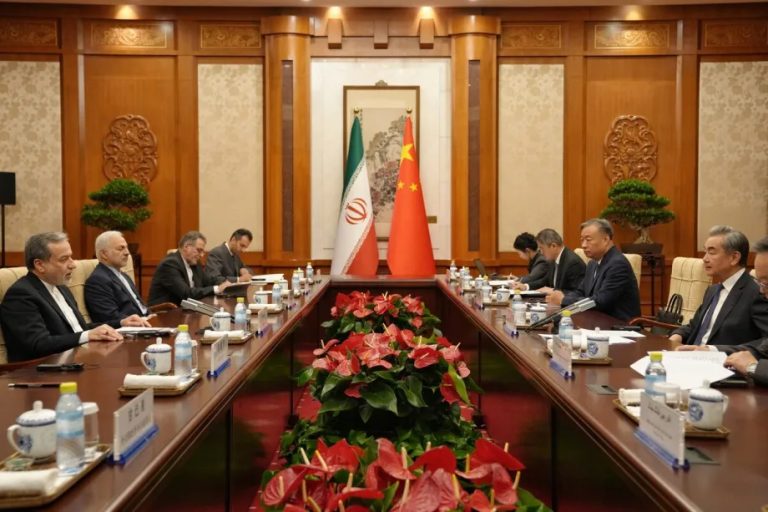
Beijing’s Iran Dilemma: Too Big to Ignore, Too Risky to Lead

On March 31, 2026, the diplomatic landscape of the Iran war shifted toward Beijing as Pakistani Deputy Prime Minister Ishaq Dar arrived in China to formally launch a joint five-point initiative for a ceasefire. This move represents China’s first major departure from a month of “muted” detachment, positioning it as a potential guarantor for any future peace deal—a role Tehran has reportedly made a prerequisite for talking to the White House.

Read More »
Large plumes of dark gray smoke rising behind urban apartment buildings under an overcast sky.

Who Wins and Loses From the Iran Energy Shock

The Iran energy shock of 2026 has fundamentally rewritten the rules of global petropolitics. As Brent crude prices surged, the traditional “oil winner” manual was discarded; for the first time, major producers in the Gulf found themselves economically paralyzed by their own geographic leverage.

Read More »
Ursula von der Leyen speaking at a podium with a large "RENEWABLES" sign in the background.

Europe’s Iran Shock Demands a Wartime Economic Response

Europe faces its second major energy crisis in four years, with the closure of the Strait of Hormuz triggering what the IEA calls the largest supply disruption in history. With Brent crude surpassing €100 and gas storage at critical lows, analysts warn of impending stagflation and technical recessions in Germany and Italy, leading to urgent calls for a pandemic-scale fiscal response to accelerate electrification as a national security imperative.

Read More »