Tag: Nuclear Proliferation

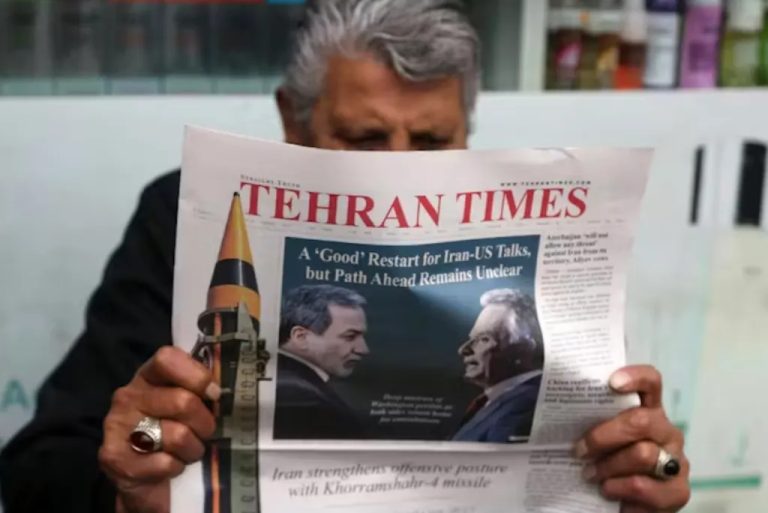
A person holding a Tehran Times newspaper featuring a headline about Iran-US talks and an image of a missile.

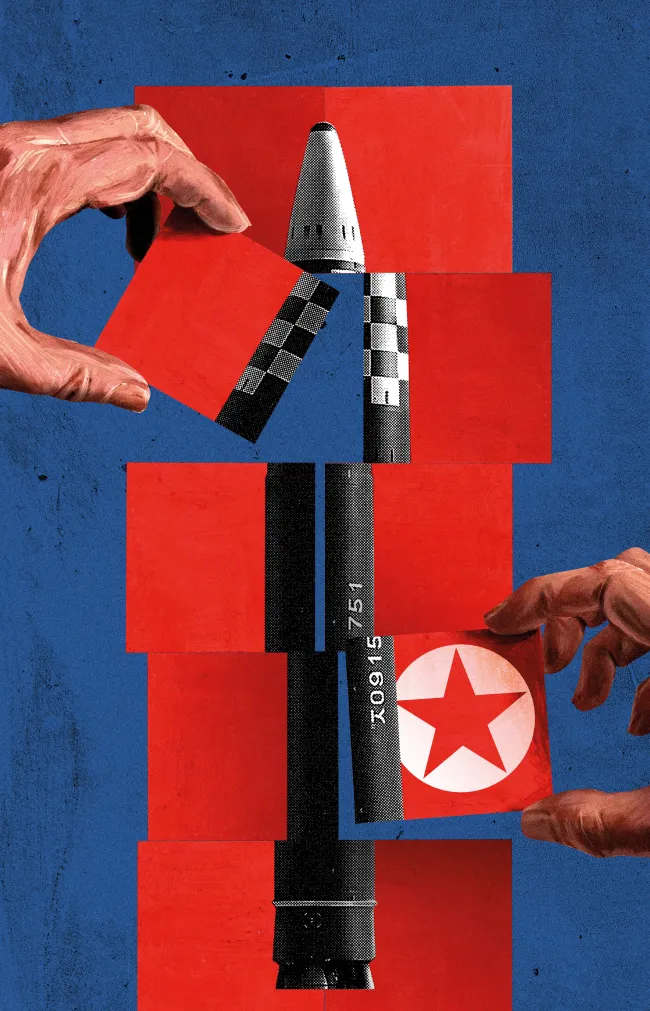
Bombing the Negotiating Table: How Washington Killed Its Own Diplomacy

The initiation of Operation Epic Fury on February 28, 2026, did more than just dismantle military targets—it effectively dismantled the very concept of U.S.-led nuclear diplomacy. By striking while a major breakthrough was being announced by Omani mediators, Washington has signaled that even total compliance may not be enough to avert a military “solution.”

Read More »
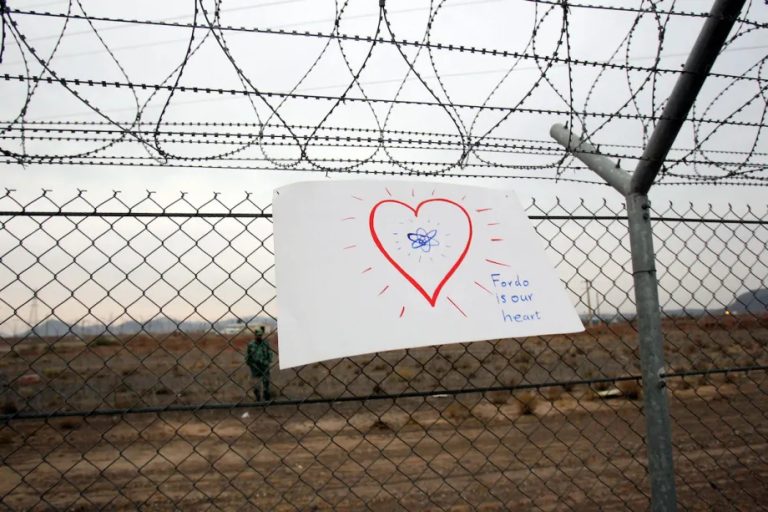
A hand-drawn sign on a chain-link fence with a heart and an atom symbol, reading "Fordo is our heart," near a military facility.

The Nuclear Double Standard Fueling the Iran War

The strike near Dimona on March 22, 2026, has crystallized a long-standing debate over the “nuclear double standard” in the Middle East. While Washington justifies Operation Epic Fury as a necessary measure to prevent Iranian nuclear proliferation, critics point to the immunity granted to Israel’s unacknowledged arsenal as evidence of a fundamentally asymmetric global order.

Read More »
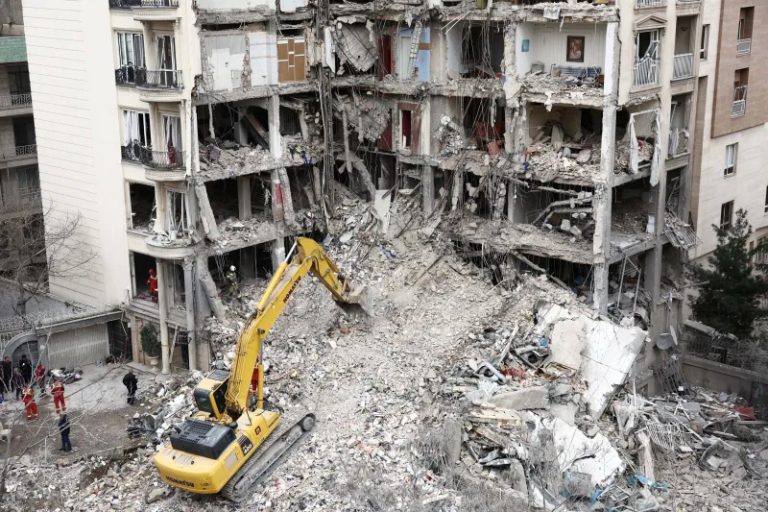
A yellow Komatsu excavator clearing rubble from a heavily damaged multi-story residential building.

How the Iran War Became America’s Ukraine

The U.S. strategy in Iran has devolved into a grinding war of attrition mirroring Russia’s quagmire in Ukraine, as initial hopes for a swift “decapitation strike” fail against Iran’s geographic leverage. With the Strait of Hormuz blockade triggering the largest energy disruption in history and U.S. precision munition stockpiles depleting at an unsustainable rate, Washington faces a strategic stalemate with no viable ground option and no clear path to a decisive victory.

Read More »
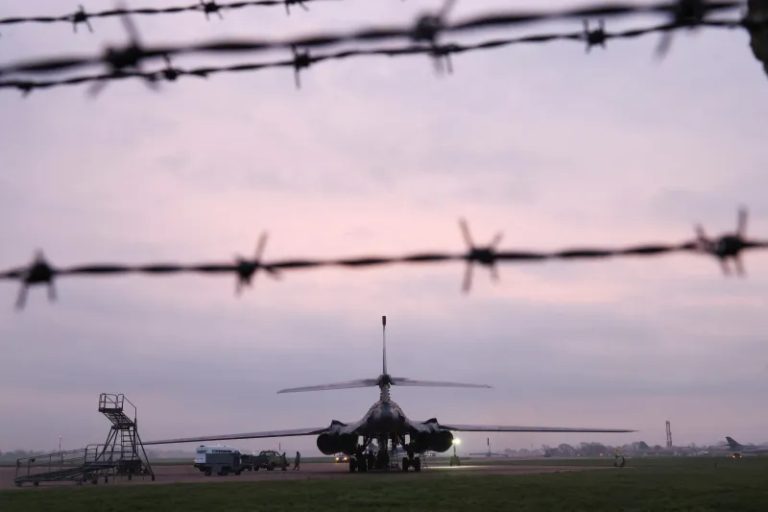
A military bomber aircraft on an airfield at dusk, viewed through a silhouette of barbed wire.

Why America’s Iran War Has No Winning Strategy

Operation Epic Fury faces a strategic deadlock as tactical successes—such as degrading 90% of Iran’s missiles—fail to yield a clear political end state. Analysts warn that the campaign has supercharged Iran’s resolve to rebuild while depleting U.S. munitions earmarked for the Pacific, effectively rescuing the Russian war budget through $120-per-barrel oil.

Read More »
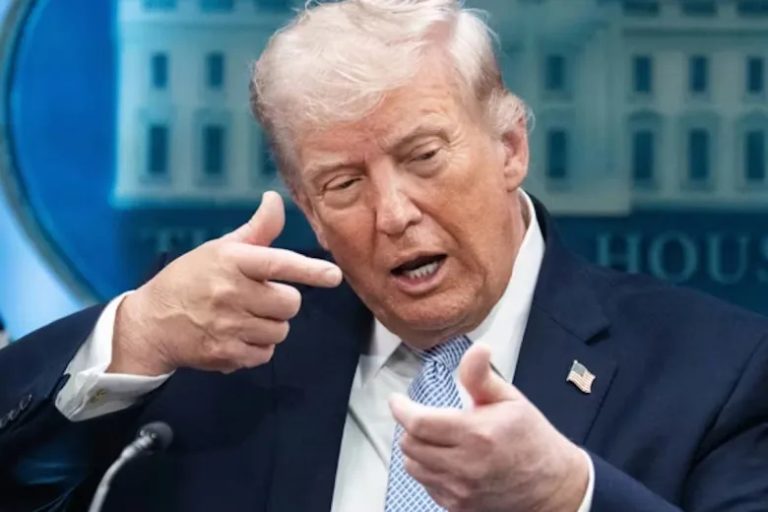
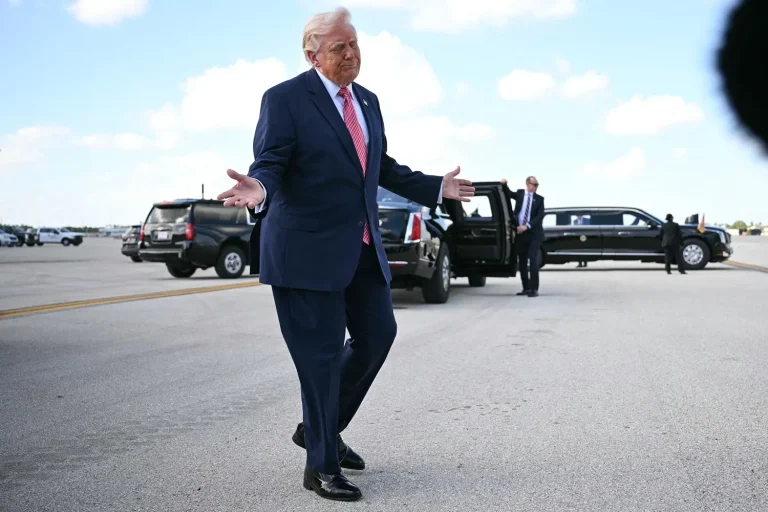
Donald Trump speaking at a microphone with a portrait of Ronald Reagan in the background.

Talks, Troops, and a Strike Near Bushehr: The War at Week Four

On Tuesday, March 24, 2026, the war reached a volatile crossroads as President Trump claimed a deal was near while the Pentagon moved 3,000 elite paratroopers toward the Gulf. Despite reported negotiations over the Strait of Hormuz, strikes near the Bushehr nuclear plant have raised fears of a radiological catastrophe.

Read More »
Soldiers lifting a silver metal crate with a yellow radiation warning symbol at a desert excavation site at night with military helicopters.

Leave Iran’s Uranium Buried

Iran’s enriched uranium lies buried under tons of rubble at Isfahan — and experts argue that’s exactly where it should stay. Extracting it would require a weeks‑long engineering operation under fire, while poisoning and sealing it in place would neutralize its weapons potential. Sometimes containment, not commando raids, is the smarter strategy.

Read More »

America and Israel Are at War Together, but Not the Same War

The U.S. and Israel are fighting the same war with different goals: Washington wants a quick, contained operation, while Netanyahu seeks regime collapse and a strategic reset. Conflicting timelines, clashing objectives, and diverging public opinion leave neither side in control of the endgame — a recipe for a war that drifts far beyond its opening strike.

Read More »
Ali Khamenei pinning a medal onto the chest of Amir Ali Hajizadeh's military uniform, while Mohammad Bagheri and Abdolrahim Mousavi watch from the background.

Iran’s ‘Mosaic Defense’: The Doctrine Built to Outlast Decapitation

Iran’s “mosaic defense” is built for decapitation: 31 autonomous IRGC units, layered successors, and dispersed stockpiles keep the system fighting despite leadership losses. As Mojtaba Khamenei takes power, fragmented command creates both resilience and volatility — from rogue strikes to Hormuz disruption — turning time, terrain, and cost asymmetry into Iran’s core weapons.

Read More »
Cinematic digital collage featuring a political leader, soldiers, a nuclear power plant, and advanced AI robots.

AI’s Insatiable Appetite Is Reviving Nuclear Power

Exploding AI demand is pushing Big Tech toward nuclear power, with Meta, Microsoft, Google, and Amazon securing unprecedented reactor deals. The U.S. aims to quadruple capacity but lacks long‑term waste storage and domestic enrichment. Meanwhile, China races ahead with rapid reactor expansion and SMR deployment, reshaping global energy influence.

Read More »