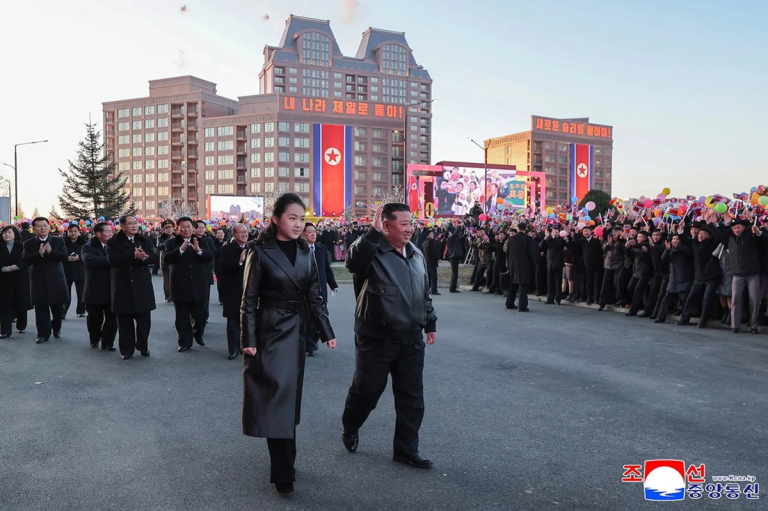
Tag: Kim Jong Un

A white balloon printed with the US and South Korean flags and the phrase WE GO TOGETHER.

Repricing the American Alliance in Asia Shakes Global Security

Washington’s decision to curtail joint military exercises with Seoul highlights a growing transactional approach to traditional alliance guarantees. As defense commitments become tied to financial and diplomatic conditions, Asian partners are accelerating efforts to achieve strategic self-reliance and build independent regional deterrence capabilities.

Read More »
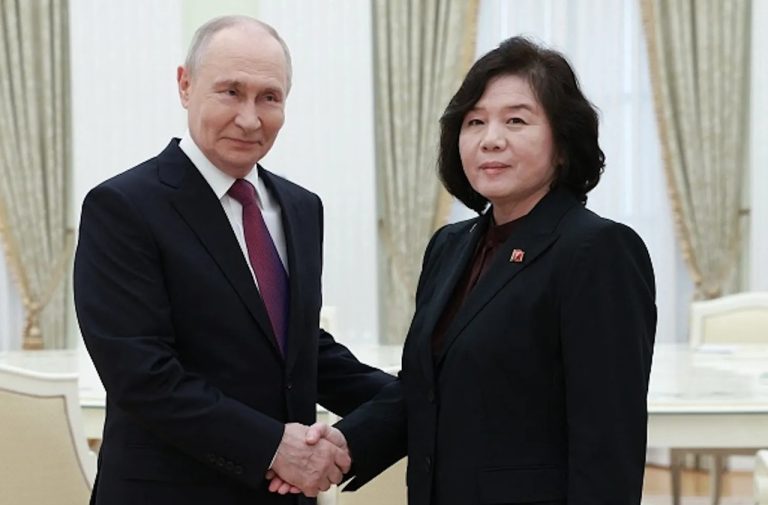
Vladimir Putin shaking hands with North Korean official Choe Son-hui during a formal meeting.

Moscow and Pyongyang Disrupt American Defense

As North Korea and Russia expand military cooperation across borders, traditional regional security paradigms fall short. The U.S. must rethink its strategy of isolated regional defense, serving as a vital intelligence bridge between European and Asian allies to counter intertwined threats.

Read More »
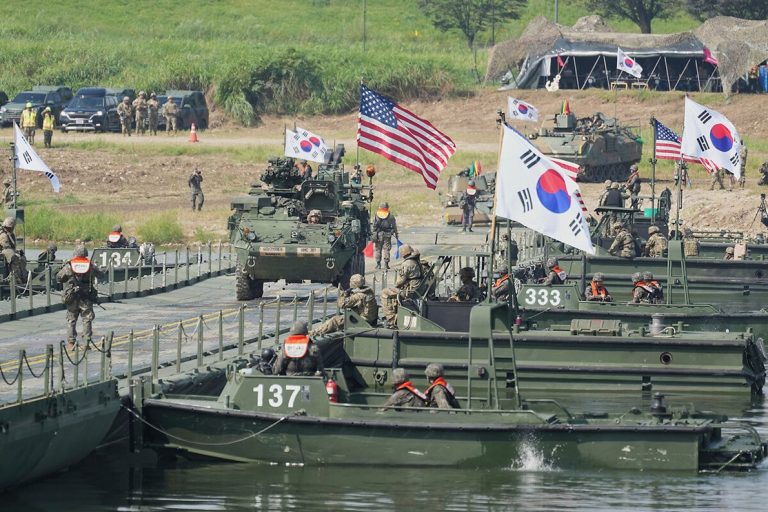
Joint military vehicles and amphibious assault boats participating in allied defense exercises.

Trump Cuts South Korea Drills to Reopen Kim Diplomacy

President Trump has ordered a substantial reduction in US participation in military exercises with South Korea, using the cuts as diplomatic leverage to reopen negotiations with North Korean leader Kim Jong Un. While the move aims to spark renewed talks, it bypassed a coordinated alliance process and left Seoul navigating a transactional shift in Washington’s defense commitments.

Read More »
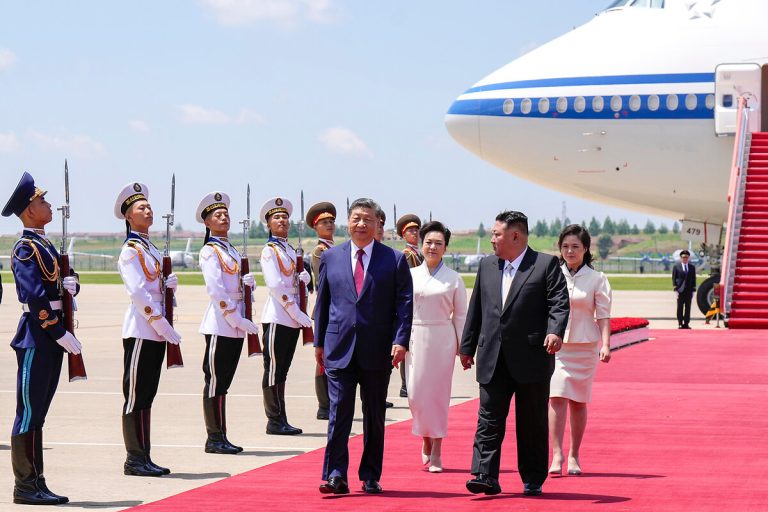
Xi Jinping and Kim Jong Un walking on a red carpet at an airfield with an honor guard and a large airplane in the background.

What Xi and Kim Really Want From Each Other

This analysis explores the strategic motivations behind Xi Jinping’s recent state visit to North Korea, examining the complex triangular relationship between Beijing, Pyongyang, and Moscow. As North Korea deepens its military ties with Russia, we discuss how China is navigating the erosion of its traditional diplomatic framework, the pursuit of regional stability, and the ongoing challenge of maintaining economic and political influence over a regime now emboldened by its own nuclear status.

Read More »
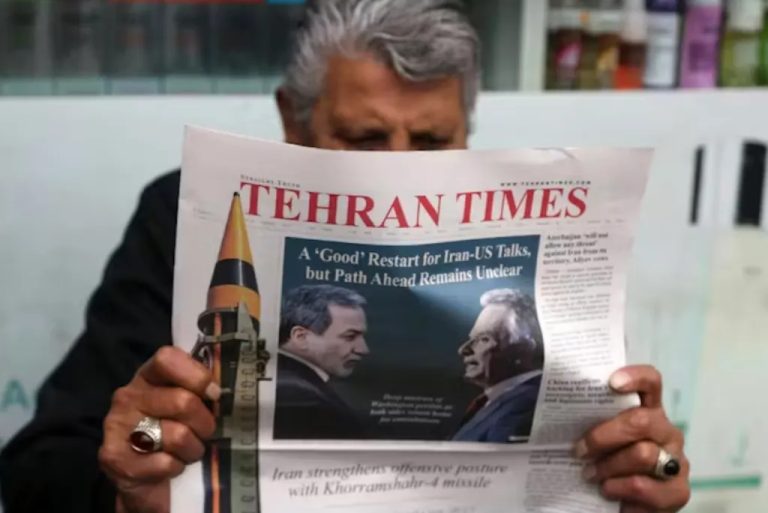
A person holding a Tehran Times newspaper featuring a headline about Iran-US talks and an image of a missile.

Bombing the Negotiating Table: How Washington Killed Its Own Diplomacy

The initiation of Operation Epic Fury on February 28, 2026, did more than just dismantle military targets—it effectively dismantled the very concept of U.S.-led nuclear diplomacy. By striking while a major breakthrough was being announced by Omani mediators, Washington has signaled that even total compliance may not be enough to avert a military “solution.”

Read More »