Tag: Indo-Pacific

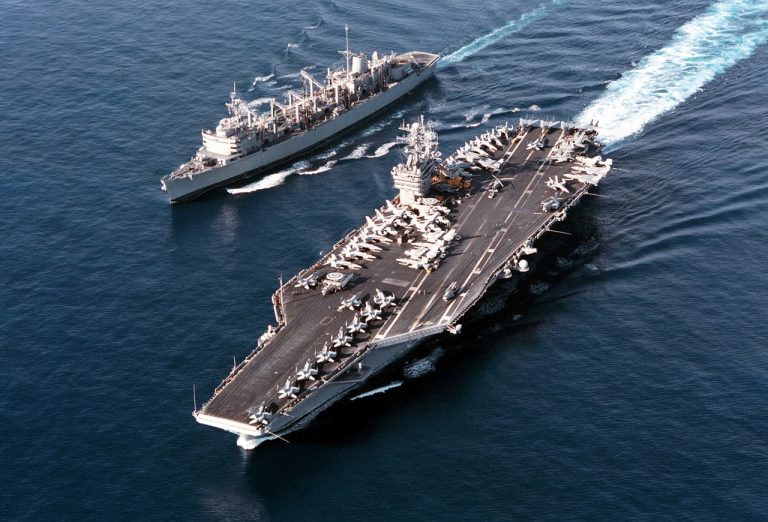
Aerial view of a US Navy aircraft carrier sailing alongside a supply replenishment ship in open ocean.

The Strategic Cost of Diverting Pacific Forces to the Middle East

As the US military redirects naval assets and personnel from the Indo-Pacific to the Middle East, strategic vacuums are opening across Asia. Leaving the Pacific without active aircraft carrier strike groups alarms regional allies and signals operational constraints that adversaries like China and North Korea are keen to exploit.

Read More »
The exterior of the Association of Southeast Asian Nations (ASEAN) headquarters building with lush green landscaping and the "Symbol of Unity" monument.

Indo-Pacific Strategic Geography Challenges US Extended Deterrence Framework

The Indo-Pacific has replaced the Cold War-era European theater as the primary arena for American strategic competition, presenting unique geographic and military challenges. As China targets 2027 for regional dominance and control over Taiwan, the U.S. is rapidly adapting its alliance structures with Japan, Australia, and the Philippines to counter advanced missile threats and navigate a complex new era of nuclear deterrence.

Read More »
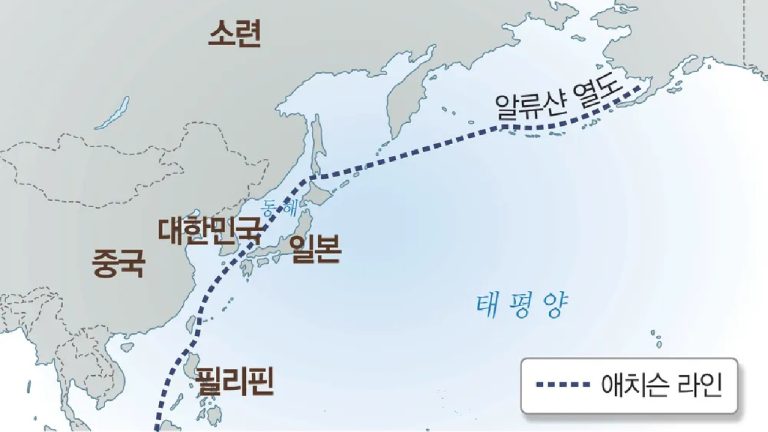
Map showing the Acheson Line (dotted blue line) defining the US defense perimeter in the Pacific, labeled in Korean

The New Acheson Line: How Trump’s ‘America First’ Strategy Abandons Asia

The 2025 National Security Strategy (NSS) released by the Trump administration has shocked the Indo-Pacific, indicating a major shift in U.S. defense commitments. Framed as a “realist” recalibration, it is perceived by analysts in Tokyo and Seoul as a strategic retreat, echoing the Nixon Doctrine and repositioning a defensive perimeter along the First Island Chain, thereby conceding the Asian mainland to Chinese influence and prioritizing economic nationalism over alliance unity.

Read More »
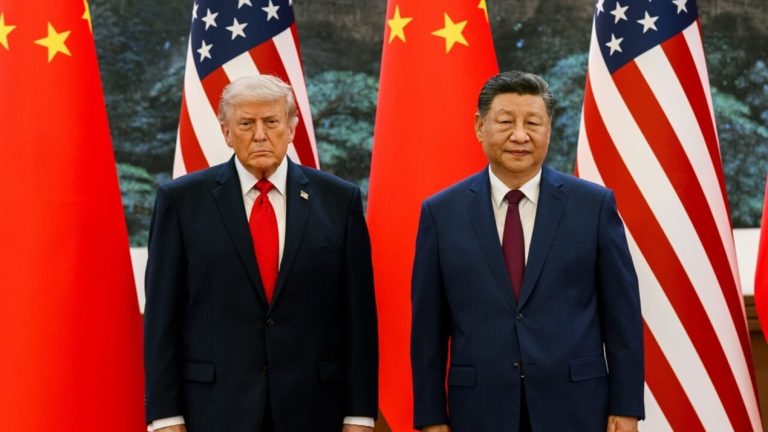
Donald Trump seated at a formal table, looking serious, with American flags visible in the background

Trump’s 2025 Strategy: The End of American Primacy and the Rise of Transactional Realism in Asia

The Trump administration’s 2025 National Security Strategy signifies a significant break from the post-World War II international order by rejecting the aim of “permanent American domination” and shifting towards a focus on reindustrialization and “America First” policies, moving the U.S. from upholding norms to aggressive commercial competition in the Indo-Pacific.

Read More »