
The Pentagon-Silicon Complex and the Rise of the Neo-Primes

Analysis: Hosted by Jonathan Panter with Bulletin of the Atomic Scientists editor-in-chief Sharon Weinberger, this episode examines the strategic vulnerability created when the US military depends on dual-use commercial technologies it neither owns nor fully controls (War on the Rocks). Drawing on recent Pentagon friction with SpaceX and AI developer Anthropic, the discussion demonstrates that Silicon Valley’s historical pivot away from—and recent return to—military contracting was driven by venture capital incentives rather than ideological pacifism (War on the Rocks). This shift matters because the emergence of venture-backed defense “neo-primes” is redistributing sovereign operational leverage over battlefield AI and satellite communications from state defense ministries to private corporate boards (CSIS).
CSotD: It’s Now or Never
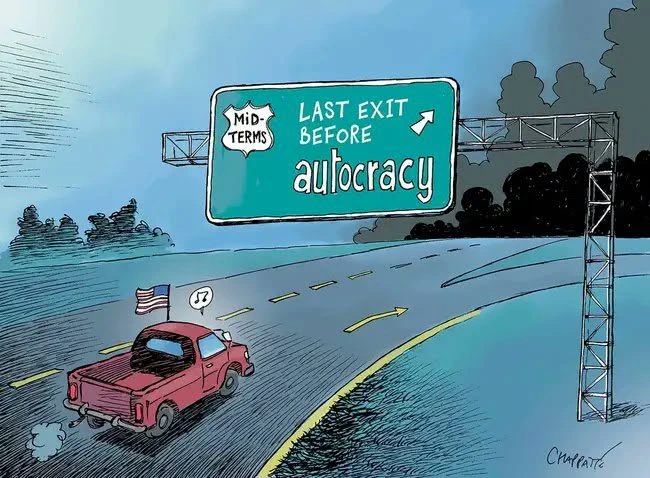
Analysis: Visually, Swiss cartoonist Patrick Chappatte (originally published in Geneva’s Le Temps) illustrates the November 3 US midterm vote as a highway sign marking the “last exit” off the road to autocracy, while Dutch cartoonist Maarten Wolterink portrays Vladimir Putin and Benjamin Netanyahu as puppet masters pulling the strings behind Donald Trump’s disruptive campaign and Michigan Democrat Haley Stevens’s sudden defection to endorse Republican Mike Rogers over Abdul El-Sayed (The Daily Cartoonist, Al Jazeera). Together, these European cartoons project a stark international consensus that American institutional credibility is fracturing under the weight of domestic authoritarianism and foreign policy polarization over Israel and Russia (The Daily Cartoonist). This visual commentary matters because declining allied confidence in US democratic stability accelerates Europe’s push for strategic autonomy and weakens Washington’s normative authority abroad (The Guardian).
Europe’s burning burden
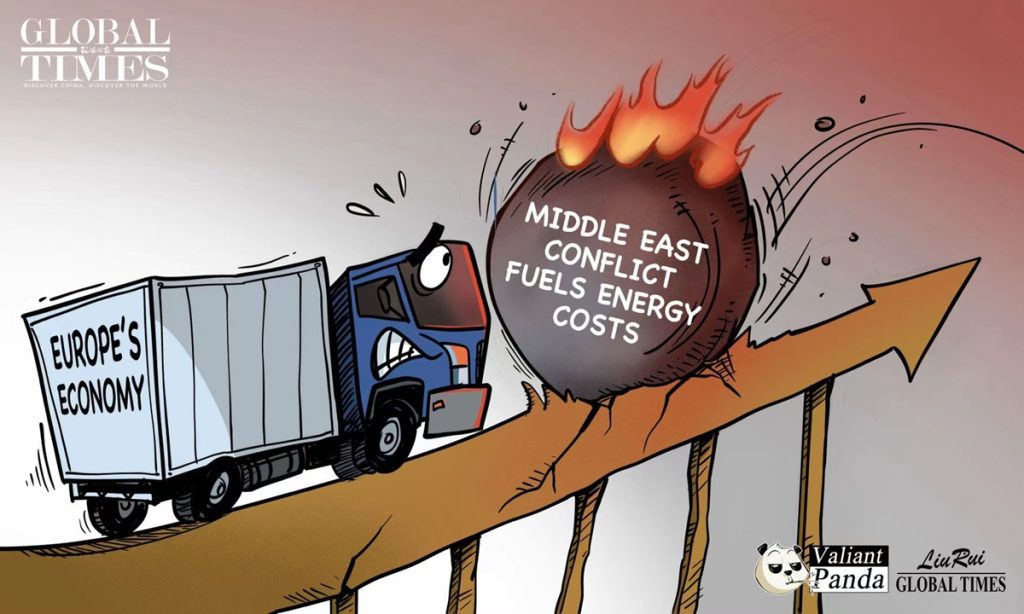
Analysis: Visually, political cartoonist Liu Rui depicts Europe staggering beneath a fiery, crushing weight of surging fuel and energy costs—an “energy shock” ignited by the eight-month US-Israel military campaign against Iran and ongoing disruptions in the Strait of Hormuz (Global Times, People’s Daily Online). Anchored by German Chancellor Friedrich Merz’s admission that higher energy prices from the Iran conflict have cost Europe over €100 billion in eight months (Global Times Cartoon Archive), the cartoon advances Beijing’s strategic narrative that European alignment with Washington’s military interventions is economically self-destructive. It underscores how energy insecurity and inflation are fueling widespread cost-of-living protests across Europe while deepening transatlantic rifts (People’s Daily Online).
Brief: Will diplomacy work between US and Iran before elections?
Analysis: This briefing connects Washington’s pre-midterm diplomatic calculus in the eight-month war with Iran to Israel’s deepening internal political crisis following its deadlocked October 27 Knesset election (Al Jazeera). It highlights that Israeli forces have killed at least 1,580 Palestinians in Gaza over the 387 days since a nominal ceasefire was declared—bringing the total death toll past 74,570—while Israeli right-wing factions label historic Palestinian-Israeli voter turnout as “electoral terrorism” to block opposition leader Gadi Eisenkot from forming a government backed by Arab parties (The Take). Strategically, the episode illustrates how domestic electoral pressures in both Washington and Jerusalem are obstructing regional de-escalation and entrenching the structural marginalization of Palestinian citizens (Al Jazeera).
Yemen’s Rival Patrons Still Disagree on the Peace
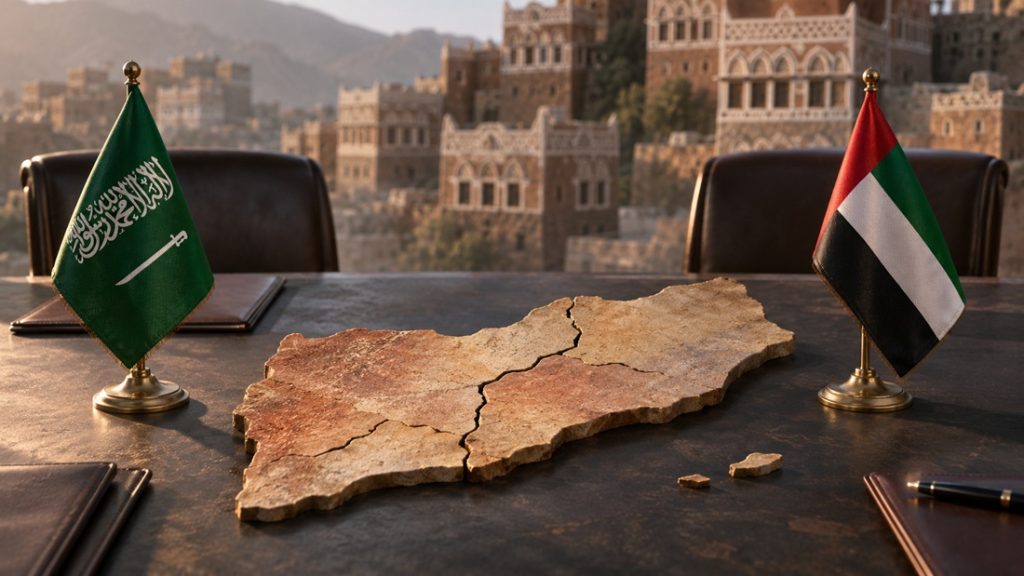
Renewed military coordination between Saudi Arabia and the UAE masks persistent political fractures over Yemen’s future. While shared anti-Houthi efforts resume, competing patron networks and divergent post-war visions threaten lasting peace unless genuine, durable local governance is established.
Oil Windfalls Expose the Unequal Costs of the Iran War

The war against Iran exposes deep economic disparities: while major oil producers project record windfalls, soaring fuel prices strain households and supply chains worldwide. Beyond short-term reserve releases, policymakers now face the urgent challenge of managing windfall gains and building resilient energy systems.
Lula’s Victory Tests the Limits of US Influence
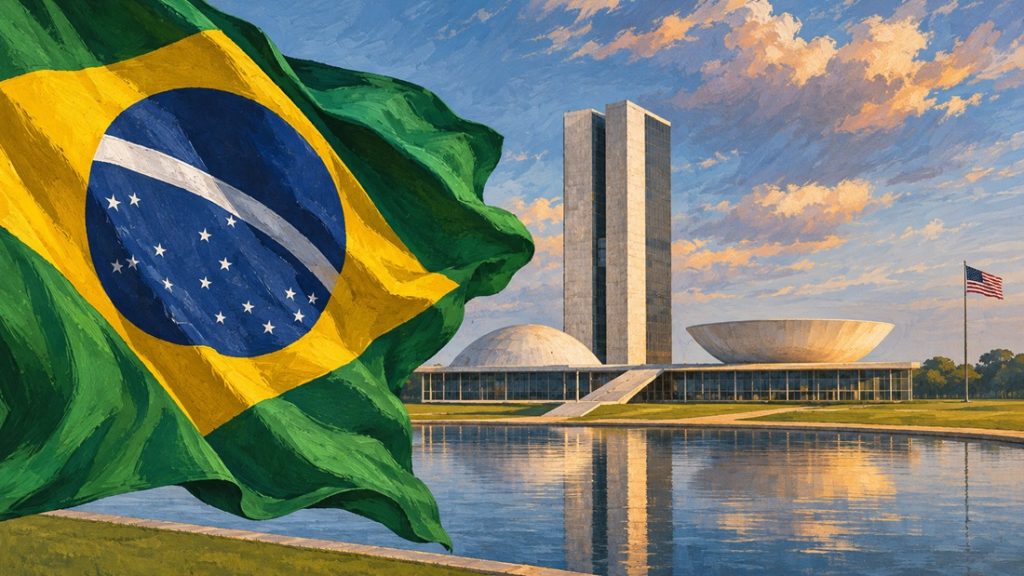
Luiz Inácio Lula da Silva’s return to power tests the reach of U.S. influence in Latin America. While regional allies balance ties with Washington, shared economic interests often outweigh ideology—leaving the U.S. with limited leverage and Lula with deep domestic hurdles.
Geoengineering Raises a Question of Who Gets to Decide

As geoengineering technologies emerge to alter global temperatures, critical governance questions arise: who holds the power to decide, and whose interests are protected? True climate solutions require transparent international oversight, inclusive representation, and sustained emissions cuts over unilateral interventions.
Arab Scientific Achievement Defies Political Stereotypes

Arab scientific achievement is often clouded by broad political stereotypes. From Nobel laureates like Ahmed Zewail to shifting institutional investments across the region, verifiable evidence and solid research policy matter far more than sweeping generalizations.