Category: Asia

Map showing the Acheson Line (dotted blue line) defining the US defense perimeter in the Pacific, labeled in Korean

The New Acheson Line: How Trump’s ‘America First’ Strategy Abandons Asia

The 2025 National Security Strategy (NSS) released by the Trump administration has shocked the Indo-Pacific, indicating a major shift in U.S. defense commitments. Framed as a “realist” recalibration, it is perceived by analysts in Tokyo and Seoul as a strategic retreat, echoing the Nixon Doctrine and repositioning a defensive perimeter along the First Island Chain, thereby conceding the Asian mainland to Chinese influence and prioritizing economic nationalism over alliance unity.

Read More »
Donald Trump seated at a formal table, looking serious, with American flags visible in the background

Trump’s 2025 Strategy: The End of American Primacy and the Rise of Transactional Realism in Asia

The Trump administration’s 2025 National Security Strategy signifies a significant break from the post-World War II international order by rejecting the aim of “permanent American domination” and shifting towards a focus on reindustrialization and “America First” policies, moving the U.S. from upholding norms to aggressive commercial competition in the Indo-Pacific.

Read More »
French President Emmanuel Macron and Chinese President Xi Jinping shaking hands and smiling warmly in front of national flags.

Paris Pursues Investment Reversal as European Industrial Model Faces Chinese Competition

Emmanuel Macron’s December visit to Beijing signified a strategic shift for France, aiming to convert trade deficits into investment chances while addressing European security issues. The trip highlighted key tensions in European-Chinese relations, with Brussels calling for economic rebalancing and Beijing desiring unrestricted market access amidst rising transatlantic trade disputes.

Read More »
Taiwan’s recall vote: Implications for Taiwan, China, and the United States

Taiwan’s recall vote: Implications for Taiwan, China, and the United States

Taiwan’s recent recall vote against opposition KMT lawmakers failed, allowing all targeted legislators to keep their seats and signaling public rejection of accusations they were acting on Beijing’s behalf. The result preserves Taiwan’s divided government, a scenario Beijing prefers as it reduces the risk of moves toward independence. Washington stayed silent, but the outcome could either stall Taiwan’s defense initiatives or shift politics toward a calmer, future-oriented debate. How Beijing interprets the result—and how President Trump responds—will shape cross-Strait dynamics in the years ahead.

Read More »
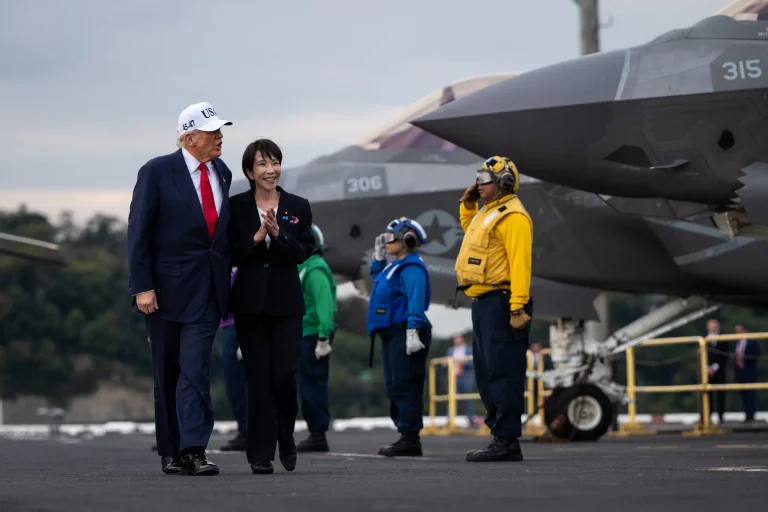
Trump’s Economic Lie of the Week: Japan Trade Deal

Trump’s Economic Lie of the Week: Japan Trade Deal

Trump falsely claimed Japan handed him control of a $550 billion fund, with the U.S. keeping 90% of profits a ridiculous lie, as Japan would never pay such a sum to avoid minor trade disruptions. Plus, Trump’s promises are worthless, as he could break any deal at will, making the entire claim absurd.

Read More »
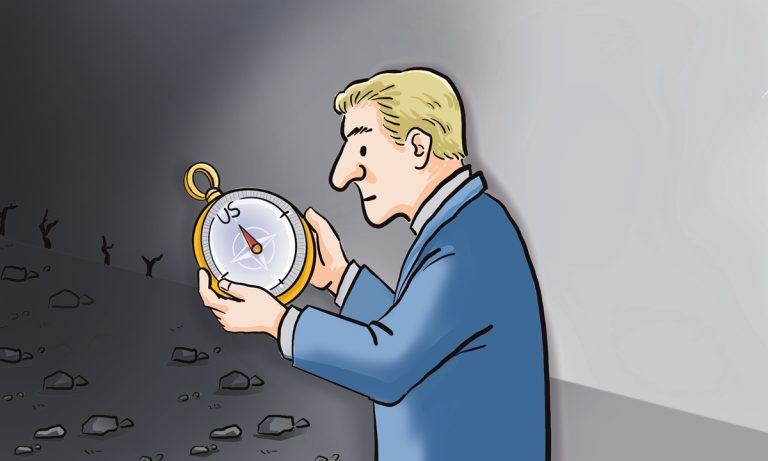
How Washington Is Ceding Its Geoeconomic Edge to China

How Washington Is Ceding Its Geoeconomic Edge to China

Trump’s proposed changes to U.S. development finance—prioritizing domestic interests, unilateralism, and extractive projects over sustainability—could weaken America’s global influence. Unlike Biden’s multilateral partnerships, Trump’s transactional approach risks alienating allies and ceding clean energy leadership to China. The U.S. may lose ground in the Global South by abandoning inclusive, high-quality investments that counter China’s Belt and Road Initiative.

Read More »