Category: Africa

Recep Tayyip Erdoğan shaking hands with Hassan Sheikh Mohamud in front of a historical mural.

Turkey in Somalia: Partner, Protector or Something Else?

What began as a 2011 famine relief mission has evolved into Turkey’s most ambitious geopolitical project. With its largest overseas military base, a newly deployed F-16 wing, and the “SOMTURK” joint venture controlling maritime resources, Ankara has become Somalia’s indispensable security guarantor. However, as the UAE, China, and Israel (via its recognition of Somaliland) jostle for influence, questions of Somali sovereignty and the lopsided terms of hydrocarbon deals are beginning to spark domestic and regional friction.

Read More »
A man in a blue and red uniform refueling a car at a gas station in Africa.

Middle East War Accelerates Africa’s Push for Debt Reform

The escalating conflict in the Middle East has triggered a severe economic crisis across Africa, as rising energy and commodity prices strain heavily indebted nations. In response, African leaders are pushing for a radical overhaul of the global financial architecture, seeking debt moratoriums and a shift away from dollar-denominated liabilities to ensure long-term regional resilience.

Read More »
Turkish President Recep Tayyip Erdoğan and Saudi Crown Prince Mohammed bin Salman walking together during an official ceremony.

Turkey’s Sunni Coalition Push Reshapes Middle East Power

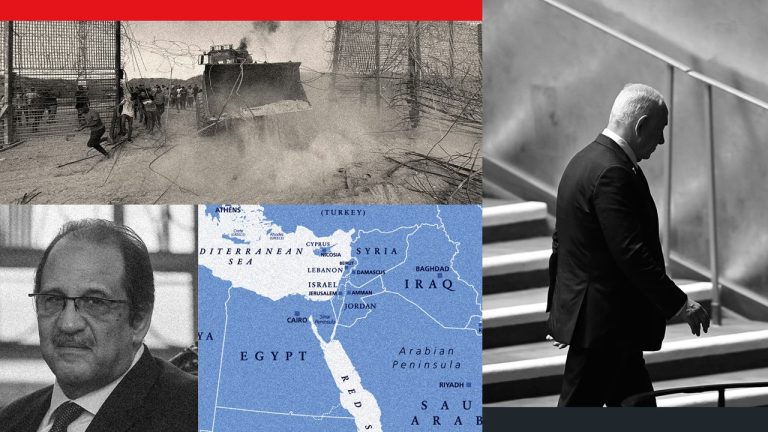
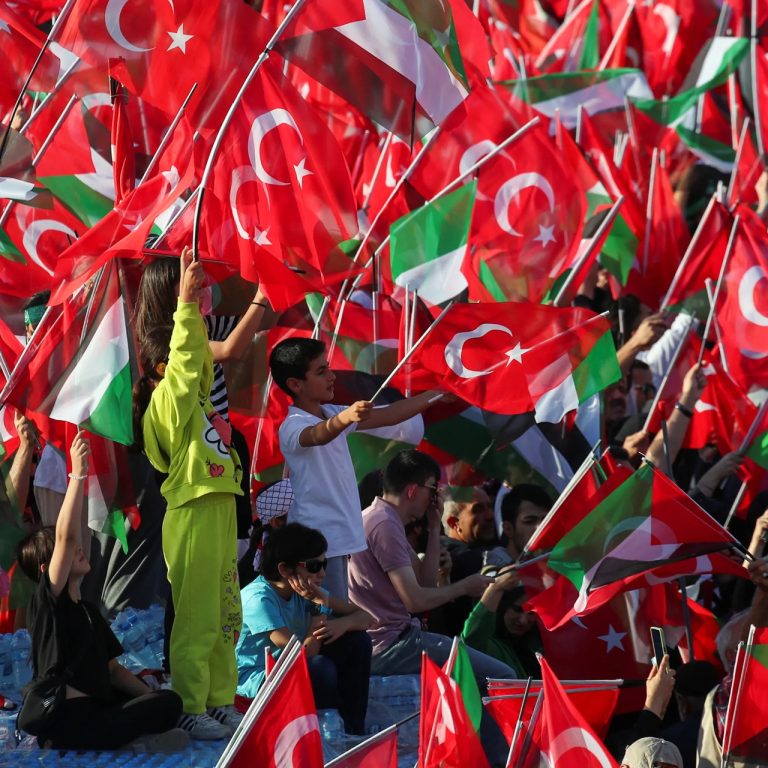
Turkey is building a new Sunni‑majority alignment through rapid diplomacy with Saudi Arabia, Egypt, and Jordan. Arms deals, industrial cooperation, and coordinated statements on Gaza signal Ankara’s expanding influence. But rival ambitions, Gulf hedging, and Israel’s resistance to Turkish involvement in Gaza could limit how far this emerging coalition can solidify.

Read More »
A person seen from behind, carrying a rifle across their shoulders and wearing ammunition belts, looking at the sea.

Somaliland and the Scramble for Red Sea Dominance

In early 2026, the Red Sea corridor is undergoing a profound structural shift following Israel’s formal recognition of Somaliland on December 26, 2025. This move shattered a 34-year diplomatic stalemate and has effectively birthed a new “Middle Power Axis” in the Horn of Africa.

Read More »
A wide-angle view of a massive open-pit mine with several large yellow haul trucks driving on dirt roads carved into the reddish-brown earth.

Resource Nationalism in Chaos: When Dangerous Materials Trump International Order

Niger’s 2025 nationalization of the Somair mine and the subsequent contested transport of 1,150 tons of uranium signal a breakdown in international resource governance. By defying arbitration and seeking Russian partnerships, the junta illustrates how strategic minerals now drive a fragmented global order where resource sovereignty outweighs established non-proliferation norms.

Read More »
A woman in a colorful hijab holding a sleeping child inside a rustic, mud-walled shelter.

Africa’s Future: Disorder as Opportunity or Pathway to Decline?

Africa enters 2026 facing an unprecedented security crisis, with conflict affecting more nations than at any time in two decades. From the fall of Goma in the DRC to the “famine engine” in Sudan and military juntas in the Sahel, the continent’s future hinges on transforming this global disorder into strategic autonomy.

Read More »
Mohammed bin Salman in traditional Saudi attire shaking hands with Xi Jinping in a black suit, standing in front of a row of international flags.

Expanding Orbital Influence: China’s Strategic Space Partnerships in the Middle East and North Africa

China has transitioned from a traditional infrastructure builder to a primary provider of high-tech space solutions for the Middle East and North Africa (MENA). By offering launch services, satellite manufacturing, and the BeiDou navigation system, Beijing is establishing a “Space Silk Road” that challenges Western technological dominance while enabling regional powers to achieve “strategic autonomy.”

Read More »
A vast, crowded displacement camp in Sudan under a hazy sky, showing thousands of people fleeing the ongoing genocide and humanitarian crisis.

Sudan Genocide: Humanitarian Catastrophe Dwarfs Gaza Crisis in Scale and Media Neglect

Sudan faces the world’s most severe humanitarian crisis, with 21.2 million people suffering from acute food insecurity and 12 million displaced. Despite confirming famine and widespread atrocities by the Rapid Support Forces (RSF), the conflict remains largely neglected by U.S. media. Drastic 2025 U.S. aid cuts and foreign arms supplies continue to fuel the devastation, leaving millions at risk of starvation and death.

Read More »
Hundreds of displaced Sudanese people taking shelter with their belongings in a large, open-air industrial structure.

Sudan’s Humanitarian Catastrophe: Global Indifference to the World’s Largest Crisis

With 25 million people facing extreme hunger and 14 million displaced, Sudan’s civil conflict has escalated into a genocide largely ignored by the global spotlight. As the Trump administration’s 2025 aid cuts and foreign military interventions fuel the fire between warring factions, the collapse of Sudan’s democratic transition has left half the population in famine conditions, desperate for a diplomatic breakthrough that remains out of reach.

Read More »