
China’s Strategic Positioning in Russian Far East: Economic Integration and Contingency Planning
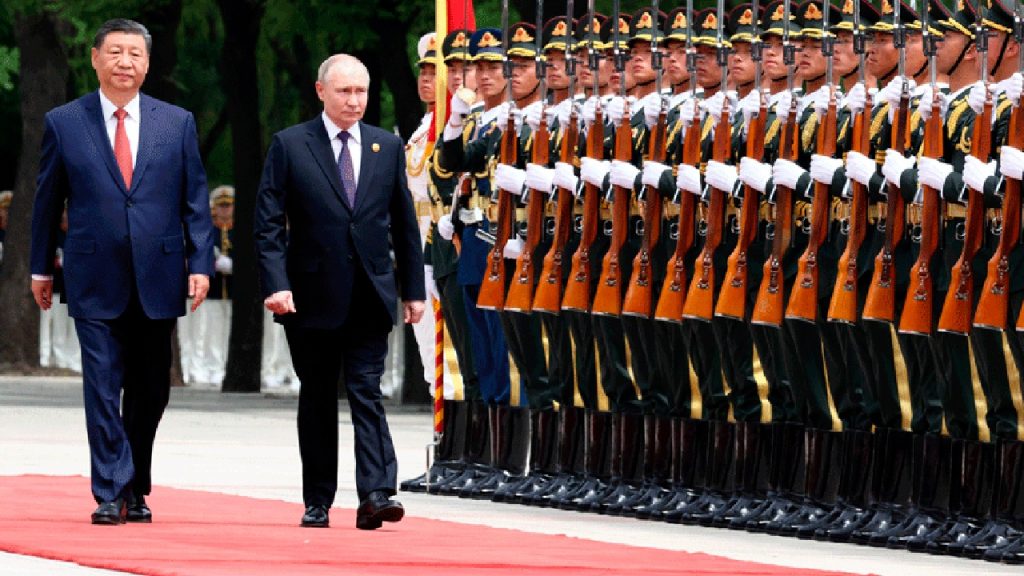
The Ukraine conflict has prompted a broader geopolitical realignment, notably through China’s economic integration with Russia’s Far East. This integration is accelerating due to Moscow’s vulnerabilities and supports Beijing’s long-term positioning, irrespective of Russia’s political stability.
Regional Mediation and Civilizational Cooperation: Revising Huntington’s Framework
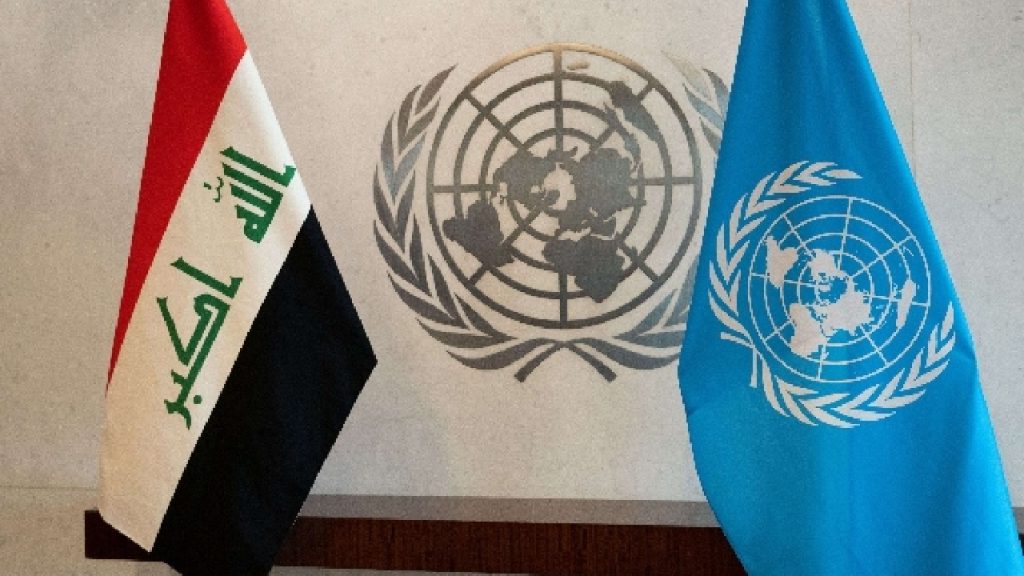
The conclusion of the UN Assistance Mission for Iraq’s 22-year mandate signifies a critical moment in Middle Eastern political dynamics. It encourages a reevaluation of how regional actors might resolve ongoing conflicts through mediation and cooperation instead of confrontation, highlighting the potential for regional diplomatic leadership to offer new conflict resolution frameworks beyond conventional great power intervention.
China-Venezuela Partnership: Testing All-Weather Alliance Under Pressure
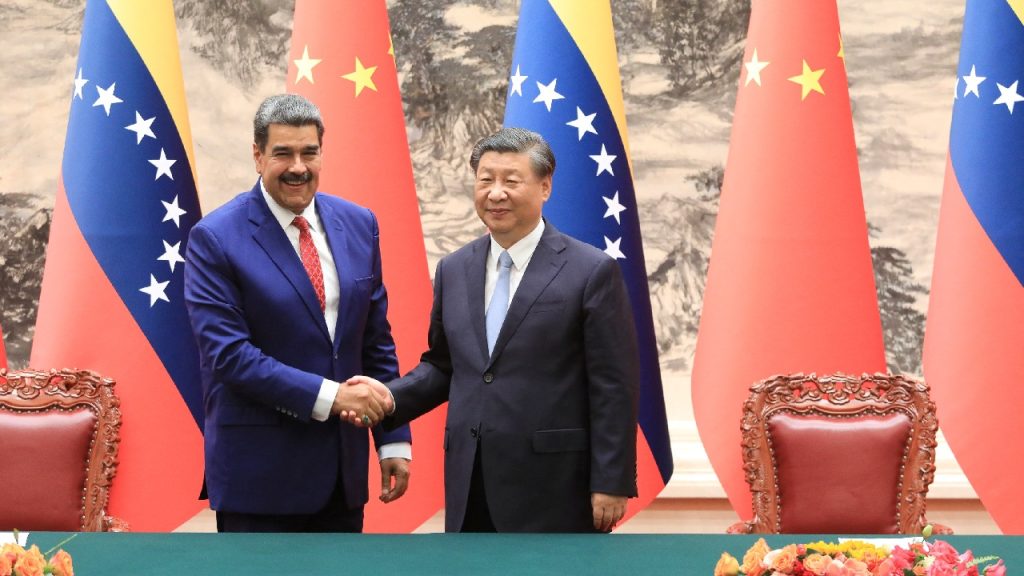
Recent U.S. military actions near Venezuela have challenged China’s commitment to its partnership with Caracas, showcasing a mix of rhetorical support, economic engagement, and military cooperation, but lacking in security guarantees or substantial financial support. This situation highlights China’s strategy in managing partnerships under Western influence and the limitations of its declarations of solidarity.
Gaza Stabilization Framework: Implementation Challenges Beyond Diplomatic Architecture
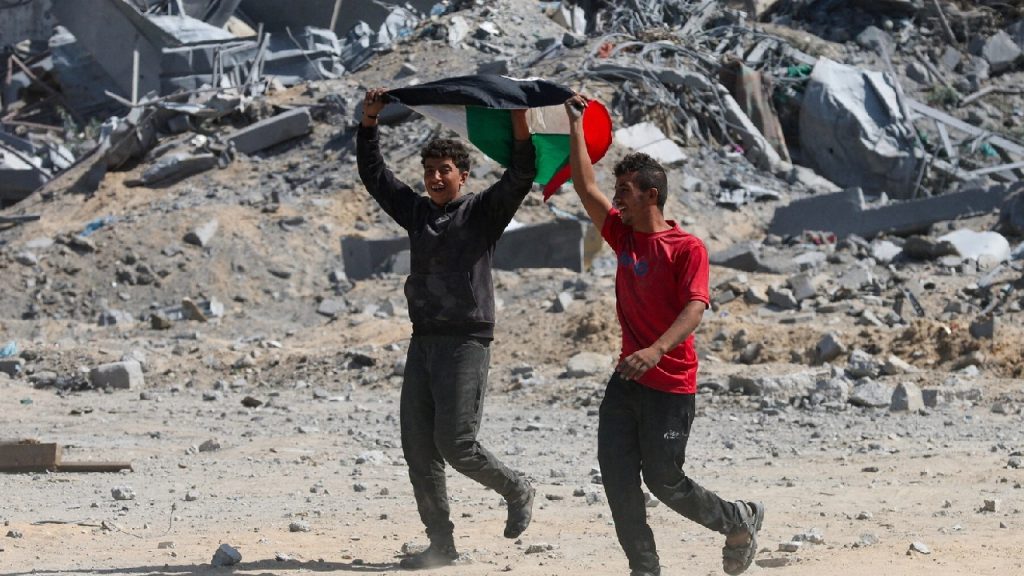
The twenty-point Gaza peace agreement has successfully halted active hostilities and enabled hostage returns. Yet, as it moves to implementation, concerns arise over whether its complex framework can effectively address the deeper power dynamics and political realities at play.
Transatlantic Alliance Transformation: Strategic Implications of American Reorientation
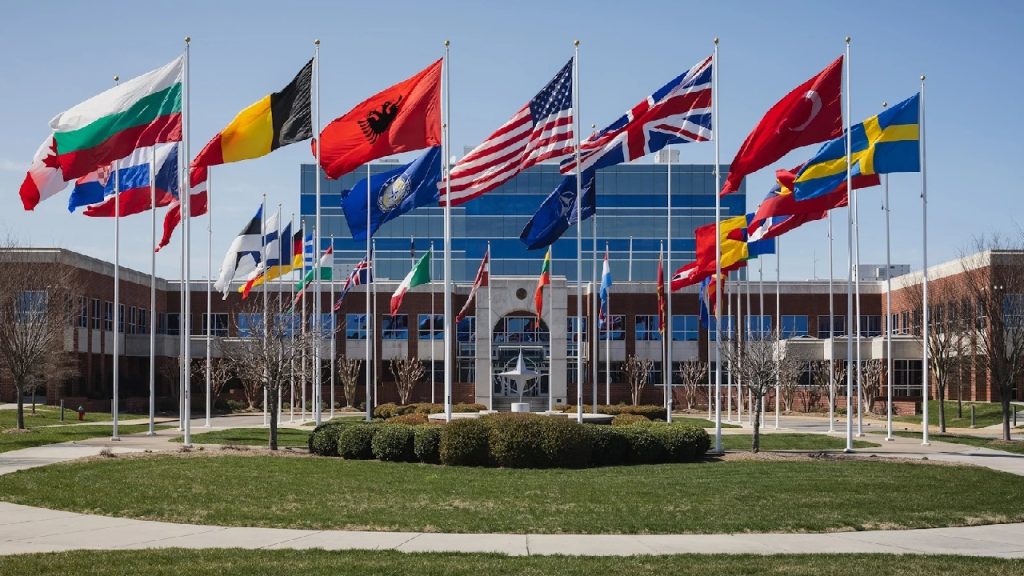
The North Atlantic relationship is undergoing a significant transformation due to shifting American strategic priorities from alliance-based internationalism to sphere-of-influence arrangements among major powers. This change, evident in recent policies and diplomatic actions, raises important questions regarding the sustainability of the transatlantic security architecture and its implications for both American and European interests.
The Silent Front: How the Middle East Conflict Has Metastasized in Europe

The European security landscape has transformed dramatically since October 2023, with a new, less visible front emerging within the EU. As attention is focused on the conflicts in Gaza and Lebanon, intelligence assessments reveal that Europe has become a logistical and operational theater for terrorist organizations. This shift signifies a hybrid threat infrastructure, blurring the lines between political activism, illicit finance, and paramilitary planning. Security services in Western Europe are increasingly alarmed by a “shadow war,” where charitable networks and student movements may unwittingly support groups like Hamas in establishing their presence in the West.
Middle East Strategic Reorientation: From Direct Engagement to Containment
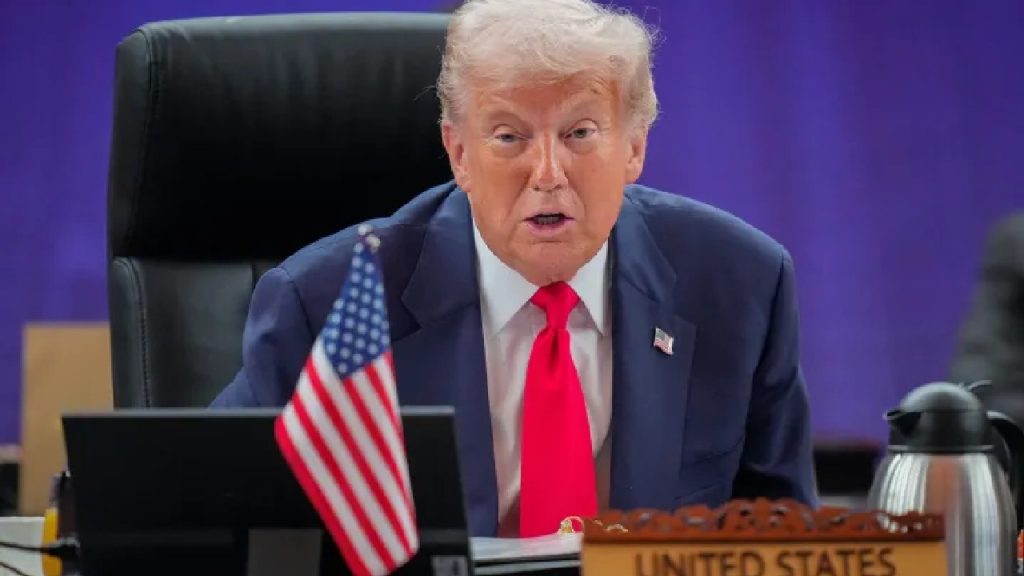
The 2025 National Security Strategy marks a significant shift in U.S. policy towards the Middle East, transitioning from extensive political and military involvement to a limited engagement prioritizing energy security and hindering regional adversaries. This change prompts important inquiries regarding the alignment of the new assumptions with the actual dynamics of the region.
Israeli Military Expansion in Syria Risks Strategic Overextension Despite Initial Advantages
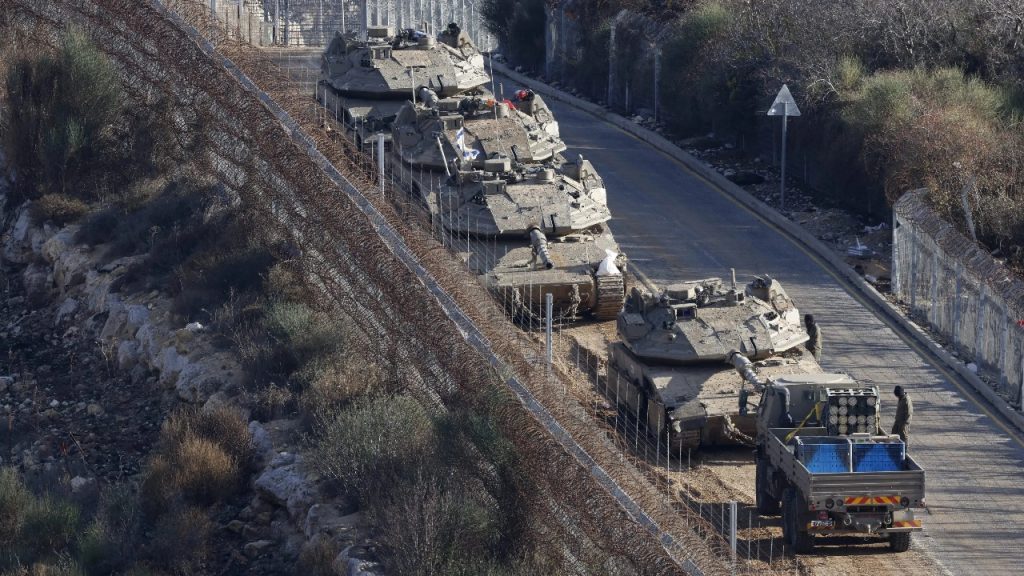
Twelve months after Bashar al-Assad’s fall, Israeli forces have carried out over 600 military operations in Syria, averaging nearly two daily. This extensive campaign, alongside the occupation of territories beyond the 1974 disengagement lines, illustrates a classic pattern of overreach, where tactical dominance leads to strategic vulnerability due to commitments across multiple fronts without clear objectives.
Damascus Gains International Legitimacy Through White House Visit Yet Internal Challenges Persist
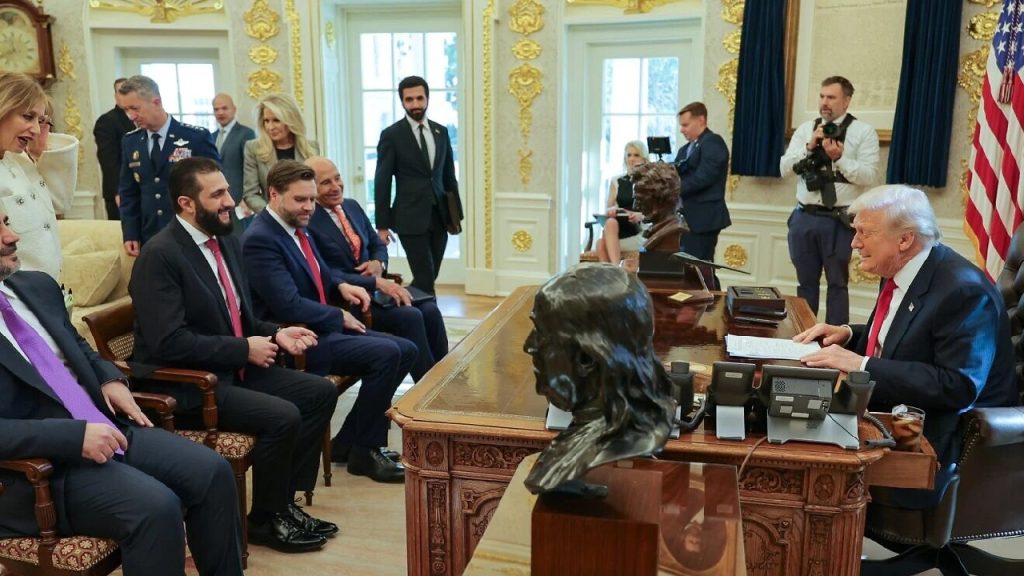
Ahmed al-Sharaa’s meeting with President Trump on November 10 marked a significant diplomatic achievement for Syria, resulting in the removal of UN Security Council sanctions and a suspension of the Caesar Act for six months. However, consolidating this international recognition domestically is challenging due to Kurdish forces’ resistance to integration, demands for autonomy from Druze leaders, and Israeli military expansion in southern Syria.
Beijing Positions Itself as Emerging Technology Governance Architect Through Arms Control Framework

China’s November 2025 white paper on arms control emphasizes AI, cyberspace, and outer space governance, moving from a reactive to a proactive role in these domains against Western dominance. This document coincides with the January release of DeepSeek-R1, showcasing Chinese AI capabilities on par with American models, amid potential cooperation openings due to the Trump administration’s economic rebalancing.
Business Entanglements Shape American Foreign Policy Execution

The intersection of commercial interests and diplomatic decision-making is a defining feature of current American foreign policy, as evidenced by dropped prosecutions, controversial pardons, and Gulf investments. These cases highlight the influence of personal business relationships on international relations, raising questions about conflict of interest, transparency, and strategic coherence.
Netanyahu Links Palestinian Statehood Recognition to Antisemitic Violence Following Sydney Attack

On December 14, gunmen killed 16 people during a Hanukkah celebration in Sydney. Israeli Prime Minister Netanyahu linked the attack to Australia’s recognition of Palestinian statehood, highlighting the complexities Western governments face in addressing Israeli policy criticism while opposing antisemitic terrorism.