
Sanctions Regime Erosion: Economic Coercion Transitions to Asset Seizure
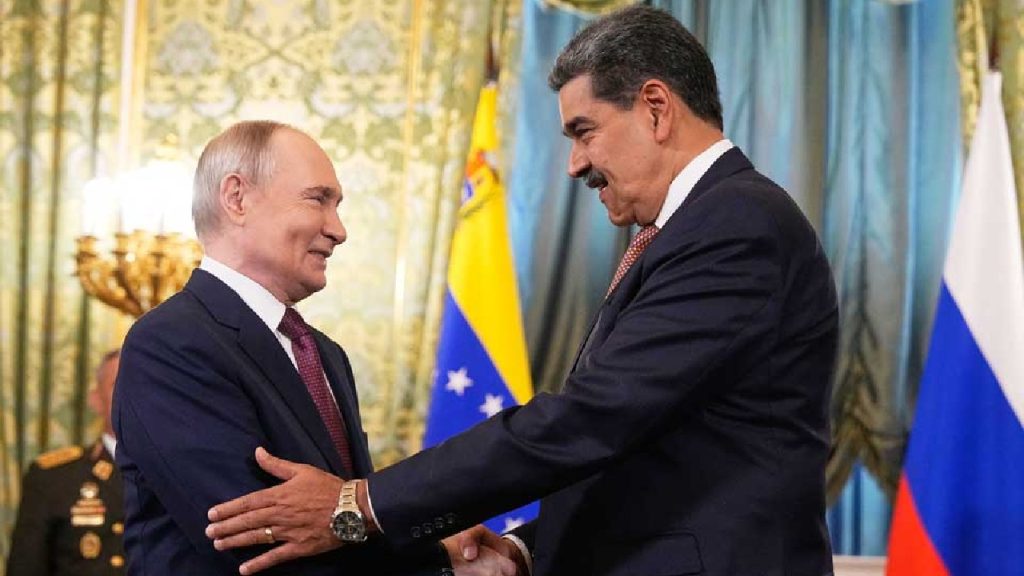
As the U.S. intensifies its economic pressure with a late-2025 oil blockade, Venezuela is successfully bypassing restrictions through strategic alliances with China, Russia, and Iran. This shift highlights the growing ineffectiveness of unilateral coercive measures, as sanctioned nations build alternative financial networks while the humanitarian toll on ordinary citizens fuels a global pushback against Western financial dominance.
Iraq Government Formation: US-Iran Competition Over Militia Influence
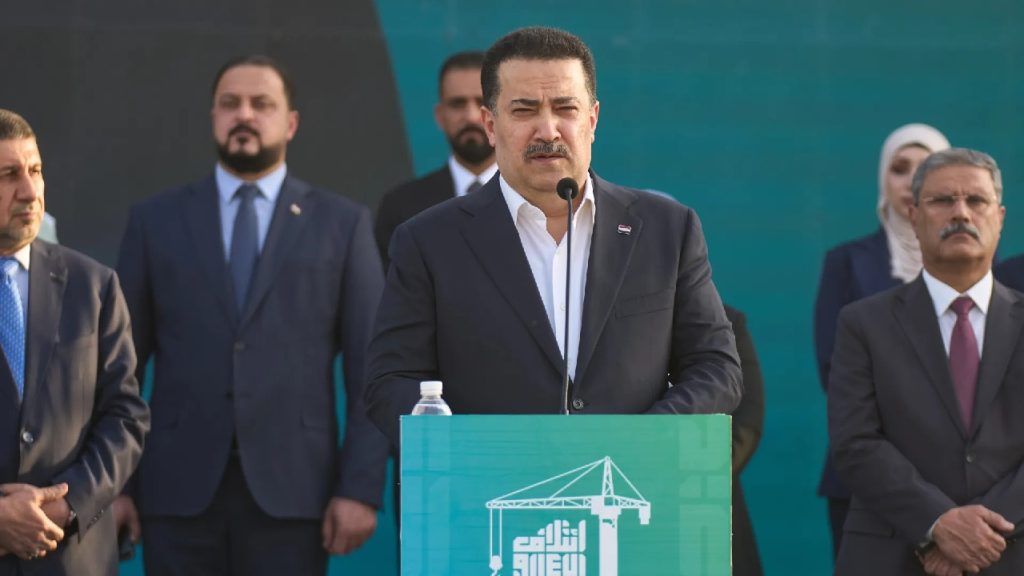
As Prime Minister Al-Sudani navigates a fractured parliament following the November 2025 elections, Iraq has become the ultimate battleground for US and Iranian influence. With the Trump administration demanding the exclusion of sanctioned militias and Tehran leveraging its strategic assets, the race for the premiership—featuring figures like Nouri al-Maliki and Qasim al-Araji—will determine whether Iraq can maintain its sovereignty or fall deeper into a high-stakes geopolitical confrontation.
DOJ Epstein Files Release: Trump Flight Records and Redaction Controversies
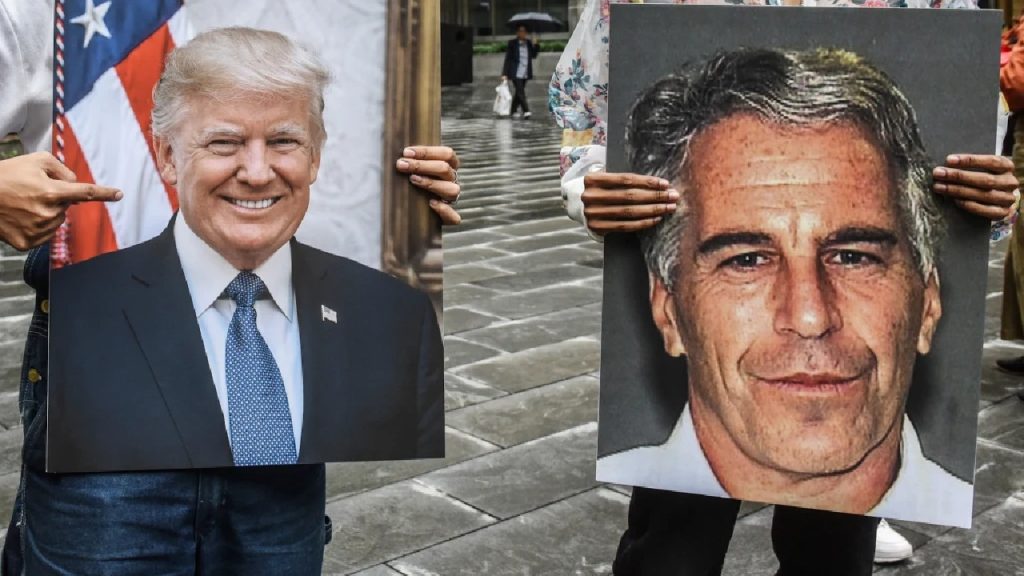
DOJ’s Epstein Files Leak: Trump Flight Logs and Redaction Scandals The Justice Department’s December 2025 release of over 11,000 Jeffrey Epstein files has ignited a political firestorm. From unredacted flight records and Mar-a-Lago subpoenas to intense congressional backlash over government transparency, discover the full details behind the controversial documents and President Trump’s response to the unfolding allegations.
Syria’s Transitional Government: International Recognition Amid Domestic Fragility

Ahmed al-Sharaa’s administration in Syria marked its first anniversary by achieving diplomatic milestones and facing internal strife post-Bashar al-Assad’s fall. Key successes include gaining Western backing, with the U.S. and U.K. removing Sharaa from terrorist lists, and normalizing relations through significant meetings, notably with President Trump. These diplomatic efforts led to sanctions relief under the Caesar Act and Syria’s return to SWIFT, fostering prospects for economic recovery amid challenges in asserting control over the diverse sectarian landscape.
Strategic Energy Competition: Nuclear Fusion Development Reshapes US-China Technological Rivalry
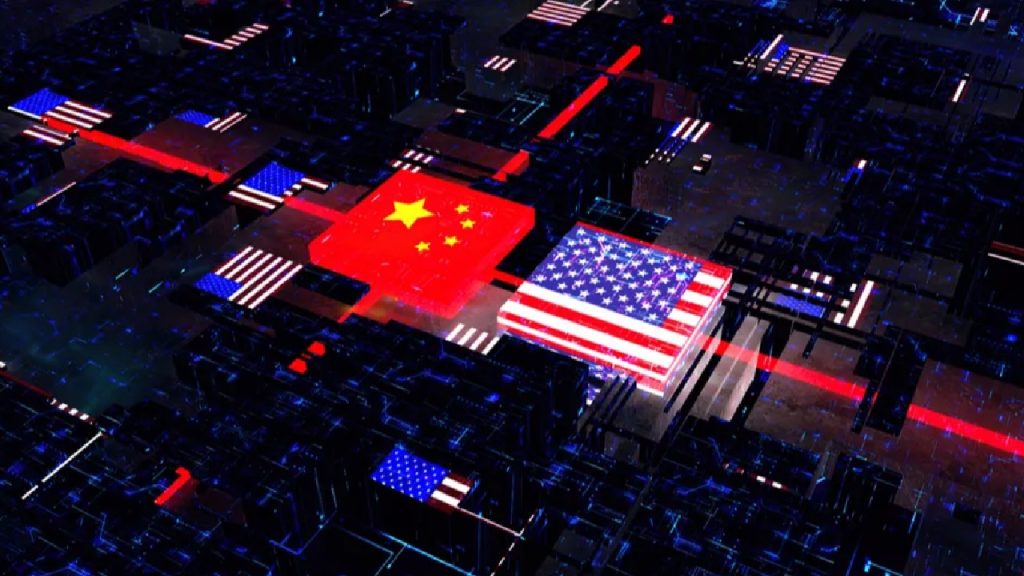
The competition between Washington and Beijing over nuclear fusion technology is a key aspect of 21st-century geopolitical rivalry, impacting not just energy policy but also artificial intelligence, military applications, and global economic power. China has invested at least $6.5 billion in fusion since 2023, significantly outpacing US funding. The urgency for both nations to develop commercial fusion power is intensified by increasing energy demands from AI infrastructure. China’s recent achievement of a 1,000-second plasma containment further challenges US dominance. The nation that first commercializes fusion will likely set industry standards and control supply chains, analogous to past competitions in solar panels and electric vehicles.
Policy Volatility Clouds 2026 Economic Outlook Despite Growth Optimism

Economic forecasts suggest modest expansion for the US in 2026, with Goldman Sachs estimating a 2.6% GDP growth driven by AI investment. However, ongoing policy uncertainty from the Trump administration may jeopardize these projections, leading to political disruptions influencing midterm election results. Current indicators are favorable for opposition messaging, as negative consumer sentiment persists and inflation remains a top concern. GDP growth for 2025 is projected at 2%, lower than Biden’s last two years, while unemployment has increased from 4% at Biden’s exit to 4.6% currently.
European Strategic Decline: Three Concurrent Crises Reshape Global Power Dynamics
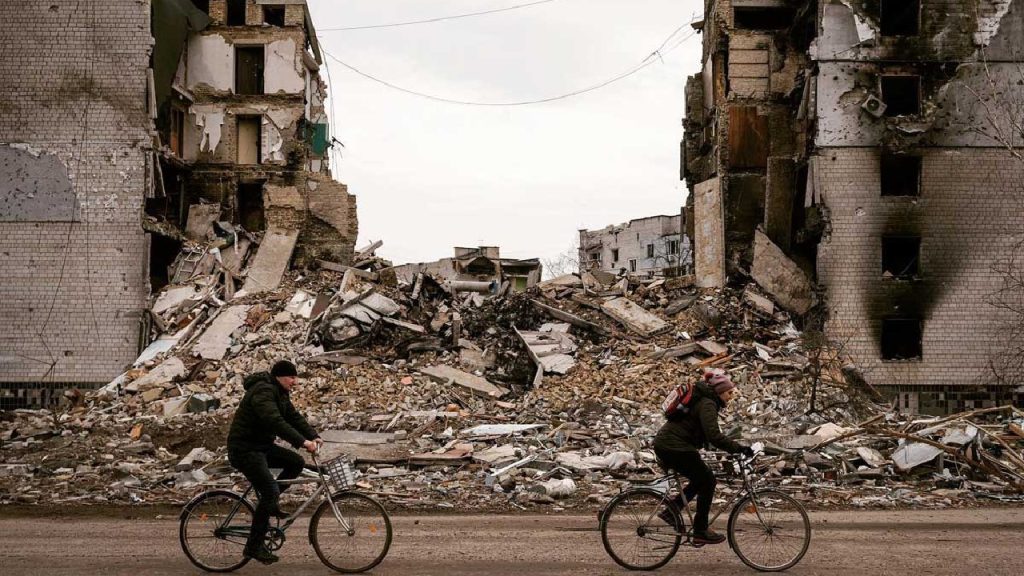
Three key geopolitical events in 2025 have shifted Europe’s role from an aspiring strategic player to a subordinate partner reliant on external powers. The military defeat in Ukraine, technological dependence on China, and economic capitulation to the United States expose deep structural vulnerabilities that years of integration did not resolve, resulting in Europe’s reduced influence amid increasing global competition.
Trump’s Cultural Momentum Collapses as Economic Reality Contradicts Electoral Narrative
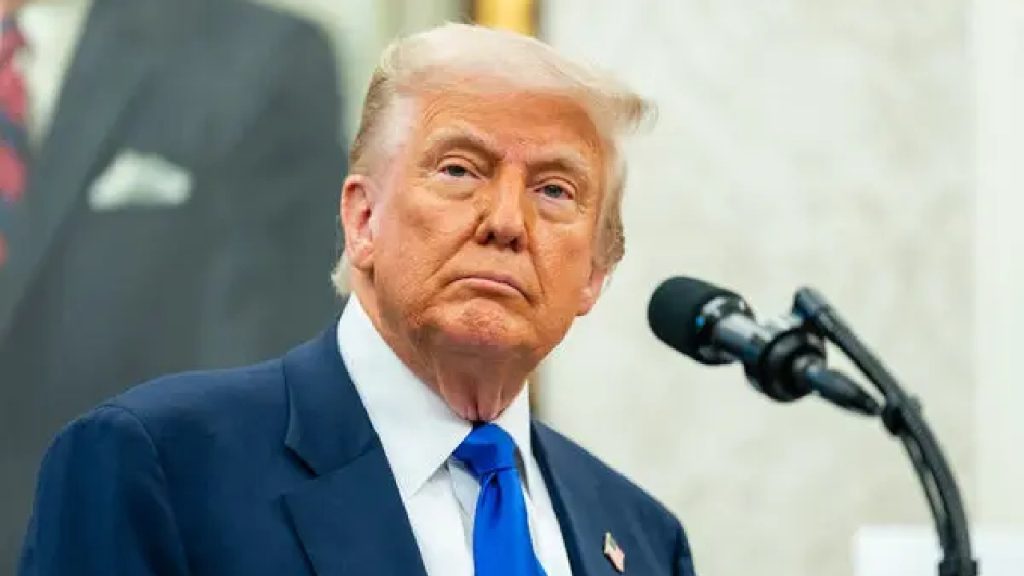
The post-2024 rise of “Trumpism” in corporate America has significantly waned within a year. As of December 21, Trump’s approval rating stands at 42.8%, with 54% disapproving, while his economic approval plummets to 36%, the lowest recorded. The Democratic Party’s success in the November 2025 gubernatorial races in New Jersey and Virginia by substantial margins highlights the disconnection between Republican actions and voter preferences, revealing a backlash against perceived overreach.
Trump Administration Systematically Dismantles Oversight While Claiming Historic Transparency
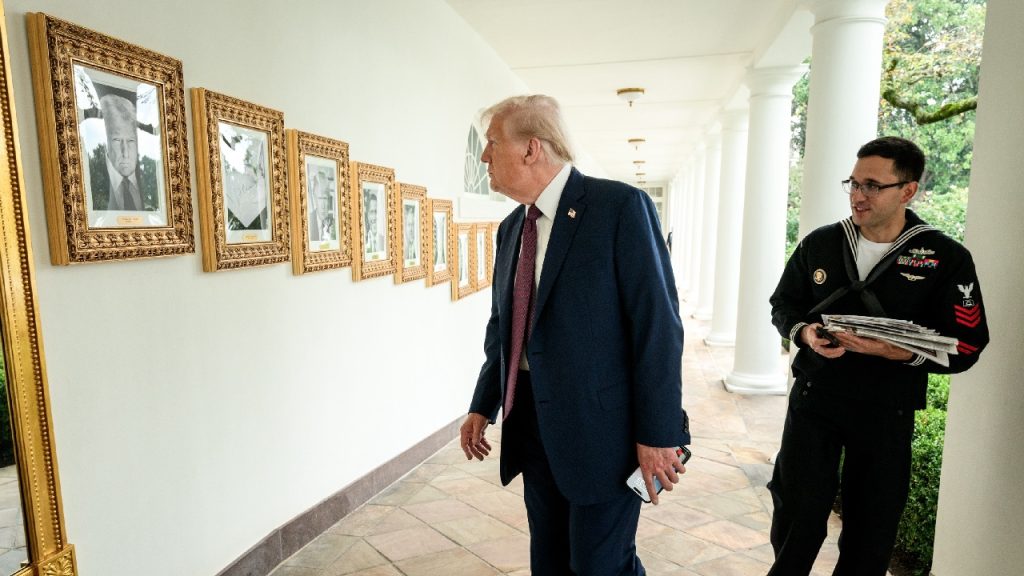
White House claims of being the most transparent and accessible administration are contradicted by actions that dismantle accountability, such as the dismissal of 17 inspectors general and leaving 75% of those positions vacant. Additionally, the defunding of the Council of Inspectors General and the imposition of media restrictions by the Pentagon have created an accountability vacuum, facilitating unchecked executive action.
Gaza “Ceasefire” Enables Continued Israeli Genocide Through Territorial Annexation
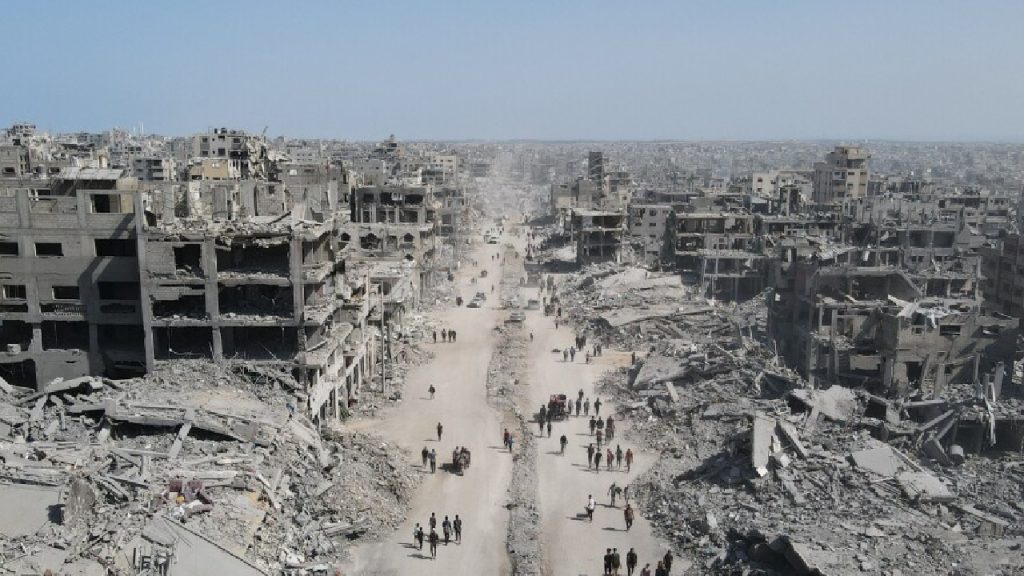
Israel’s October 10 ceasefire is viewed as a tactical adjustment rather than a move toward peace, as it continues systematic genocide through starvation, land seizure, and violence under the guise of humanitarian efforts. Since the ceasefire began, at least 401 Palestinians have been killed, including 67 children, revealing the deceptive narrative of peace as Israel strengthens its permanent occupation of 58% of Gaza.
Eurovision’s Israeli Participation Exposes Western Double Standards on Genocide

Five countries—Iceland, Ireland, Netherlands, Slovenia, and Spain—are boycotting Eurovision 2026 in protest of Israel’s participation, following UN reports of genocide in Gaza. This marks the largest withdrawal from the event since 1970, although 35 countries are still confirmed to participate, highlighting inconsistencies in Europe’s cultural sanctions against nations involved in mass atrocities.
China’s Strategic Positioning in Russian Far East: Economic Integration and Contingency Planning
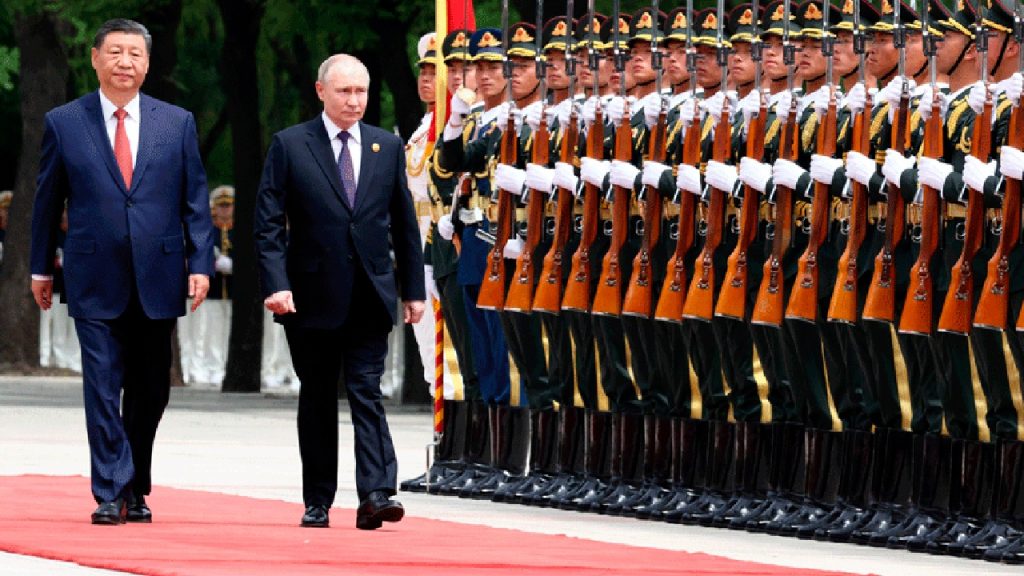
The Ukraine conflict has prompted a broader geopolitical realignment, notably through China’s economic integration with Russia’s Far East. This integration is accelerating due to Moscow’s vulnerabilities and supports Beijing’s long-term positioning, irrespective of Russia’s political stability.