
Libya Crash Near Ankara: Turkey Security Guarantees Questioned Amid Sabotage Speculation
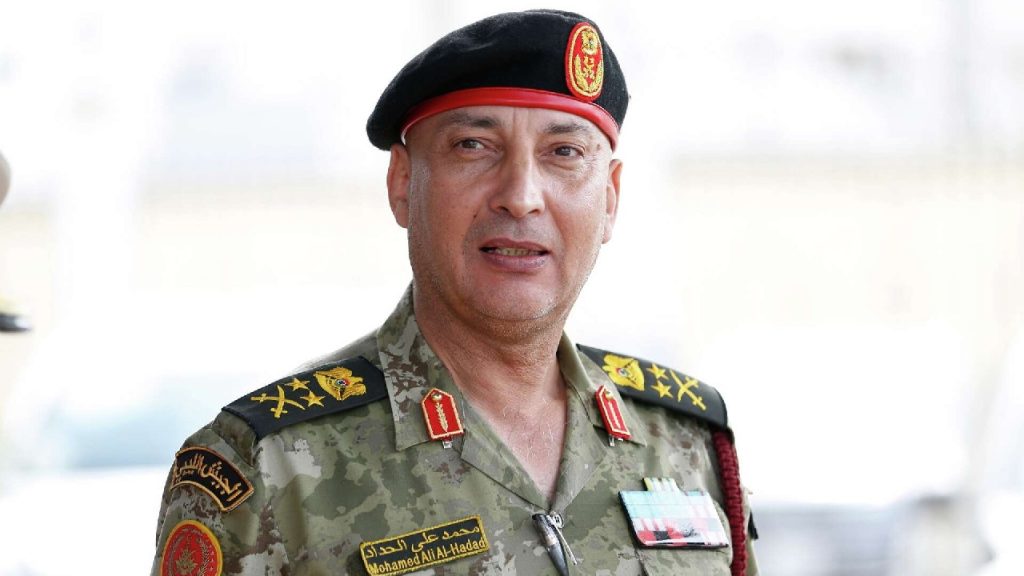
The suspicious crash of a Libyan military jet near Ankara has killed Chief of Staff Mohammed Al-Haddad, sparking fears of Russian sabotage. Turkey’s decision to send black boxes to a “neutral country” highlights its strategic fragility, leaving western Libya in a power vacuum and threatening the Turkey-Tripoli alliance.
China-Venezuela Relations: Rhetorical Support Versus Strategic Commitment Constraints
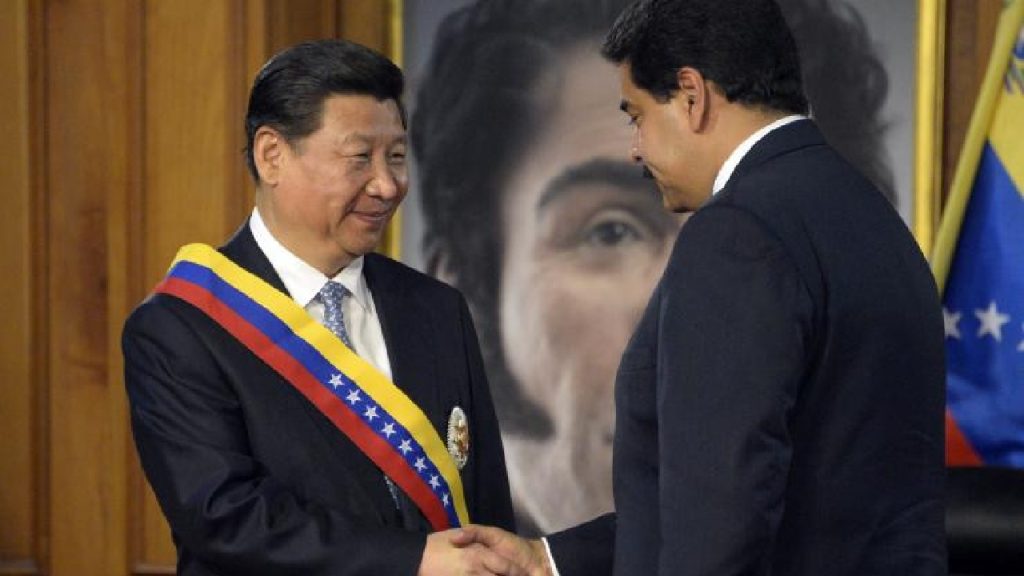
As the Trump administration revives the Monroe Doctrine to pressure Caracas, Beijing’s influence in Latin America faces a critical test. Despite condemning U.S. “bullying,” China’s response remains purely symbolic, revealing its unwillingness to militarily defend Venezuela and highlighting the stark reality of American hegemony in the Western Hemisphere.
Russia Nuclear Modernization: Coercive Deterrence and Strategic Messaging
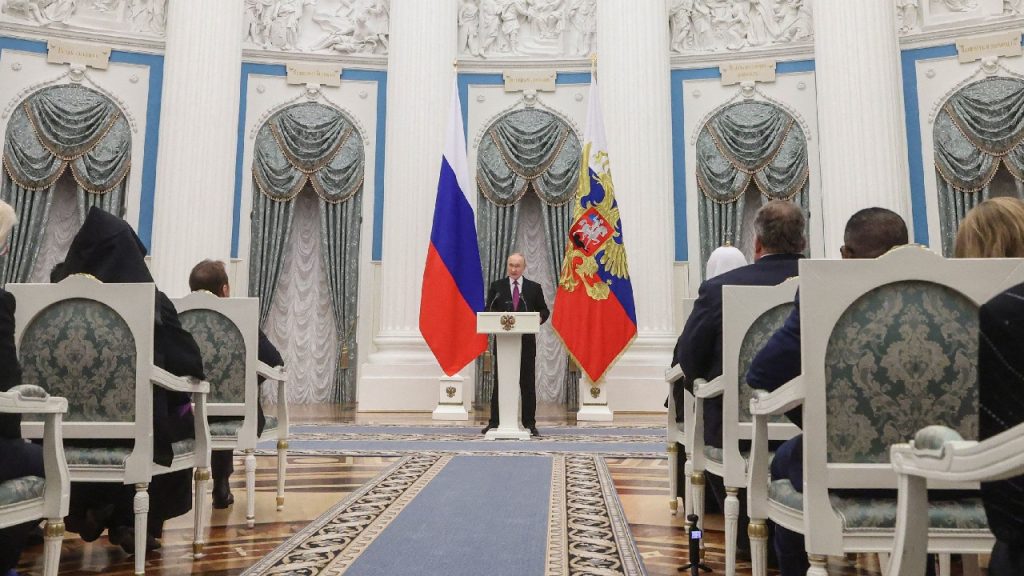
In a December 2025 address, Vladimir Putin declared Russia’s nuclear forces “92% modernized,” showcasing high-tech weapons like the Oreshnik, Burevestnik, and Poseidon. With the New START treaty nearing expiration and Oreshnik missiles now deployed in Belarus, Moscow is leveraging strategic uncertainty and doomsday capabilities to deter Western interference and gain diplomatic advantage in Ukraine.
Sudan Genocide: Humanitarian Catastrophe Dwarfs Gaza Crisis in Scale and Media Neglect
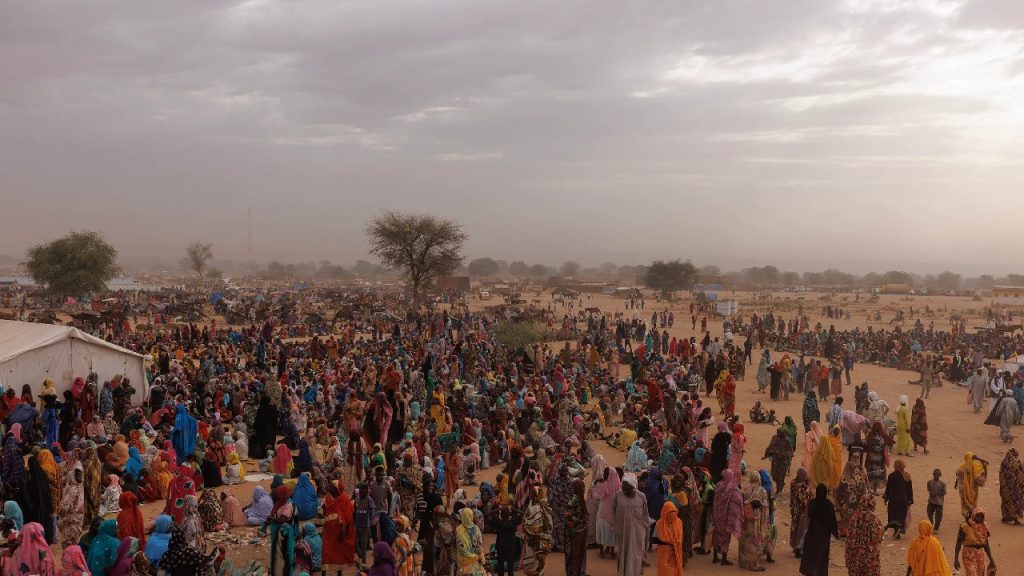
Sudan faces the world’s most severe humanitarian crisis, with 21.2 million people suffering from acute food insecurity and 12 million displaced. Despite confirming famine and widespread atrocities by the Rapid Support Forces (RSF), the conflict remains largely neglected by U.S. media. Drastic 2025 U.S. aid cuts and foreign arms supplies continue to fuel the devastation, leaving millions at risk of starvation and death.
Trump Fentanyl WMD Designation: Drug War Militarization Echoes Iraq War Precedent

President Trump has officially designated fentanyl a “Weapon of Mass Destruction,” equating cartels with terrorists to justify extrajudicial military strikes. Mirroring the Iraq War’s rhetoric, this strategy bypasses Congress and international coalitions, raising fears of domestic military deployment and imminent regime change efforts in Venezuela.
Trump’s Iraq Strategy: Unconventional Envoy Appointment Signals Transactional Diplomacy Shift
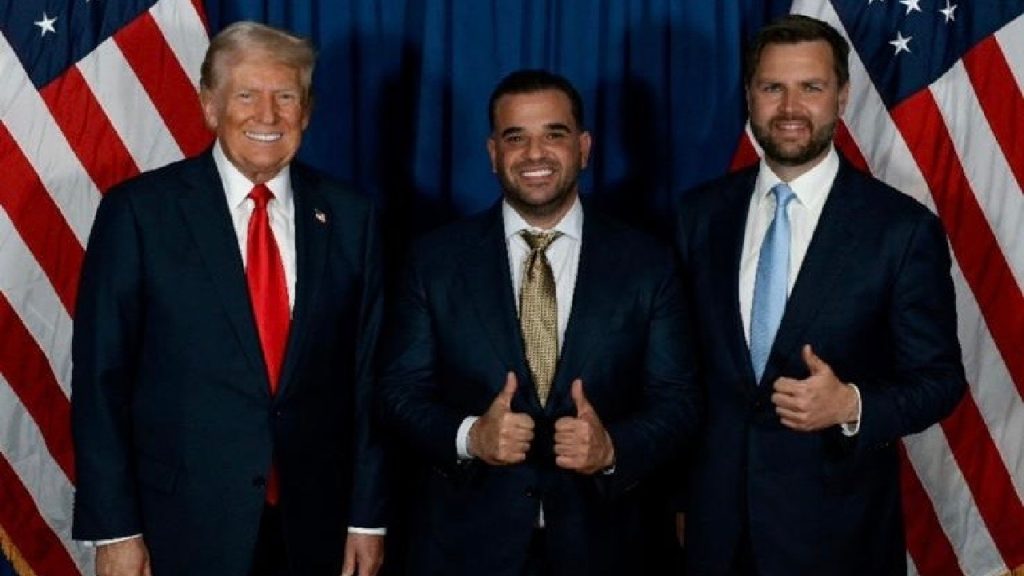
In a major shift toward “business-oriented diplomacy,” President Trump has appointed Detroit entrepreneur Mark Savaya as the U.S. Special Envoy to Iraq. A Chaldean-American with deep regional ties but no traditional diplomatic background, Savaya is tasked with stabilizing Iraq’s economy and curbing Iranian influence. His mission—focused on disarming militias and opening Iraqi oil and energy markets—signals a pragmatic, deal-driven era for U.S.-Iraq relations that prioritizes economic sovereignty over conventional foreign policy.
Sudan’s Humanitarian Catastrophe: Global Indifference to the World’s Largest Crisis
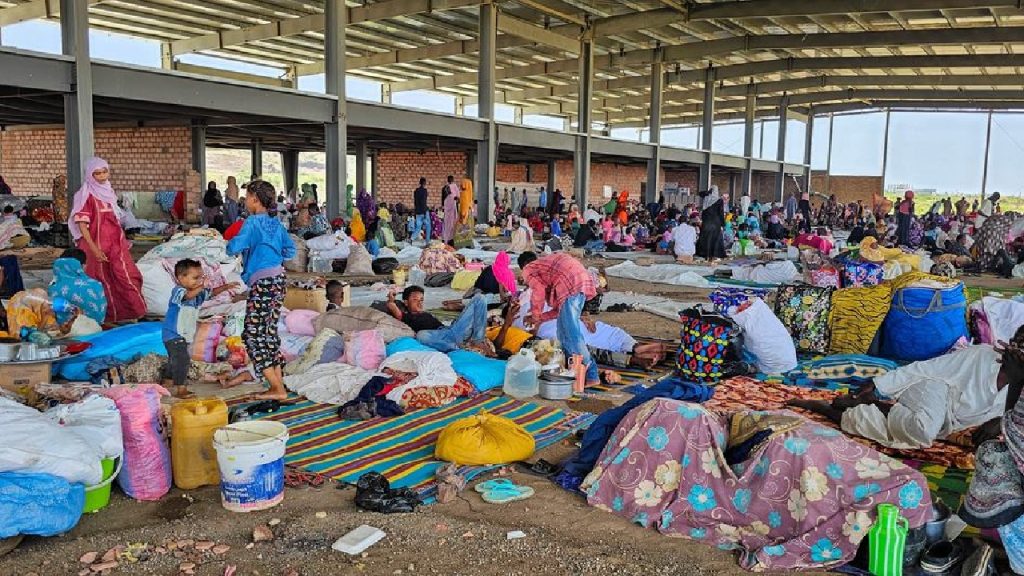
With 25 million people facing extreme hunger and 14 million displaced, Sudan’s civil conflict has escalated into a genocide largely ignored by the global spotlight. As the Trump administration’s 2025 aid cuts and foreign military interventions fuel the fire between warring factions, the collapse of Sudan’s democratic transition has left half the population in famine conditions, desperate for a diplomatic breakthrough that remains out of reach.
Revisionist Zionism’s Iron Wall Doctrine: Ideological Foundations of Netanyahu’s Strategy

Vladimir Jabotinsky’s “Iron Wall” essay remains the cornerstone of Revisionist Zionism, arguing that regional peace can only be achieved through an unbreachable military presence. From its early ideological ties with nationalist movements to Benjamin Netanyahu’s current hardline policies, this doctrine prioritizes military dominance and settlement expansion over negotiated compromise, framing the Israel-Arab conflict as a perpetual struggle for security and sovereignty.
Indo-Pacific Strategic Geography Challenges US Extended Deterrence Framework
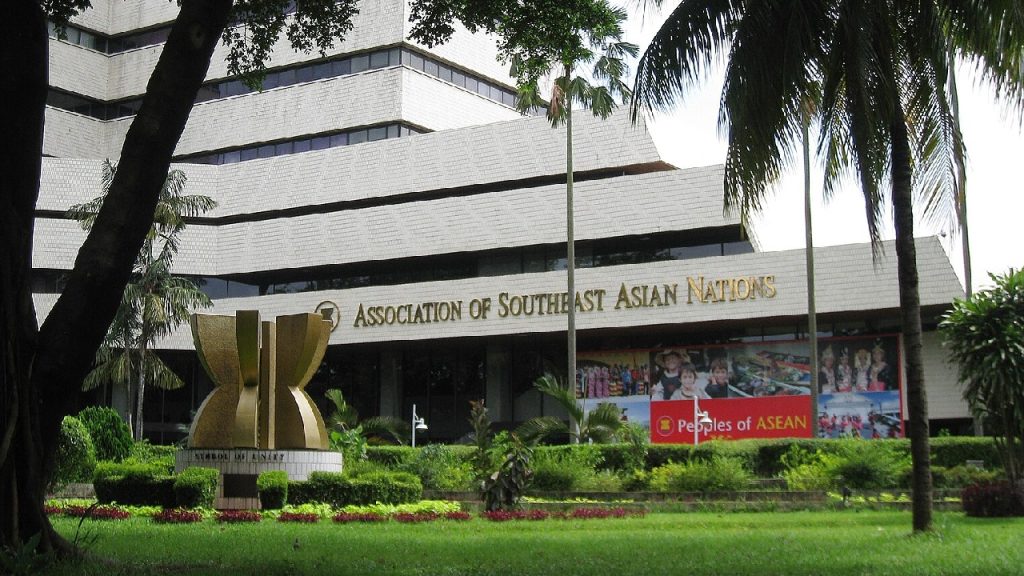
The Indo-Pacific has replaced the Cold War-era European theater as the primary arena for American strategic competition, presenting unique geographic and military challenges. As China targets 2027 for regional dominance and control over Taiwan, the U.S. is rapidly adapting its alliance structures with Japan, Australia, and the Philippines to counter advanced missile threats and navigate a complex new era of nuclear deterrence.
CBS CECOT Segment Cancellation: Editorial Independence and Political Pressure Convergence
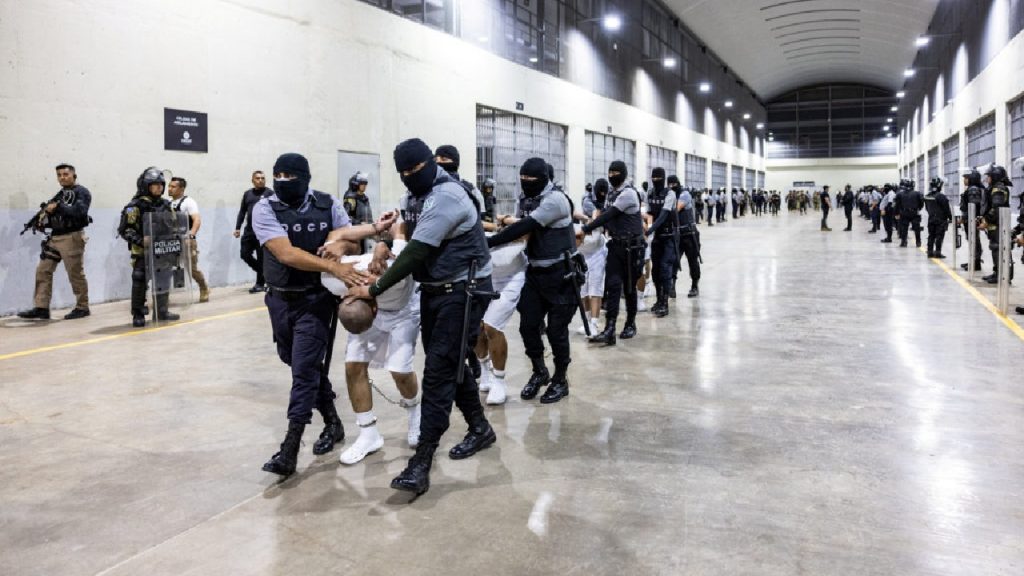
The last-minute cancellation of a “60 Minutes” report on torture at El Salvador’s CECOT prison has ignited a firestorm over editorial independence and political interference at CBS News. While Editor-in-Chief Bari Weiss cites a lack of new information, correspondent Sharyn Alfonsi and critics label the move as corporate censorship, raising urgent questions about media integrity and government influence in the wake of the Trump administration’s aggressive immigration policies.
UK Intifada Chant Arrests: Free Speech Tensions and Anti-Palestinian Discrimination Concerns
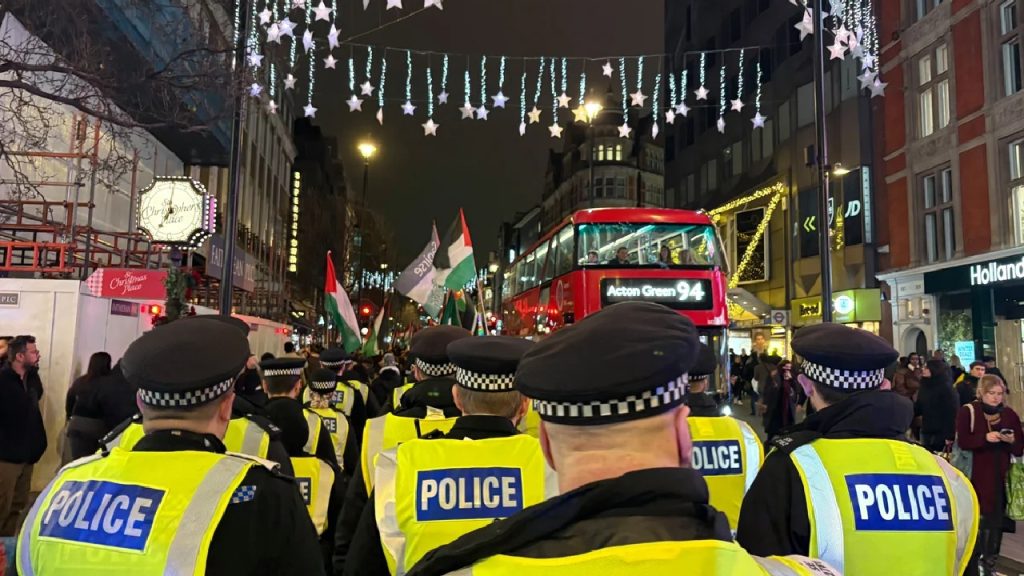
The December 2025 decision by UK police to arrest protesters for chanting “globalise the intifada” has ignited a fierce debate over democratic erosion and selective enforcement. While authorities cite security concerns following recent global tensions, legal experts and activists warn that criminalizing political speech without evidence of violence constitutes institutionalized bias, threatening the fundamental right to peaceful mobilization and free expression.
Trump White House Ballroom: Regulatory Bypass and Architectural Symbolism
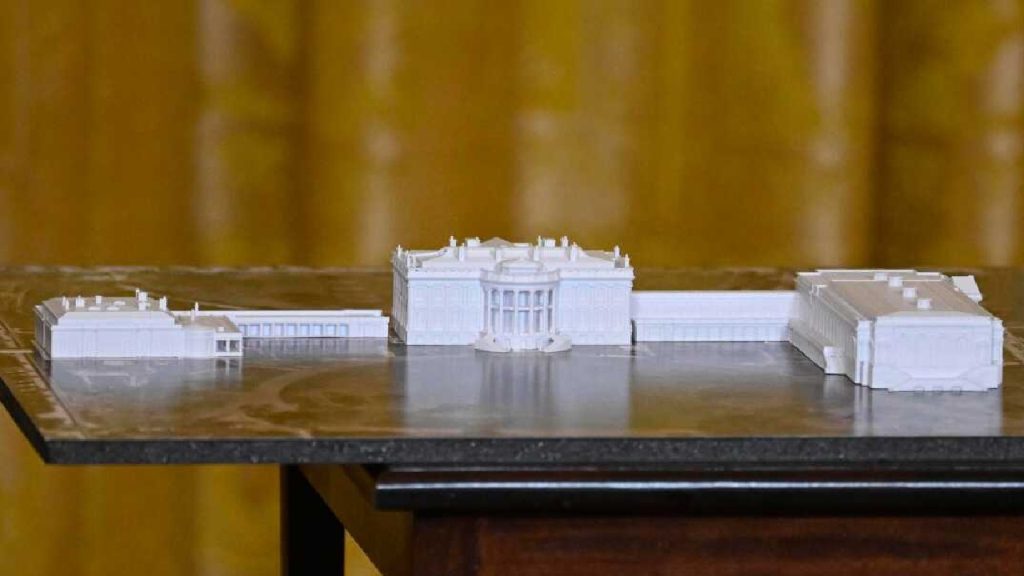
The construction of a massive 90,000-square-foot ballroom at the White House has sparked a fierce debate over transparency and national heritage. By bypassing standard regulatory reviews and the National Historic Preservation Act, the project faces intense criticism from historians who argue that the “grandiose” design sacrifices the modest historical integrity of the East Wing for personal ambition.