
Machine-Generated Misinformation and Nuclear Security: Artificial Intelligence Risks in Early Warning Systems
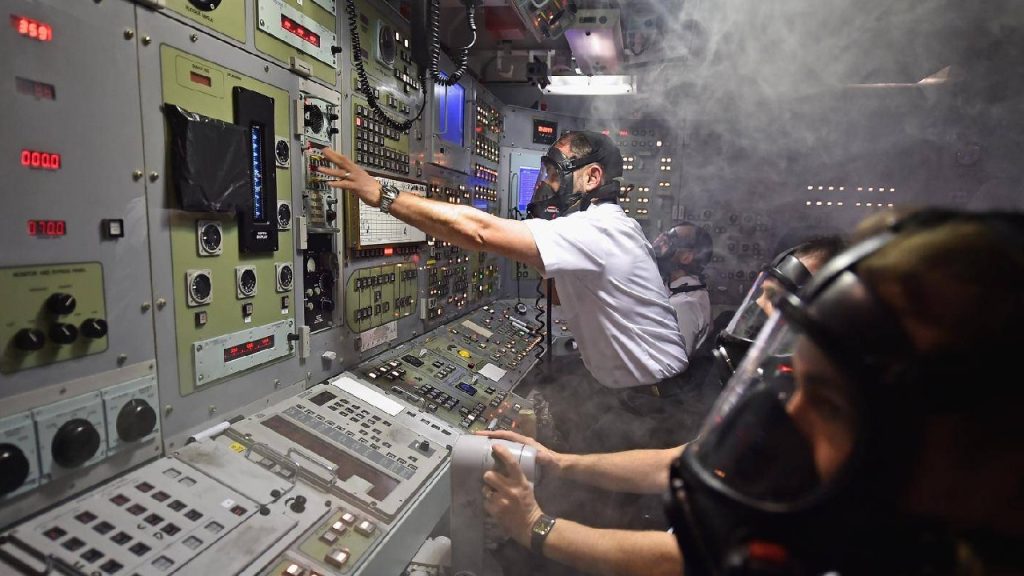
AI integration in nuclear early warning systems creates catastrophic risks by generating high-fidelity “hallucinations” and deepfakes that could trigger accidental escalation. To ensure strategic stability, nuclear powers must maintain strict “human-in-the-loop” protocols, improve deepfake detection, and prioritize information accuracy over launch speed in crisis decision-making.
Trump’s Transactional Approach: Negotiating an End to the Ukraine War
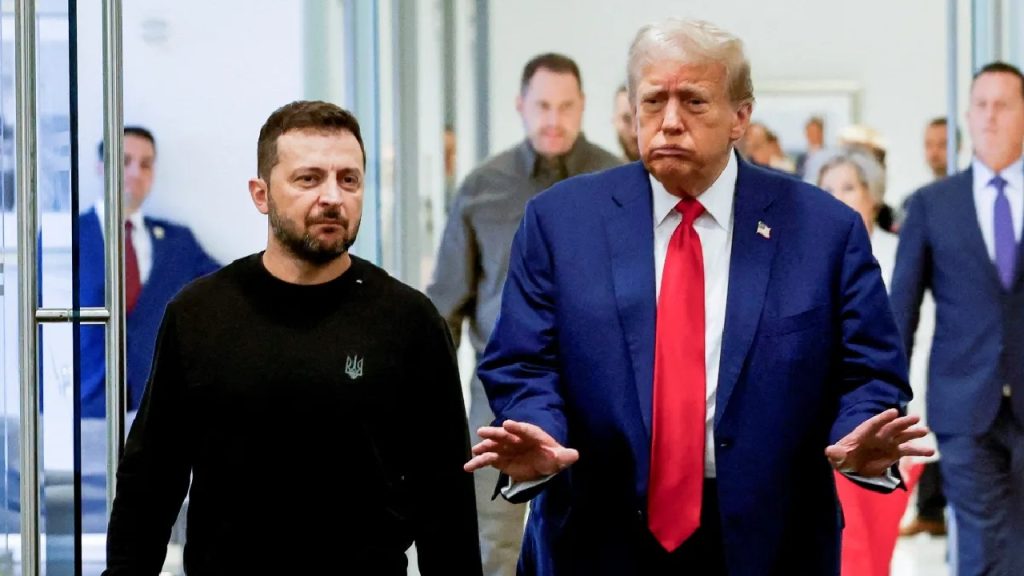
Trump’s 2025 peace push centers on a transactional deal trading Ukrainian NATO aspirations for long-term U.S. security guarantees. The framework involves potential territorial concessions in Donbas and a national referendum, shifting away from previous demands for full Russian withdrawal to prioritize a rapid, comprehensive end to the war.
Transatlantic Relations Strain: Why Europe Must Assert Strategic Autonomy Against Washington
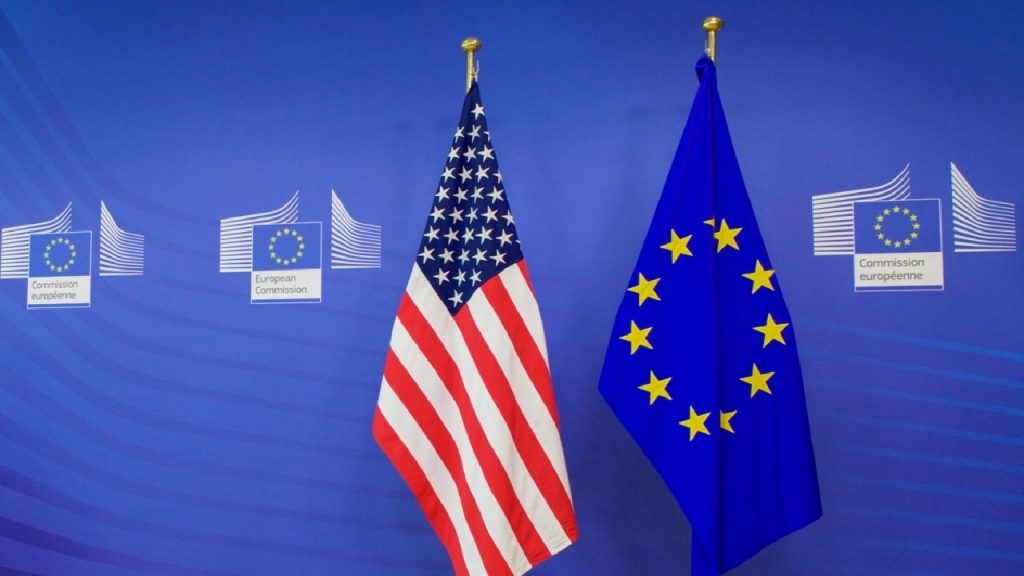
As transatlantic relations hit a breaking point in 2025, Europe faces a critical crossroads. From aggressive trade tariffs to diplomatic provocations regarding Greenland and travel bans on EU officials, Washington’s actions demand a shift toward strategic autonomy. Europe must now move beyond restraint to implement effective deterrence against its historic ally.
Strategic Competition in the Horn of Africa: Regional Implications of Israeli Recognition of Somaliland

Israel’s landmark recognition of Somaliland in 2025 has ignited a geopolitical firestorm in the Horn of Africa. This strategic move directly challenges Turkey’s massive regional investments and energy projects, turning the Red Sea corridor into a high-stakes arena for great power competition and maritime control.
Navigating Rivalry: How India Manages Its Complex Relationship with China
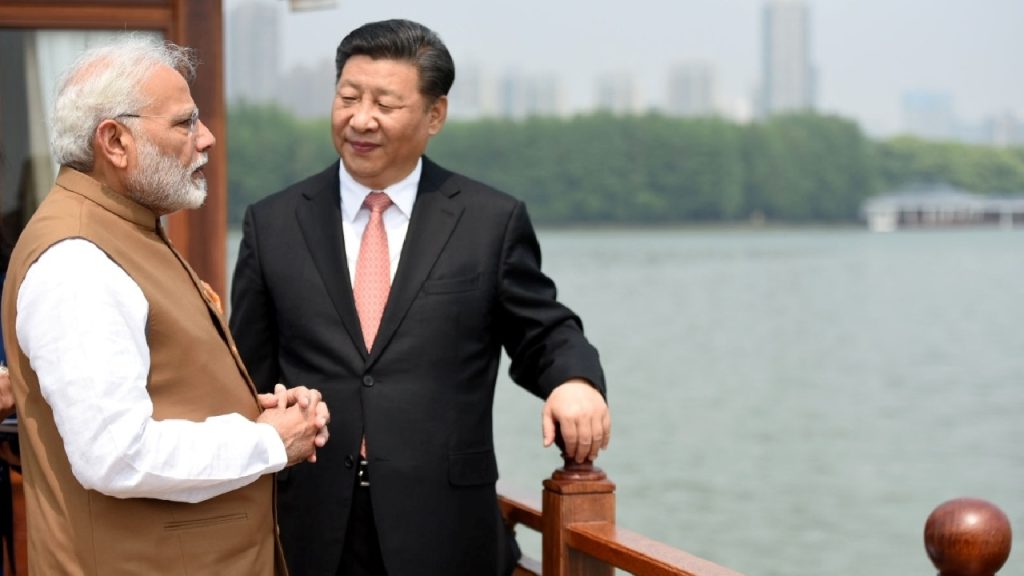
As of late 2025, India’s relationship with China has evolved into a “managed rivalry.” Following the historic October 2024 border patrol agreement, both nations have completed initial troop disengagements at friction points like Depsang and Demchok. However, this tactical thaw has not resolved the underlying paradox: a hardened military standoff alongside a record-breaking trade deficit.
Expanding Orbital Influence: China’s Strategic Space Partnerships in the Middle East and North Africa
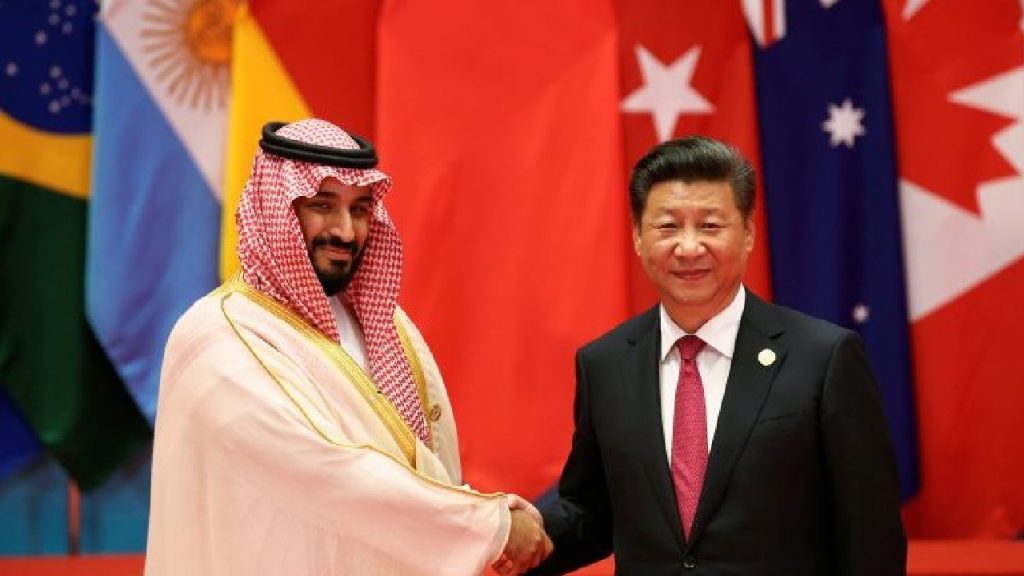
China has transitioned from a traditional infrastructure builder to a primary provider of high-tech space solutions for the Middle East and North Africa (MENA). By offering launch services, satellite manufacturing, and the BeiDou navigation system, Beijing is establishing a “Space Silk Road” that challenges Western technological dominance while enabling regional powers to achieve “strategic autonomy.”
Trump’s Venezuela Strategy: A Comprehensive Analysis of Military Escalation, Legal Questions, and Policy Alternatives
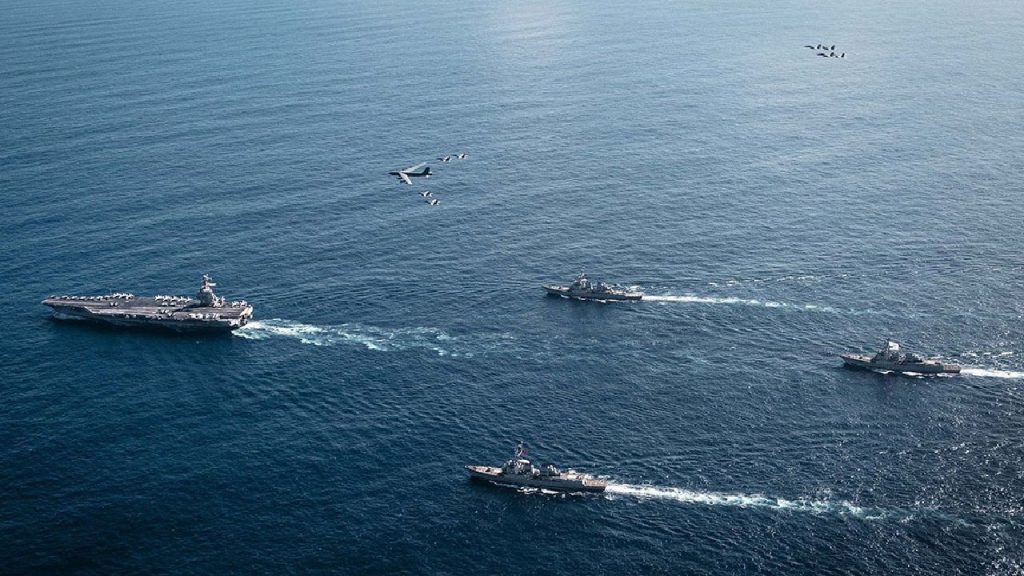
Trump’s “Operation Southern Spear” leverages a fentanyl WMD designation to bypass Congress, launching military strikes and an oil blockade against Venezuela.
Evolving Diplomatic Dynamics: European-Israeli Relations Under Pressure
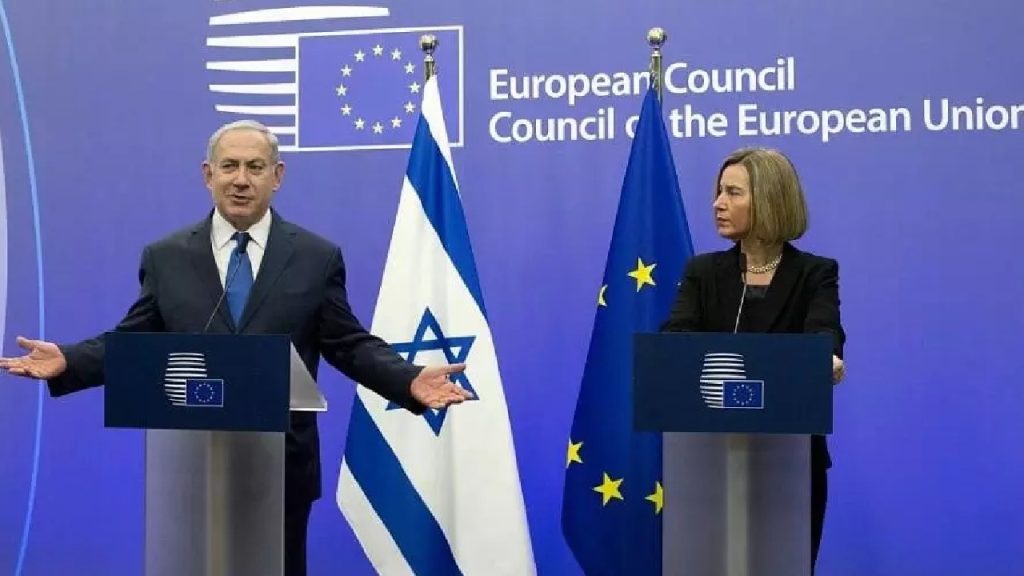
Rising tensions over Gaza and West Bank settlements have forced a reassessment of the EU-Israel Association Agreement. While Spain, Ireland, and Norway’s recognition of Palestine marks a diplomatic rift, the EU remains Israel’s largest trading partner. Future cooperation faces a deadlock between legal obligations to the ICJ and internal opposition from pro-Israel members like Germany and Hungary.
Trump Epstein Files: DOJ Documents Contradict Presidential Claims on Flight Logs
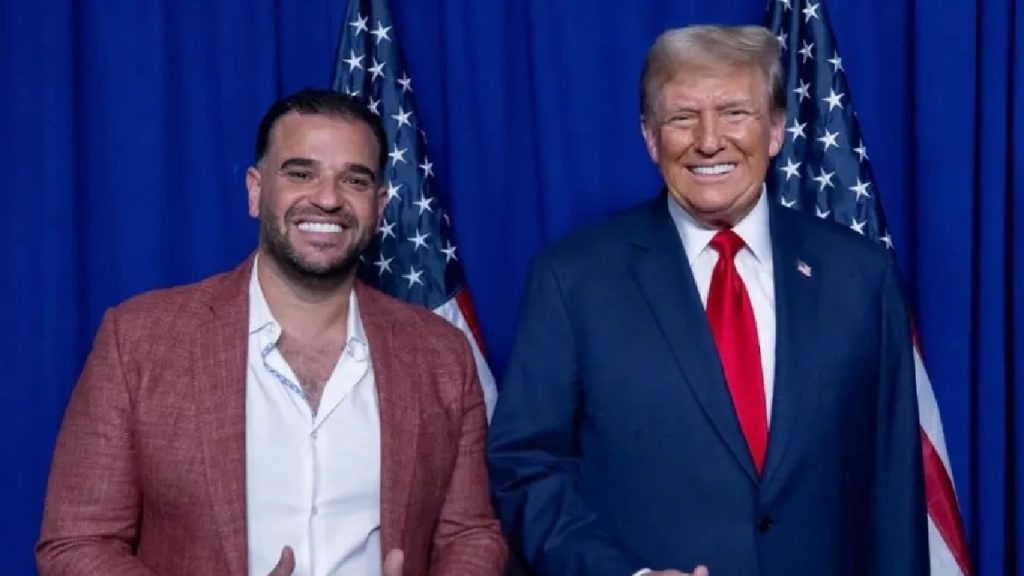
In a major shift toward “business-oriented diplomacy,” President Trump has appointed Detroit entrepreneur Mark Savaya as the U.S. Special Envoy to Iraq. A Chaldean-American with deep regional ties but no traditional diplomatic background, Savaya is tasked with stabilizing Iraq’s economy and curbing Iranian influence. His mission—focused on disarming militias and opening Iraqi oil and energy markets—signals a pragmatic, deal-driven era for U.S.-Iraq relations that prioritizes economic sovereignty over conventional foreign policy.
Trump North Korea Engagement: Denuclearization Abandonment Risks Nuclear Proliferation Cascade
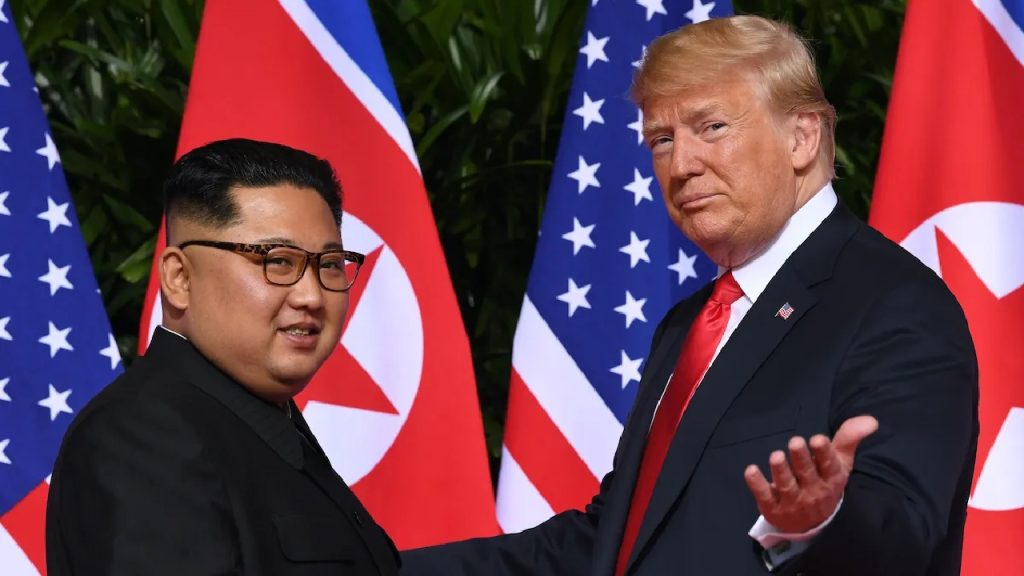
President Trump’s 2025 push to resume direct talks with Kim Jong Un has sparked fears of abandoning long-standing denuclearization goals. As Kim gains stature alongside Xi and Putin, critics warn that legitimizing a nuclear North Korea could trigger a proliferation cascade, undermining decades of U.S. strategy for a Nobel Peace Prize.
Trump Middle East Policy 2025: Gaza Ceasefire Implementation and Regional Ambitions
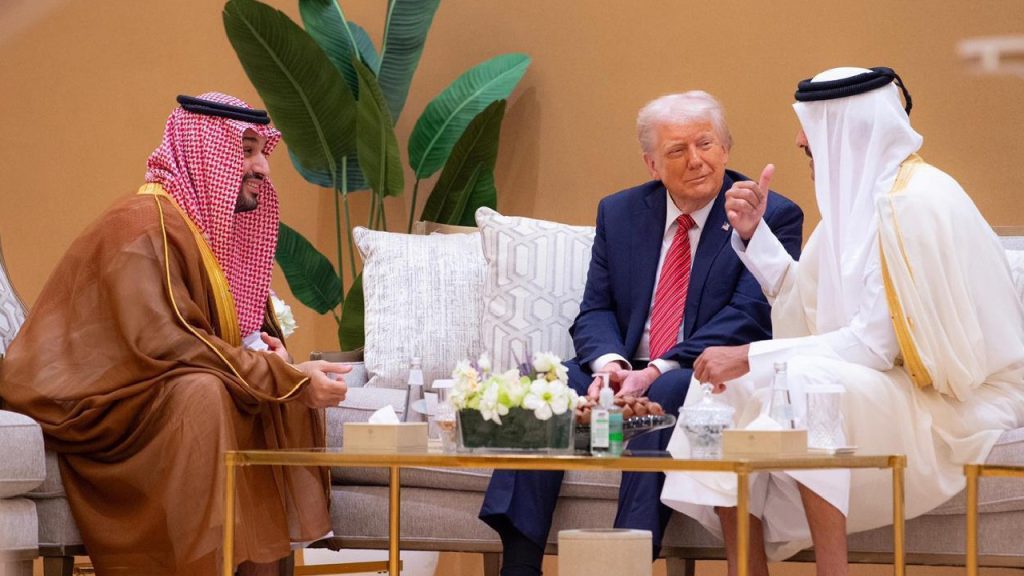
President Trump’s 2025 return has reshaped the Middle East through a fragile Gaza ceasefire and “maximum pressure” on Iran, including strikes on nuclear sites. While normalization with Saudi Arabia remains stalled over Palestinian statehood, Trump has pivoted toward Syria, lifting sanctions to back its new leadership.
Saudi-UAE Regional Competition: Economic Hub Rivalry and Political Divergence Risk Gulf Stability
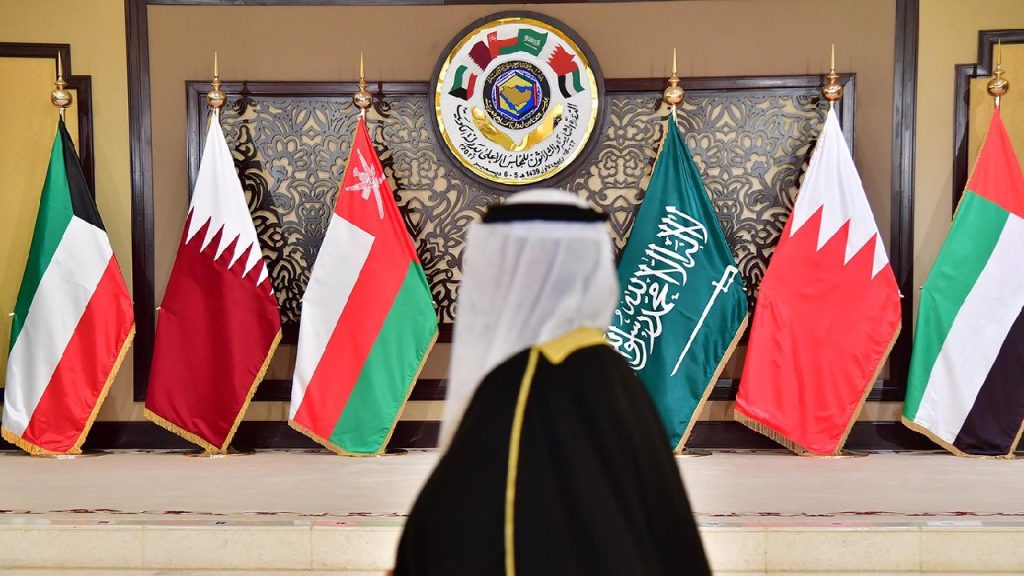
The competition between Riyadh and Abu Dhabi has shifted from healthy rivalry to a high-stakes struggle for regional gravity. As Saudi Arabia lures 675 global headquarters with tax incentives, it directly challenges the UAE’s hub model. This economic friction, mirrored in political clashes over Sudan and Yemen, threatens to destabilize Gulf integration and overall regional security.