
Restraint Foreign Policy in 2025: Five Successes and Five Failures
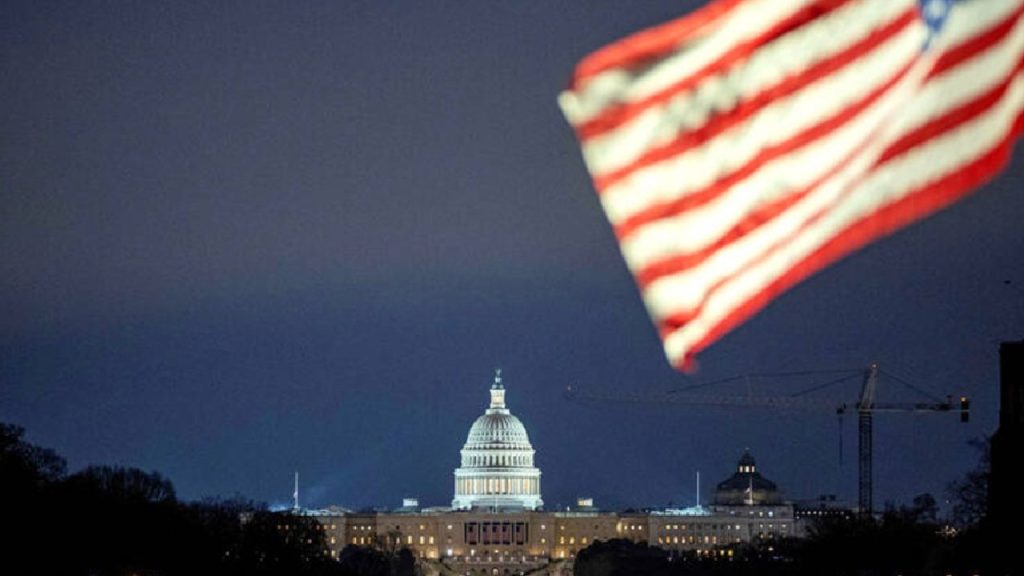
In 2025, the “America First” foreign policy yielded a contradictory scorecard of five successes and five failures. While the administration successfully pivoted toward a more realistic National Security Strategy and engaged in pragmatic diplomacy with Russia, Belarus, and the Houthis, it simultaneously stumbled into escalatory patterns in Iran, Venezuela, and Syria.
Europe’s Real Existential Crisis: Technological Backwardness, Not Immigration
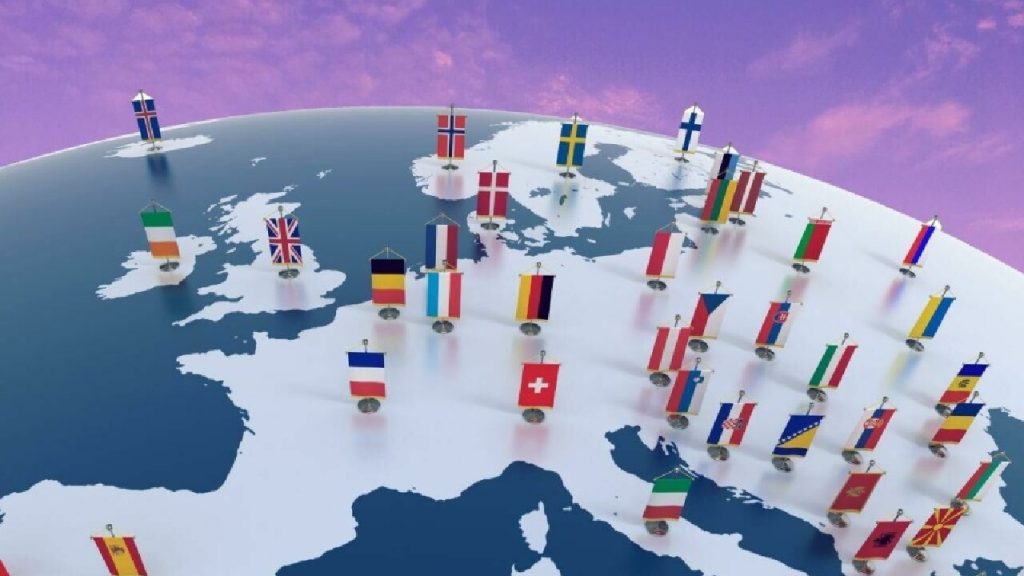
Europe faces a severe existential crisis driven by technological and economic stagnation. Since 2008, the EU’s GDP per capita has plummeted from 76.5% to just 50% of US levels. With fragmented regulations and minimal venture capital, Europe risks irreversible decline unless it prioritizes structural innovation over cultural politics.
Palestinian Citizens Confront Existential Political Challenges Amid Violence and Discrimination
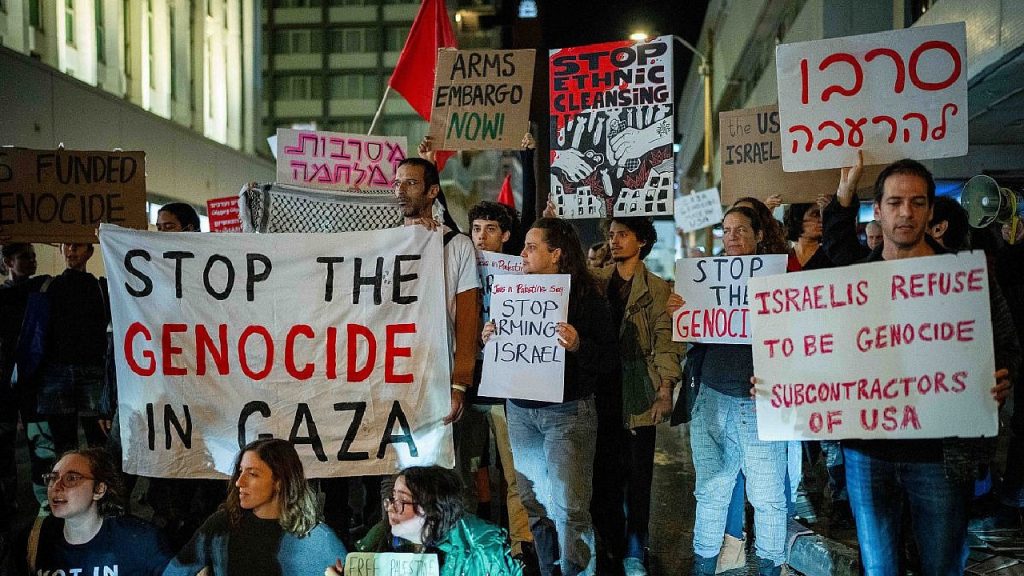
In 2025, Palestinian citizens of Israel faced a historic turning point marked by systemic exclusion and record-breaking violence. As the Gaza conflict entered its second year, the Israeli state intensified structural shifts that transformed Palestinian citizens from a marginalized minority into a population facing existential political challenges.
Multilateralism Survives Despite Rising Disorder
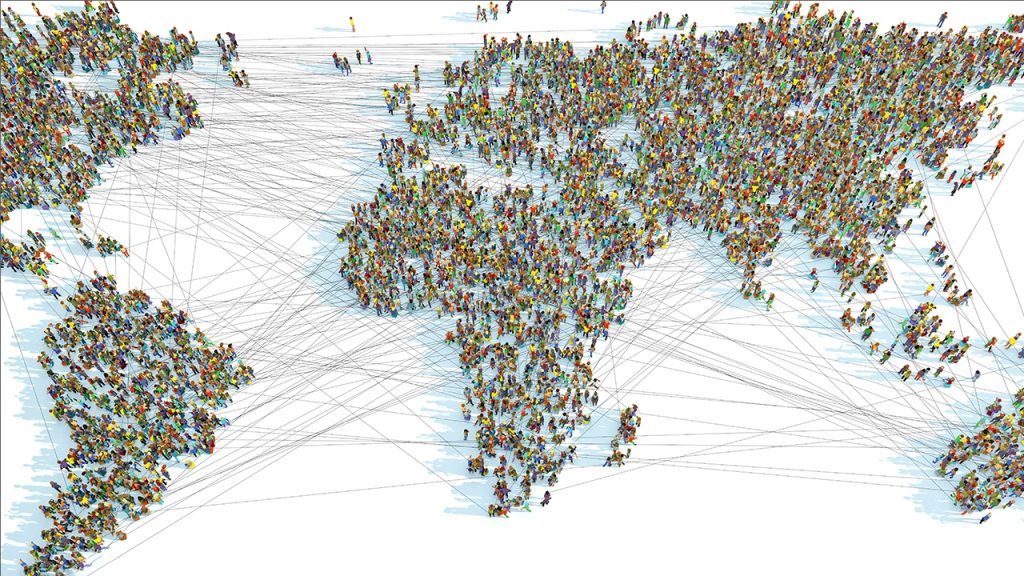
Despite rising nationalism, a 2025 global survey reveals that 84% of people still favor international cooperation over isolation. While trust in major world powers has dwindled, most citizens view multilateralism as a practical necessity for addressing shared threats like food insecurity, climate change, and pandemics through enlightened self-interest.
Moscow Could Benefit More Than Lose from Washington’s Venezuela Escalation
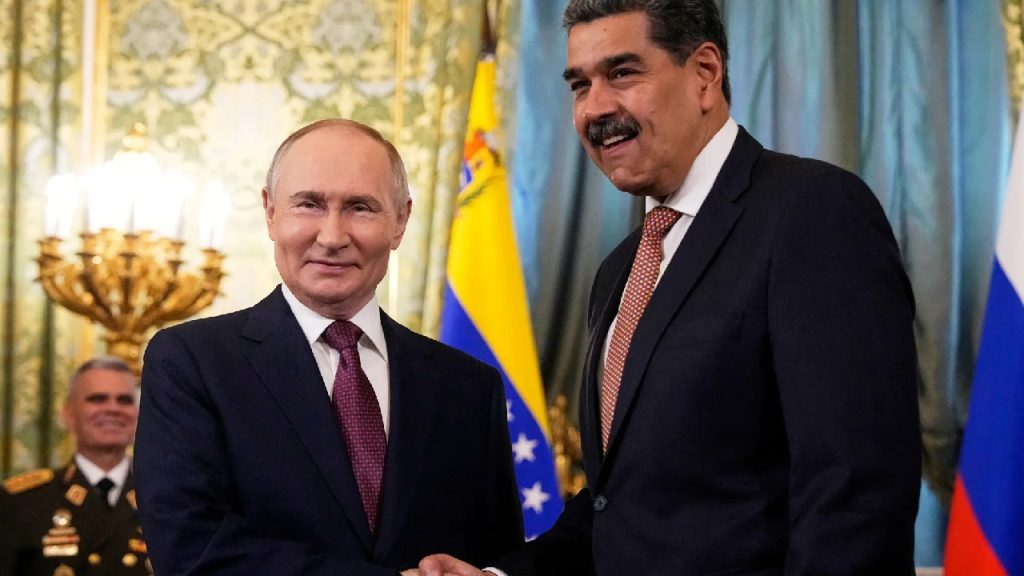
Russia views the U.S. escalation in Venezuela as a strategic opportunity to finalize a “global bargain” on Ukraine. By equating American intervention in its “backyard” with Russian actions in Eurasia, the Kremlin aims to secure a transactional peace that formalizes its influence over the ex-Soviet neighborhood.
Israeli Prime Minister’s Mar-a-Lago Meeting Reveals Weakening Strategic Position
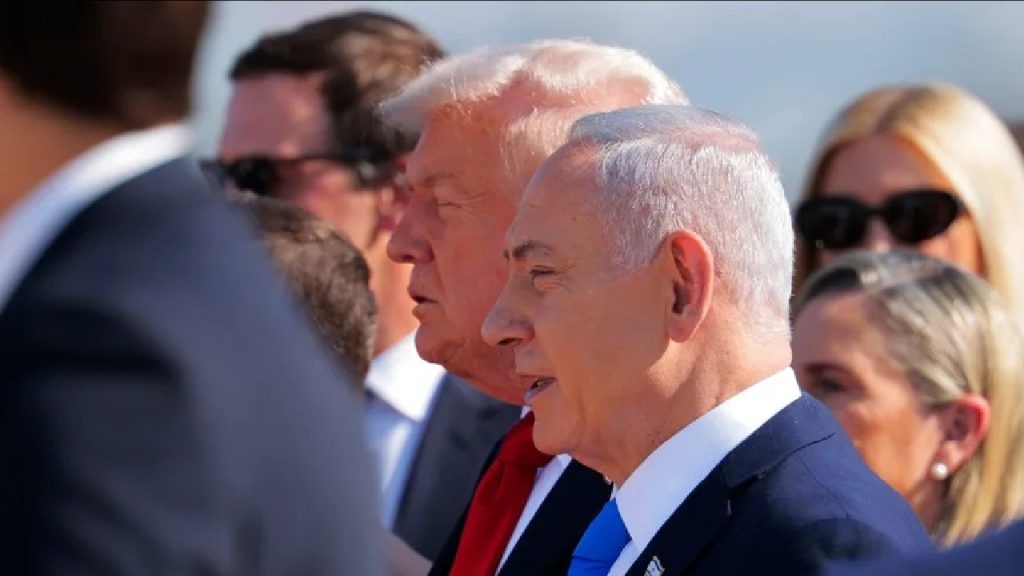
The Mar-a-Lago meeting between Donald Trump and Benjamin Netanyahu revealed a deepening power imbalance, with Trump prioritizing his own “Peace Blueprint” over Israeli strategic demands. While Netanyahu failed to secure a green light for Iran strikes or block Turkish involvement in Gaza, he signaled submission by awarding Trump the 2026 Israel Prize.
Gaza Journalist Chronicles Year of Displacement, Return, Starvation and Survival

A Palestinian journalist chronicles a harrowing 2025 in Gaza, marked by a brief, emotional return to the north followed by a reimposed siege and systemic starvation. The narrative weaves personal survival with historical echoes of 1948, framing the act of documenting Gaza’s “compressed lifetimes” as a final form of resistance.
Digital Triggers for Nuclear Response: Cyber Warfare’s Escalation Risk

As cyberattacks increasingly target critical infrastructure and nuclear command systems, the risk of “accidental” nuclear escalation has reached a historic peak. Strategists are now debating whether to explicitly classify massive digital offensives as triggers for a nuclear response to restore deterrence in the “gray zone” of modern warfare.
Can the US Dollar Maintain Supremacy in the Digital Currency Era?

The global financial system is at a critical juncture as digital currencies redefine international monetary flows. To maintain dollar supremacy, Washington must transition from traditional banking models to advanced digital infrastructure, ensuring the greenback remains the primary rail for global trade amidst rising competition from China’s digital yuan.
Africa’s Future: Disorder as Opportunity or Pathway to Decline?

Africa enters 2026 facing an unprecedented security crisis, with conflict affecting more nations than at any time in two decades. From the fall of Goma in the DRC to the “famine engine” in Sudan and military juntas in the Sahel, the continent’s future hinges on transforming this global disorder into strategic autonomy.
Pacific-Centered Strategy: Trump’s National Security Approach Redefines Global Competition
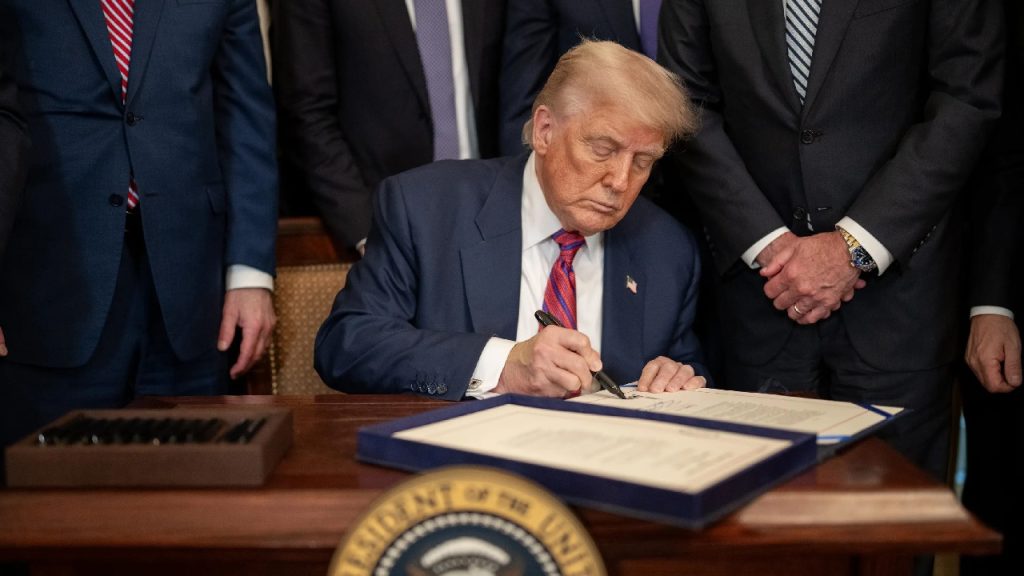
Trump’s 2025 National Security Strategy prioritizes economic competition over ideological warfare, reframing China as a commercial rival rather than a systemic threat. By reviving the Monroe Doctrine and demanding allies triple defense spending, the administration seeks “low-cost hegemony” while shifting America’s strategic center of gravity toward the Pacific Rim.
Middle Eastern Energy Politics: Transition as Power Redistribution Rather Than Technical Evolution

Middle Eastern energy transition is not a mere technical shift but a fundamental geopolitical power redistribution. While regional players like Saudi Arabia and Qatar invest in renewables, they simultaneously leverage hydrocarbons to assert autonomous diplomacy, navigating a multipolar world where energy remains a primary instrument of strategic influence and state survival.