
Ukraine’s Defense Innovations Present Critical Lessons for Taiwan’s Security Strategy
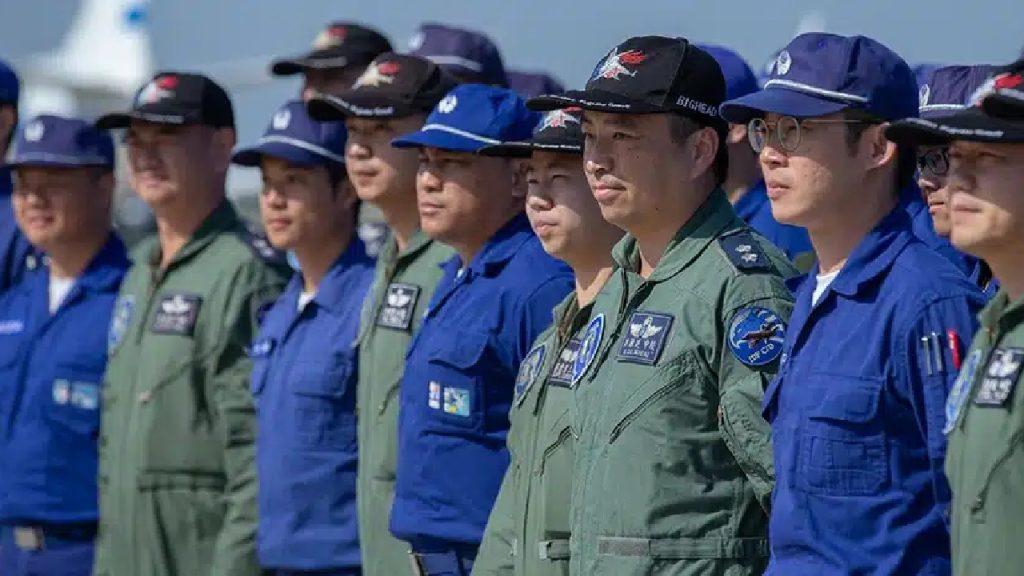
In January 2026, the security of Taiwan is being redefined by “battlefield truths” exported from Ukraine. As Taipei faces intensifying pressure from Beijing—most recently via the “Justice Mission 2025” drills—it has fundamentally pivoted its defense strategy toward asymmetric “porcupine” warfare, prioritizing millions of low-cost drones over traditional “big toy” platforms like submarines and fighter jets.
Trump Administration Lacks Coherent Democratic Transition Strategy for Venezuela
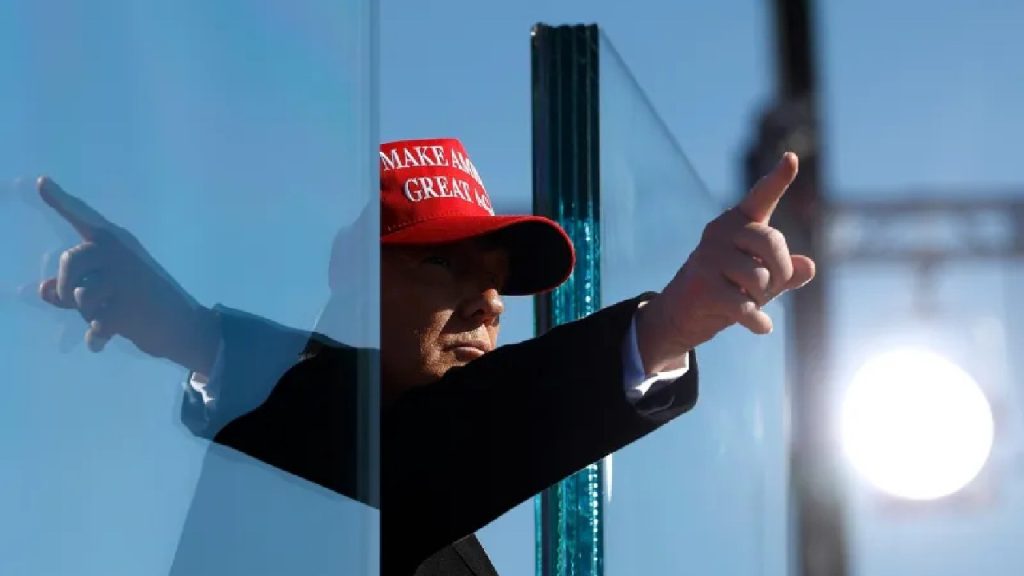
As of January 5, 2026, the aftermath of Operation Absolute Resolve has left Venezuela in a state of strategic confusion. While President Trump celebrated the “capture” of Nicolás Maduro as a historic law enforcement success, the administration’s stated plan to “run” the country has met with significant domestic and international skepticism.
Emirati-Israeli Strategic Collaboration Threatens Regional Stability Through Yemen
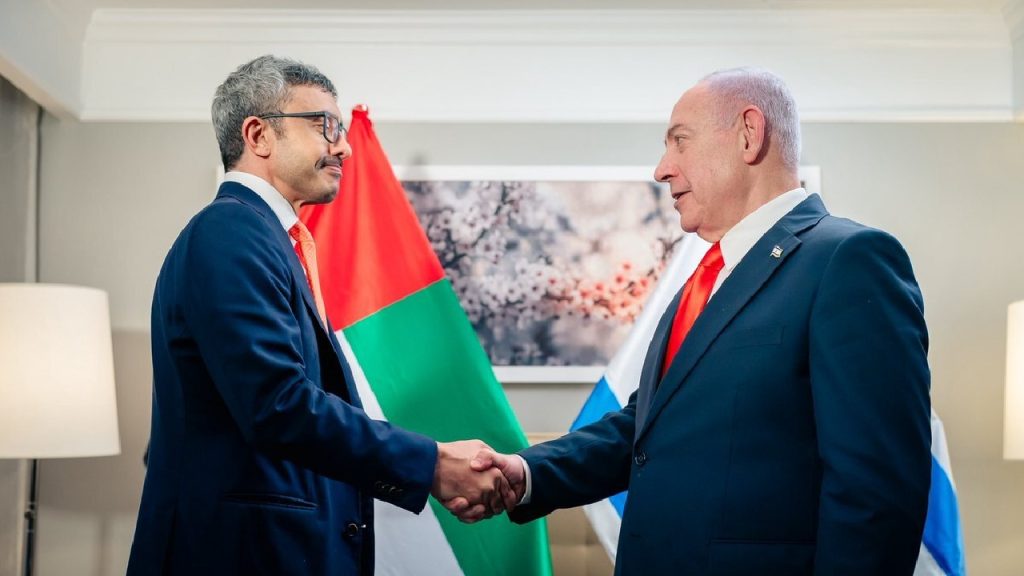
In January 2026, the Middle East is witnessing a historic realignment as the UAE-Israel partnership moves from diplomatic cooperation to operational military presence. This collaboration is centered on the Bab al-Mandab Strait and the strategic fragmentation of Yemen, creating a significant rift between the UAE and its traditional ally, Saudi Arabia.
Abraham Accords Face Critical Test Amid Regional Contradictions
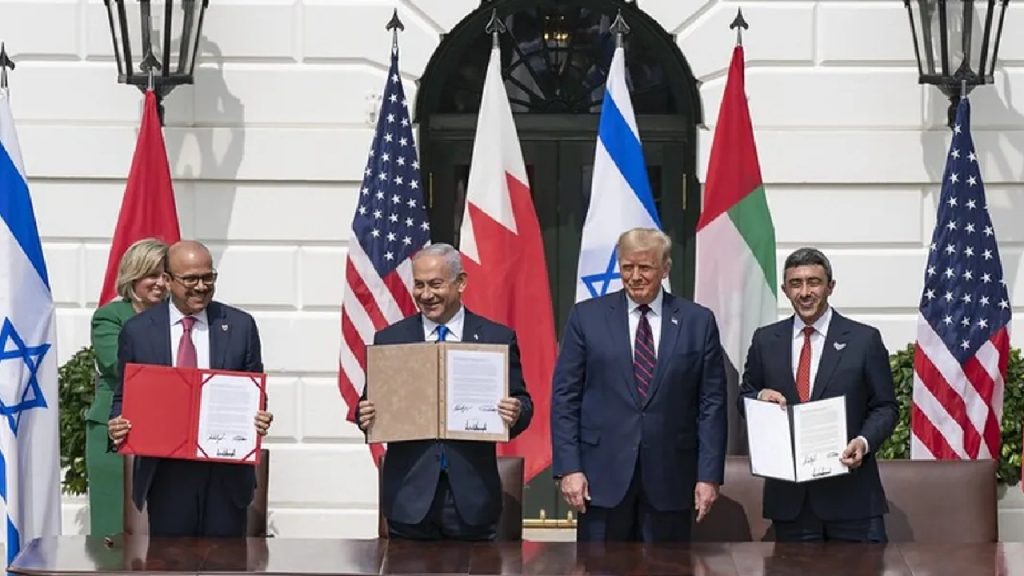
In January 2026, the Abraham Accords are entering their most critical phase, as the pragmatic “outside-in” strategy for regional peace faces the dual pressures of Iranian proxy escalation and the internal institutionalization of political Islam.
Trump Administration’s Military Strategy Contradicts Peace Rhetoric
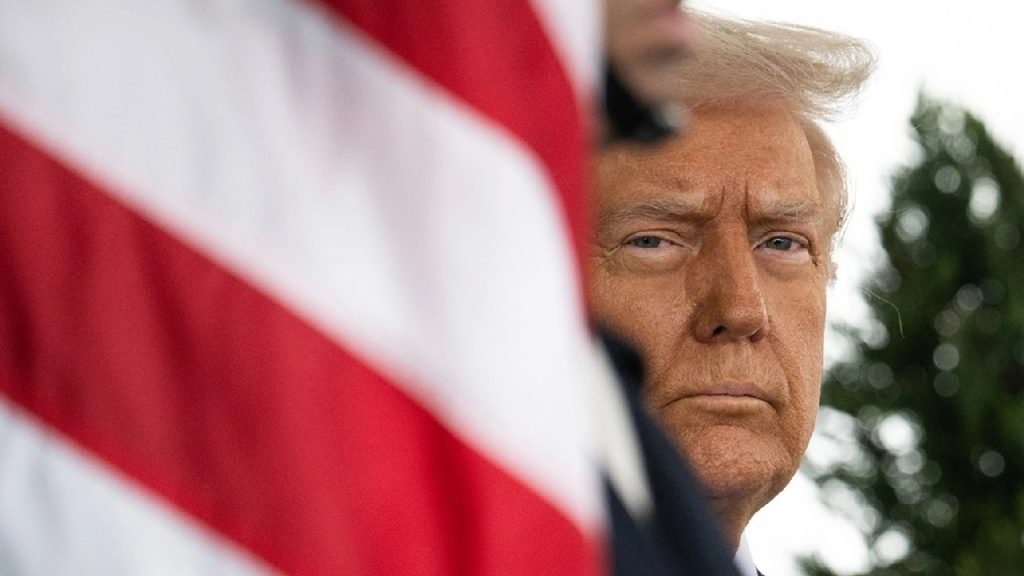
In early 2026, the global security landscape is dominated by the fallout of the Trump administration’s 2025 National Security Strategy (NSS) and the subsequent military operation in Venezuela. These actions have ignited a fierce debate over whether the administration’s “America First” doctrine is a path to restraint or a new era of aggressive unilateralism.
Trump’s Venezuela Strike Threatens Entire Latin America with Military Intervention
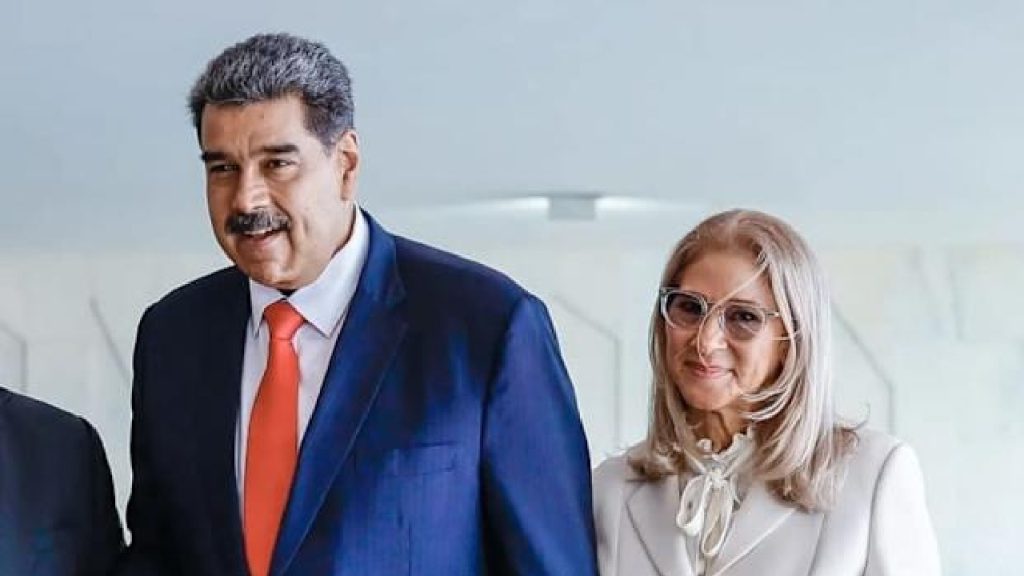
On January 3, 2026, the U.S. executed Operation Absolute Resolve, a massive military strike on Caracas that resulted in the capture of President Nicolás Maduro and First Lady Cilia Flores. Trump has since declared a “Trump Corollary” to the Monroe Doctrine, signaling a new era of direct intervention.
Trump’s Military Strikes Signal 2026 Will Be Defined by American Warfare
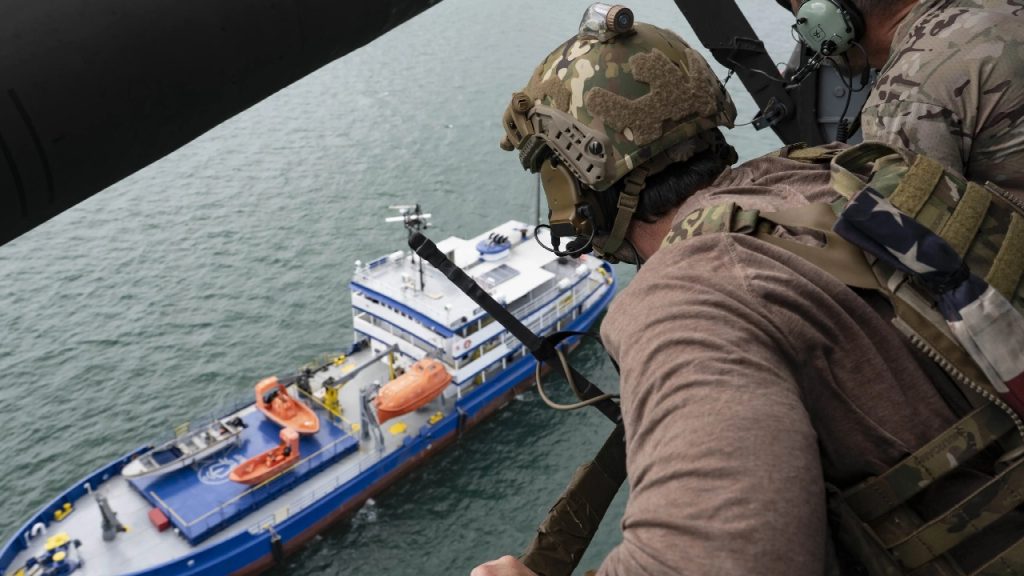
In January 2026, the international order shifted into a more aggressive era of American interventionism, marked by the dramatic capture of Venezuelan President Nicolás Maduro and the implementation of a new “Trump Corollary” to the Monroe Doctrine.
Iran’s Economic Crisis and Nationwide Protests
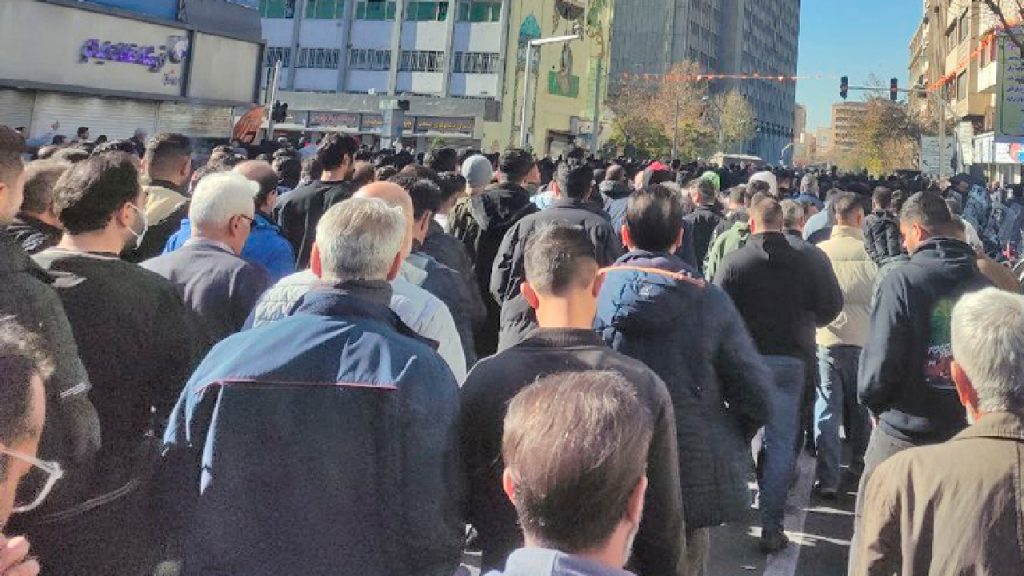
The protests that began on December 28, 2025, represent a critical inflection point for Iran, fueled by an economic “perfect storm” that has effectively hollowed out the country’s middle class. As of January 4, 2026, the movement has spread to over 100 locations across 22 provinces, marking it as one of the most geographically expansive challenges to the Islamic Republic since 1979.
Iran’s December 2025 Protests Signal Economic Collapse, Not Revolution
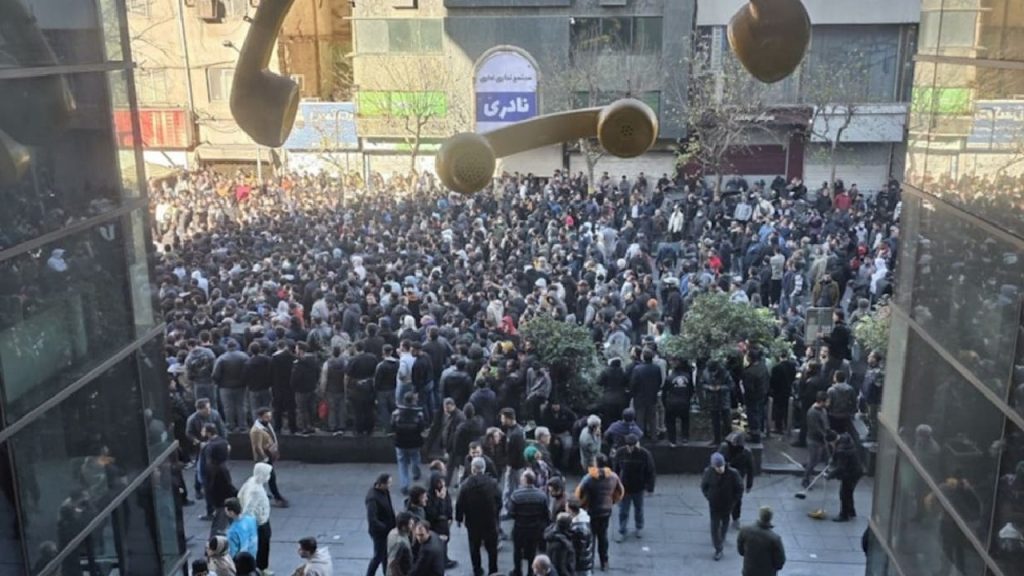
In December 2025, mass protests erupted across Iran, sparked not by a revolutionary movement but by the sheer desperation of a collapsing economy. The Iranian rial plummeted to a historic low of 1.42 million per dollar, triggering market shutdowns and the largest civil unrest since 2022.
China Positions Itself as Global Stability Leader as Trump Destabilizes International Order
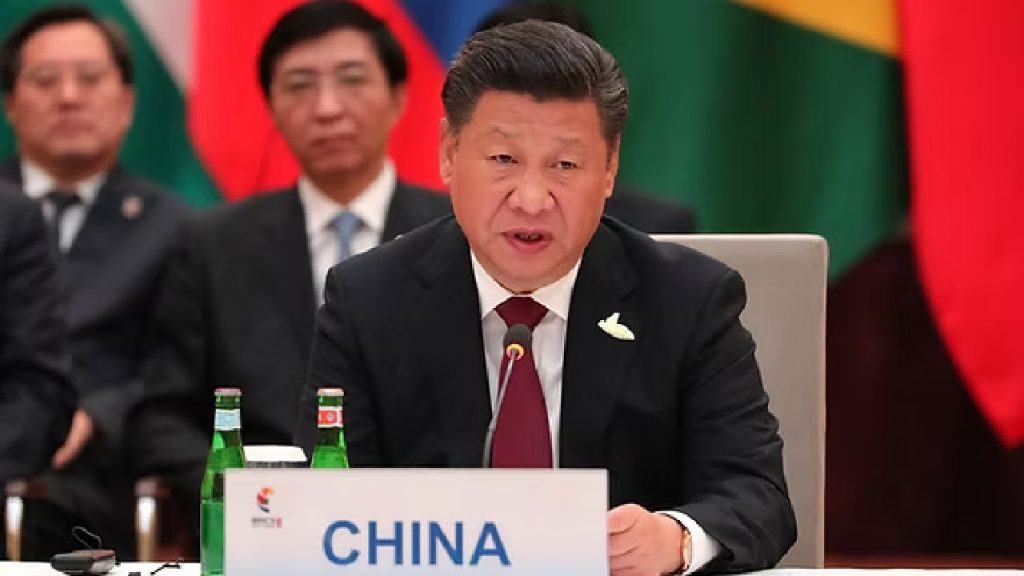
In 2025, China successfully positioned itself as a “stability leader” by exploiting Donald Trump’s transactional foreign policy. While Washington disrupted alliances and institutional norms, Beijing unveiled its Global Governance Initiative, offering the Global South a pluralistic, non-liberal alternative to a fragmenting Western order.
Weaponizing AI Supply Chains: Washington’s Pax Silica Initiative Launches New Economic Warfare Front
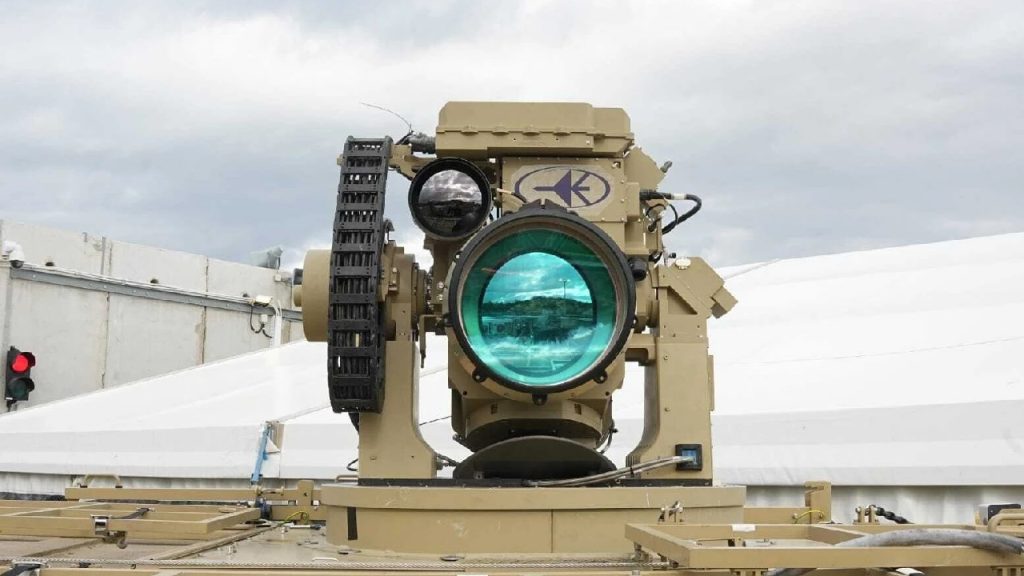
On December 12, 2025, Washington launched Pax Silica, a strategic US-led initiative designed to secure the “silicon supply chain” and counter China’s dominance in the AI economy. Described by Under Secretary Jacob Helberg as the “G7 of the AI age,” the pact treats computing power and critical minerals as the strategic equivalents of 20th-century oil and steel.
Tech Giants Inadvertently Facilitate Terrorist Groups’ Artificial Intelligence Capabilities

In 2025, security assessments have highlighted a “paradigm shift” as extremist groups move from passive technology use to the active integration of Generative AI for propaganda, recruitment, and attack planning.