
Resource Extraction and the Logic of Imperial Intervention: Latin America’s Century-Long Cycle

In January 2026, the century-long cycle of resource-driven intervention in Latin America reached a dramatic new inflection point. On January 3, 2026, the United States launched Operation Absolute Resolve, a high-intensity military raid in Caracas that resulted in the capture of President Nicolás Maduro.
Institutional Alignment and Journalistic Consistency: How News Organizations Reflect State Interests

In early 2026, the global media landscape is undergoing a “structural reckoning.” The gap between a news organization’s professional rhetoric and its geopolitical alignment has become more visible than ever, as the 2024–2025 conflicts in the Middle East and Ukraine continue to stretch traditional editorial frameworks to their breaking point.
Why Central Asia Prioritizes Iranian Ports Over Pakistan
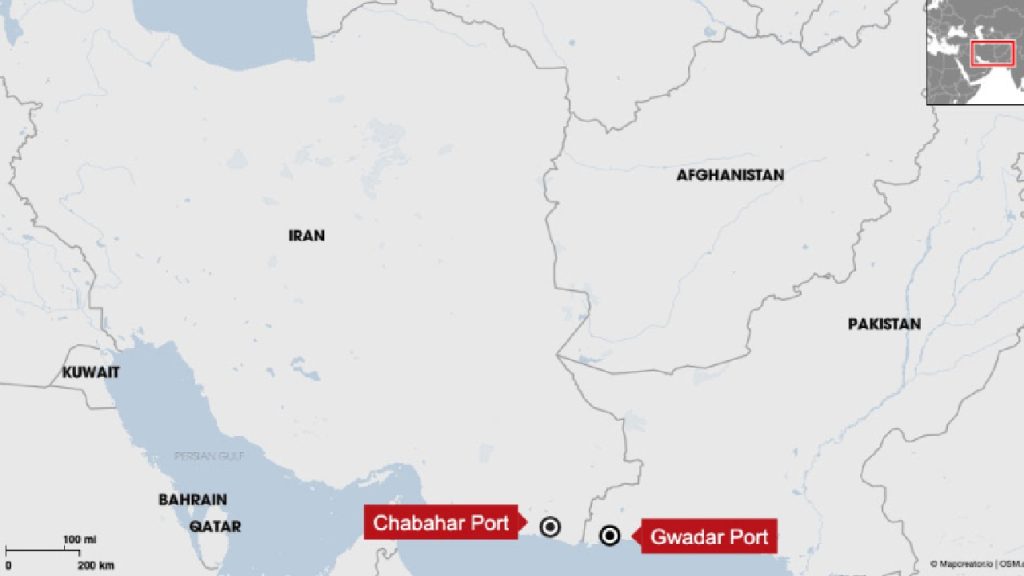
In January 2026, the trade map of Eurasia reflects a stark reality: despite being hundreds of kilometers closer to the Central Asian Republics (CARs), Pakistan’s ports are frequently bypassed for Iranian alternatives. While geography favors Pakistan, operational reliability and security stability have solidified Iran’s position as the preferred gateway.
Ukraine War Exposed the Failure of Western Deterrence Assumptions
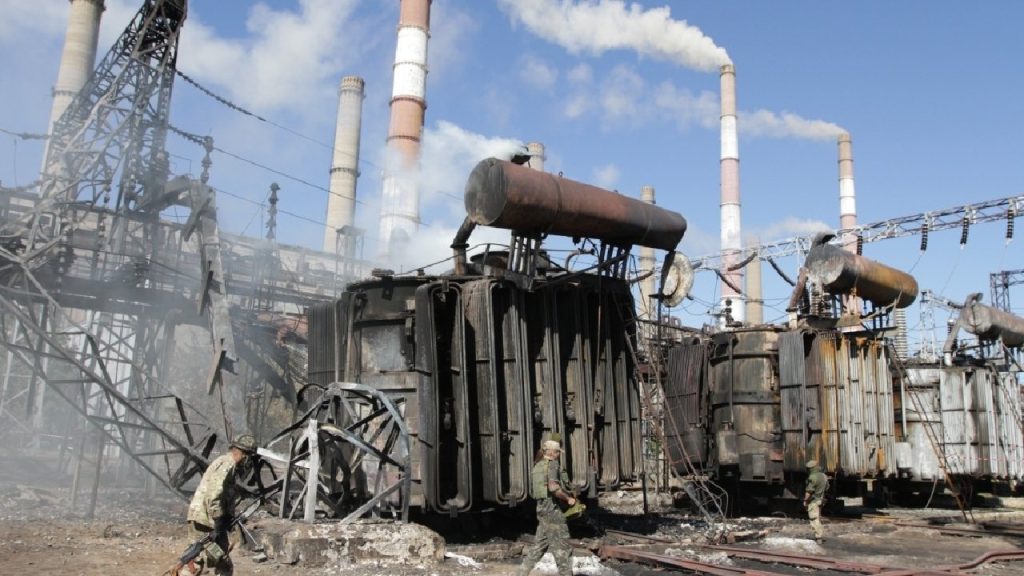
In January 2026, the strategic fallout from the Ukraine war has fundamentally dismantled the “post-Cold War” playbook. Western leaders now operate under a new, grimmer set of assumptions: that war is a contest of industrial stamina, not just initial tech; that economic ties can be weapons of coercion; and that “red lines” mean nothing without the munitions to back them up.
Iran’s Battle for Survival is the Arab World’s Fight Too
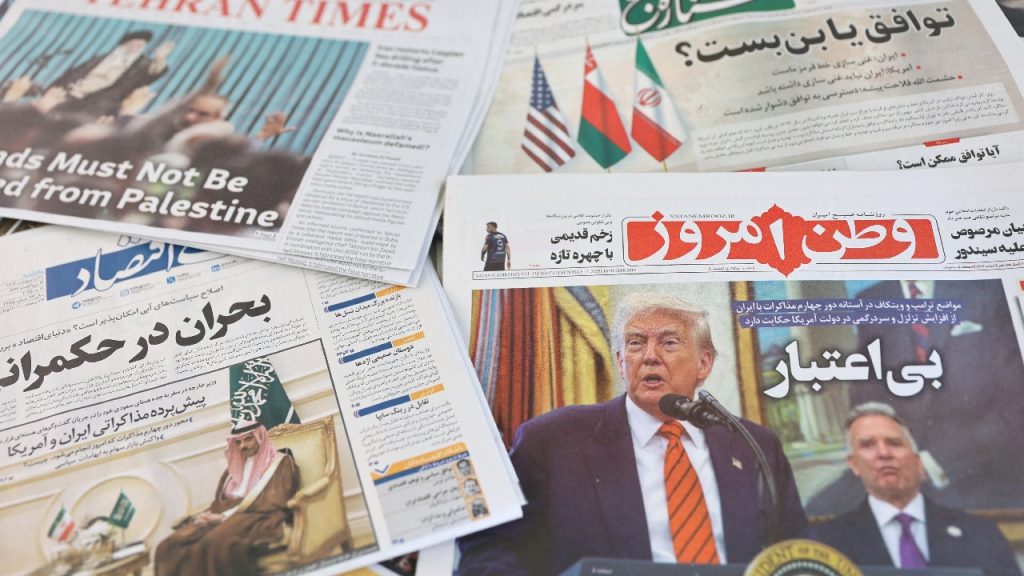
In early 2026, the Middle East has entered what analysts describe as a state of “Exhausted Realignment.” Following the kinetic “12-Day War” between Israel and Iran in June 2025 and the fall of the Assad regime in Syria in December 2024, the region is now caught between a “Maximum Pressure 2.0” campaign from Washington and a desperate diplomatic “hedging” strategy by the Gulf states.
China’s Strategic Restraint Amid Trump’s Global Disruptions
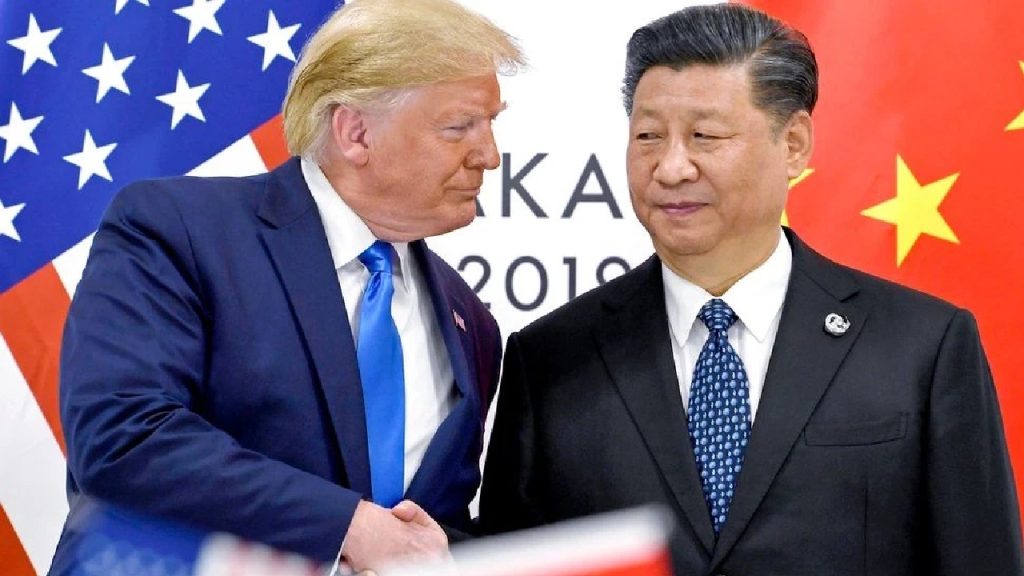
In January 2026, Beijing is navigating the chaos of the second Trump administration with a policy of “selective silence.” While the U.S. pursues high-visibility interventions in Venezuela, Greenland, and Iran, China has largely declined to engage in tit-for-tat escalation.
Venezuela’s Maduro: How Regional Isolation Preceded His Downfall

In January 2026, the capture of Nicolás Maduro by U.S. forces stands as the ultimate consequence of a leader who gambled on regional aggression and lost. While Operation Absolute Resolve was the kinetic end, Maduro’s downfall was structurally prepared by his systematic alienation of every neighbor that once formed his “Bolivarian” shield.
Trump Administration Escalates Greenland Campaign as Denmark Pushes Back
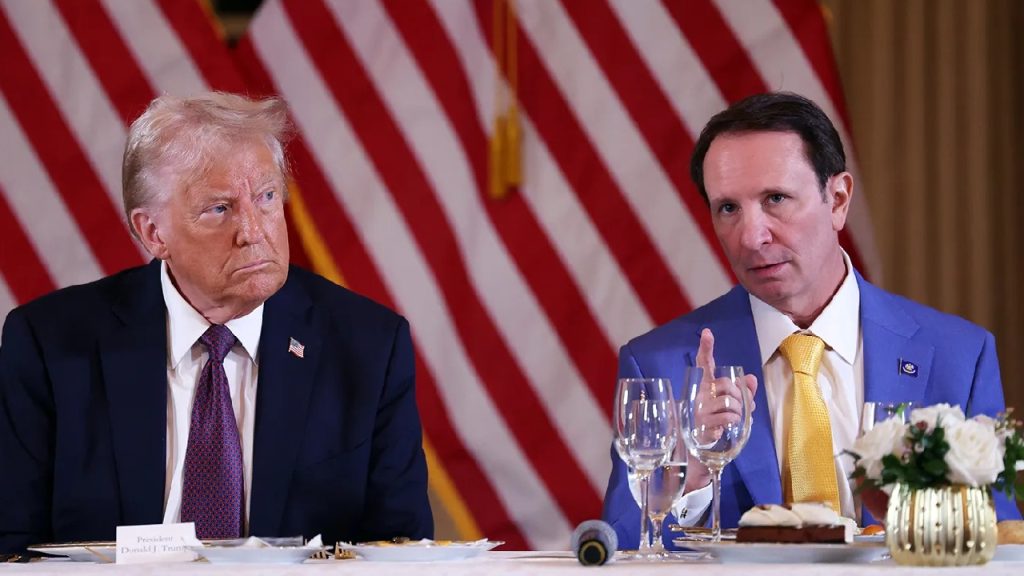
In January 2026, the diplomatic rift between the United States and the Kingdom of Denmark has escalated into a full-blown security crisis. The catalyst for this friction was the January 3rd capture of Nicolás Maduro in Venezuela (Operation Absolute Resolve), which emboldened the Trump administration to pivot its “transactional realism” toward the Arctic.
Trump’s Venezuela Operation Reveals a Pragmatic Foreign Policy Approach
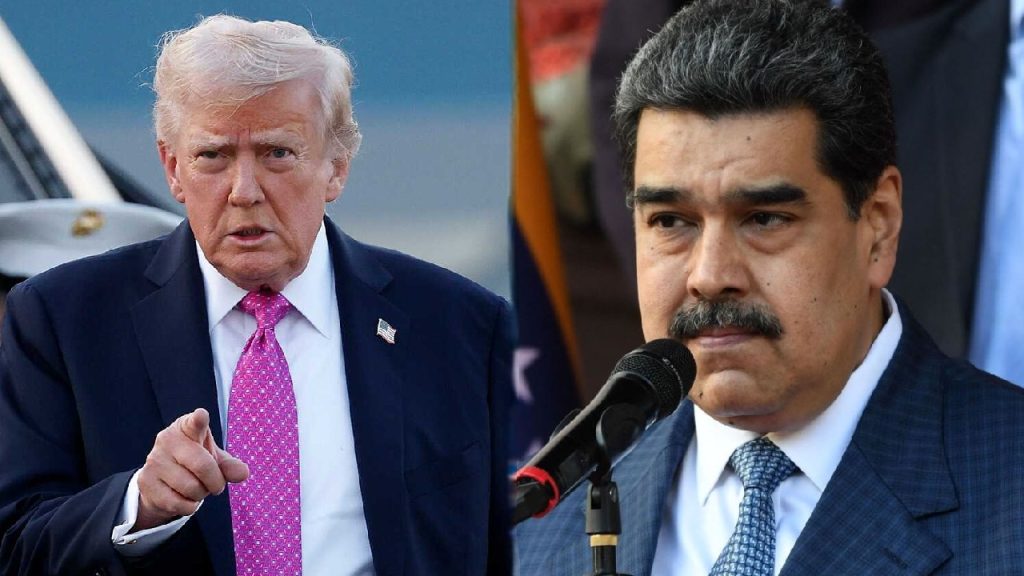
In January 2026, the capture of Nicolás Maduro has fundamentally redefined the “Trump Doctrine,” shifting it from a policy of rhetorical isolationism to one of targeted, high-impact intervention. While the operation—codenamed Operation Absolute Resolve—was tactically swift, its geopolitical implications are expansive. It signals a move away from the “forever wars” of the past two decades toward a “transactional realism” that uses overwhelming force for specific, finite objectives.
Regional Cooperation Emerges as Multilateralism’s Lifeline

By early 2026, the global order has moved from a “unipolar” or “multilateral” system toward a fragmented regionalism. With the United States actively dismantling its participation in international organizations, regional blocs have transformed from secondary partners into the primary guarantors of trade, security, and technological standards.
European Defense Maturation Confronts Washington’s Strategic Ambivalence
In January 2026, the transatlantic relationship has reached a paradoxical milestone: Europe has finally met Washington’s long-standing demands for increased defense spending, yet the resulting “Strategic Awakening” has triggered deep friction over influence, industrial preference, and the very definition of Western civilization.
What 2026 Holds for International Security and Economics
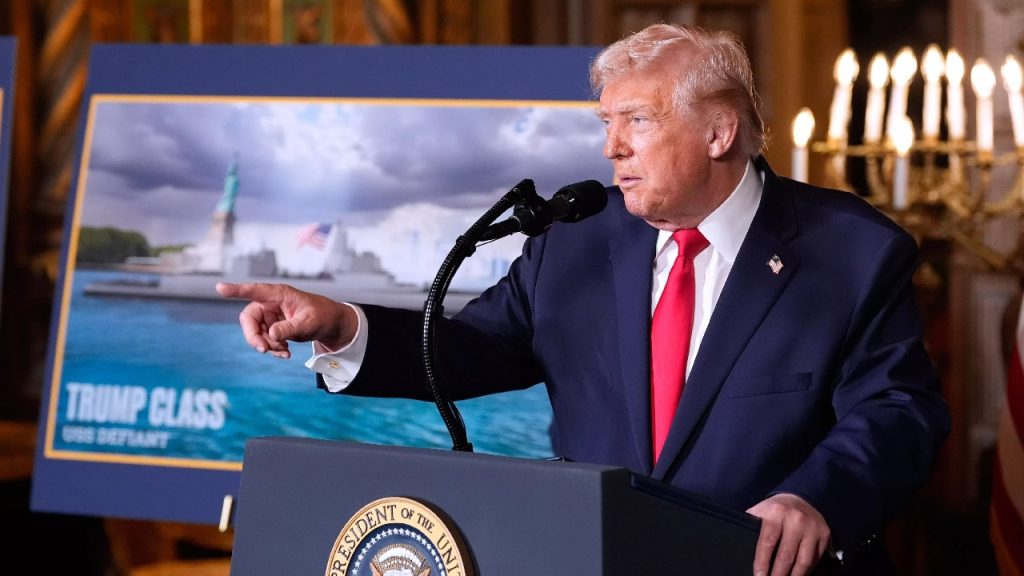
As we enter the first week of January 2026, the global landscape is defined by the fallout from the U.S. military operation in Venezuela and a critical “election-year” posture from Washington. The year ahead suggests a shift from the post-war multilateral order toward a more transactional, high-stakes era of “sovereignty-first” politics.