
Resource Nationalism in Chaos: When Dangerous Materials Trump International Order
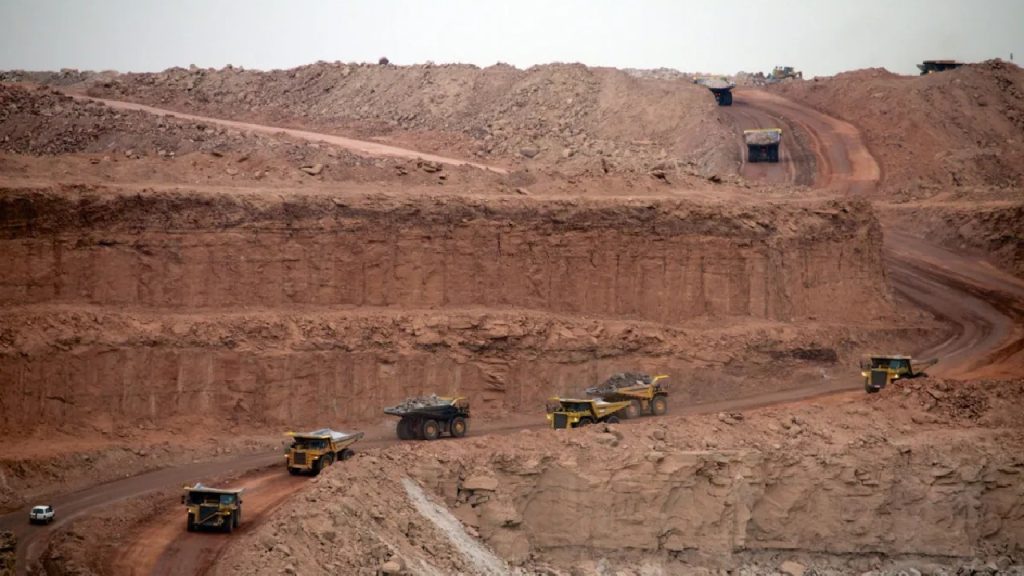
Niger’s 2025 nationalization of the Somair mine and the subsequent contested transport of 1,150 tons of uranium signal a breakdown in international resource governance. By defying arbitration and seeking Russian partnerships, the junta illustrates how strategic minerals now drive a fragmented global order where resource sovereignty outweighs established non-proliferation norms.
Multipolar Realignment: How Regional Powers Are Reshaping Global Authority
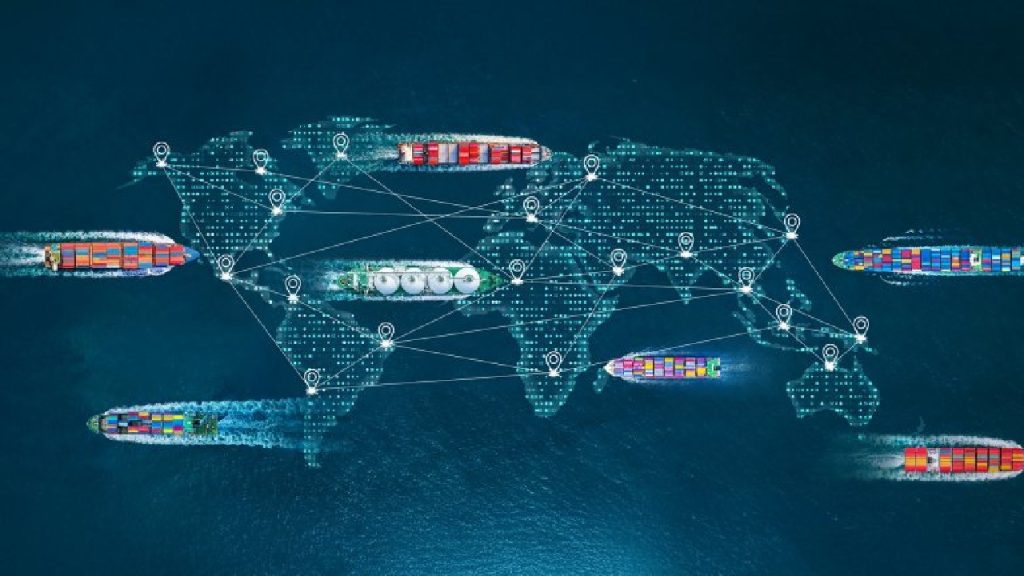
The 2026 global landscape marks a shift from Western-led multilateralism toward a multipolar order defined by middle-power “strategic autonomy” and Global South demands for structural reform. As traditional alliances strain and trade barriers rise, nations are adopting pragmatic, power-aware alignments to navigate a fragmented system where institutional authority is increasingly contested.
Ideological Collapse and Coercive Consolidation: When Revolutionary Governance Becomes Its Own Antithesis
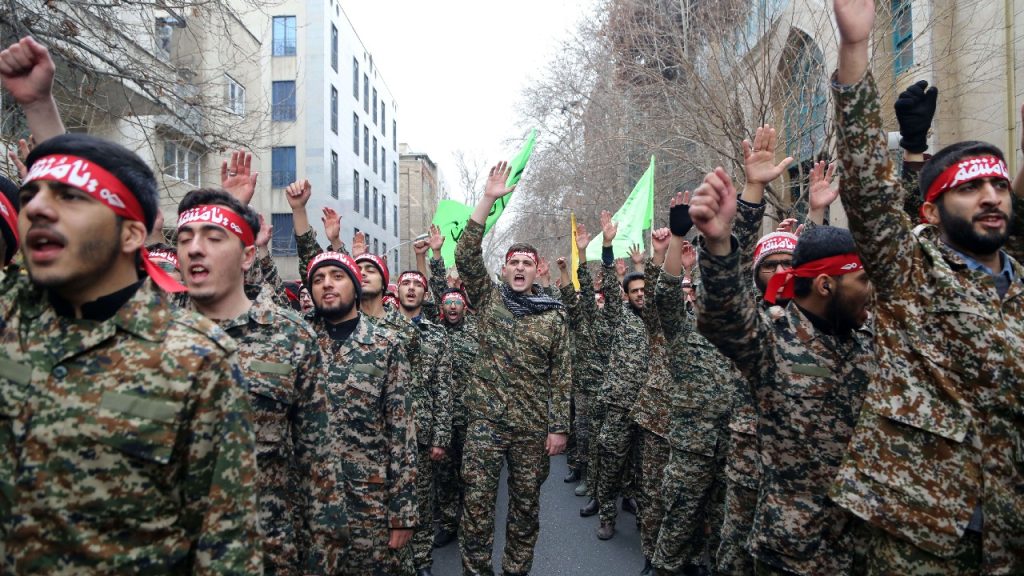
This article examines the Iranian regime’s evolution from Platonic revolutionary ideals to a coercive state maintained by the IRGC. Analyzing the 2026 protests, it argues that the fusion of absolute power and ideology inevitably leads to a legitimacy crisis, where institutional survival through force supersedes foundational moral principles.
Geopolitical Risks Outlook for 2026 | World Economic Forum Annual Meeting 2026
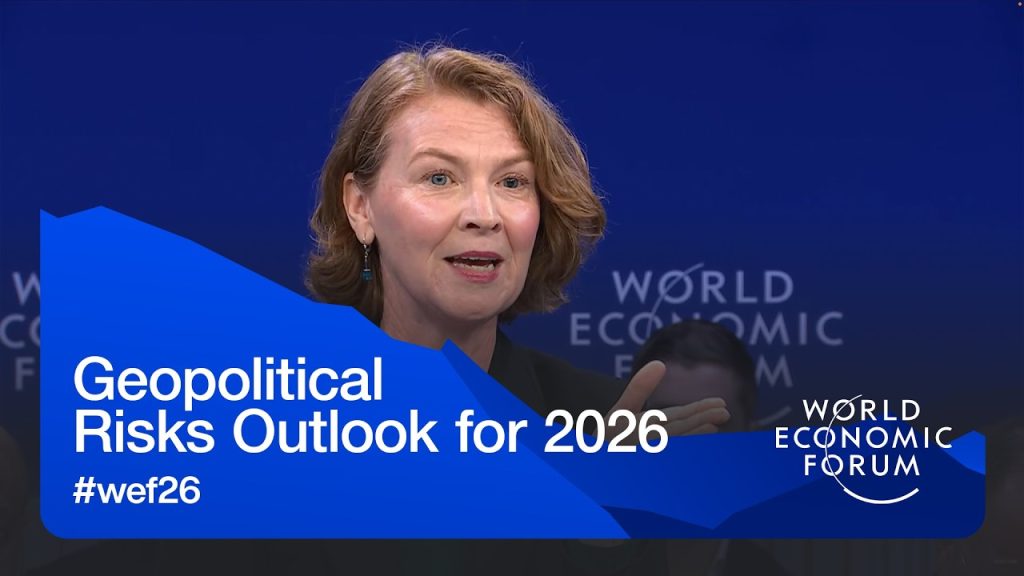
As geopolitical tensions intensify, security considerations are reshaping economic policy, production and fiscal priorities worldwide.
Donald Trump’s ‘Board of Peace’: “It’s not an institution, it’s one man” | DW News
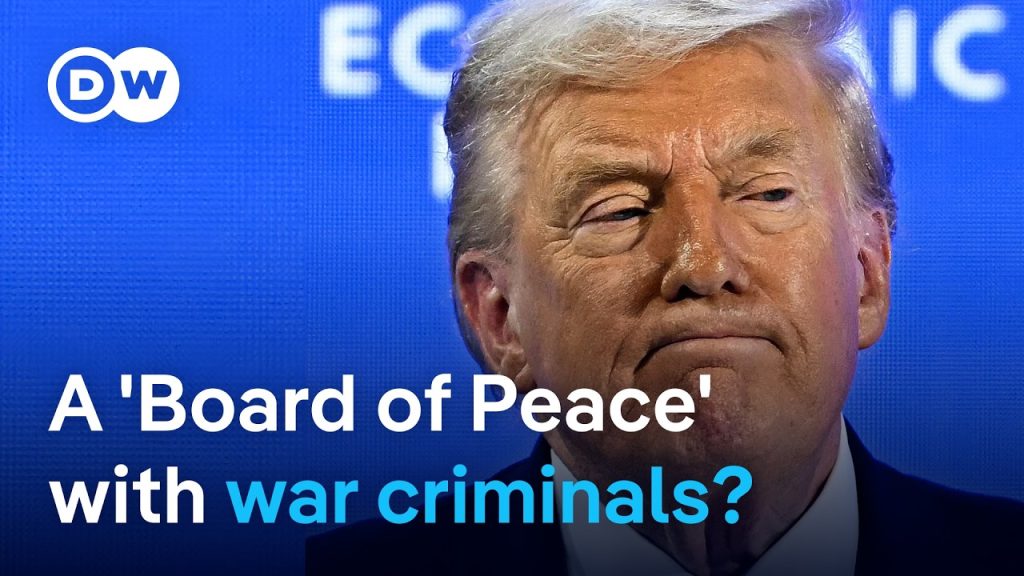
US President Donald Trump has rolled out his so-called Board of Peace at a ceremony in Davos.
Trump’s Board of Peace Explained: What It Is and How It Affects the UN | Gaza Peace Plan | Davos
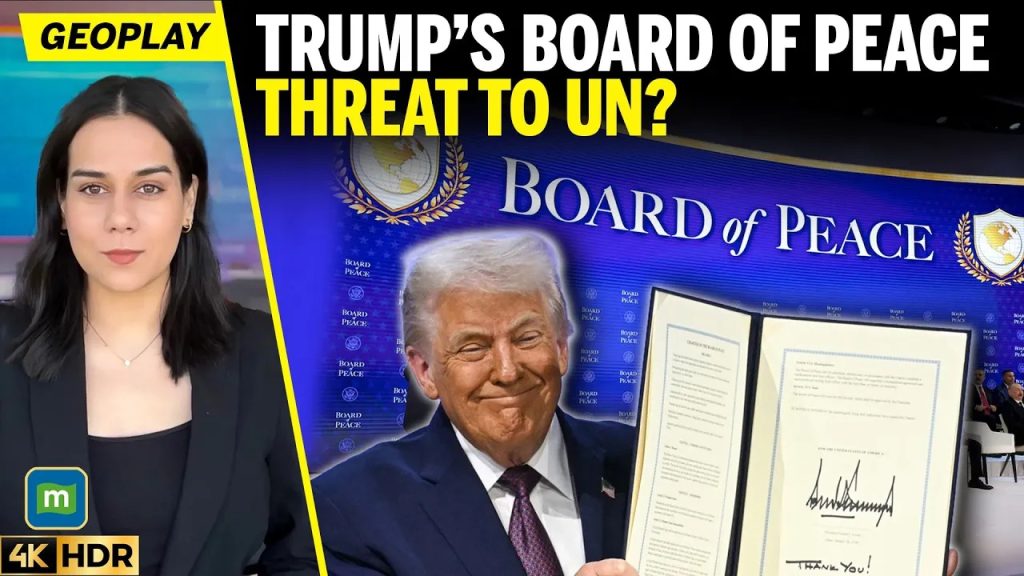
U.S. President Donald Trump has launched the Board of Peace, a new global initiative aimed at resolving conflicts beyond Gaza. Announced at the World Economic Forum in Davos, the board has drawn mixed reactions from the international community.
The Death Toll in Iranian Protests: A Psychological Game to Provoke U.S. Intervention
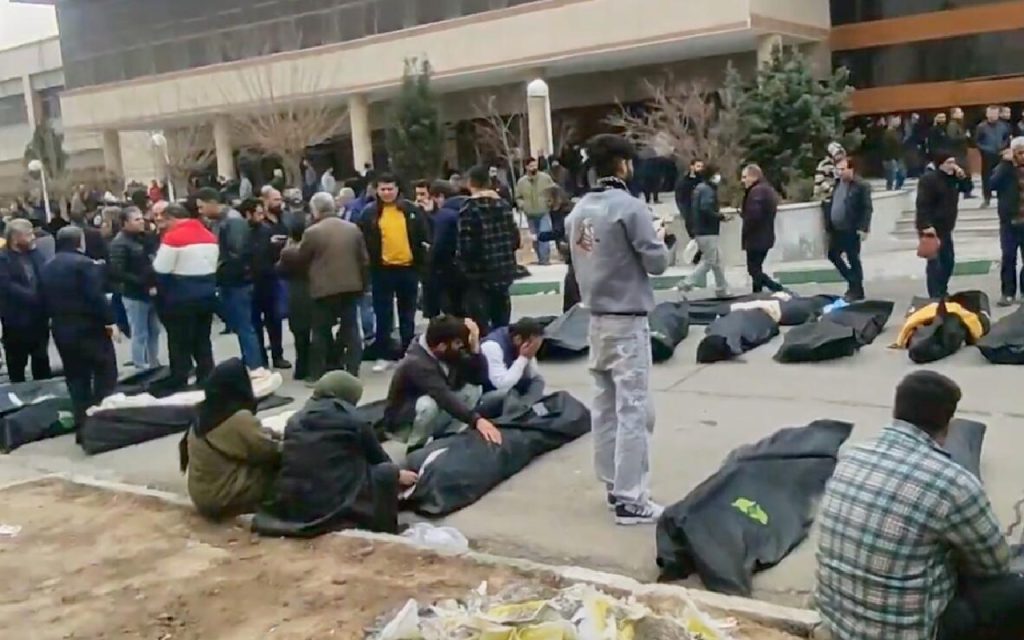
In early February 2026, the debate over Iranian casualty figures has moved beyond mere counting into a high-stakes battle over the validity of human rights evidence versus strategic information warfare. The “January massacres” have produced a range of data so wide that it has effectively paralyzed the international community’s ability to respond with a single, unified voice.
Strategic Miscalculation: Why Iranian Regime Change Would Destabilize the Region
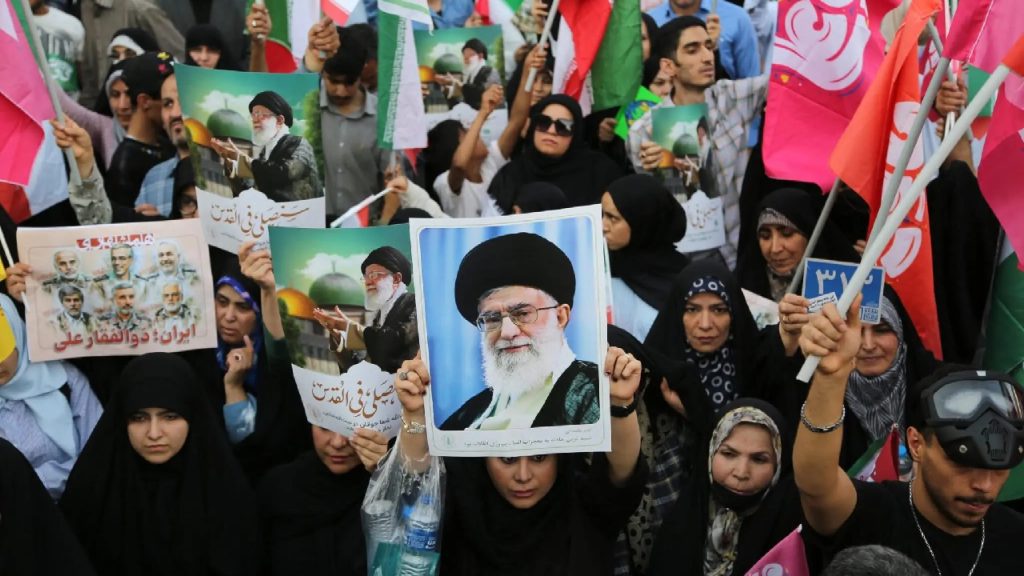
In early February 2026, the debate over Iranian regime change has moved from theoretical policy papers to an active military and intelligence reality. Following the “Midnight Hammer” strikes of June 2025 and the massive, violent unrest of January 2026, the region stands at a precipice where the collapse of the Islamic Republic is no longer unthinkable, but potentially catastrophic.
Securing the Gulf: Why Regional Leaders Reject Military Escalation
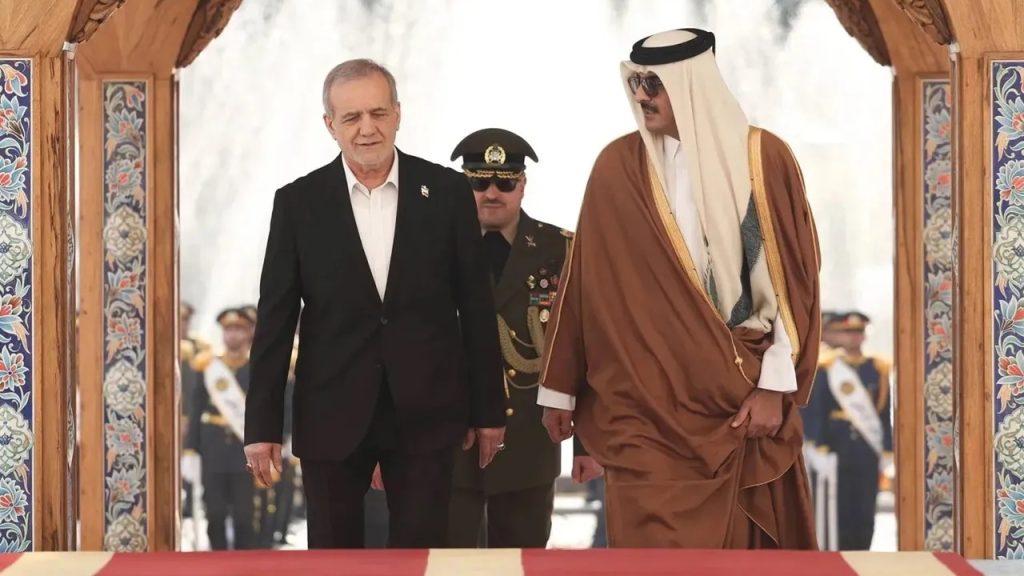
As of February 2, 2026, the Persian Gulf has reached a peak of strategic tension. While Washington has signaled potential military action against Tehran following a brutal domestic crackdown in Iran, Gulf capitals—historically Iran’s most vocal critics—have emerged as the primary advocates for restraint.
Repositioning Power: The New American Military Strategy in the Western Hemisphere
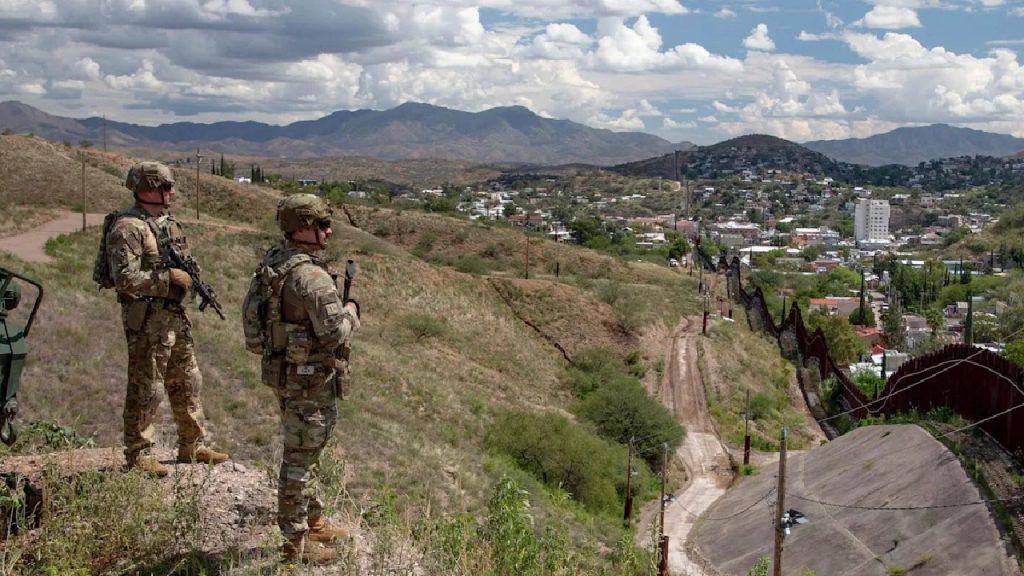
In early February 2026, the Western Hemisphere is adjusting to a historic shift in American military doctrine. What was once a “soft power” approach has been replaced by the “Trump Corollary”—a strategy that asserts unquestioned U.S. military and economic preeminence from the Arctic to Antarctica.
When Boardrooms Replace Diplomacy: Private Governance and the Collapse of International Law
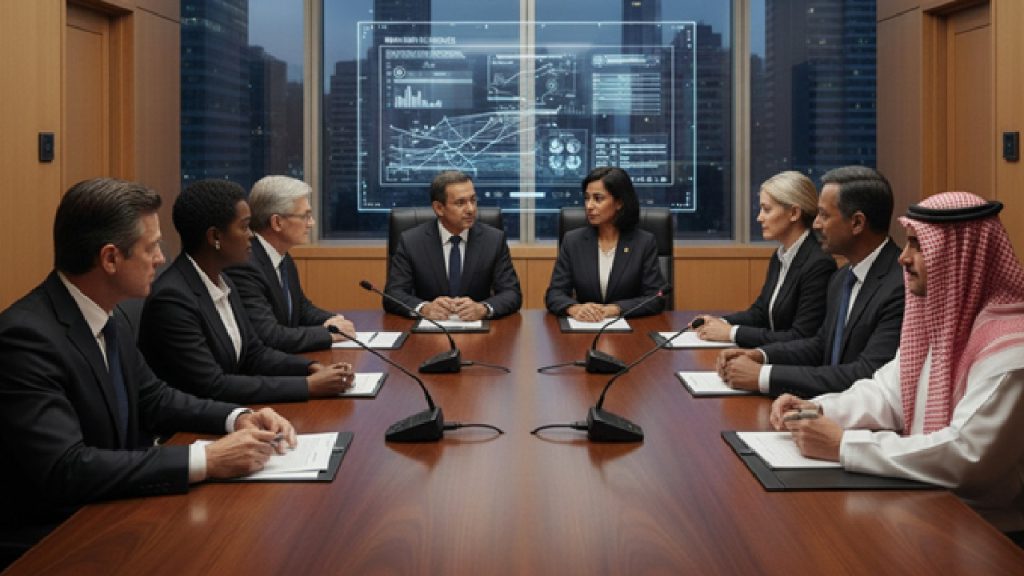
In January 2026, the traditional multilateral system founded in 1945 has faced its most direct challenge yet: the formalization of “Boardroom Diplomacy.” Under the newly established Board of Peace (BoP), conflict resolution is shifting from the halls of the United Nations to a private-equity-style governance model that prioritizes commercial viability, “pay-to-play” membership, and technocratic management.
The Changing Dynamics of Middle Eastern Alliances: A Battle Between Abrahamic and Islamic Coalitions
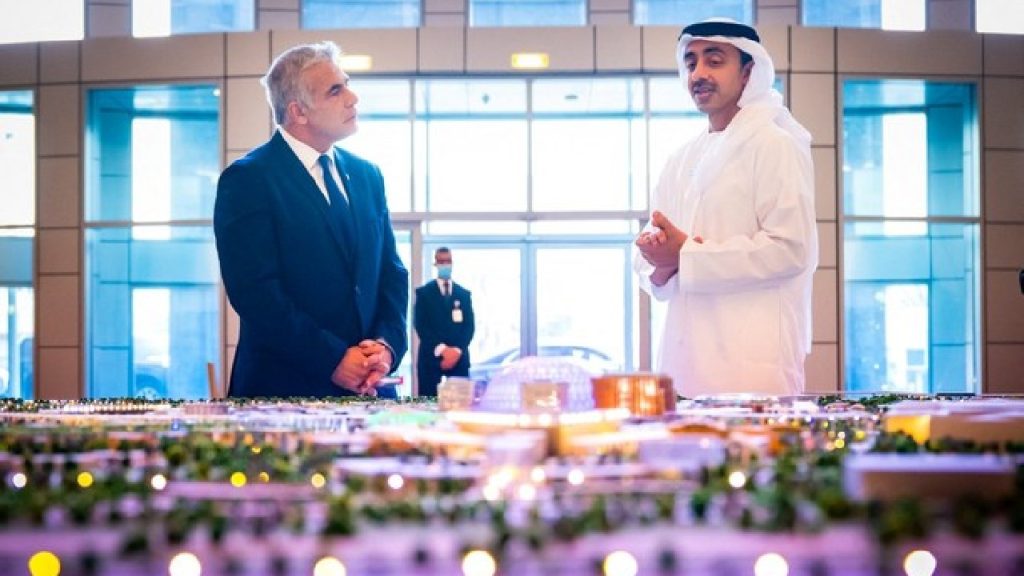
In early 2026, the Middle East has moved beyond the simple “Sunni vs. Shia” binary. Instead, the region is now fractured into two competing ideological and strategic blocs: the Abrahamic Coalition—focused on secular-leaning economic integration and high-tech defense—and the Islamic Coalition, which prioritizes sovereign statehood, Islamic solidarity, and a more cautious distance from Israel.