
Nuclear Stability Unravels as Arms Control Era Ends
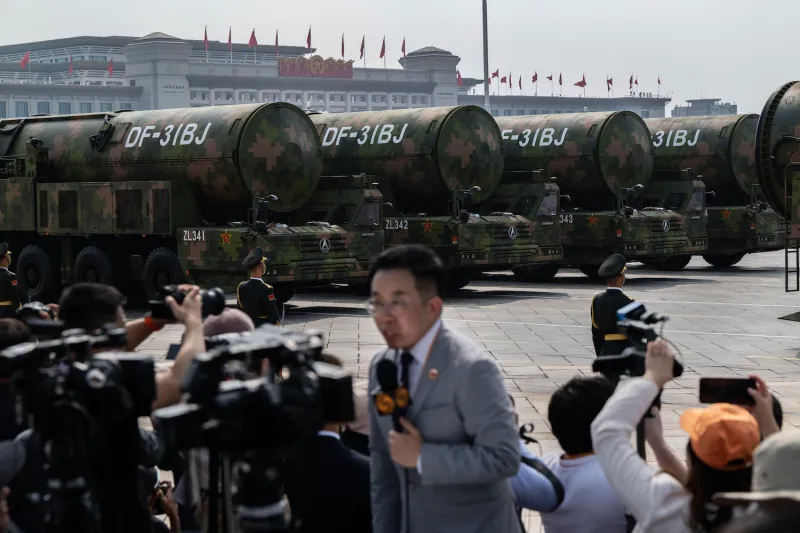
The collapse of New START and China’s rapid nuclear buildup have ended decades of structured restraint, creating an unstable three‑way arms race with no treaties, no verification, and rising risks of miscalculation in a multipolar nuclear world.
How Missile Defense Shields Are Fueling Global Escalation
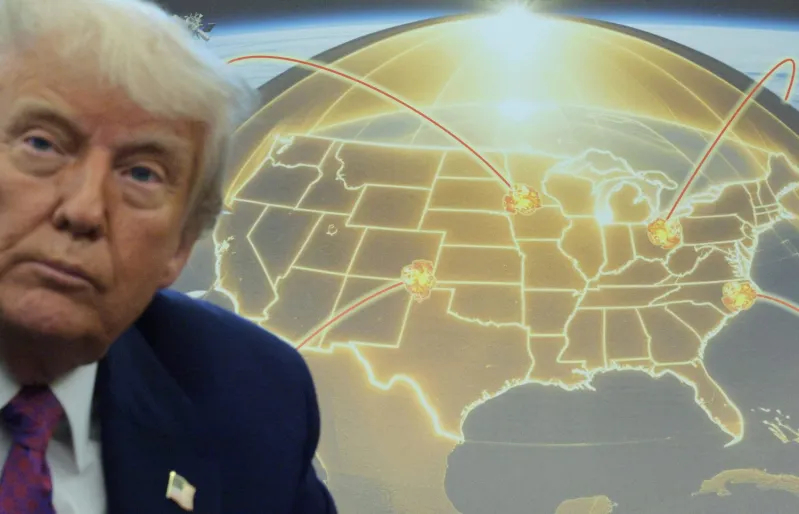
Missile defense systems meant to deter attacks are instead encouraging riskier offensives, driving arms races and destabilizing global security as nations pursue shields like THAAD and the Golden Dome under the illusion of strategic safety.
Tehran’s Nuclear Diplomacy Gamble: Muscat Talks Open Fragile Window Amid War Fears
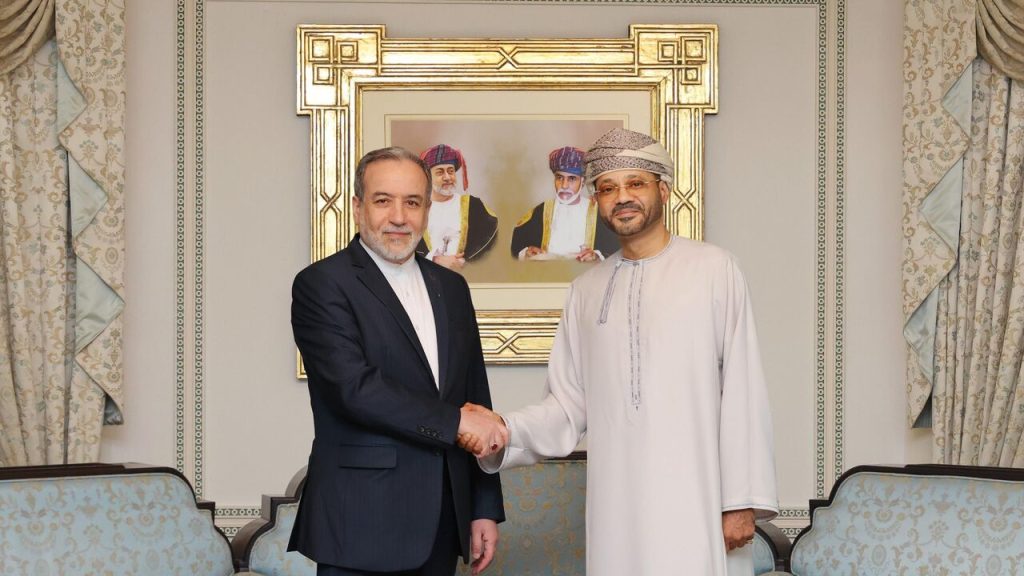
Tehran’s refusal to abandon domestic enrichment, paired with U.S. military pressure and sanctions, leaves the Muscat talks as a fragile pause rather than real progress, with internal Iranian rifts and Israeli threat perceptions further narrowing the diplomatic window.
Renewed Iran-US Nuclear Talks in Oman Face Old Obstacles
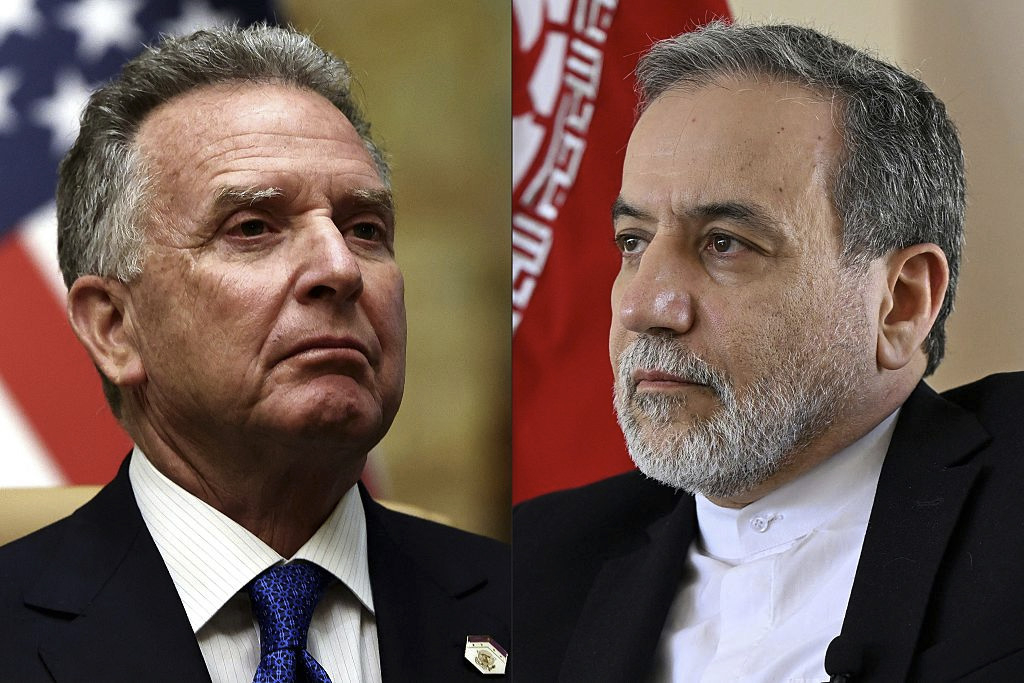
Iran’s push to restart Muscat talks reflects domestic turmoil and strategic delay, but clashing agendas, sidelined Europeans, and unresolved trust gaps suggest the negotiations remain a fragile holding pattern rather than a path to a durable nuclear deal.
Presidential Racism Unmasked: The Truth Social Video and Its Historical Echoes

The video exposing the Obamas with racist imagery highlights a long‑standing pattern of presidential racial provocation, triggering rare GOP backlash and making decades of documented behavior impossible to dismiss as isolated incidents.
NYC Mayor Mamdani’s Hochul Endorsement Reshapes New York’s Democratic Landscape
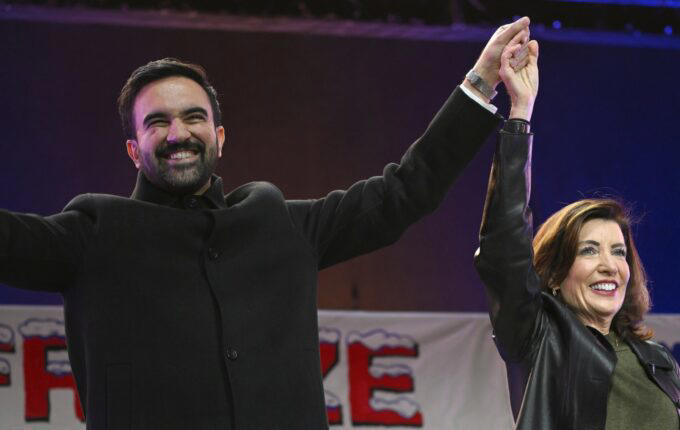
Mamdani’s endorsement of Hochul reflects a strategic left‑center alliance built on a major childcare deal, reshaping New York’s Democratic race while deepening rifts inside the progressive movement that helped elect him.
Muscat Nuclear Talks Expose Deep US-Iran Divide
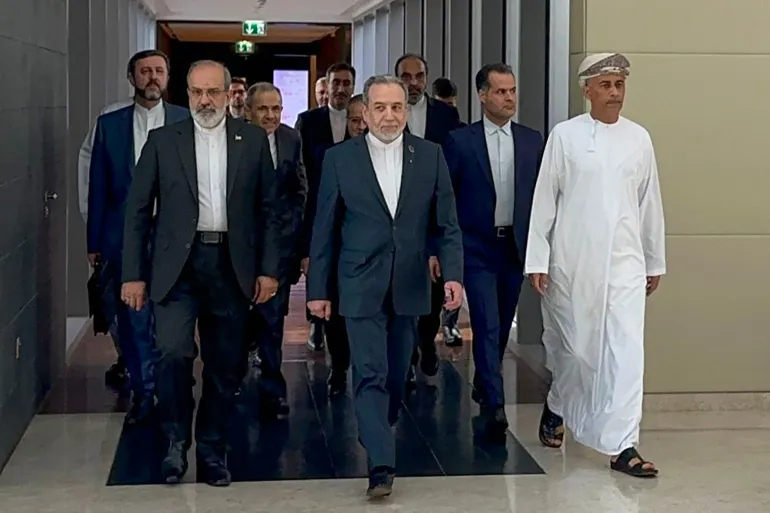
Muscat’s talks revealed a fragile diplomatic opening overshadowed by military brinkmanship, deep mistrust, and clashing agendas, leaving the US‑Iran channel open but far from any path toward a real nuclear agreement.
Middle Powers Embrace Multipolarity as US Unilateralism Reshapes Global Order
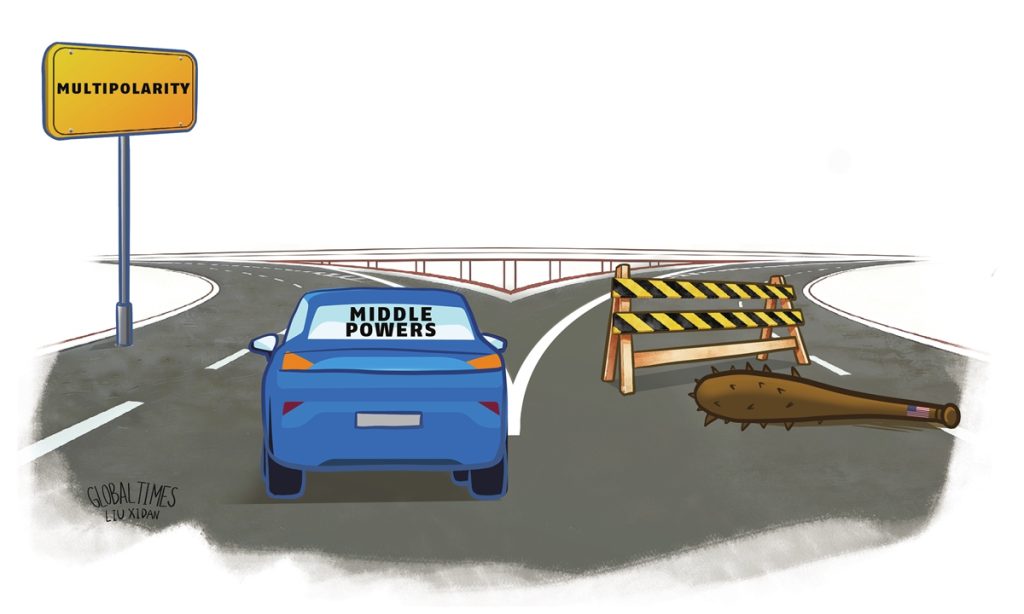
Middle powers are accelerating diversification and flexible coalitions as U.S. unilateralism erodes old alliances, pushing Brazil, Canada, and South Korea to pursue cooperative multipolarity and institutional reform to preserve autonomy in a rapidly shifting global order.
Gulf Allies’ Hidden Fears: Why Iran’s Fall Threatens More Than Its Regime
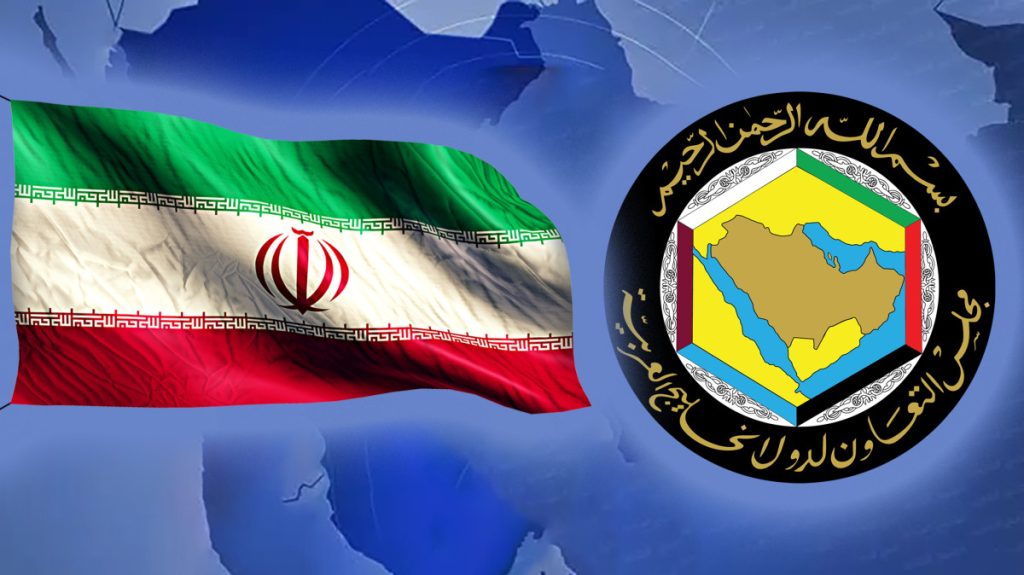
Gulf states quietly fear that Iran’s collapse would expose their own ideological projects, proxy ties, and strategic contradictions, stripping away the cover Tehran provides and forcing unprecedented scrutiny of Qatar’s networks, Turkey’s ambitions, and Saudi Arabia’s dilemmas.
Four Years of War in Ukraine Expose the Cost of Western Hesitation
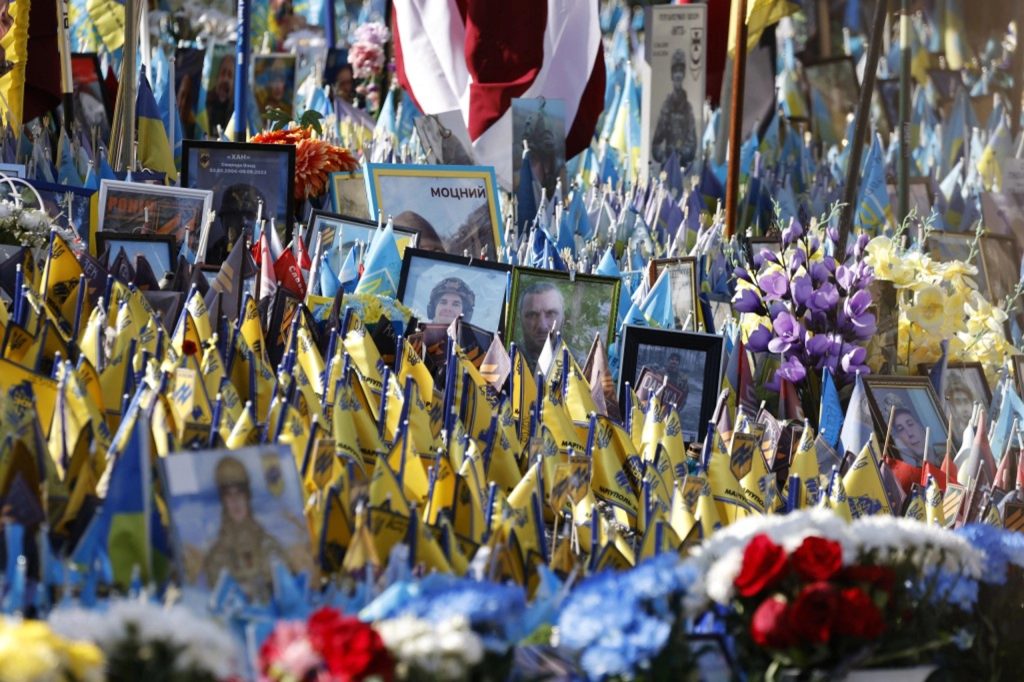
Western hesitation has prolonged a brutal stalemate in Ukraine, where massive casualties, slow aid, and delayed weapons have strengthened Russia’s attritional strategy while forcing Kyiv to innovate militarily and Europe to rearm unevenly, leaving the war’s outcome tied to political will rather than battlefield shifts.
Carney’s Davos Address and the Fracturing Western Consensus
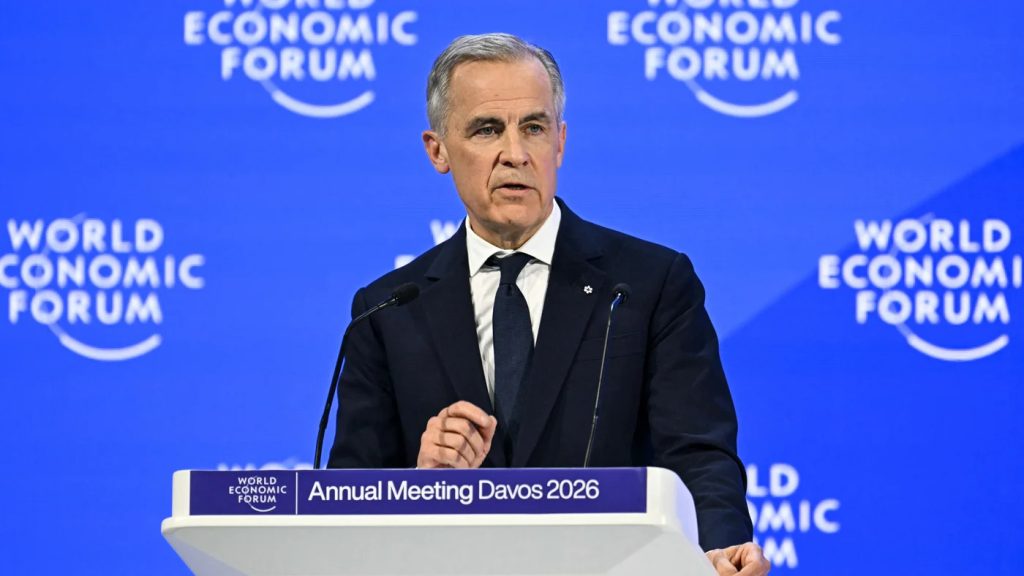
Carney’s Davos speech exposed the collapse of the Western-led order, urging middle powers to diversify beyond Washington as global power shifts toward a polycentric system that Europe seems unwilling to confront.
Ankara’s Iran Mediation Serves a Broader Ottoman-Era Ambition
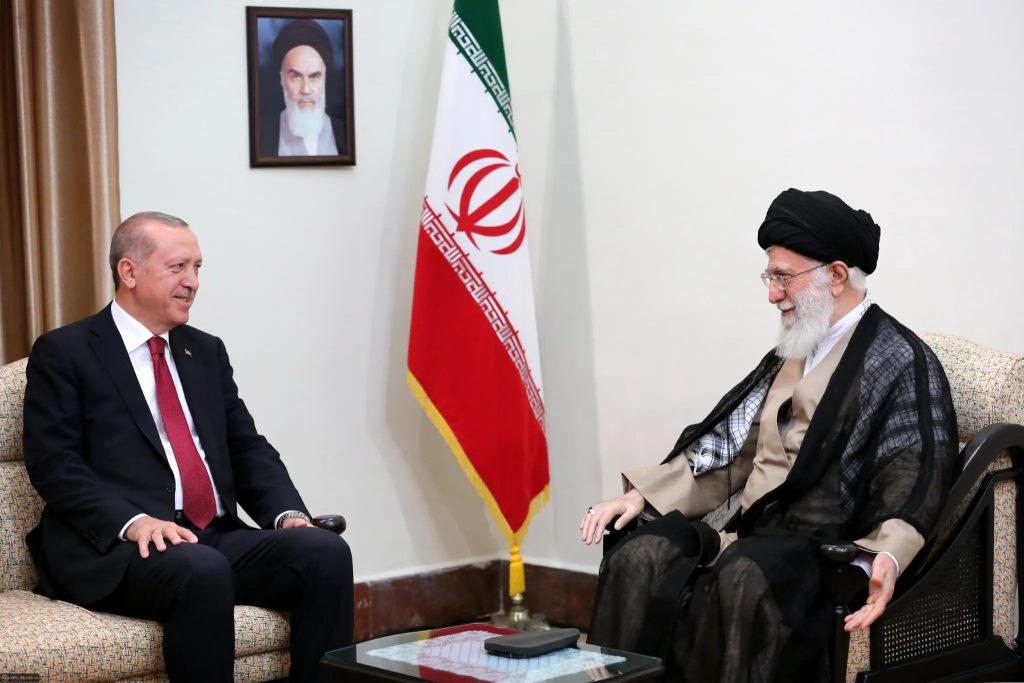
Turkey’s mediation between the US and Iran reflects a long-term strategy to expand its regional influence, manage security risks, and assert a neo-Ottoman leadership role, even as credibility gaps and geopolitical rivalries limit how far Ankara’s ambitions can translate into real diplomatic authority.