
Why Military Coercion Against Iran Risks a Regional Catastrophe

In early February 2026, the Persian Gulf sits at a knife-edge. The “Oman Talks,” which began on February 6, represent a desperate diplomatic attempt to avert a third Gulf War. While Washington views its “Armada” and the recent capture of Venezuela’s Maduro as leverage to force a total Iranian capitulation, Tehran views the same events as an existential threat that demands unconstrained asymmetric retaliation.
The Logic Behind Washington’s Coercive Economic Statecraft
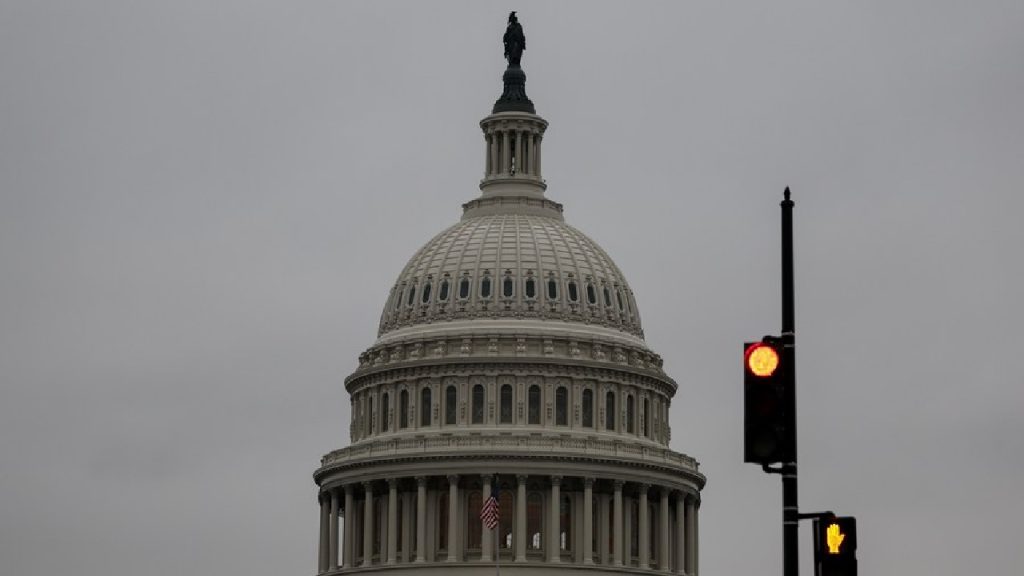
In early 2026, Washington’s “Sheriff of Capitalism” doctrine has formalised a shift from a rules-based global order to one defined by resource nationalism and coercive statecraft. This strategy was punctuated by the dramatic January 3, 2026, capture of Nicolás Maduro and the subsequent tariff war against European allies over the sovereignty of Greenland.
Somaliland and the Scramble for Red Sea Dominance
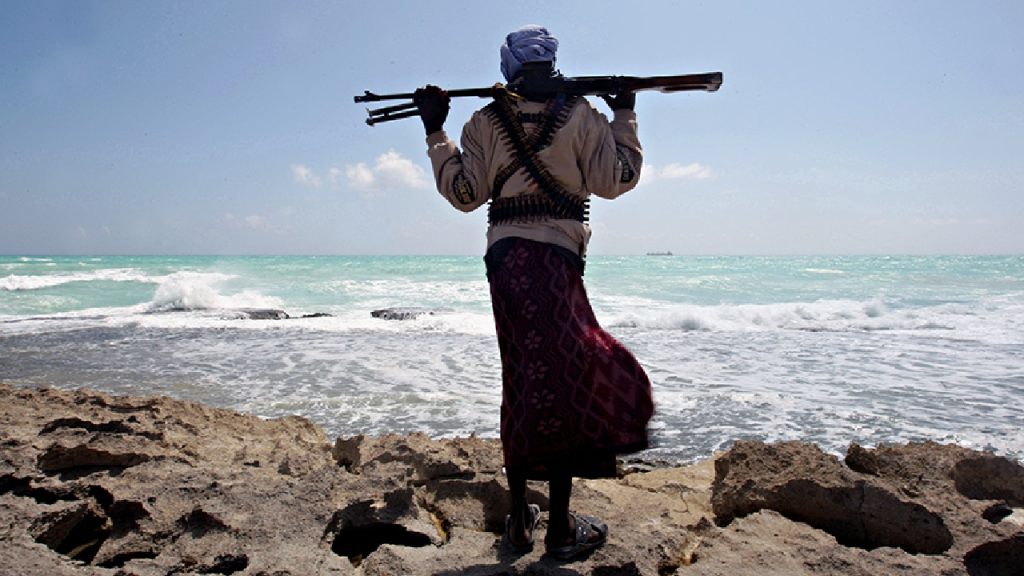
In early 2026, the Red Sea corridor is undergoing a profound structural shift following Israel’s formal recognition of Somaliland on December 26, 2025. This move shattered a 34-year diplomatic stalemate and has effectively birthed a new “Middle Power Axis” in the Horn of Africa.
How Washington, Beijing, and New Delhi Are Shaping the Global AI Landscape

The global AI landscape in 2026 is defined by a massive divergence in how the world’s three largest tech powers deploy capital and enforce rules. As the market moves toward an estimated $1.81 trillion to $2.4 trillion valuation by 2030, Washington, Beijing, and New Delhi have institutionalized three distinct “stacks” for the future of intelligence.
Hemispheric Realignment and the Reconstitution of Regional Power Dynamics in the Western Hemisphere
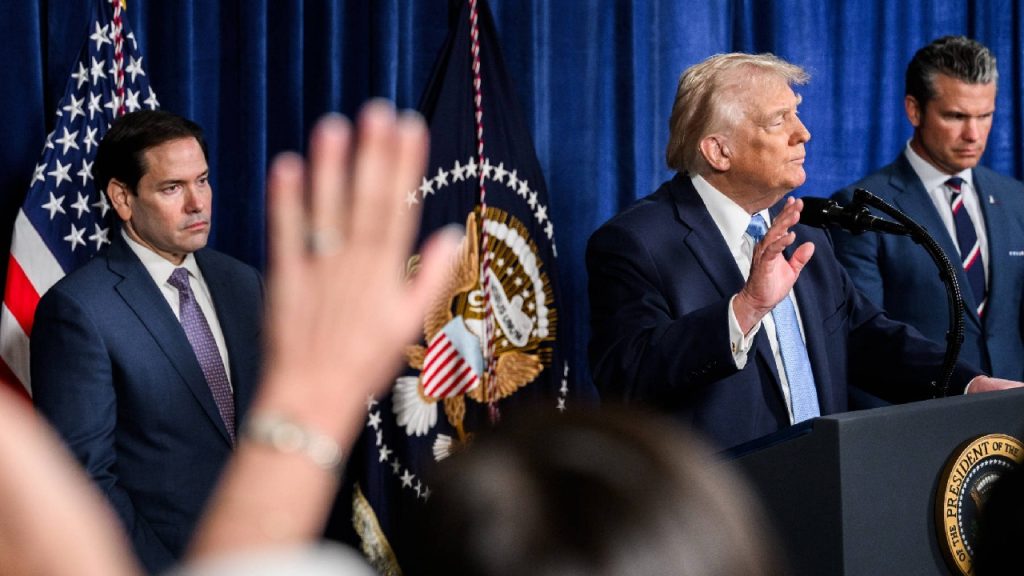
In early 2026, the Western Hemisphere is witnessing a seismic shift in geopolitical alignment. Driven by the December 2025 National Security Strategy (NSS) and the implementation of the “Trump Corollary” to the Monroe Doctrine, Washington has re-prioritized the Americas as its primary strategic theater. This realignment focuses on three pillars: the exclusion of non-hemispheric powers (China and Russia), the securitization of migration and trade, and the direct use of “regime change” as a tool of stability.
Canada’s Middle Power Rhetoric Collides With Gaza Reality

This analysis examines the growing disconnect between Prime Minister Mark Carney’s “middle power” rhetoric and Canada’s policy on Gaza as of early 2026. While Carney utilized the Davos 2026 platform to signal a new era of diplomatic “honesty,” critics argue that Canada’s continued use of arms-export loopholes and its response to the current nominal ceasefire highlight a systemic failure to apply international law consistently.
Scenarios for a US Military Strike on Iran
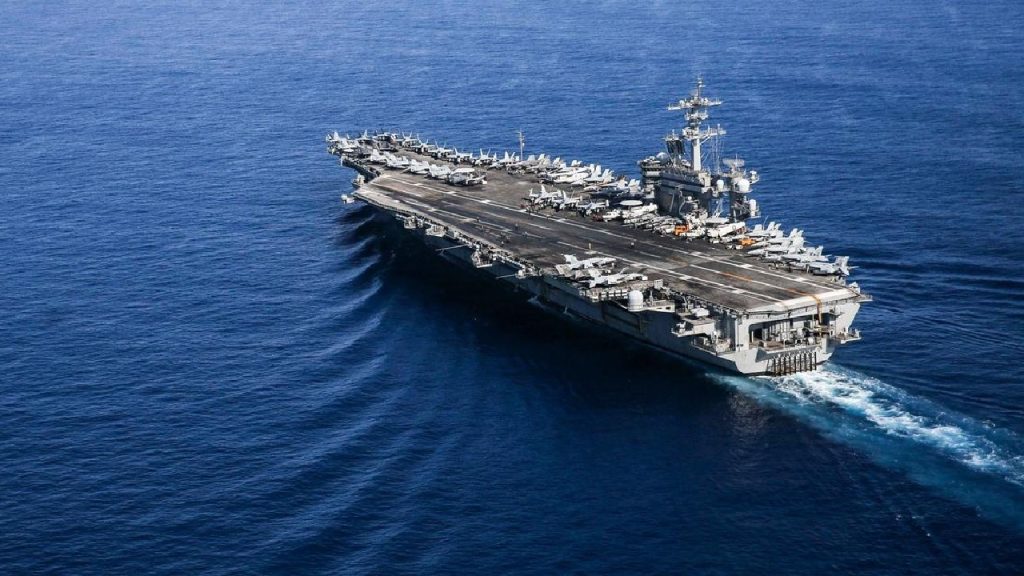
The recent surge in U.S. force posture—centered on the arrival of the USS Abraham Lincoln carrier strike group on January 26, 2026—has brought the “maximum pressure” campaign to a critical kinetic threshold. This buildup is the largest since Operation Midnight Hammer in June 2025, when B-2 stealth bombers struck Iranian nuclear sites at Fordow, Natanz, and Isfahan.
Nuclear Arms Control Faces a Pivotal Reckoning in 2026
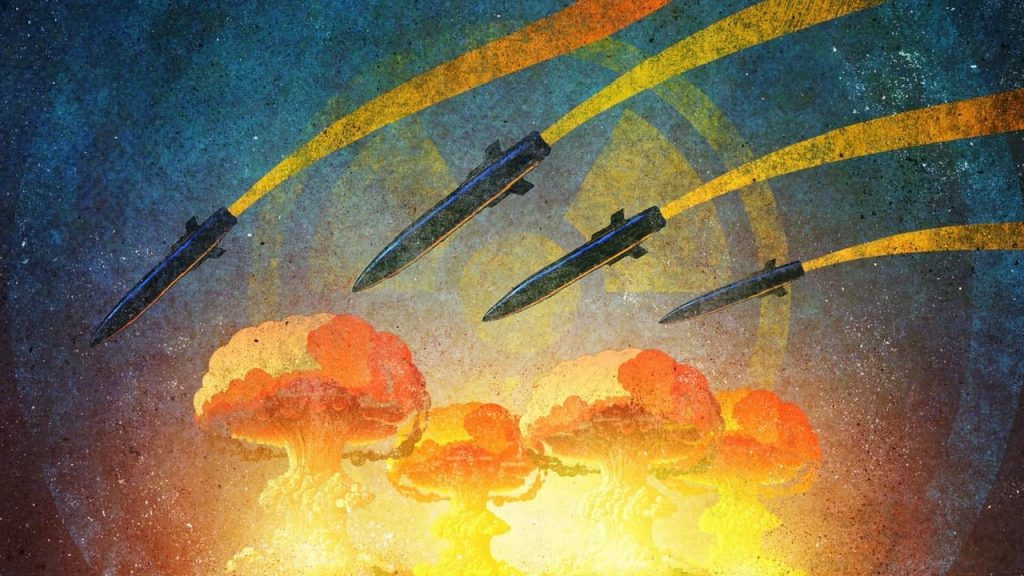
The New START treaty’s February 2026 expiration ended the era of bilateral arms control. With China’s arsenal exceeding 600 warheads and Iran’s enrichment nearing weapons-grade, the April NPT Review Conference faces a terminal crisis. Global stability now hinges on managing hypersonic technology and AI-integrated command systems amidst total verification collapse.
Eastern Mediterranean Defense Bloc Reshapes Regional Security
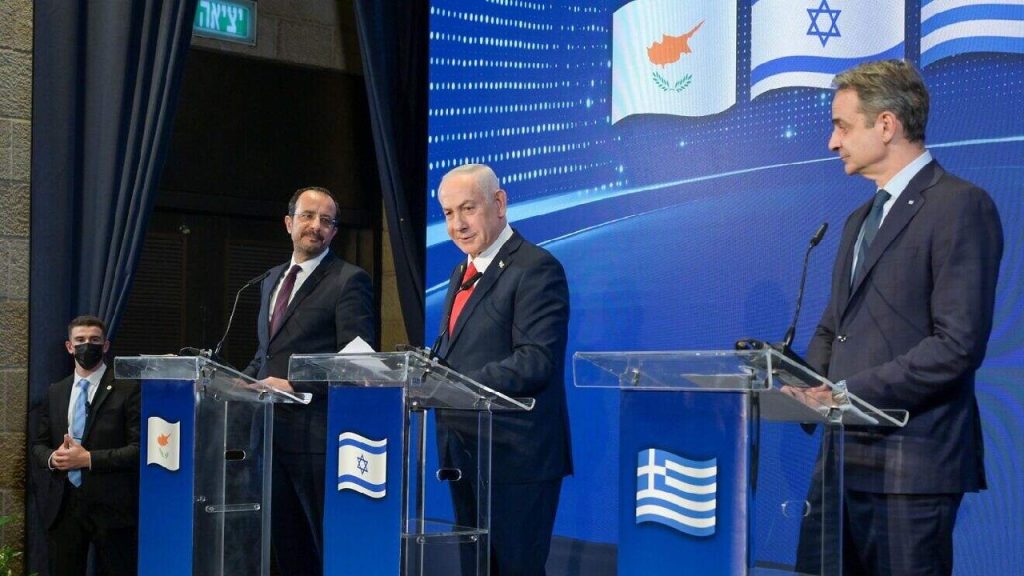
This report analyzes the rapid consolidation of the Israel-Greece-Cyprus trilateral partnership into a robust Eastern Mediterranean defense bloc as of early 2026. What was once an energy-focused cooperative has shifted into a “structural strategic alignment,” characterized by massive arms deals and institutionalized military coordination.
Allied Missile Defense Could Reshape East Asia’s SLBM Threat
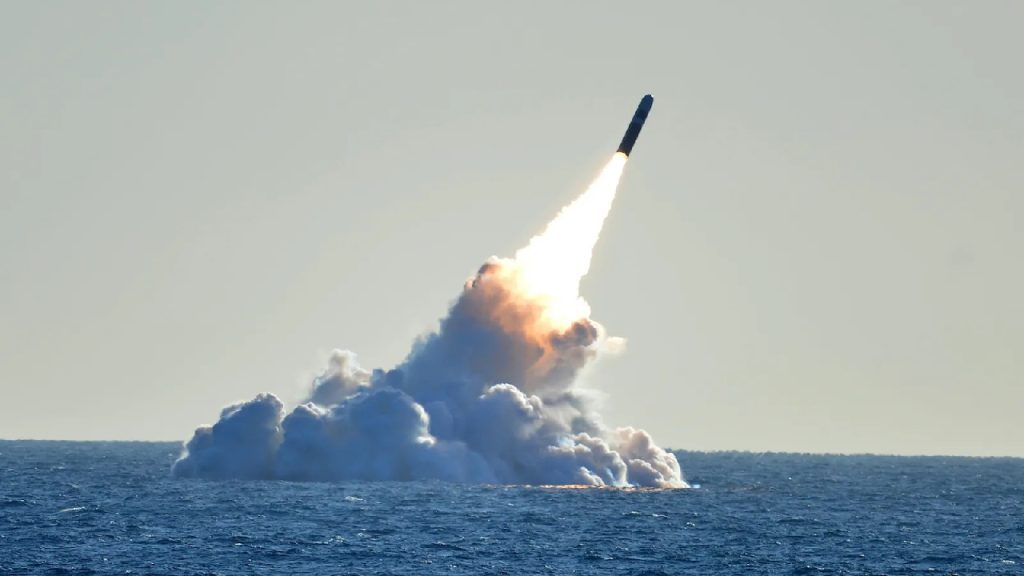
This analysis examines how a trilateral, sea-based missile defense architecture between the U.S., Japan, and South Korea could neutralize the evolving North Korean Submarine-Launched Ballistic Missile (SLBM) threat. By moving away from the “sole defender” model depicted in the 2025 thriller A House of Dynamite, the alliance can leverage forward-deployed Aegis assets to create a layered, multi-azimuth defense that buys critical decision-making time.
Syria’s Islamist Leadership Threatens Counter-Terrorism Goals and Regional Stability

The elevation of Ahmed al-Sharaa (formerly known by the nom de guerre Abu Mohammad al-Julani) to the presidency of Syria has fundamentally reshaped the geopolitical landscape. The transition from the Assad regime to the current transitional government has indeed forced a rapid recalibration of U.S. and international policy, balancing the removal of a long-standing adversary against the risks posed by a leader with former Al-Qaeda ties.
Why Economic Pressure Against Iran Continues Despite Policy Failures
This analysis explores why Iran sanctions persist despite failing to curb nuclear or missile programs. It argues that the focus has shifted from behavioral change to deliberate economic destabilization. By fostering “ghost fleets” for oil exports and causing severe civilian humanitarian crises, these measures may serve regime-change agendas rather than stated diplomatic goals.