
The Negotiation Asymmetry: Can Iran’s Concessions Match the Scope of American Demands
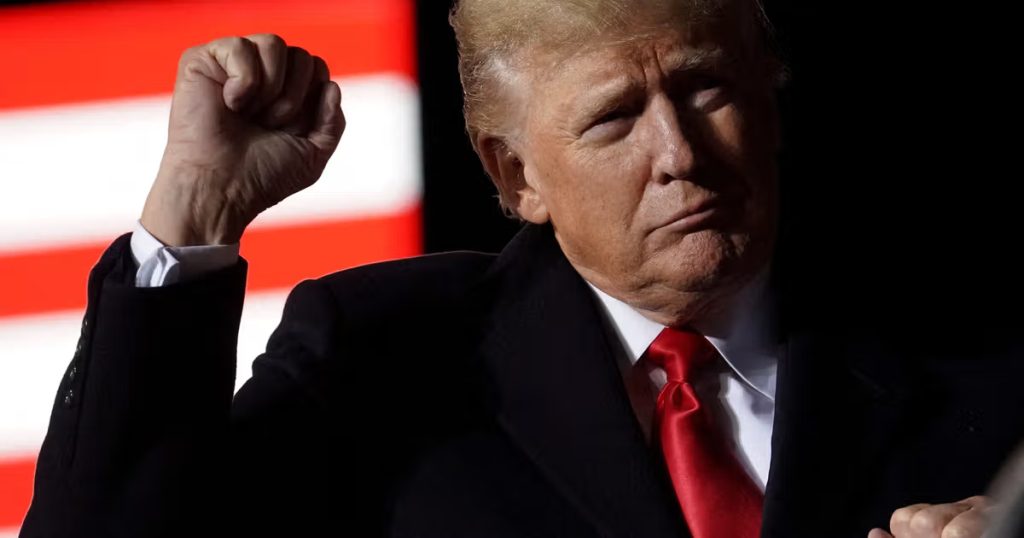
U.S.–Iran talks are unfolding under extreme imbalance. Washington negotiates with overwhelming military and economic leverage; Tehran negotiates under domestic strain, regional setbacks, and limited great‑power backing. But asymmetry does not guarantee capitulation. It creates a narrow, unstable space where both sides must decide whether compromise or confrontation better protects their core interests.
Tariff Barriers and the Reshaping of Global Trade Partnerships
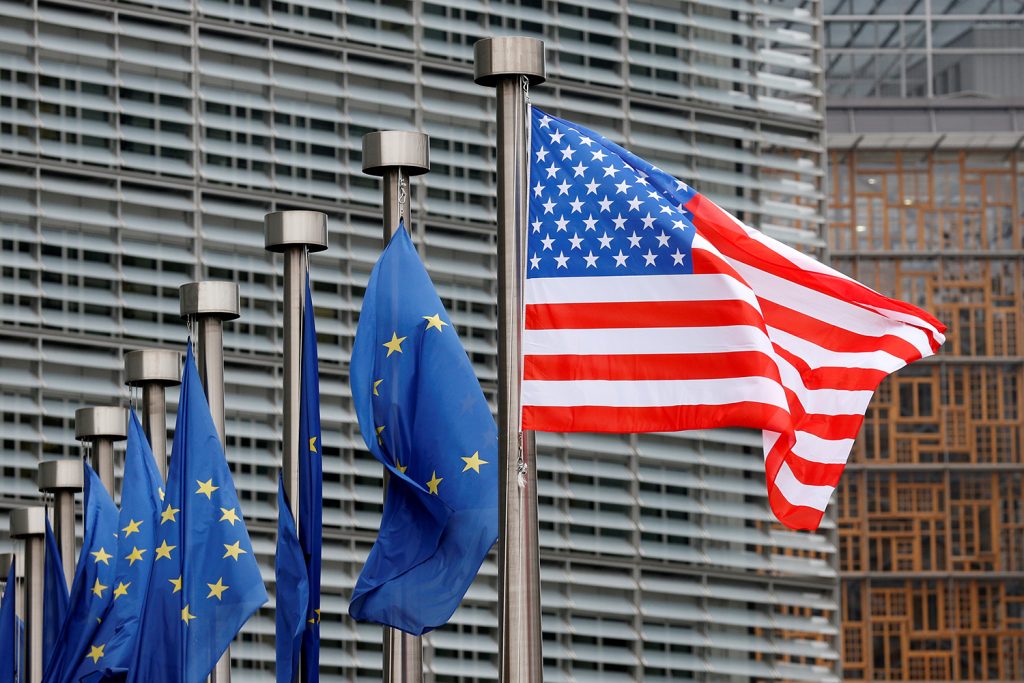
The liberal trade order that defined the post‑1945 world is no longer collapsing suddenly — it is dissolving structurally. The rise of protectionism, especially in the United States, is forcing every major economy to redesign its trade strategy in real time. What emerges is not a new system, but a fragmented landscape of overlapping blocs, bilateral deals, and improvised coalitions.
Iraq’s Political Gridlock: When Foreign Veto Power Collides With Domestic Legitimacy
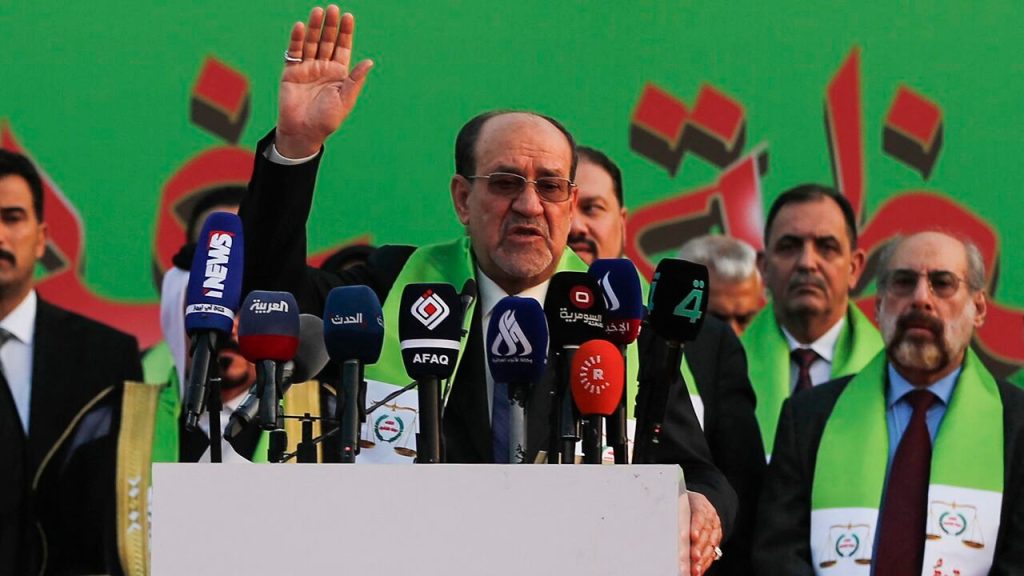
Iraq’s political paralysis is not simply the result of domestic factionalism. It is the predictable outcome of a system where external veto power routinely overrides internal legitimacy. The current standoff over Nouri al‑Maliki’s nomination exposes the structural contradiction at the heart of Iraqi governance: sovereignty exists on paper, but government formation depends on which foreign actor is willing to impose the highest cost.
When Legal Order Depends on Sustained Resistance: Sovereignty and the Collapse of Restraint

International law has never been self‑enforcing. It works only when states collectively treat violations as intolerable. Once powerful actors discover that coercive territorial change carries minimal cost, the system shifts from rule‑based restraint to power‑based ordering. For states whose security depends on law rather than force, this shift is existential.
When Federal Leadership Falters: Subnational Climate Action Fills Global Policy Void

As federal climate leadership becomes inconsistent, subnational governments are stepping into the vacuum, building their own diplomatic networks, regulatory frameworks, and climate alliances. This is not a symbolic gesture — it is the construction of a parallel climate governance system that increasingly shapes global policy.
The Fracturing of Transatlantic Security Architecture and Europe’s Strategic Reckoning

Europe is entering a moment it has avoided for 75 years: the need to think about its own defense, its own nuclear deterrent, and its own geopolitical identity without assuming the United States will always be there. The postwar order isn’t just fraying — it’s structurally decomposing.
The European Integration Paradox: Seeking Speed Without Structural Change
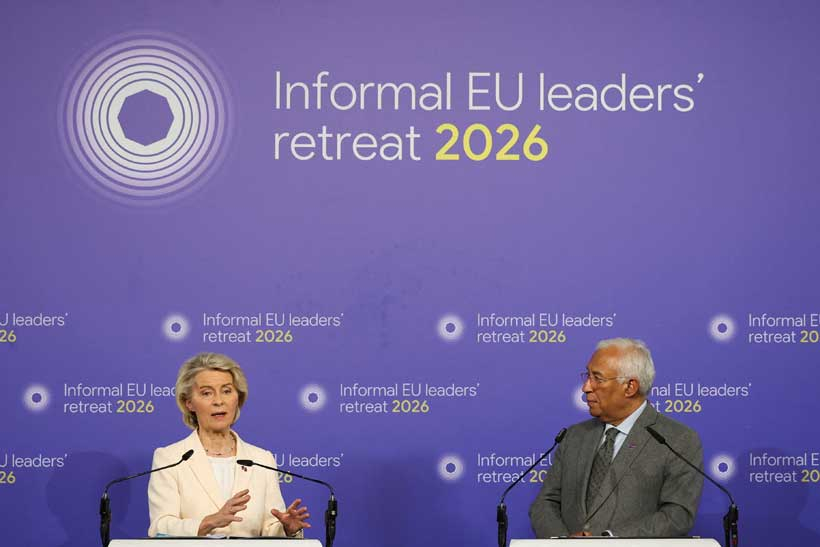
Europe is trying to compete in a world defined by U.S. and Chinese state capacity, but it is doing so with institutions designed for consensus, caution, and inclusivity. The result is a structural contradiction:
Rubio’s Munich Overture Exposes the Fractures in Transatlantic Relations
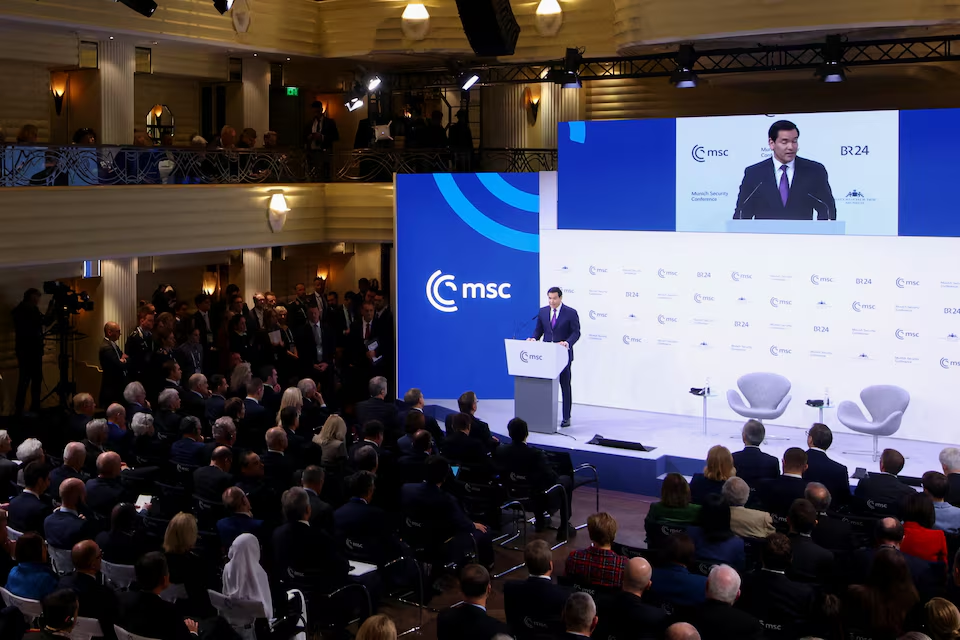
Rubio’s Munich speech was designed to sound like a reset in transatlantic relations, but its omissions and ideological framing revealed that the structural rift between Washington and Europe is widening, not closing.
Why Tehran Chose Muscat: The Strategic Logic Behind Iran’s Mediation Preferences
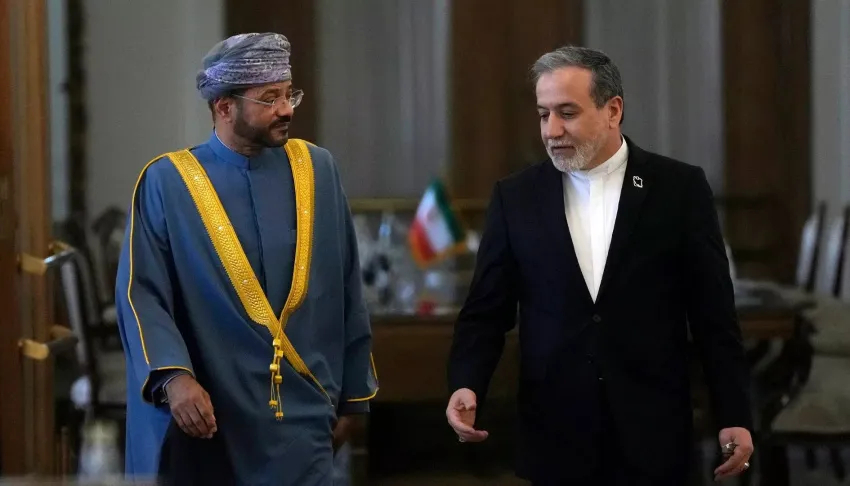
Iran favors Muscat because Oman offers neutrality, discretion, and insulation from agenda‑expanding pressures, allowing Tehran to control the scope of talks and avoid the political exposure it fears in venues like Istanbul.
US Drug Pricing Mandate Destabilizes Swiss Pharmaceutical Sector
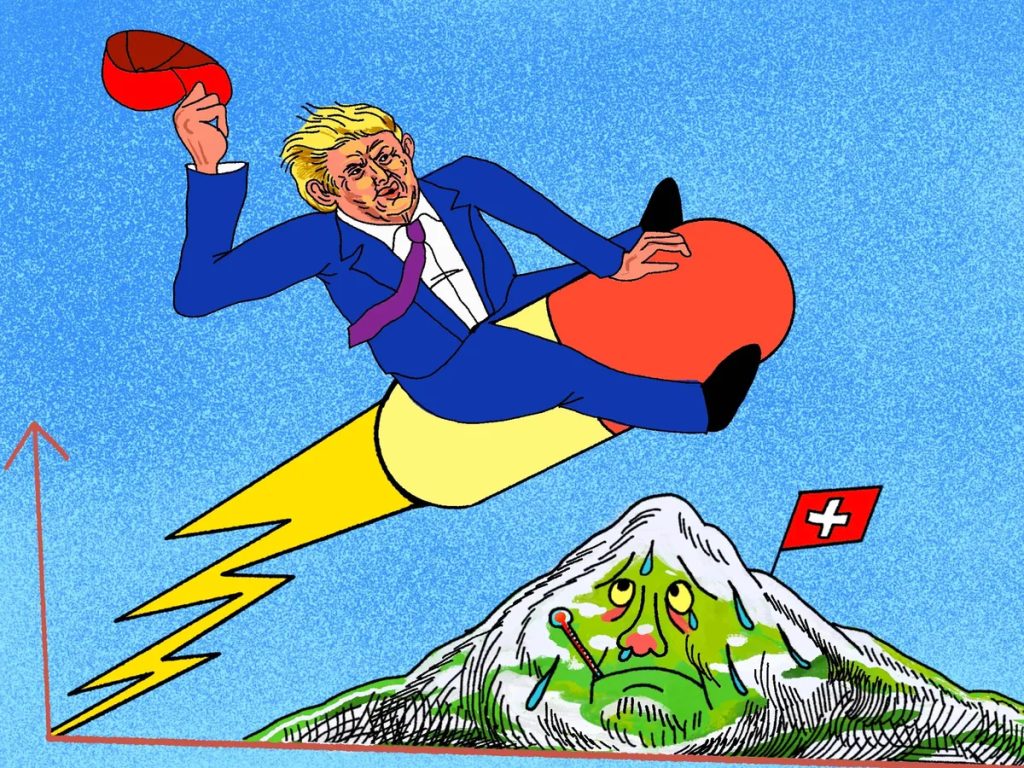
Washington’s pricing mandate is pushing drugmakers to raise European benchmarks and even pull treatments like Roche’s Lunsumio from Switzerland, destabilizing a pharma‑dependent economy and shrinking patient access as companies protect U.S. margins at the expense of smaller markets.
Trump’s Coercive Federalism Mirrors Foreign Intervention Tactics

Trump’s bid to nationalize elections and pressure Democratic-led states mirrors his foreign intervention tactics, using federal enforcement and delegitimization to treat domestic opponents as territories to be coerced rather than communities to be governed.
The End of New START and the Dawn of Unconstrained Nuclear Rivalry
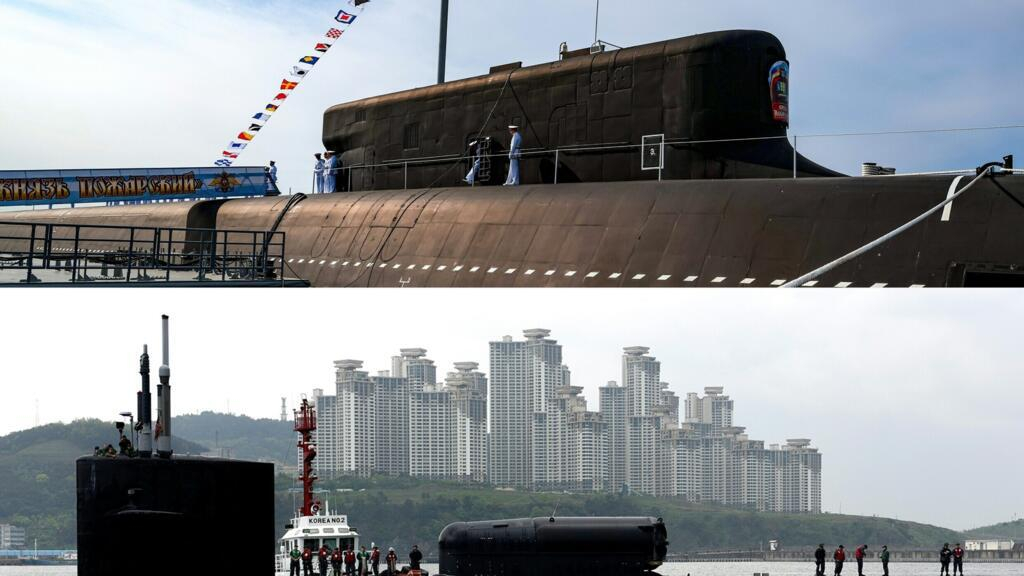
The end of New START has opened the door to unconstrained U.S.–Russia nuclear expansion just as China accelerates its own buildup, creating a volatile three‑way arms race with no verification, no guardrails, and rising risks of miscalculation.