
Europe’s Hard Pivot Toward Financial and Digital Sovereignty
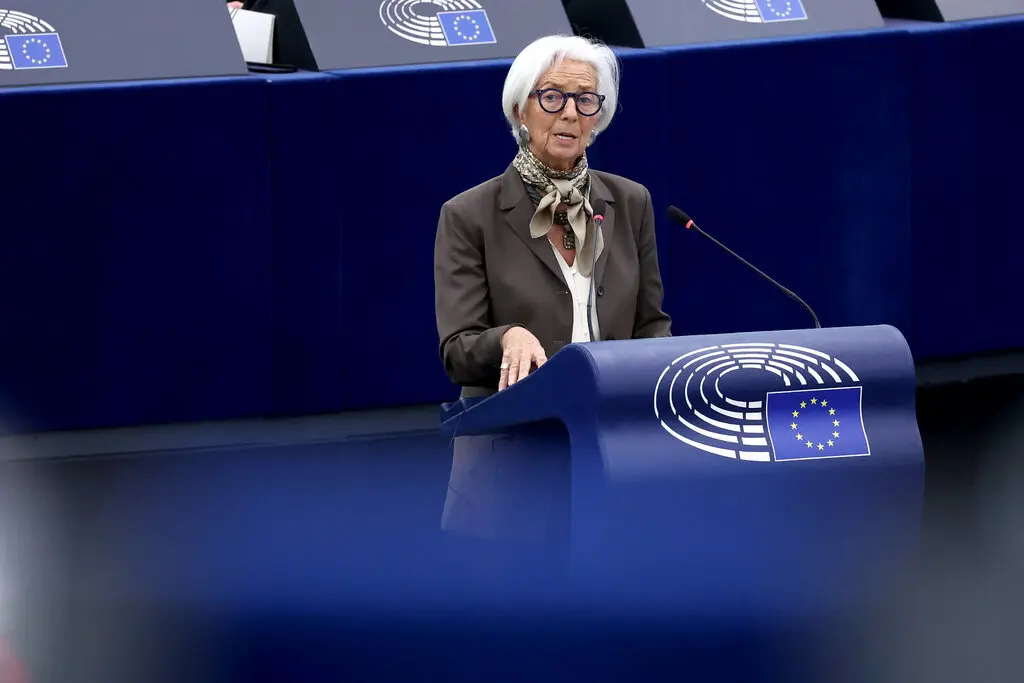
For decades, Europe treated American digital infrastructure and financial networks as neutral utilities. That illusion has collapsed. The combination of extraterritorial U.S. laws, sanctions used as administrative weapons, and the growing willingness of Washington to threaten allies has forced European governments to confront a simple truth: dependency equals vulnerability.
BRICS and the Dollar: Can an Emerging Bloc Reshape Global Finance?
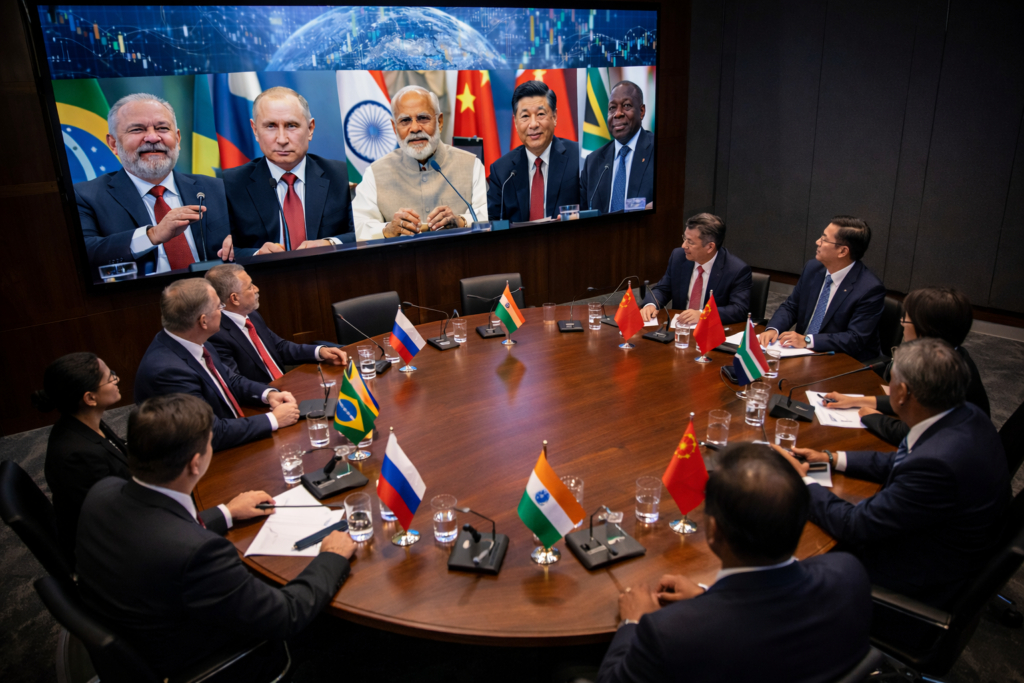
BRICS has evolved from a clever acronym into a geopolitical project large enough to unsettle Washington. Trump’s 2025 tariff threats — and the panic triggered by his Spain “BRICS” gaffe — reveal how seriously the U.S. now treats the bloc. With 20 members and partners, BRICS+ represents a demographic and economic mass that rivals the G7, even if its internal cohesion remains uneven.
Beyond Iraq: The High Cost of a Conflict With Iran
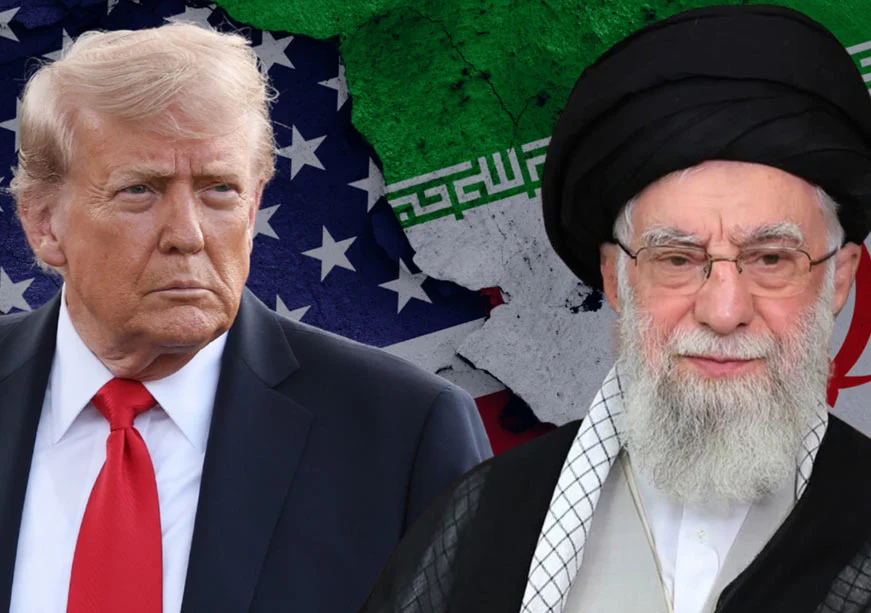
The renewed deployment of U.S. naval power to the Gulf has revived a debate that Washington never fully resolved: can the United States coerce Iran militarily without triggering a regional or global crisis. The answer, increasingly, is no. Iran is not Iraq — not geographically, not militarily, not diplomatically, and not economically. Any conflict would be multidimensional, prolonged, and globally destabilizing.
Beijing Builds a Digital Great Wall to Shield Iran From Mossad

China is no longer treating Israeli covert operations inside Iran as a distant regional issue. For Beijing, the recent wave of sabotage, assassinations, and radar penetrations has revealed a new model of warfare — one that blends cyber infiltration, internal disruption, and precision strikes. And because Iran sits at the heart of China’s Belt and Road energy corridor, Beijing now sees Iranian vulnerability as Chinese vulnerability.
Ankara’s Legal War on Israel Reshapes the Region
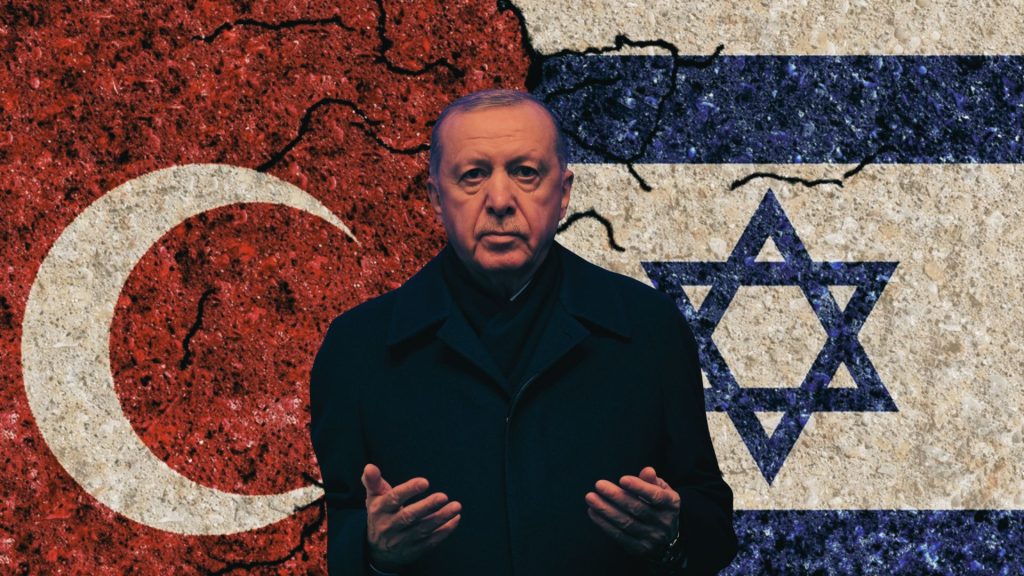
Turkey is no longer treating its dispute with Israel as a diplomatic quarrel. It has transformed the relationship into a multi‑front legal, economic, and institutional confrontation designed to outlast the Gaza war and reshape regional norms. What began as political outrage has evolved into a sustained strategy of prosecution, isolation, and norm‑setting — a shift far more consequential than the Mavi Marmara rupture of 2010.
When Military Shows of Force Replace Political Solutions: The Contradiction at the Heart of U.S. Haiti Policy

In early 2026, Haiti has reached a critical juncture where the expiration of the Transitional Presidential Council (TPC) mandate has paved the way for a more overt U.S. military presence in the Caribbean. The arrival of warships in the Bay of Port-au-Prince on February 4, 2026, underscores a century-long pattern: when Haitian institutions falter, Washington resorts to “Gunboat Diplomacy.”
The Collapse of Democratic Consensus

In early 2026, the “Collapse of Democratic Consensus” in the United States is no longer a theoretical risk—it is a measurable statistical reality. The transition from partisan disagreement to regime delegitimation is being driven by a historic hollowing out of the political center and an unprecedented alienation of the youth.
Regional Hegemonies Under Strain: Why Great Powers Dominate Their Neighborhoods

In early 2026, the structural logic of regional hegemony has moved from theoretical debate to high-stakes reality. While major powers (the U.S., China, and Russia) are doubling down on their geographic cores, the “exhaustion of expansion” is becoming the defining theme of the year.
Iraq’s Political Gamble: When Strongmen Return to Fragmented States

In early 2026, Iraq finds itself in a state of “organized confusion” as it attempts to finalize its government following the November 11, 2025 elections. The sudden withdrawal of Mohammed Shia al-Sudani and the push for Nuri al-Maliki’s return have transformed a domestic transition into a high-stakes standoff between Washington and Tehran.
Digital Energy Architecture: Why Grid Modernization Precedes Climate Action in the Global South

In early 2026, the Global South is pioneering a “Digital Public Infrastructure” (DPI) approach to energy that shifts the focus from building solar panels to building the “intelligence” required to manage them. As global electricity demand is projected to grow by 3.7% in 2026, primarily outside advanced economies, the traditional linear grid is being replaced by Digital Energy Architecture.
When Alliance Distances Become Strategic Liabilities: Europe’s Iran Dilemma
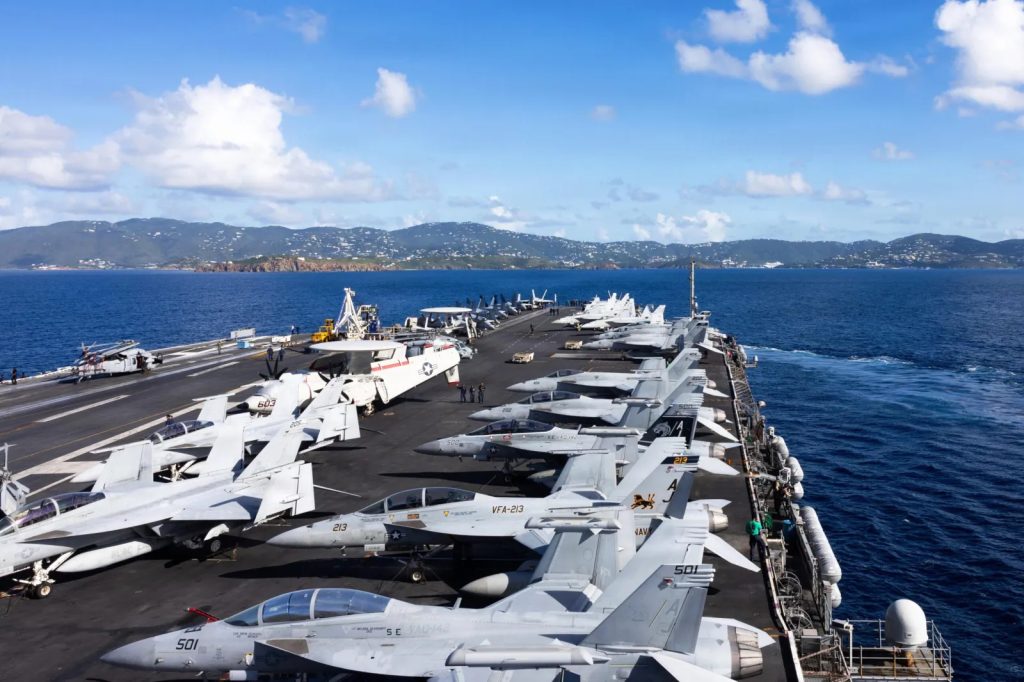
Europe is trying to perform an impossible balancing act: signal independence from Washington while relying entirely on American military power to deter threats that Europe cannot handle alone. The Iran crisis exposes this contradiction with unusual clarity. At the very moment when Western unity is strategically essential, Europe is drifting into rhetorical autonomy that it cannot operationalize.
The Psychology of Escalation in Foreign Intervention
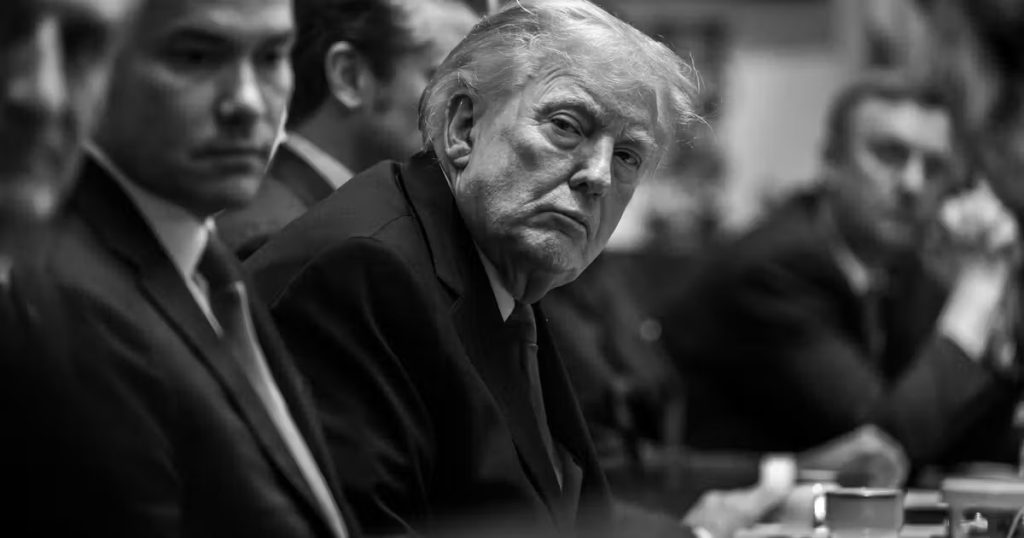
U.S. decision‑making on Iran is increasingly shaped not by structured interagency analysis but by a feedback loop of emotional validation. When a leader repeatedly asks a narrow circle of loyalists whether an action is a “winner,” the question itself becomes a self‑fulfilling prophecy. The result is a foreign policy environment where impulse, affirmation, and narrative gratification override strategic caution.