
US Threatens Iran With ’20 Times’ Harder Response Over Hormuz
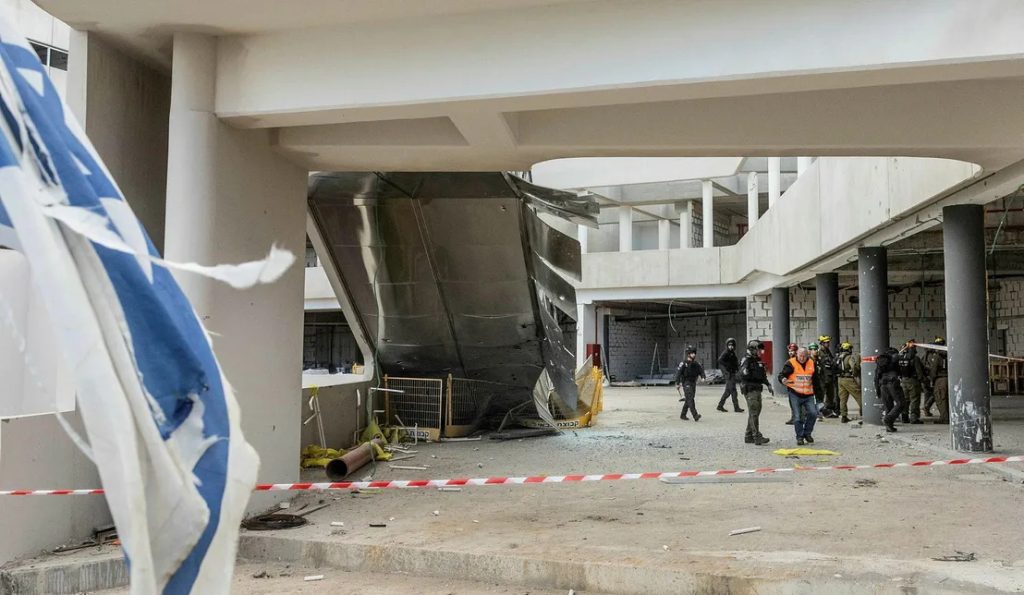
The U.S.–Israel war with Iran has entered a deadly rhythm: heavy American strikes, rising regional casualties, and Iran threatening the Strait of Hormuz. Over 140 U.S. troops are wounded, Gulf states face missile barrages, and oil flows have nearly halted. Trump warns Iran will be hit “20 times harder” if Hormuz is mined.
AI’s Insatiable Appetite Is Reviving Nuclear Power

Exploding AI demand is pushing Big Tech toward nuclear power, with Meta, Microsoft, Google, and Amazon securing unprecedented reactor deals. The U.S. aims to quadruple capacity but lacks long‑term waste storage and domestic enrichment. Meanwhile, China races ahead with rapid reactor expansion and SMR deployment, reshaping global energy influence.
Washington May Be Speaking the Wrong Language With Tehran
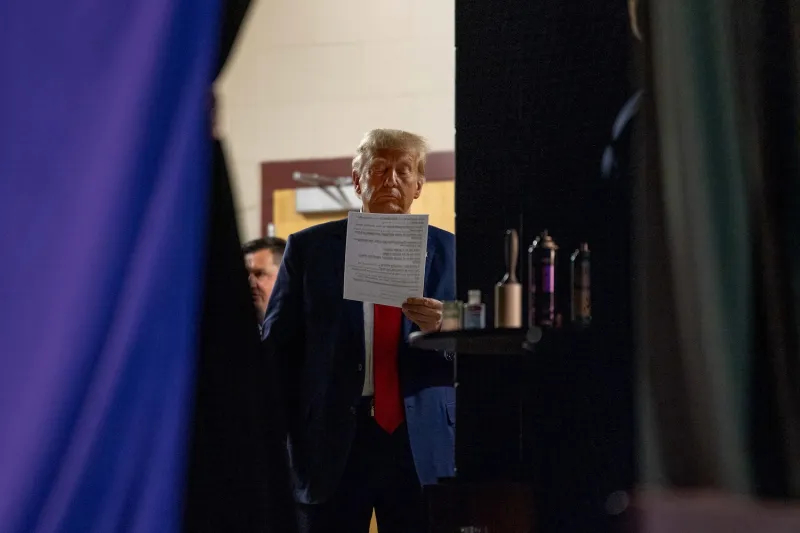
Khamenei’s invocation of Karbala signals a shift from deterrence to existential defiance, undermining Washington’s assumption that limited strikes can coerce Iran. Tehran’s doctrine favors horizontal escalation, hardened nuclear sites, and regional proxies. With succession fears rising, even a “surgical” U.S. attack risks unifying Iran’s system and triggering unpredictable retaliation.
The Maduro Capture and Trump’s Disposable International Law

Trump’s seizure of Nicolás Maduro was framed as a “judicial extraction,” but legal scholars say it violated the UN Charter’s ban on force and exposed the limits of international law. By stripping Maduro’s immunity and bypassing the ICJ, Washington set a precedent major powers can exploit — with implications far beyond Venezuela.
Beijing’s Case for a European Break With NATO
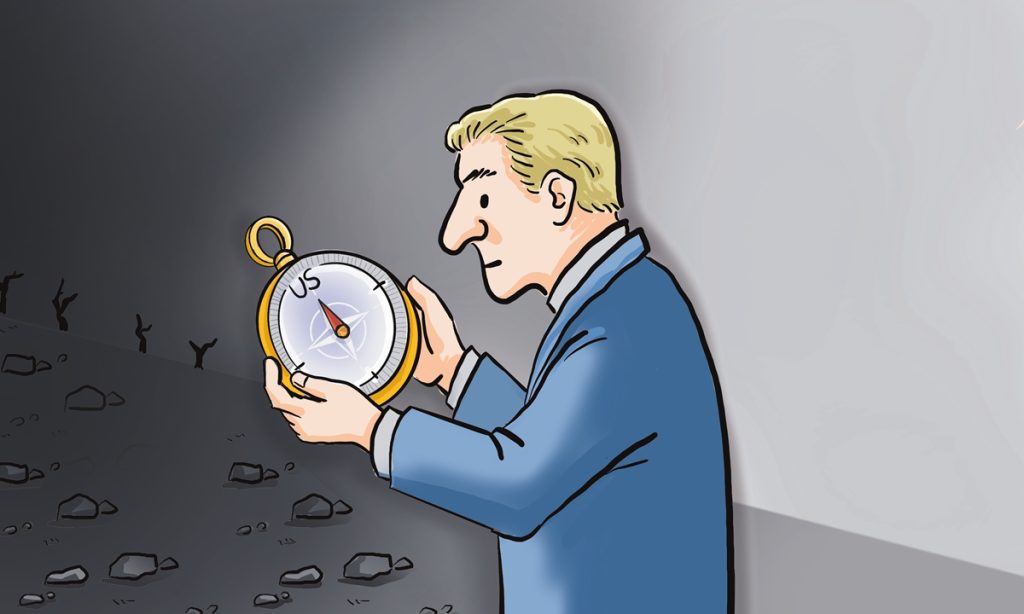
China’s state media cast Rubio’s Munich speech as proof Europe should quit NATO, but Europe is rearming within the alliance, not abandoning it. Beijing’s call ignores EU–China trade frictions and Europe’s dependence on Chinese rare‑earths. The real debate is about European autonomy inside NATO — not a break with Washington.
Why a Nuclear-Only Iran Deal Is the Smart Play
A nuclear‑only agreement is the most achievable path in the current U.S.–Iran standoff. Iran’s damaged enrichment sites and willingness to accept strict IAEA oversight create rare diplomatic space, while demands on missiles and proxies are non‑starters. Limiting talks to the nuclear file avoids war and secures verifiable constraints.
Trump’s Grand Strategy Is Speeding Up the Decline It Promised to Reverse

Trump’s strategy of hemispheric retreat, tariff coercion, and fossil‑fuel dominance is accelerating the very American decline it vowed to reverse. The U.S. has suffered a sharp drop in global soft power, alienated allies through chaotic tariffs, and ceded the clean‑energy future to China. The result is a faster, more chaotic erosion of U.S. influence.
Iran and the US: War Drums or a Last-Minute Deal?
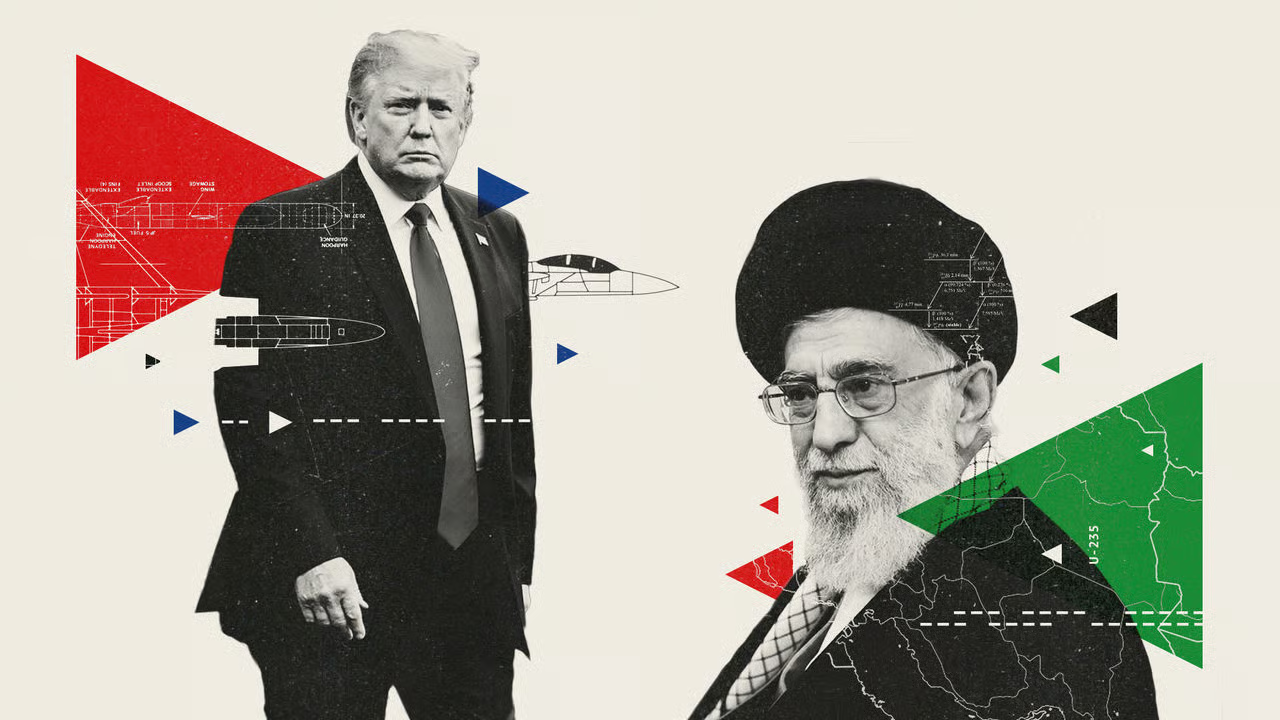
A massive U.S. buildup and Trump’s ultimatum have pushed Washington and Tehran toward a decisive moment. Iran’s weakened economy and protests limit its options, while threats to close the Strait of Hormuz raise global stakes. A narrow deal allowing token enrichment remains possible, but failure could trigger U.S. strikes with unpredictable escalation.
Iran Crisis: What Seven Experts Think Could Happen Next
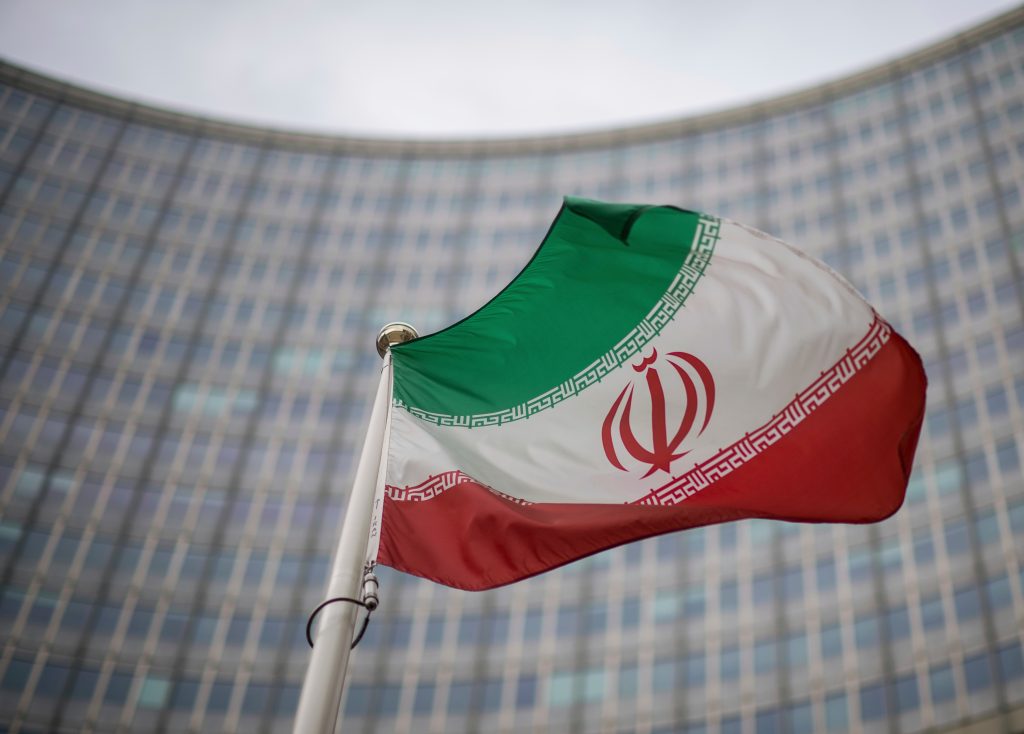
A massive U.S. buildup and stalled diplomacy have created the most volatile U.S.–Iran standoff in decades. Experts disagree whether Trump’s pressure will force a deal or trigger escalation. Iran’s weakened regime, internal unrest, and unpredictable IRGC commanders heighten risks. With both sides misreading each other, even a “limited strike” could spiral fast.
Rojava’s End: How Washington Discarded Its Kurdish Allies
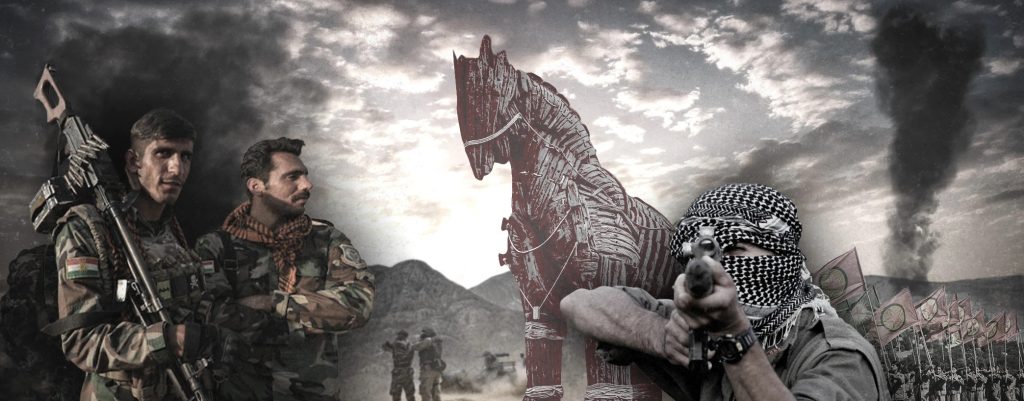
Rojava collapsed after Damascus seized most DAANES territory, ending a decade‑long Kurdish experiment dependent on U.S. protection. Washington shifted support to Syria’s new government, transferring thousands of ISIS detainees. As Kurdish forces are absorbed into the state, attention turns to Iran’s Kurdish movements — the next potential pressure point in regional geopolitics.
Ukraine’s Fifth Year: What Does Putin Actually Want?
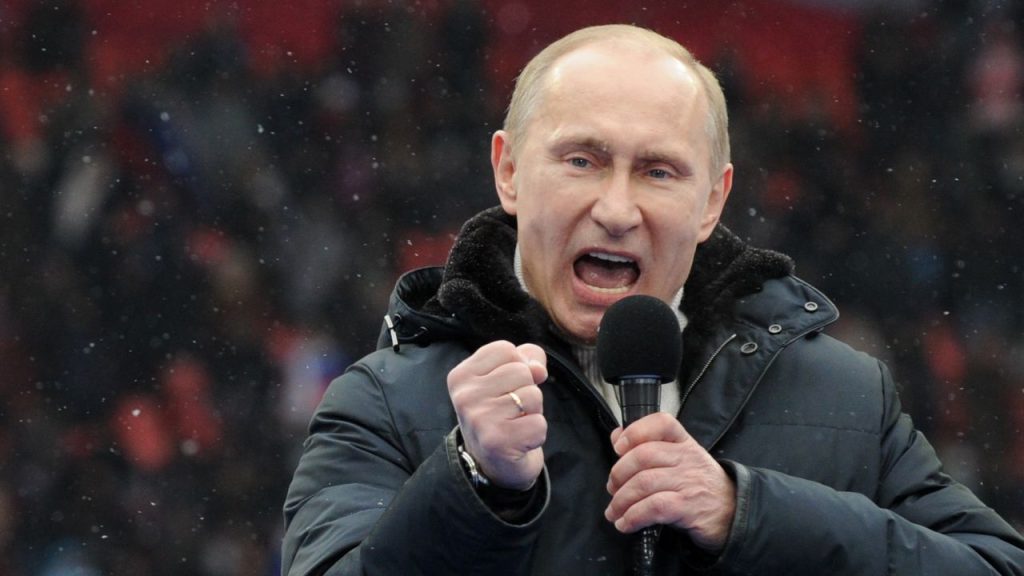
Four years in, Russia controls 20% of Ukraine but still lacks its stated goals. Analysts disagree whether Putin seeks limited territorial gains or political control over all of Ukraine. U.S.‑led talks hinge on territorial concessions Kyiv rejects. With no viable security guarantees, the war’s fifth year begins without a credible path to peace.
Indonesia’s Minerals Deal: A Strategic Win or a Costly Surrender?
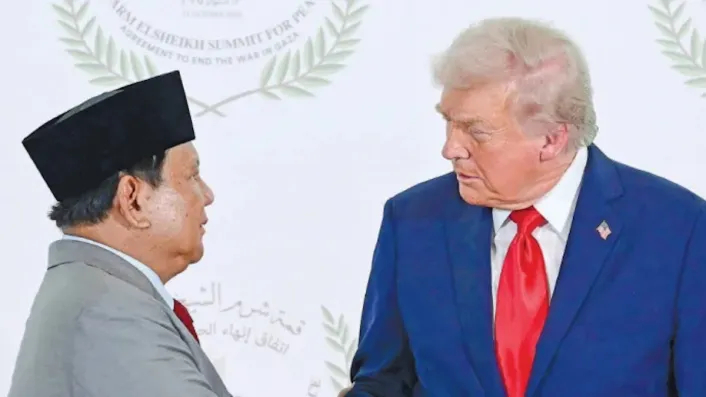
Indonesia’s tariff deal with Washington risks unraveling its hard‑won nickel industrial policy. The agreement lifts U.S. levies but pressures Jakarta to relax export restrictions without securing binding processing or technology commitments. With China dominating refining and EV markets shifting away from nickel, the deal could weaken Indonesia’s leverage unless renegotiated.