
Israel’s Death Penalty Bill Targets Palestinians

Israel’s proposed death‑penalty bill creates a two‑track system that overwhelmingly targets Palestinians, applying capital punishment through military courts with no appeals. Rights groups warn it violates the Fourth Geneva Convention and entrenches discrimination. Amid reports of torture and deaths in custody, critics say the bill would formalize abuses already occurring inside Israel’s detention system.
US-Iran Nuclear Talks Walk a Razor’s Edge
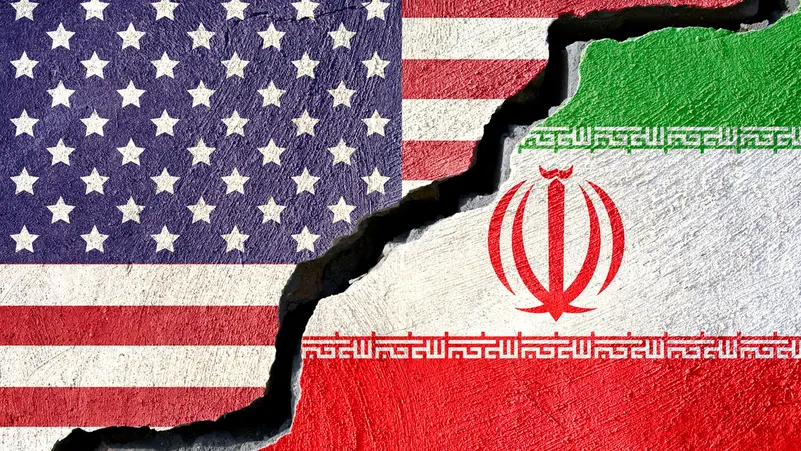
US–Iran talks resume in Geneva as both sides escalate militarily. Washington’s deadline and massive buildup collide with Tehran’s threats to close the Strait of Hormuz. The core dispute remains enrichment. If Iran offers verifiable limits and expanded IAEA oversight, a deal is possible; if not, Trump is weighing military options.
Four Years of War: Ukraine Demands Action Over Words
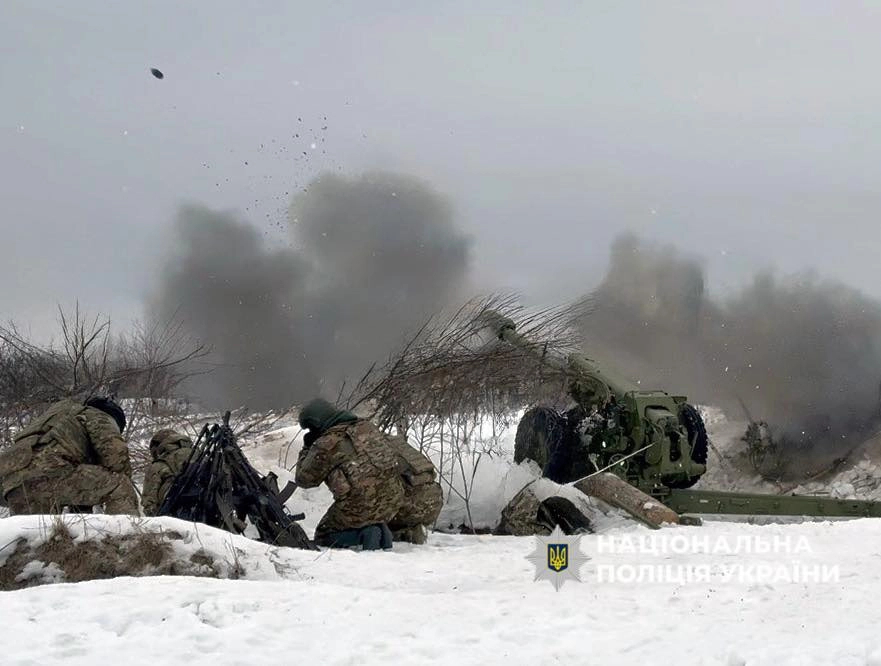
Four years into Russia’s invasion, Ukraine faces a grinding stalemate as Western aid shifts. U.S. support has sharply declined while Europe shoulders most military and financial assistance. Sanctions strain but don’t break Russia. Ukraine demands air defense and sustained backing to prevent further losses and secure its future.
Global Trade Caught Between American Chaos and Chinese Calm
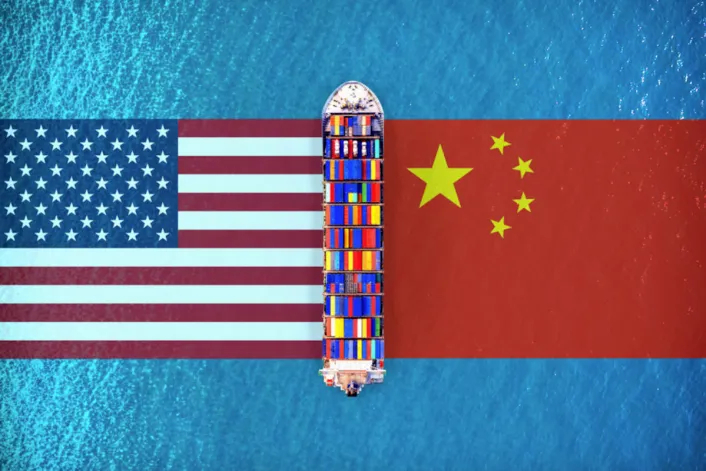
Global trade is being squeezed between U.S. tariff volatility and China’s projection of stability. Trump’s rapid tariff shifts froze the EU’s Turnberry deal and rattled partners from India to ASEAN. Meanwhile, China’s record surplus masks weak domestic demand. For third countries, the real choice is between American policy whiplash and Chinese dependency.
ISNAD’s Shift From Wartime Propaganda to Long-Term Social Warfare
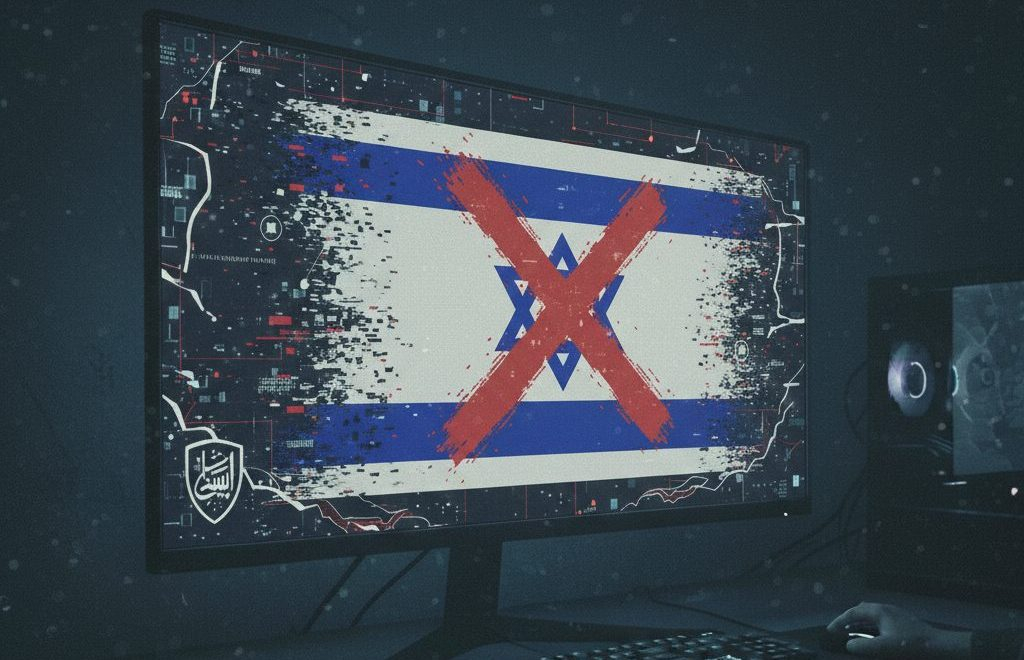
The ISNAD network has shifted from wartime agitation to long‑term influence operations, using fake Hebrew accounts to erode Israeli social cohesion. Its new “sociological warfare” strategy promotes polarization, distrust, and emigration. With tighter organization and ideological volunteers, ISNAD offers a replicable model of civilian‑style interference that democracies are still struggling to counter.
Turkey’s Sunni Coalition Push Reshapes Middle East Power
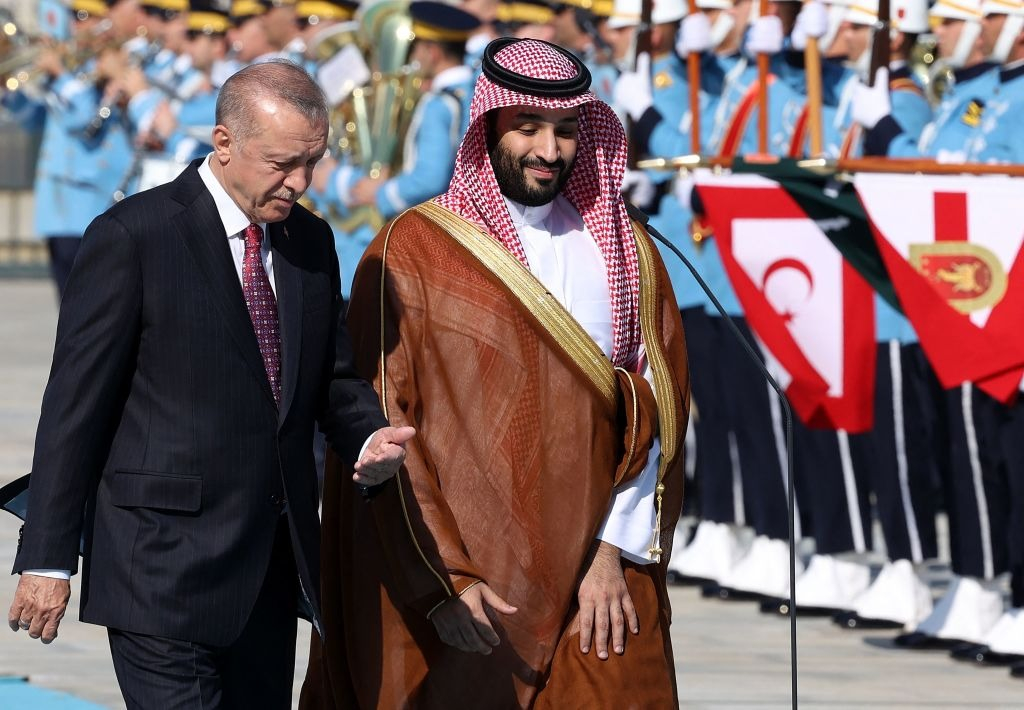
Turkey is building a new Sunni‑majority alignment through rapid diplomacy with Saudi Arabia, Egypt, and Jordan. Arms deals, industrial cooperation, and coordinated statements on Gaza signal Ankara’s expanding influence. But rival ambitions, Gulf hedging, and Israel’s resistance to Turkish involvement in Gaza could limit how far this emerging coalition can solidify.
Russia Wants the Dollar Back — and BRICS Should Be Worried

Russia is quietly considering a return to the dollar system, reversing years of anti‑dollar rhetoric. Economic strain, slowing growth, and dependence on China are driving the shift. If Moscow abandons de‑dollarization, the BRICS project looks less like an alternative order and more like leverage — exposing the limits of the bloc’s monetary ambitions.
US vs. Iran: Three Strike Options as Diplomacy Stalls
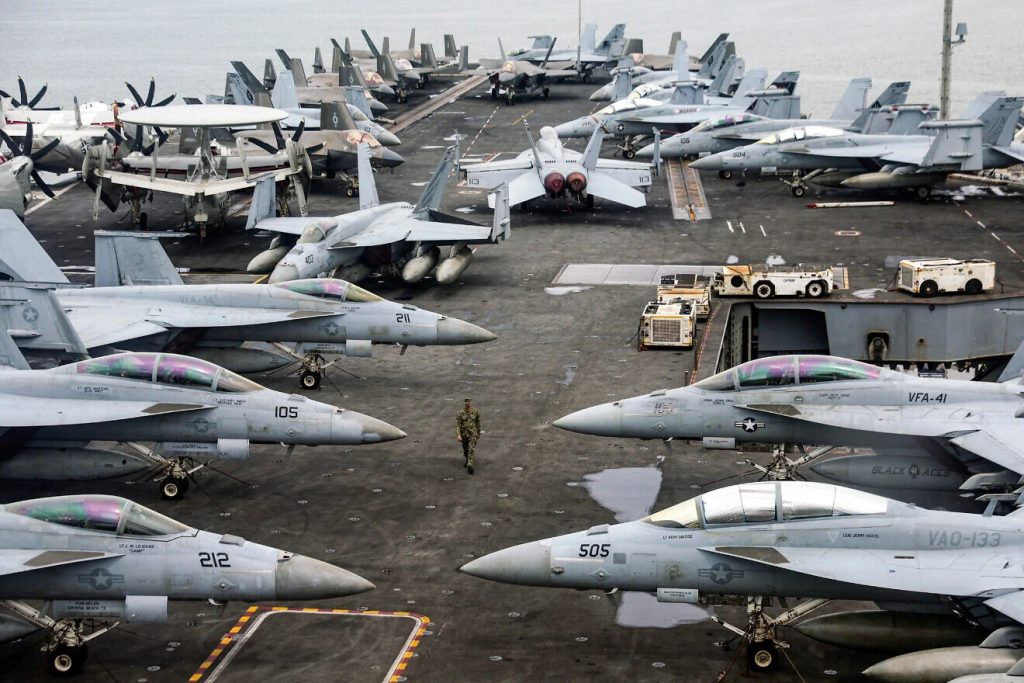
A massive U.S. buildup has positioned two carrier groups and stealth bombers for strikes on Iran. Washington is weighing three options: regime‑targeted attacks, strikes on nuclear sites, or an economic‑military squeeze. Tehran signals it will retaliate through missiles and its regional proxy network. With diplomacy stalled, the risk of rapid escalation is rising.
Pakistan and Turkey Are Breaking the Western Monopoly on Airpower
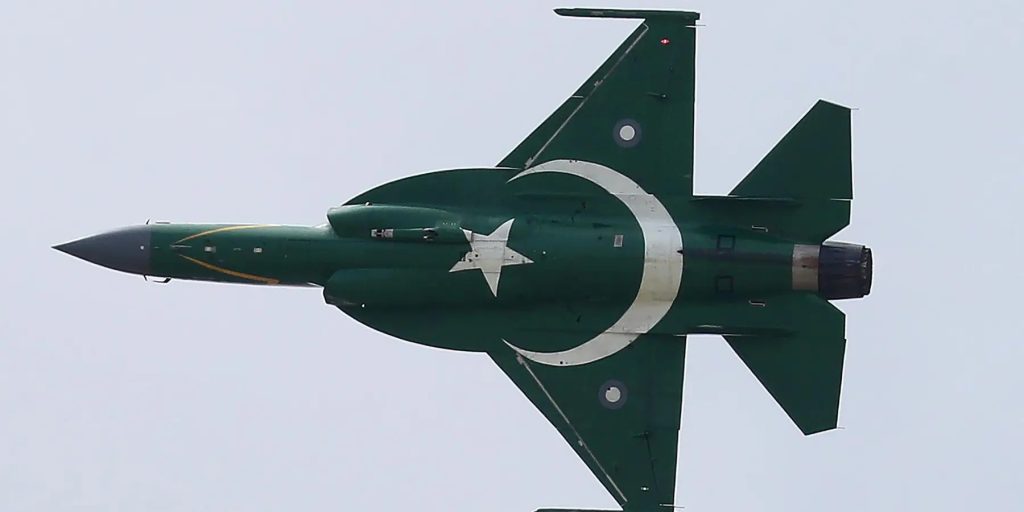
Pakistan’s JF‑17 and Turkey’s Bayraktar drones are eroding Western dominance in airpower. Cheap, combat‑tested, and free of political conditions, they’re winning major export deals across Asia, Africa, and the Middle East. As Washington pushes back, a multipolar arms market is emerging — reshaping who can project power from the skies.
The U.S.-Iran Confrontation: Why Diplomacy May Fail and What War Could Unleash
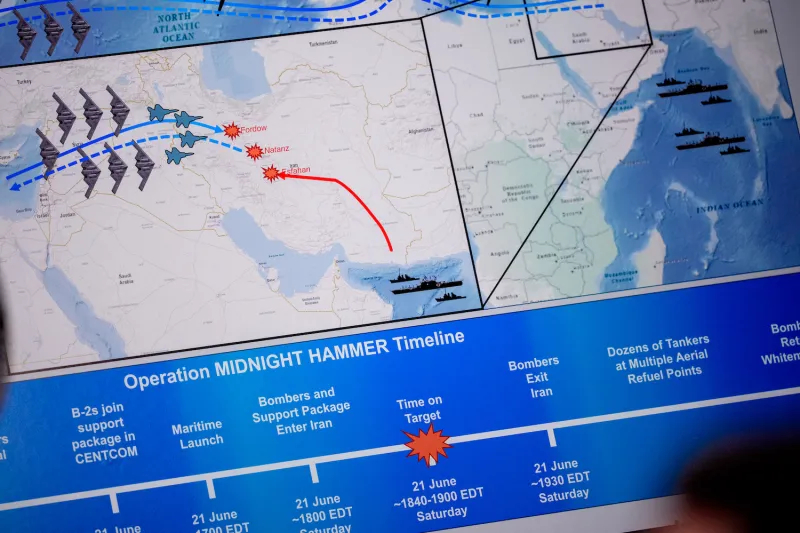
As a massive American armada gathers and negotiations stall, the path to conflict narrows — with unpredictable consequences for Iran, the region, and global energy markets.
NATO’s Arctic Sentry: Deterrence Without Guardrails
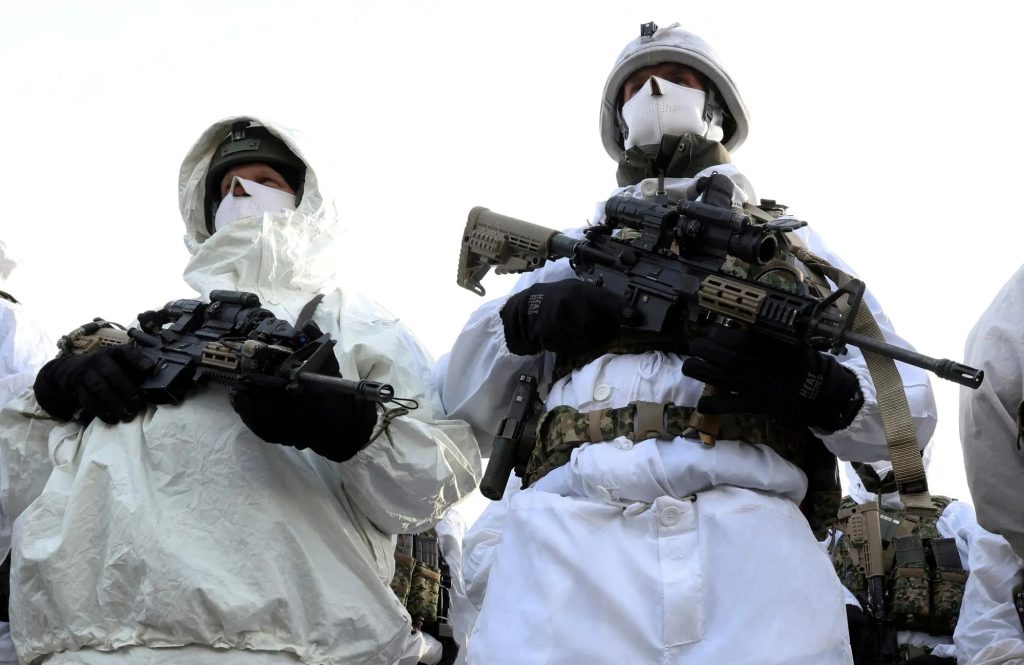
NATO’s new Arctic Sentry unifies allied operations in the High North, but it emerges amid tensions triggered not by Russia, but by Trump’s threats to annex Greenland. The buildup expands deterrence without communication channels, raising the risk of accidents in a nuclear‑sensitive region. With Russia unengaged diplomatically, even a minor incident could spiral into unintended conflict.
Maduro Is Gone, but 8 Million Venezuelans Are Still Trapped
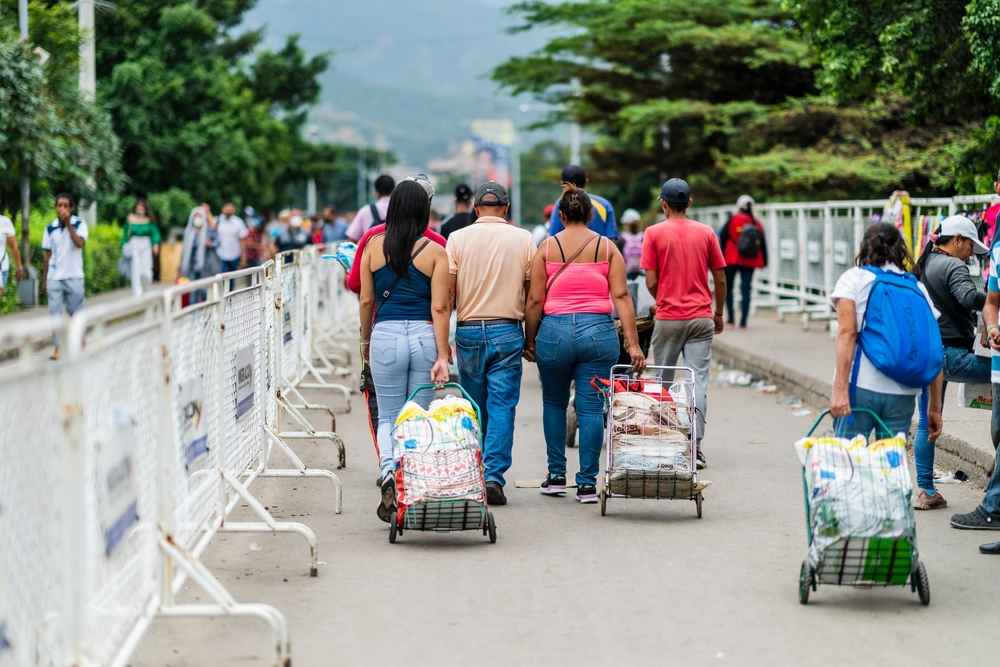
Maduro’s capture hasn’t ended Venezuela’s crisis. Nearly 8 million Venezuelans abroad still rely on temporary protections now at risk of being revoked. With TPS ended in the U.S. and permits expiring across Latin America, millions face possible deportation to a country still unstable and economically collapsed. Removing one leader hasn’t resolved the conditions that forced them to flee.