
The World War III Has Already Gone Global
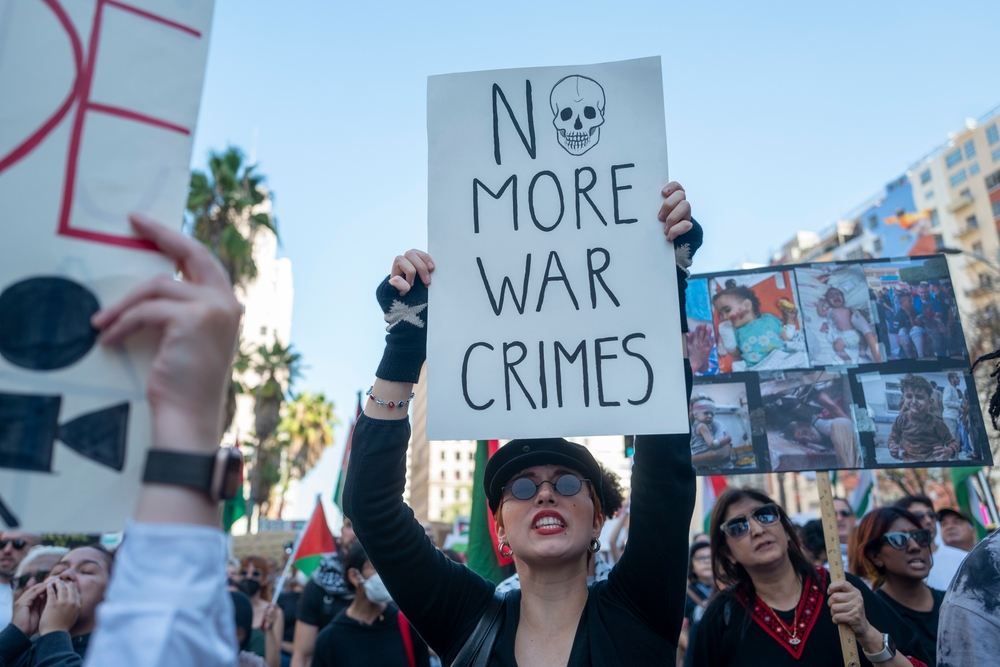
The assault on Iran is accelerating a broader collapse of the post‑1945 legal order. From Ukraine to Gaza to Tehran, major powers are bypassing the UN system, normalizing unilateral force, and eroding sovereignty norms. As institutions weaken and nuclear incentives rise, the world drifts toward a multipolar landscape defined less by rules than by raw power.
America and Israel Are at War Together, but Not the Same War
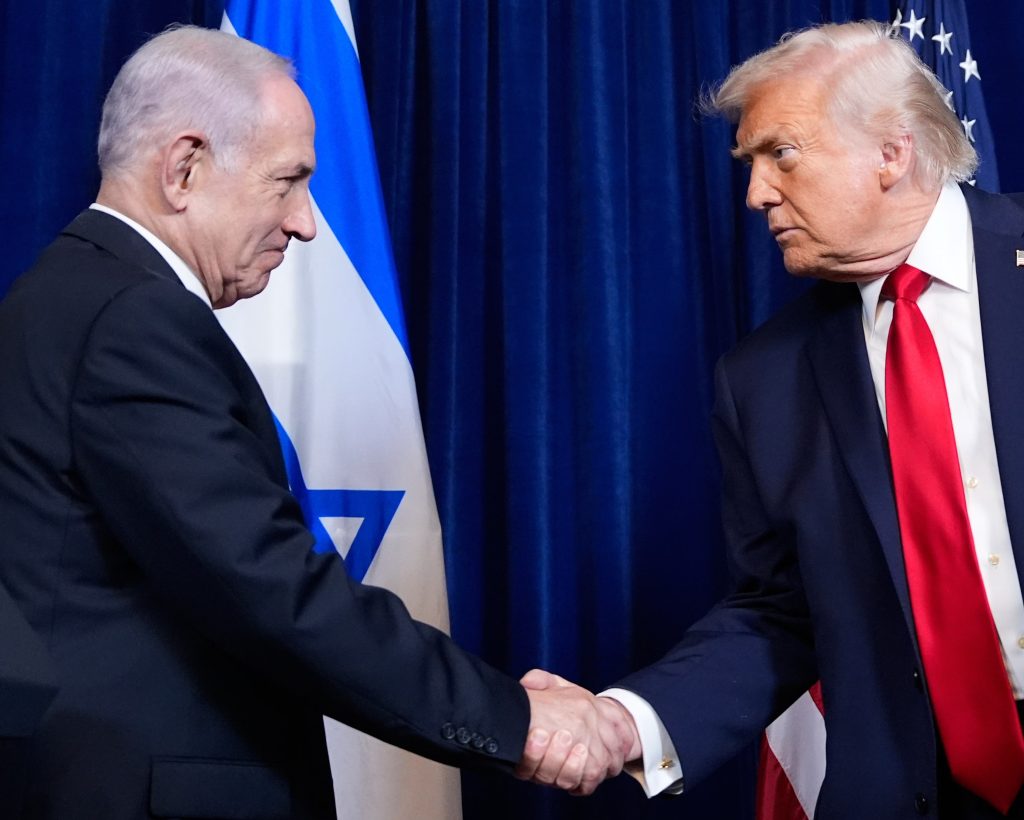
The U.S. and Israel are fighting the same war with different goals: Washington wants a quick, contained operation, while Netanyahu seeks regime collapse and a strategic reset. Conflicting timelines, clashing objectives, and diverging public opinion leave neither side in control of the endgame — a recipe for a war that drifts far beyond its opening strike.
A War Without an Endgame and Americans Know It
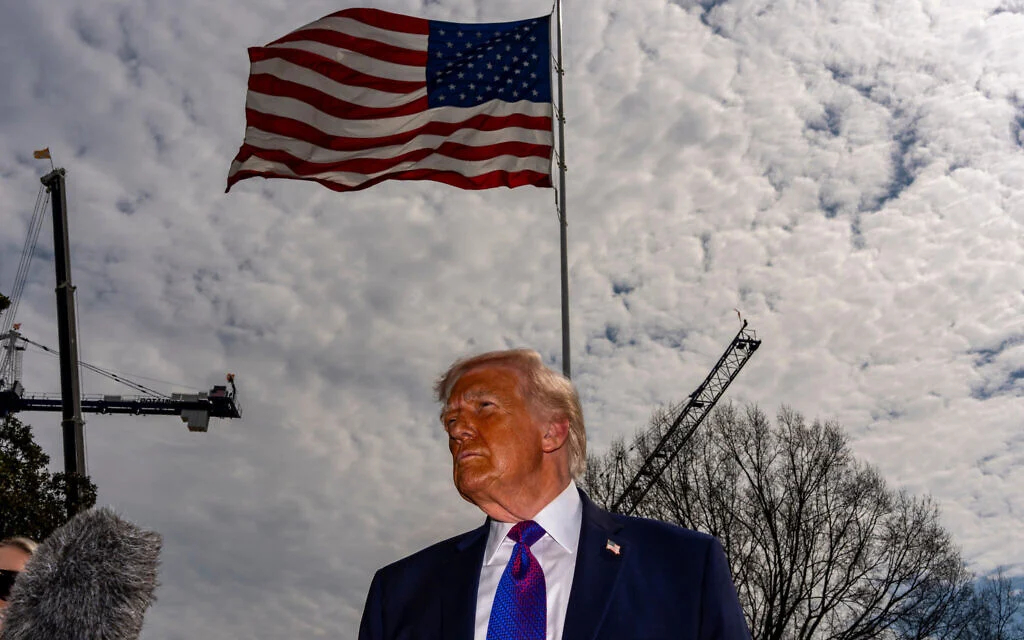
Public support for Trump’s Iran war is eroding as the administration cycles through shifting justifications with no defined endgame. Polls show most Americans doubt Iran posed an imminent threat, oppose escalation, and don’t trust Trump’s judgment. With objectives unclear and munitions draining, the conflict risks drifting without a political destination.
Gulf States Face an Impossible Reckoning After Iran’s Barrage
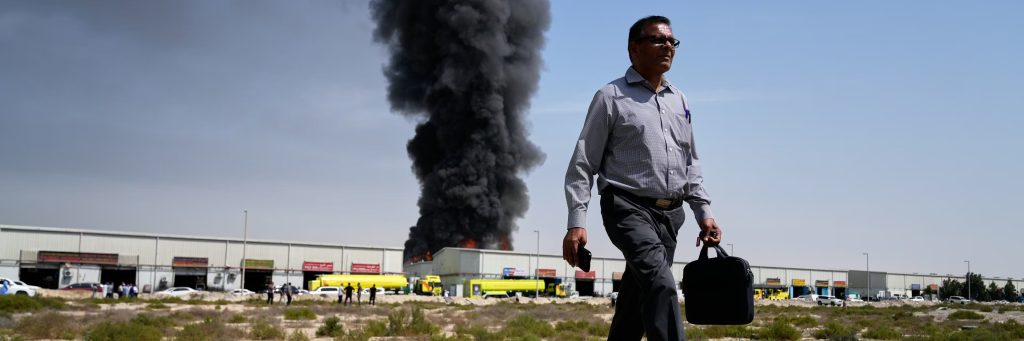
Iran’s unprecedented barrage on all six GCC states has shattered the Gulf’s belief that they could host U.S. bases, court Tehran diplomatically, and stay insulated from war. Missiles have crippled refineries, LNG exports, and data centers, while trust in both Washington and Tehran collapses — forcing Gulf rulers into a strategic reckoning they long tried to avoid.
Russian Consulate Damaged in Isfahan as War Tests Moscow’s Balancing Act

A U.S.–Israeli strike on Isfahan damaged Russia’s consulate, underscoring Moscow’s precarious dual role as Iran’s diplomatic shield and quiet military enabler. Russia is sharing satellite intelligence that sharpens Iran’s targeting while publicly posing as mediator. With Hormuz shut and oil prices soaring, the war is delivering Moscow a strategic windfall it won’t jeopardize.
Azerbaijan Chose Diplomacy Over War — and Washington’s Hawks Are Furious
## **Micro‑Brief (50 words)**
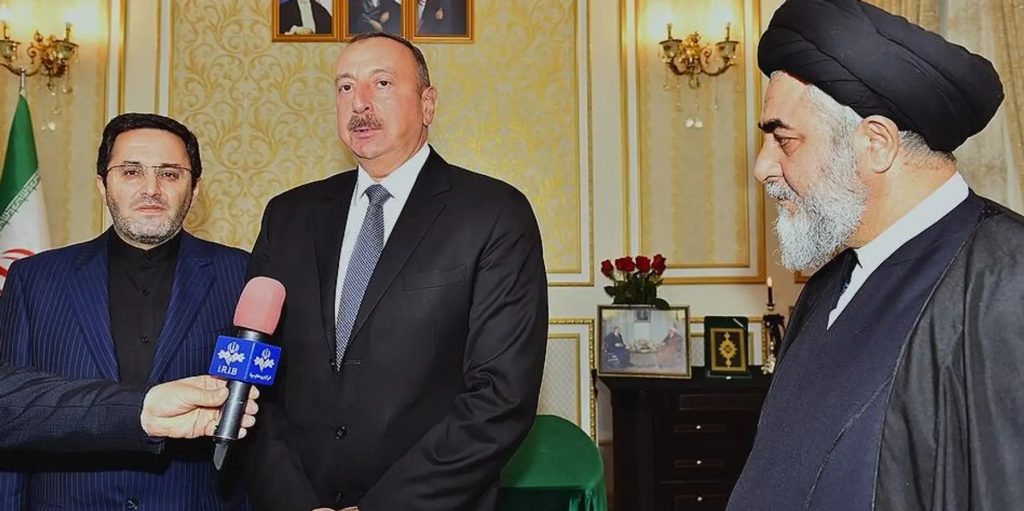
Azerbaijan defused a crisis that Washington’s hawks hoped would open a northern front against Iran. After drone strikes on Nakhchivan, Baku briefly mobilized but quickly reversed course, reopening borders and sending aid. Pipeline vulnerability, Turkey’s restraint, and Iran’s large Azeri population made escalation untenable — exposing the limits of anti‑Iran coalition fantasies.
If you’re keeping this as part of your serialized war‑briefs, I can align tone and cadence across all entries.
Boots on the Ground? Secret Briefing Rattles Washington
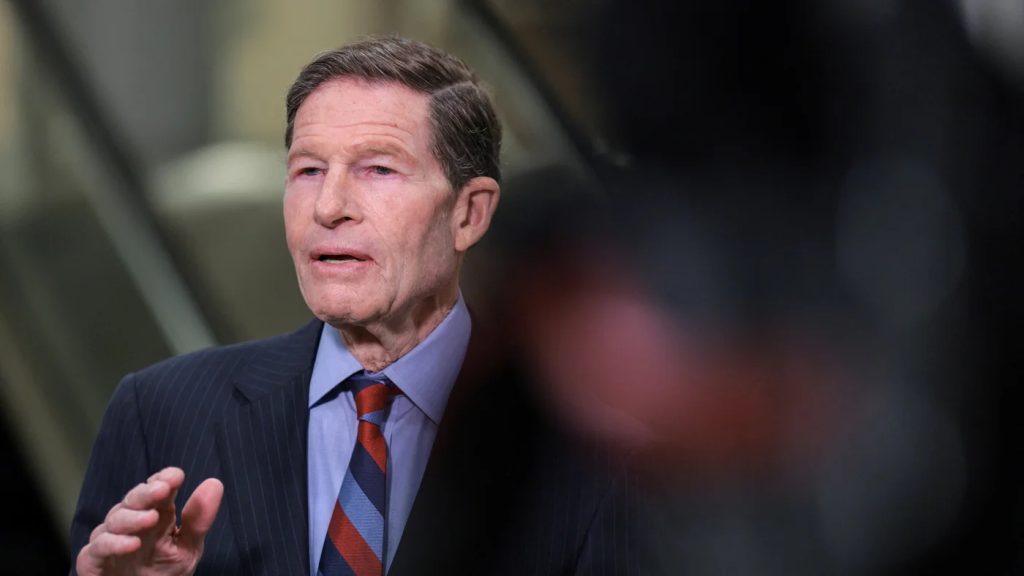
A classified Senate briefing ignited fears of U.S. ground troops in Iran after officials failed to define objectives or an exit strategy. Congress has already rejected efforts to curb war powers, diplomacy was mishandled, and intelligence suggests Russia is aiding Tehran — raising the stakes of any escalation on Iranian soil.
The US Gutted Its Civilian Protection Program Then Went to War
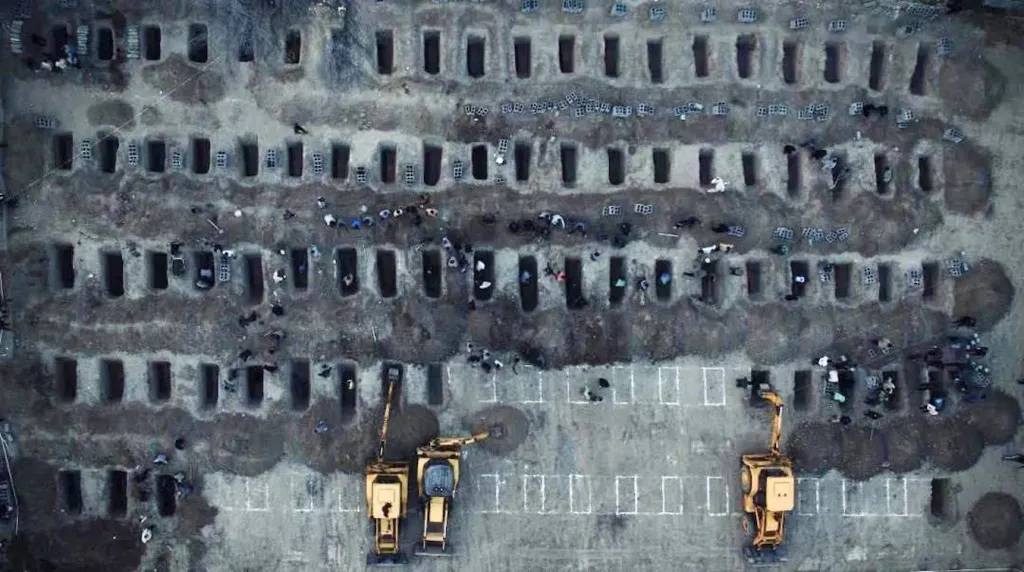
The Minab school strike, which killed more than 165 people, exposes how the U.S. dismantled its civilian‑protection system before launching the Iran war. The CHMR program was gutted, legal safeguards removed, and oversight hollowed out — leaving no‑strike mapping undone and accountability weakened. Civilian casualties are rising, and the strategic costs are compounding.
Trump’s Iran War May Leave the Dollar’s Reign Damaged
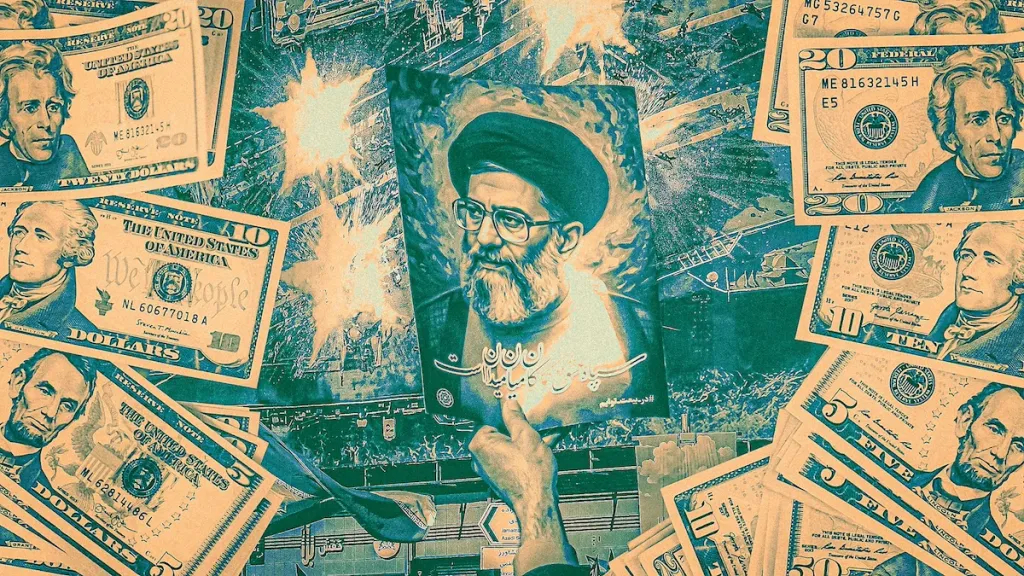
Trump’s Iran war has triggered oil shocks, inflation pressure, and market turmoil, briefly lifting the dollar while undermining trust in the system behind it. Supply‑chain hits, Fed turmoil, and sanctions whiplash deepen global doubts. China, Russia, and energy importers are accelerating moves away from dollar dependence — a shift the crisis may harden.
Iran’s ‘Mosaic Defense’: The Doctrine Built to Outlast Decapitation
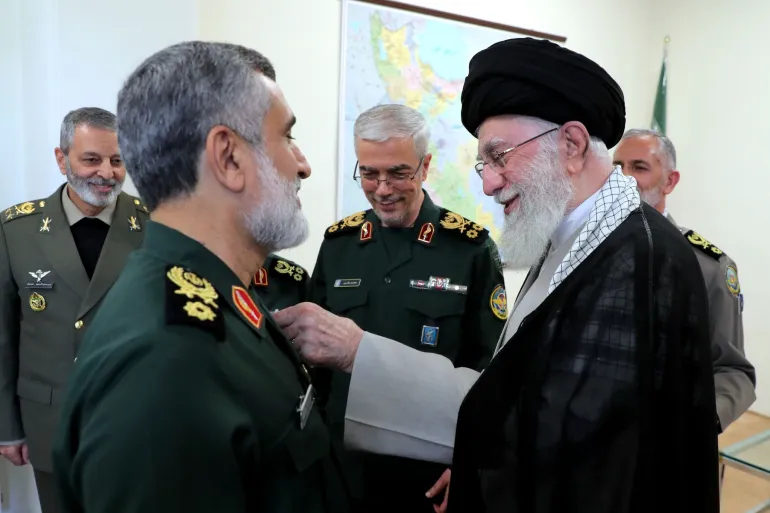
Iran’s “mosaic defense” is built for decapitation: 31 autonomous IRGC units, layered successors, and dispersed stockpiles keep the system fighting despite leadership losses. As Mojtaba Khamenei takes power, fragmented command creates both resilience and volatility — from rogue strikes to Hormuz disruption — turning time, terrain, and cost asymmetry into Iran’s core weapons.
Putin and Trump Talk Iran and Ukraine as Oil Crisis Reshapes Alliances
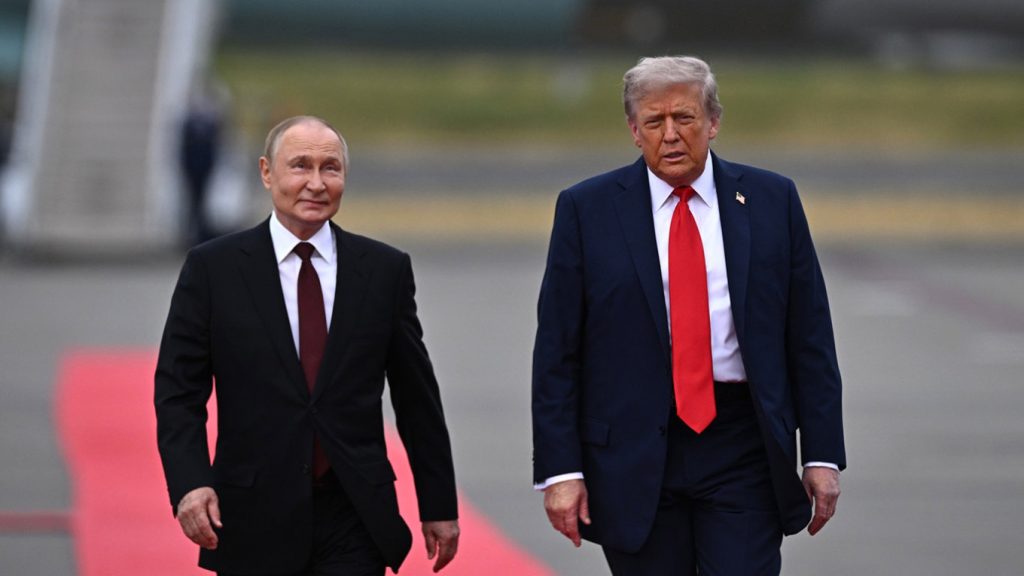
Putin used his first call with Trump since the Iran war began to pose as mediator while backing Tehran and advancing in Ukraine. Trump’s move to ease oil‑related sanctions to curb prices hands Moscow new revenue. With Hormuz disrupted, Russian crude becomes indispensable — turning Washington’s Iran war into a strategic gift for the Kremlin.
Pentagon Says Iran ‘Not More Formidable Than Expected’ as Strikes Intensify
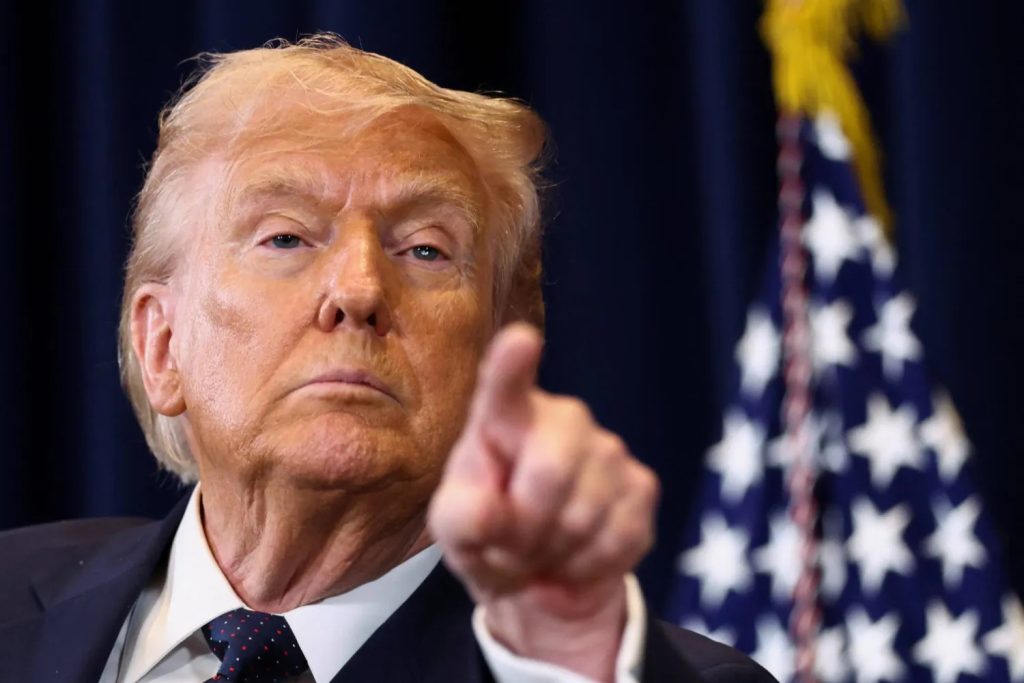
Washington insists Iran is “not more formidable than expected,” even as the war widens: Hormuz traffic has collapsed, oil has surged past $100, and cluster munitions are hitting Israeli suburbs. Cyber intrusions, humanitarian strain, and rising regional casualties expose a widening gap between Pentagon confidence and the conflict’s escalating costs.