
Reopening Hormuz: The Military Puzzle With No Quick Solution
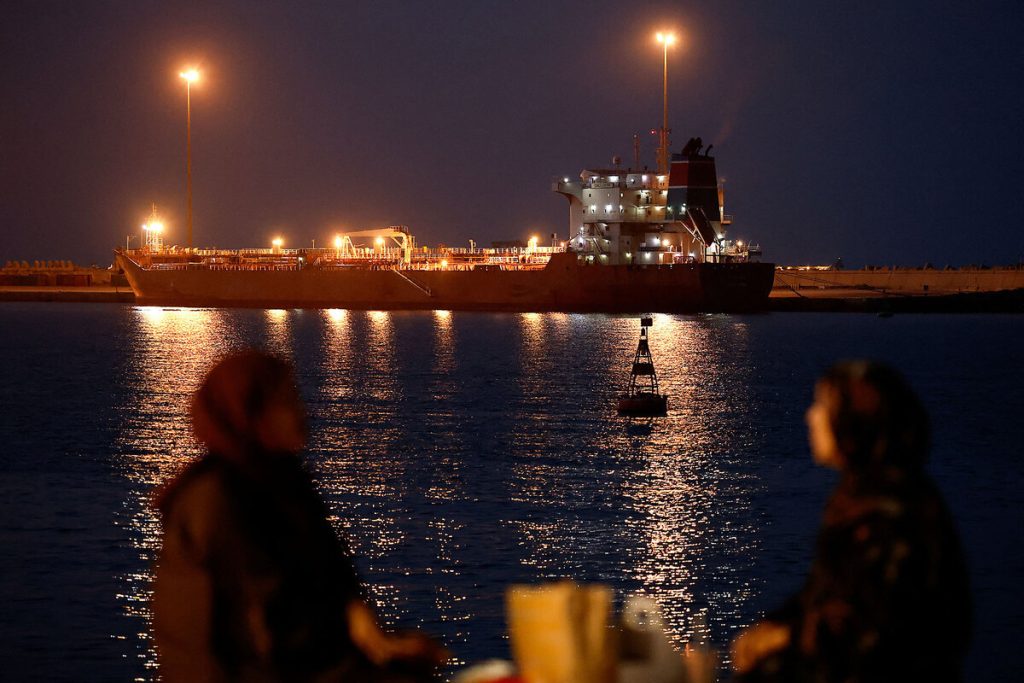
Iran has shut the Strait of Hormuz with cheap drones and mines, while the U.S. lacks the ships, minesweepers, and escorts needed to reopen it quickly. Insurance markets have collapsed, oil supplies are plunging, and every delay strengthens Iran’s leverage. Some battlefields can be bombed open; Hormuz isn’t one of them.
Even Trump’s Allies Say He Needs to Level With America on Iran
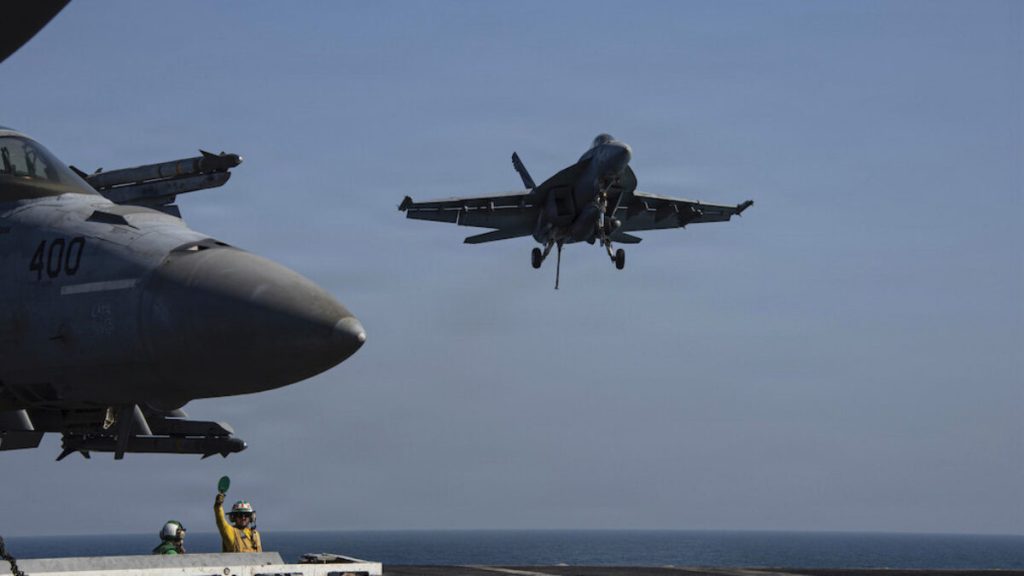
Trump’s own media allies now warn that his Iran messaging is collapsing under the weight of reality. The Strait of Hormuz is shut, attacks continue, and MAGA voters feel misled. Without defining goals or preparing Americans for a long, costly fight, Trump risks losing support not from critics — but from his base.
Congress Won’t Pay for Trump’s Iran War, and the Pentagon Is Burning Cash
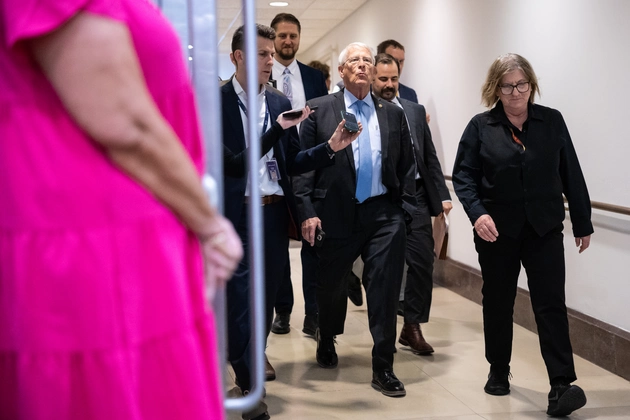
Trump’s Iran war is burning nearly $1 billion a day, draining precision munitions and forcing the Pentagon to tap stockpiles meant for China contingencies. Yet Congress refuses to fund a conflict it never authorized. With both parties politically boxed in, the war’s costs are rising faster than Washington’s willingness to pay them.
Is Iran the Suez Moment That Ends American Hegemony?
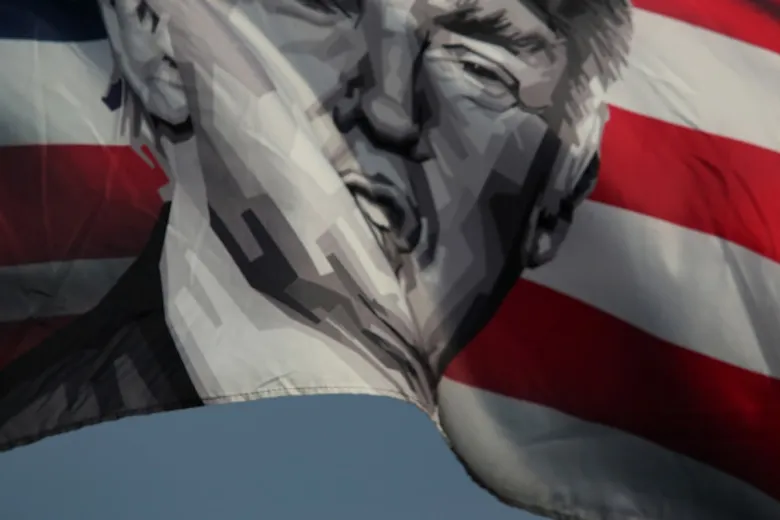
Iran’s retaliation has exposed the limits of U.S. power: Gulf allies were hit despite hosting American bases, the Strait of Hormuz is shut, and global markets are recalibrating around a less reliable Washington. The war’s political and economic fallout accelerates a shift toward multipolarity — a moment many now compare to America’s Suez.
Seven Traps Trump Set for Himself in Iran
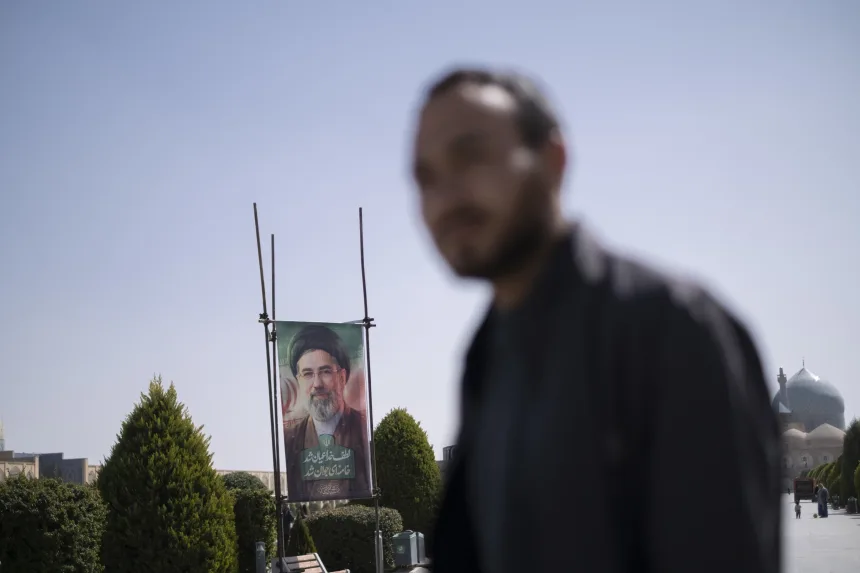
Trump’s Iran war has produced seven self‑inflicted traps: a closed Strait of Hormuz, a harder‑line successor in Tehran, collapsing U.S. public support, Israeli leverage over escalation, unresolved nuclear stockpiles, shifting justifications, and a long war Iran is structurally built to endure. Each constraint narrows his options and accelerates strategic loss.
The Rules-Based Order Is Dead. Trump Just Buried It.
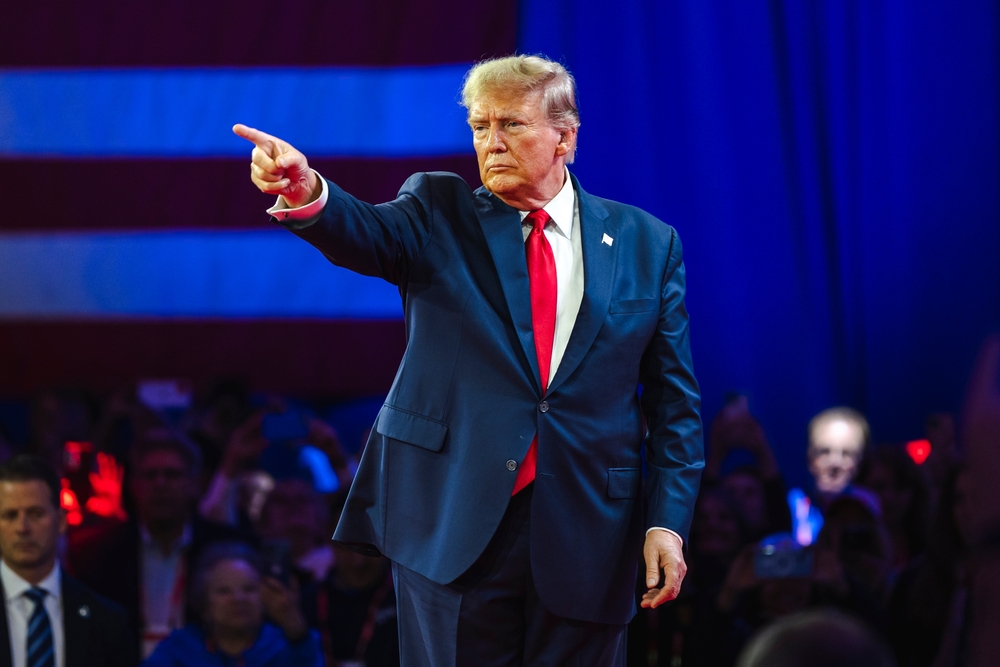
Trump’s 78‑day cascade of abductions, assassinations, tariffs, and an unauthorized war has shattered what remained of the post‑1945 rules‑based order. With the UN Charter sidelined and sovereignty treated as optional, the Global South bears the brunt — from tariffs to aid cuts to oil shocks — as a multipolar, power‑driven world accelerates into view.
Did Two Unqualified Negotiators Talk Trump Into War With Iran?
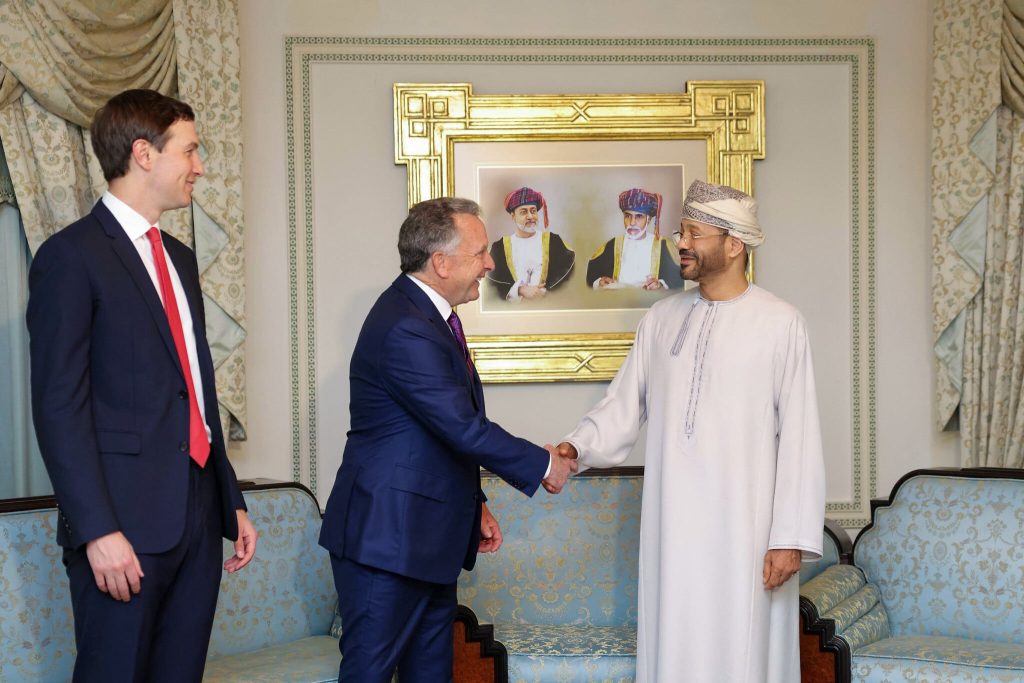
A last‑minute nuclear proposal in Oman collapsed after Steve Witkoff and Jared Kushner — neither a nuclear expert — misread or misrepresented Iran’s concessions. Gulf mediators say Tehran offered unprecedented limits, but the U.S. team walked away. Their advice helped pave the path to war, raising urgent questions about competence, influence, and accountability.
Iran Exposed the Gulf’s Missile Shield, Now the GCC Must Rethink Everything

As of Friday, March 13, 2026, the strategic landscape of the Persian Gulf has fundamentally shifted. The “missile shield” that the Gulf Cooperation Council (GCC) spent billions to build over the last decade has been systematically targeted, exposing what analysts now call a “fragile sensor backbone.”
Hegseth’s ‘Kill Talk’ Rewrites How America Speaks About War
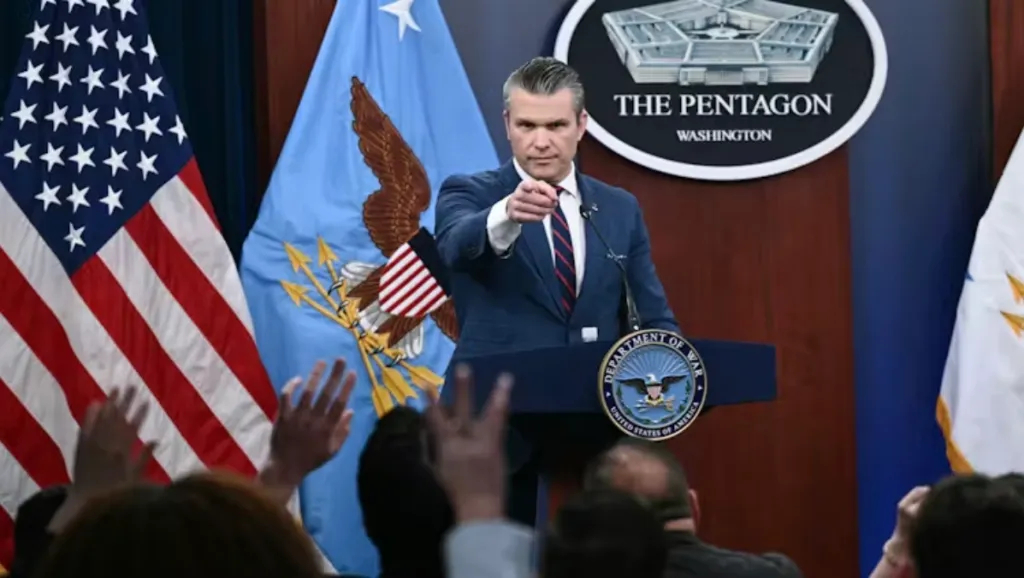
In early 2026, the transition from the “Department of Defense” back to the “Department of War” has signaled more than just a name change; it represents a fundamental pivot in how the United States communicates the use of lethal force. Secretary of War Pete Hegseth has replaced the clinical, bureaucratic language of the past with a “Kill Talk” rhetoric that prioritizes dominance over diplomacy.
Day 14: Iran Hits Ships in Iraqi Waters as War Spreads Beyond All Borders
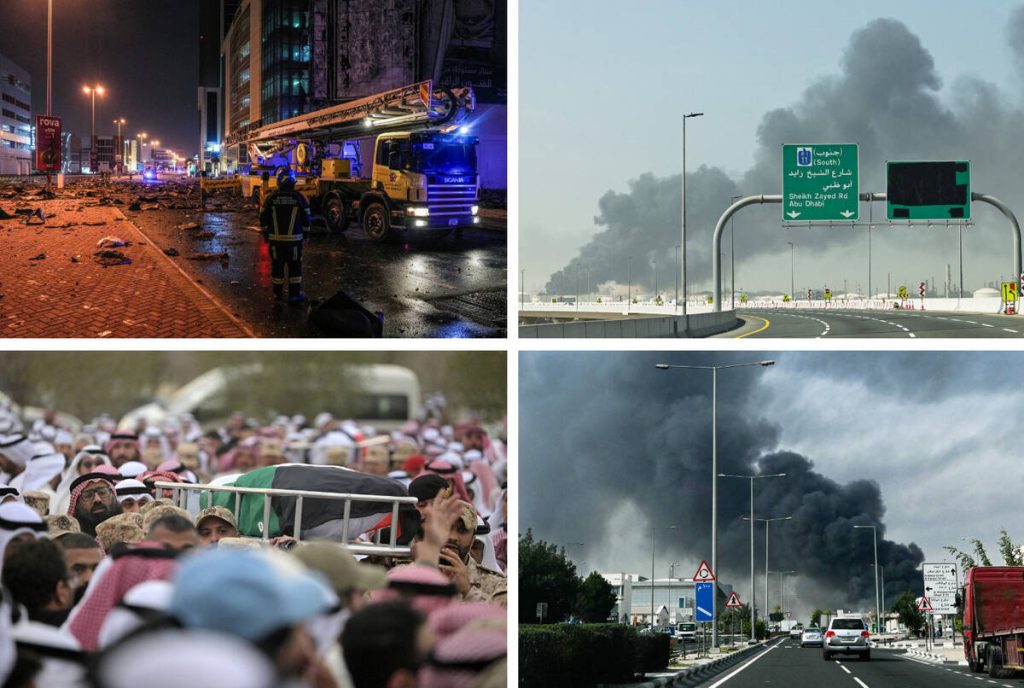
On Friday, March 13, 2026—the fourteenth day of Operation Epic Fury—the conflict has metastasized into what the International Energy Agency (IEA) calls the “largest supply shock in the history of the global oil market.” As of mid-day, the war has reached twelve countries, and the “shipping war” has effectively paralyzed the northern Persian Gulf.
Day 13: Iran Vows to ‘Set the Region on Fire’ as Oil War Spreads to Iraqi Waters
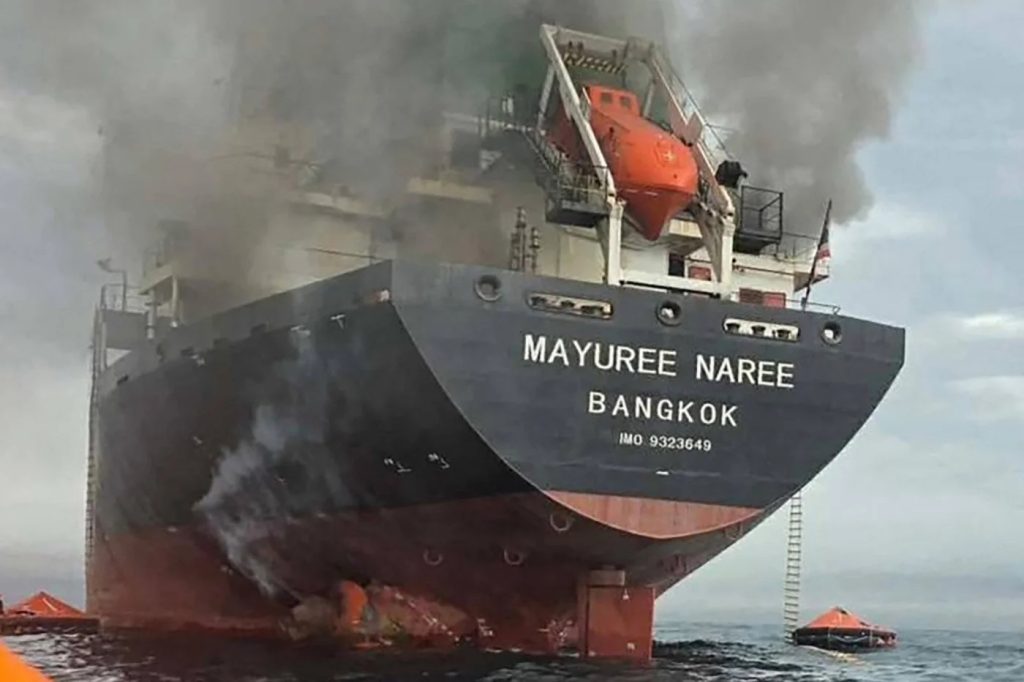
Thirteen days into the war, the conflict has entered its most volatile phase. By March 13, 2026, the “swift” campaign envisioned by the Trump administration has devolved into a regional energy war, with Brent crude reclaiming the $100-per-barrel mark despite the largest emergency intervention in history.
Europe’s Iran Dilemma: Opposing the War While Sanctioning Tehran
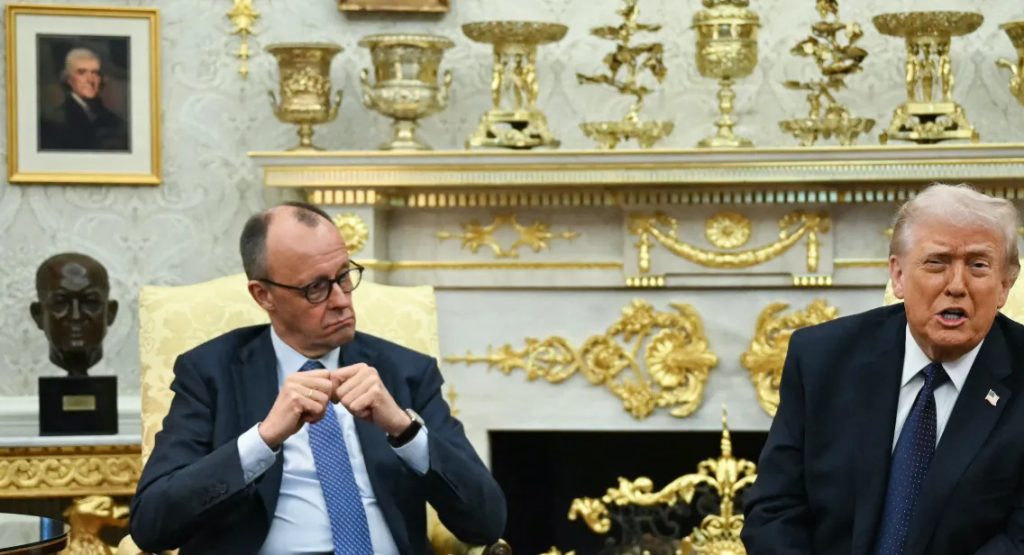
Europe opposes the U.S.–Israeli war on Iran while simultaneously sanctioning Tehran for domestic repression, revealing a split between its principles and its power. Disunited governments, limited leverage, and damaged credibility leave the EU unable to shape the conflict or support Iranian reformers — turning its “third way” into an aspiration without influence.