
Karaganov’s Nuclear Gambit: Russia’s Hawkish Voice Grows Louder
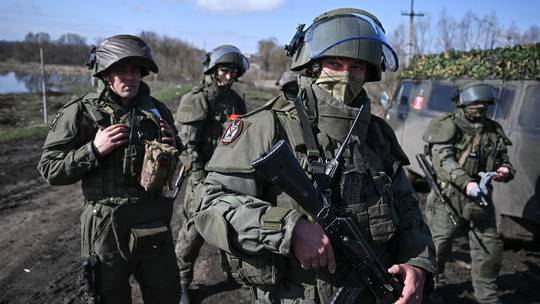
Sergey Karaganov is intensifying his call for a radical overhaul of Russia’s nuclear strategy following the expiration of the New START treaty. His May 2026 proposals advocate for offensive deterrence, resumed nuclear testing, and targeting European centers, reflecting a dangerous shift in Moscow’s rhetoric toward global escalation and strategic compellence.
Iran’s Hardliner Rift Tests US Diplomacy
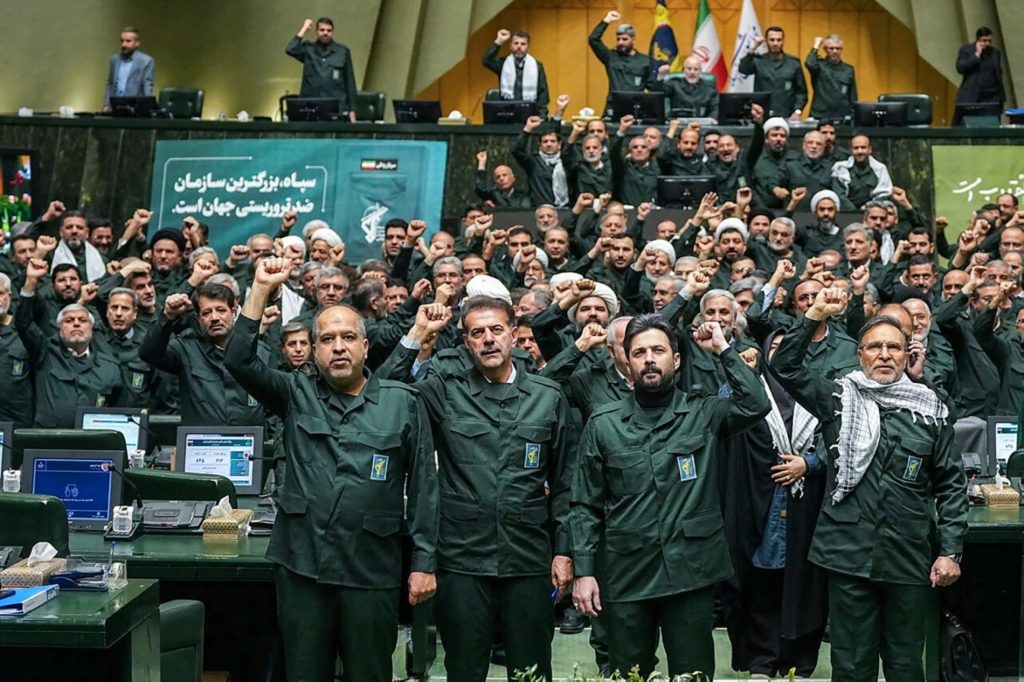
Iran’s political landscape is facing a significant test as internal friction between ultra-hardliners and pragmatists complicates indirect diplomatic efforts with the U.S. While economic pressure and new leadership push Tehran toward measured engagement, ideological spoilers remain a challenge, highlighting a calculated struggle over the regime’s survival and future stability.
Why Grand Bargains Elude Washington, Beijing and Moscow
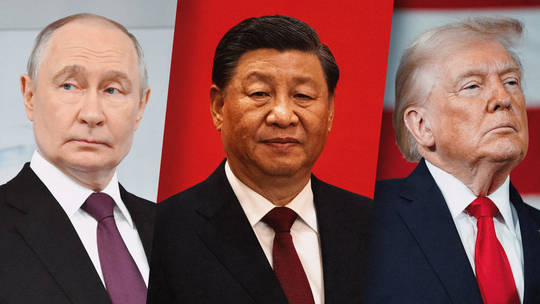
High-level summits in Beijing between leaders of the U.S., China, and Russia highlight a new era of strategic distrust. As interdependence fades, these powers are prioritizing economic resilience and flexible, time-limited understandings over comprehensive global accords. This shift reflects a broader trend toward a fragmented, multipolar world defined by competition rather than shared rules.
Putin-Trump Talks Chart Path Beyond Ukraine Stalemate
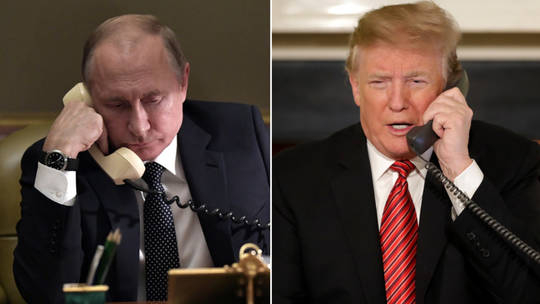
Recent high-level discussions between President Trump and Vladimir Putin suggest a pivot beyond the Ukraine stalemate. Building on the 2025 Anchorage Summit, the leaders are exploring limited cooperation on Iranian enrichment and energy markets. This evolving dialogue signals a shift toward pragmatism, as both capitals navigate a complex multipolar landscape.
Israel’s Lebanon Quagmire Drains a Tired Military
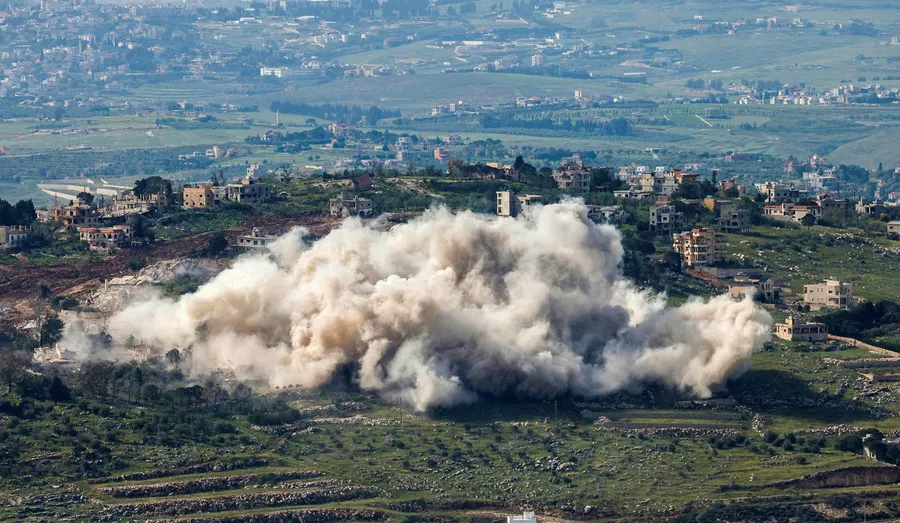
Weeks after a mid-April ceasefire, Israeli forces remain entrenched in southern Lebanon, facing a war of attrition. The mission, characterized by outpost defense and infrastructure demolition, is severely straining military readiness and reserve morale. Without a clear political exit strategy, the situation risks repeating the unsustainable occupation cycles of previous decades.
Iran War Drives Saudi Red Sea Recalibration
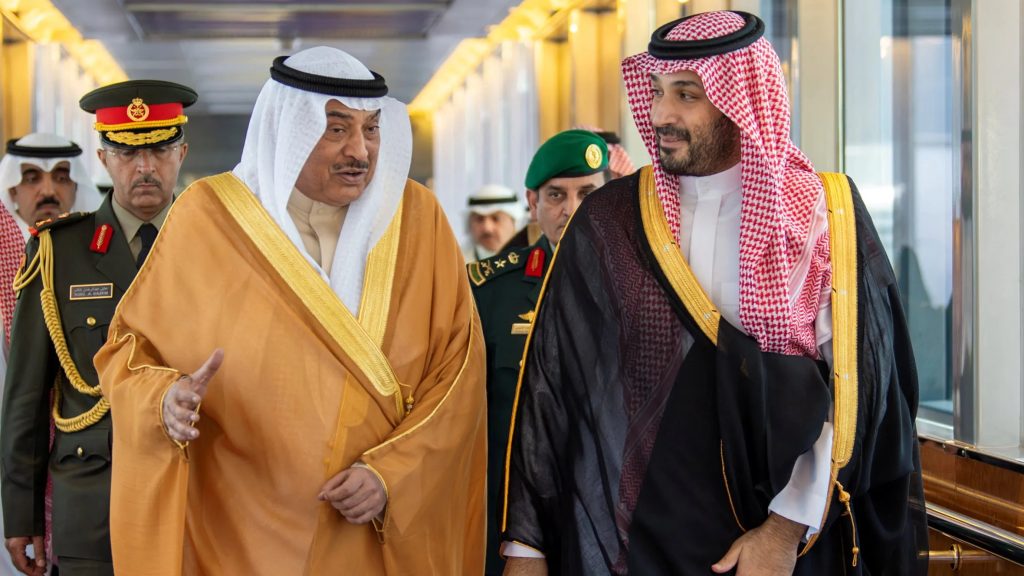
The conflict with Iran has prompted a strategic recalibration in Saudi Arabia, shifting focus toward the Red Sea to bypass the blocked Strait of Hormuz. By expanding the East-West pipeline and NEOM’s port infrastructure, Riyadh aims to secure trade routes amid a deepening rift with the UAE and volatile global energy markets.
Europe’s Israel Policy Faces Public Reckoning
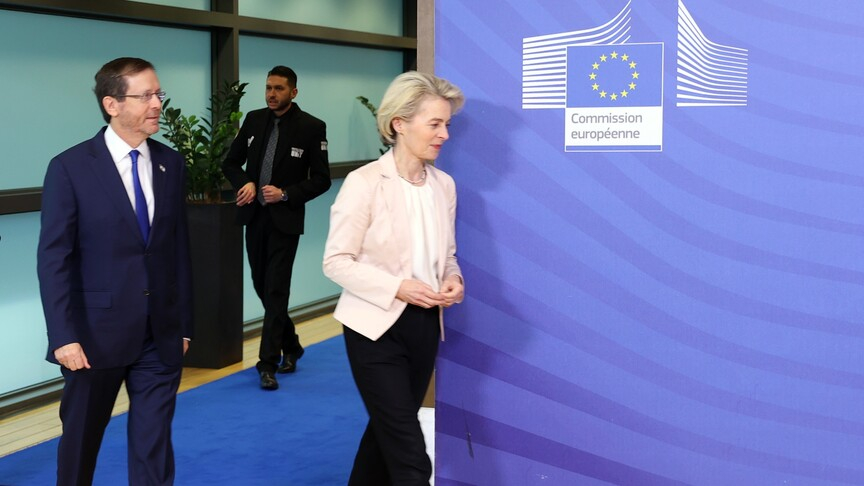
European nations are facing a significant public reckoning regarding their Israel policies. As favorable views reach single digits in several countries, a massive citizens’ petition has forced EU leaders to debate the suspension of the Israel Association Agreement, exposing a deepening divide between government diplomacy and public sentiment.
Why US Pressure on Iran Keeps Failing
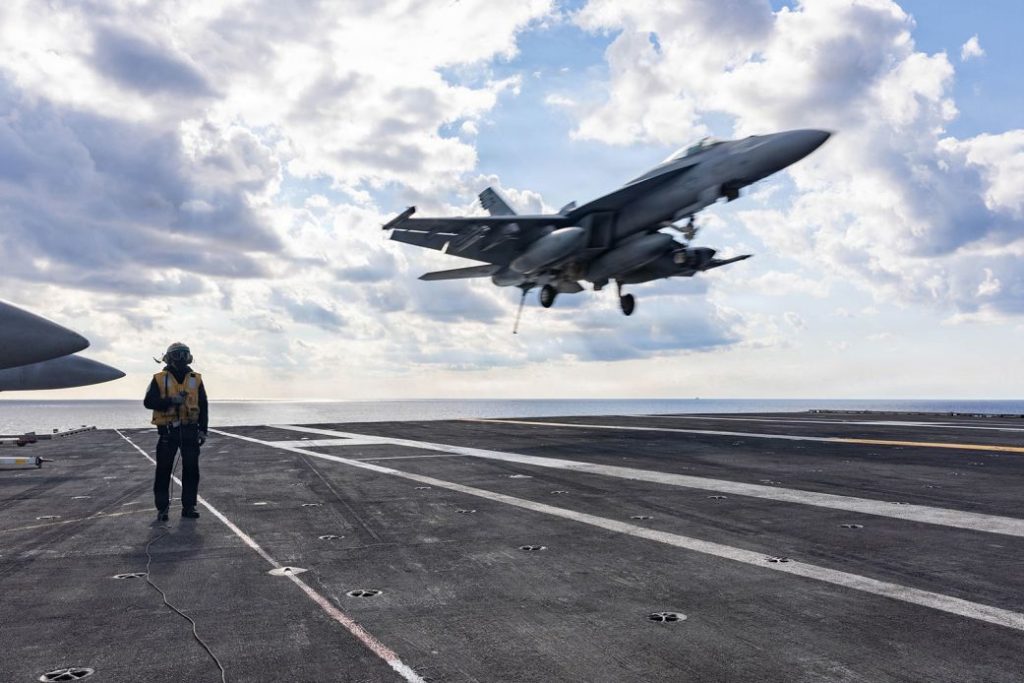
Recent American airstrikes and naval blockades have failed to yield the intended concessions from Tehran. Instead, Iran has consolidated domestic support and utilized its strategic position near the Strait of Hormuz to maintain leverage. With global oil prices surging and diplomatic channels narrowing, the confrontation highlights the limitations of force in resolving long-standing geopolitical disputes.
US-China Nuclear Rivalry Edges Closer to the Brink
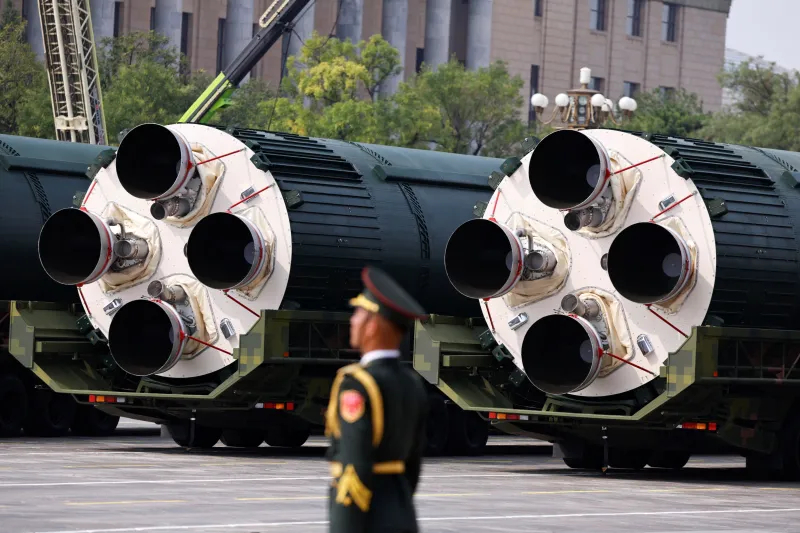
China’s rapid nuclear buildup, projected to exceed 1,000 warheads by 2030, is fundamentally reshaping global strategic stability. Driven by fears of US intervention, Beijing’s expansion has accelerated American modernization and deepened regional tensions. Breaking this cycle requires pragmatic, small-scale transparency measures and concrete discussions on restraint during upcoming high-level summits.
US Missile Stocks Dwindle After Iran Ceasefire
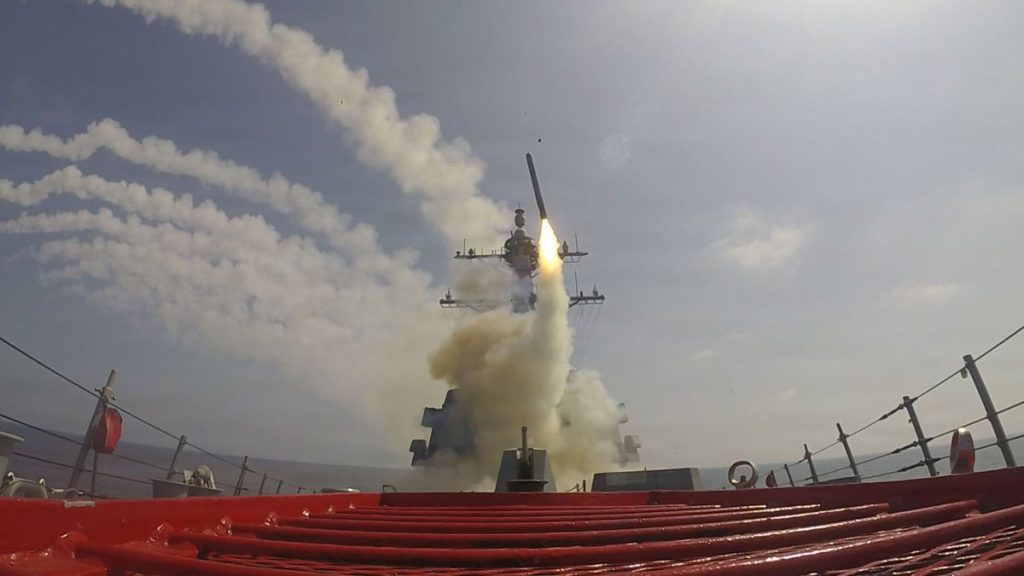
Following the ceasefire with Iran, Pentagon officials are assessing significantly depleted weapons inventories. The high consumption of expensive systems like Tomahawks and Patriots has highlighted a need for more sustainable options. Consequently, the U.S. is accelerating the production of affordable alternatives, including the $35,000 LUCAS “kamikaze” drone.
Hungary Vote Exposes EU’s Enduring Splits
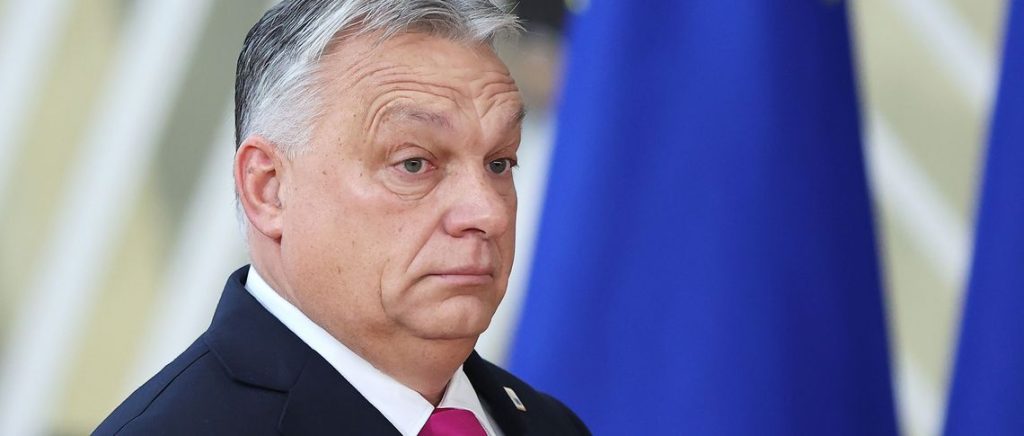
The landslide victory of Péter Magyar’s Tisza Party in Hungary marks the end of Viktor Orbán’s 16-year rule and a significant turning point for the EU. While the new government promises to unblock major aid packages for Ukraine, enduring disagreements over enlargement and national sovereignty continue to challenge European unity.
Why Strategic Hedging Defines Modern Statecraft
Driven by recent global upheavals, modern statecraft is increasingly defined by strategic hedging. Middle powers and established unions are diversifying their economic partnerships, defense suppliers, and resource chains to maximize autonomy. While this shift toward security over efficiency incurs economic costs, it provides essential insurance against an unpredictable international landscape.