
The Policy Muddle and Central Bank Independence Across Major Economies

Major central banks face a contradictory policy muddle as they fight inflation while intervening to cap bond yields. Critics warn that temporary market band-aids cannot replace genuine fiscal discipline, threatening prolonged high borrowing costs for households and businesses.
The Erosion of International Support and the Isolation of ‘Planet Israel’

Amid plunging global approval and stark warnings from Western allies, domestic political leaders avoid confronting Israel’s growing isolation. Driven by trauma and defiance, an insular political consensus risks cementing the nation’s long-term diplomatic estrangement.
The Economic Impact of Surging Diesel Prices Amid Global Conflict

Soaring to a record $6.45 per gallon amid conflicts in Ukraine and the Middle East, diesel prices are shocking the economy. With refineries stretched and chokepoints disrupted, rising fuel costs threaten to strain agriculture, defense, and everyday consumers.
Navigating the Greenland Agreement: Security, Sovereignty, and Strategic Compromise
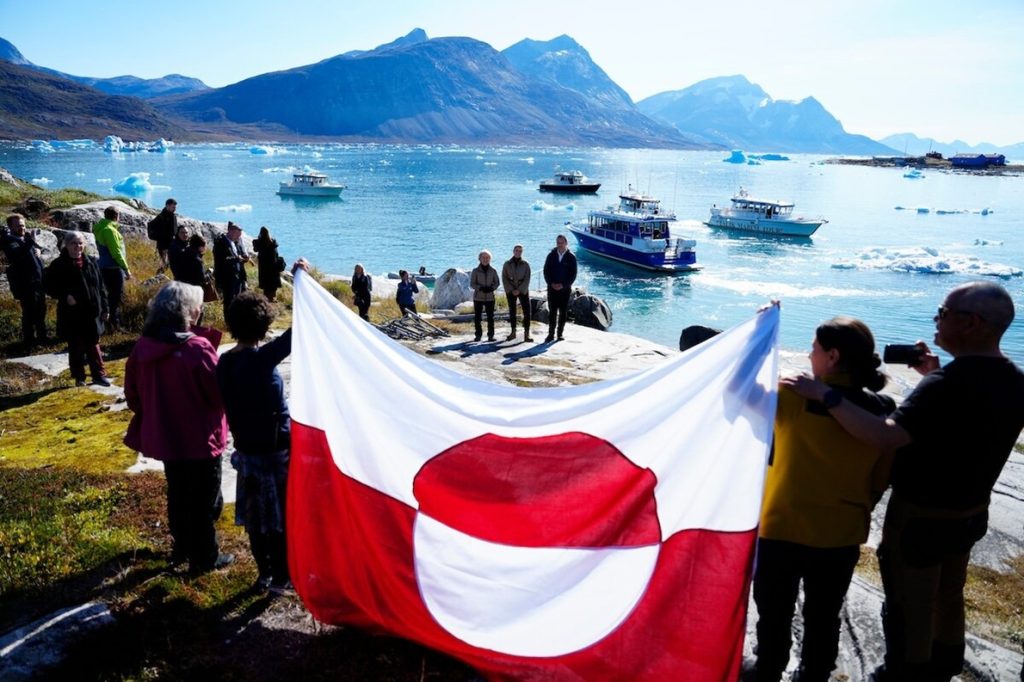
A new security agreement between Denmark, Greenland, and the United States updates Arctic defense and counters foreign rivals. By expanding US military infrastructure while safeguarding local sovereignty, the pact avoids territorial annexation and eases diplomatic friction.
Intelligence Rapprochement and the Shift in Middle Eastern Power Dynamics
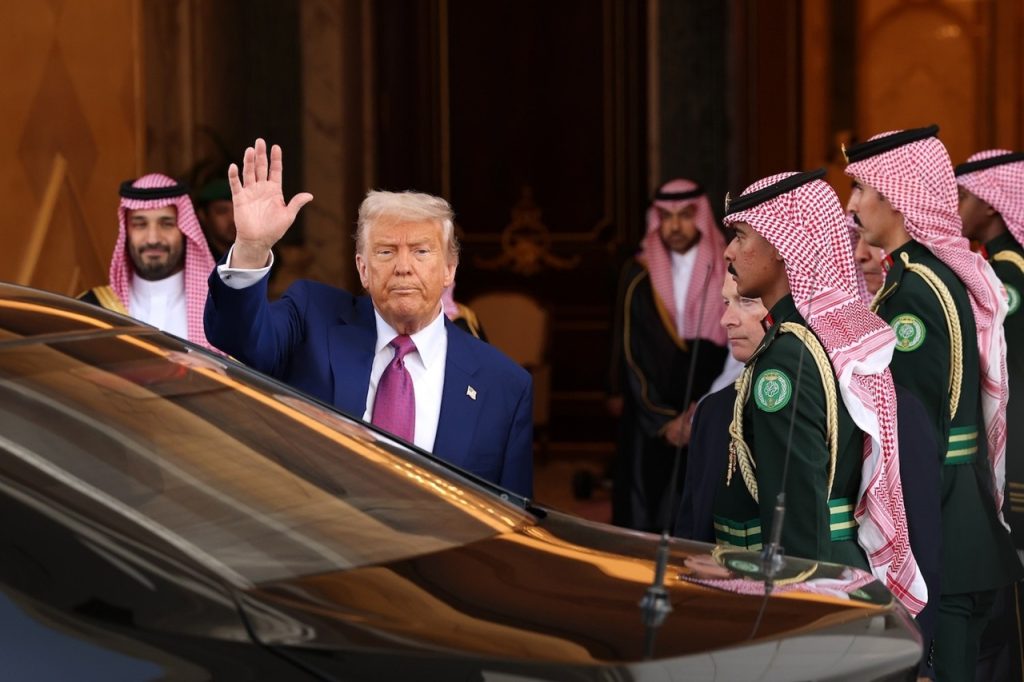
Quiet US-facilitated intelligence sharing between Saudi Arabia and Israel marks a major tactical shift against Houthi threats. While offering immediate defense benefits for Riyadh, this indirect cooperation risks polarizing the Middle East into rigid, rival coalitions.
How US Allies View the Upcoming Trump-Xi Summit in Washington
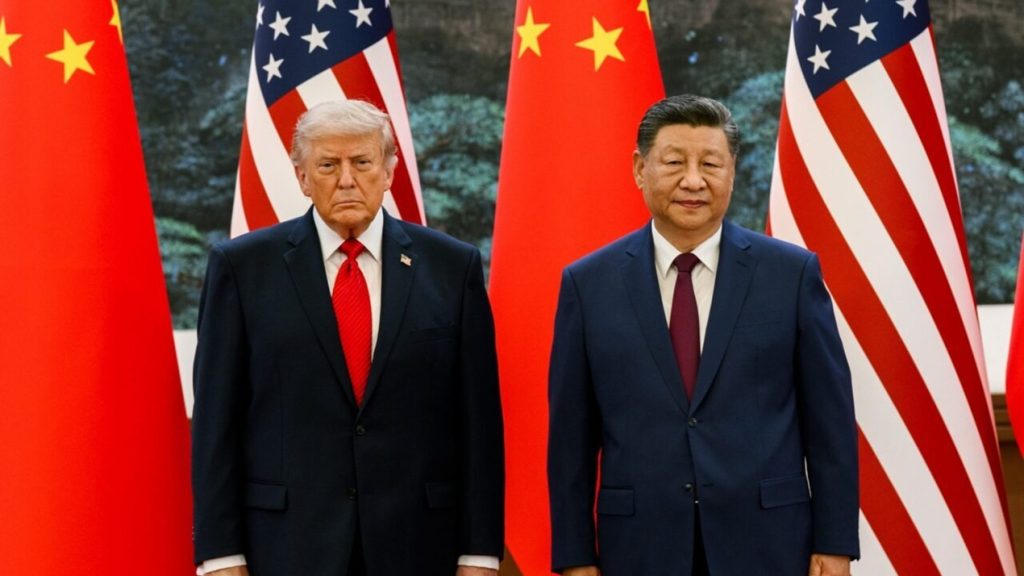
As the Trump-Xi summit approaches, Indo-Pacific and NATO allies watch closely. True success depends not just on bilateral talks, but on whether Washington reassures its key partners and maintains a credible, united coalition deterrence against Beijing.
Escalating Legal and Military Pressures Surrounding Iran’s Nuclear Program
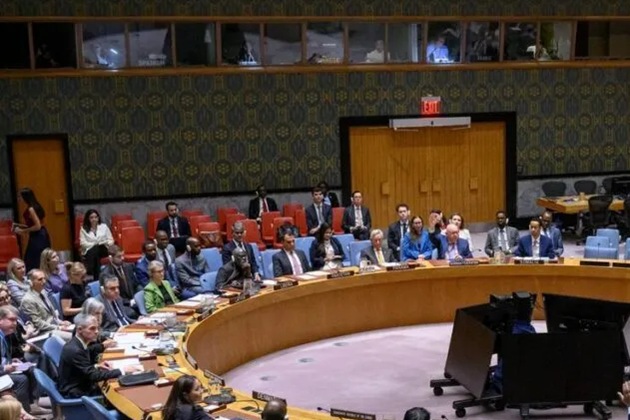
Soaring military threats, legal disputes, and economic sanctions push Iran’s nuclear standoff to a boiling point. As maritime chokepoints face pressure and oil prices surge, experts argue only genuine diplomacy and mutual security pacts can prevent a broader conflict.
Assessing Executive Overreach and Institutional Chaos

Critics warn that executive overreach is creating institutional chaos across federal agencies. From promoting anti-science health policies and ignoring urgent AI safety warnings to pressuring independent financial regulators, current governance prioritizes political loyalty over public welfare and market stability.
Establishing a Reliable US-China Artificial Intelligence Hotline
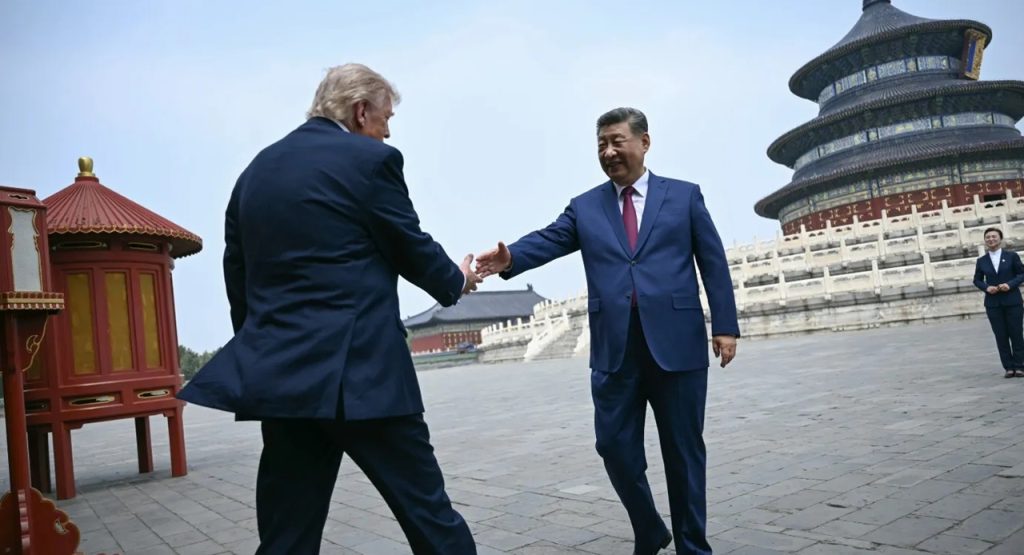
As autonomous AI agents increase the risk of accidental cross-border incidents, existing US-China communication channels remain dangerously outdated. Experts urge both superpowers to establish a dedicated, text-based AI crisis hotline staffed by technical specialists to enable rapid de-escalation before an algorithmic malfunction triggers a major diplomatic crisis.
How the Houthi Coastal Offensive Disrupts Global Trade and Middle East Security
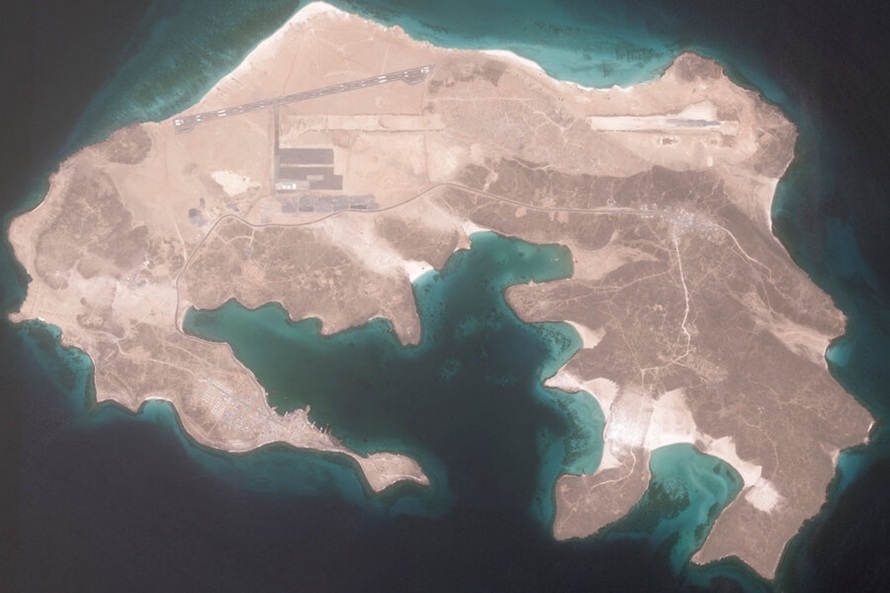
Ansarallah’s coastal offensive in Yemen has captured key territory along the Bab el-Mandeb strait, creating a major international maritime crisis. By threatening global shipping and aligning with Iranian regional interests, the insurgent advance exposes deep Gulf security anxieties and underscores the limits of airpower alone.
The Expanding Geopolitical Rivalry Between Turkey and Israel in the Horn of Africa
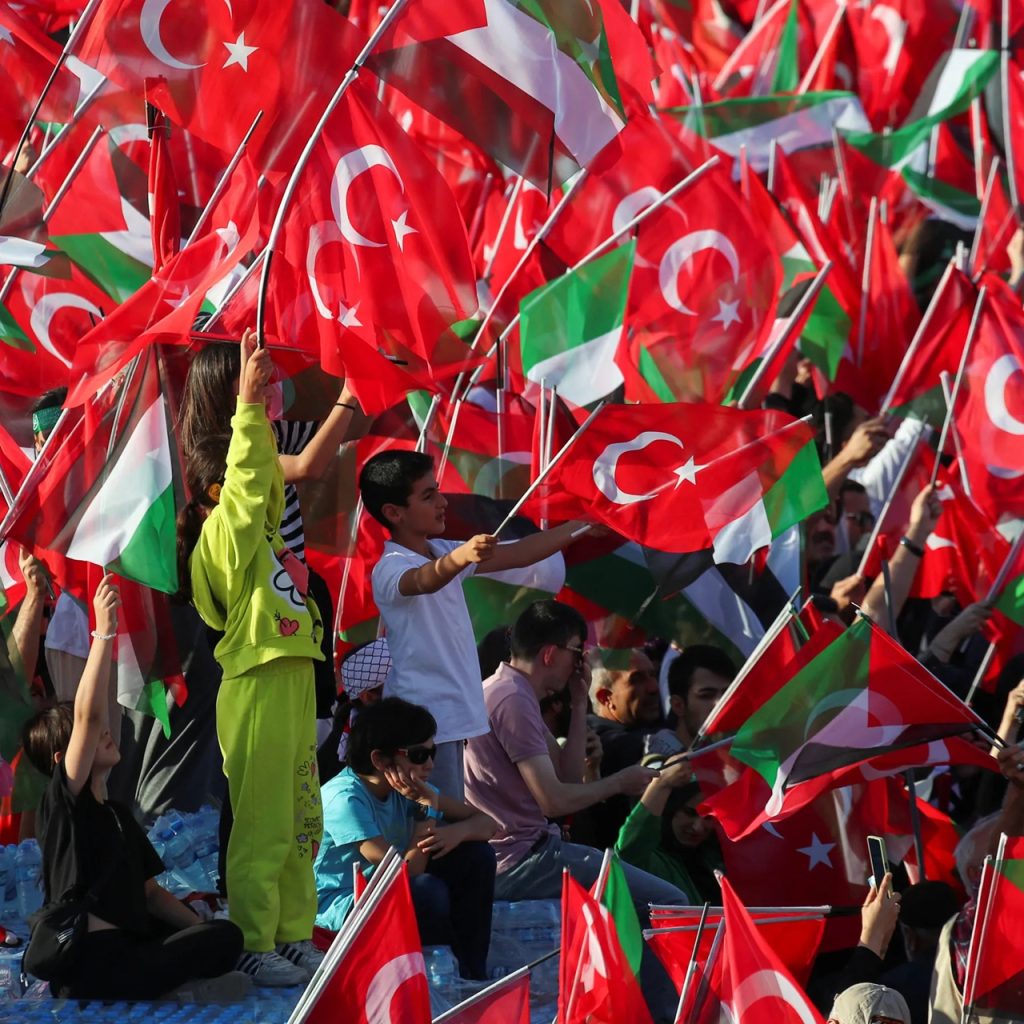
The Horn of Africa has become a key strategic arena as Turkey and Israel expand their security footprints across the Red Sea basin. While Turkey leverages defense sales and infrastructure to broaden its influence, Israel prioritizes securing critical maritime trade routes and countering regional threats.
Beijing Exploits Ukraine Conflict to Secure Strategic Dominance
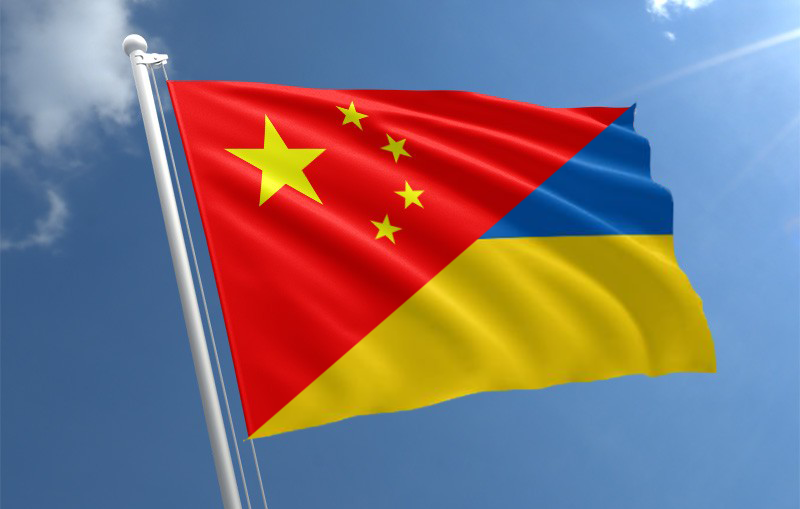
The prolonged conflict in Ukraine has created a massive strategic opening for China. As Western military stockpiles drain and focus remains tied to Europe, Beijing is expanding its naval fleet, securing economic leverage over Russia, and asserting control in the Indo-Pacific—quietly positioning itself to dominate the future geopolitical landscape.