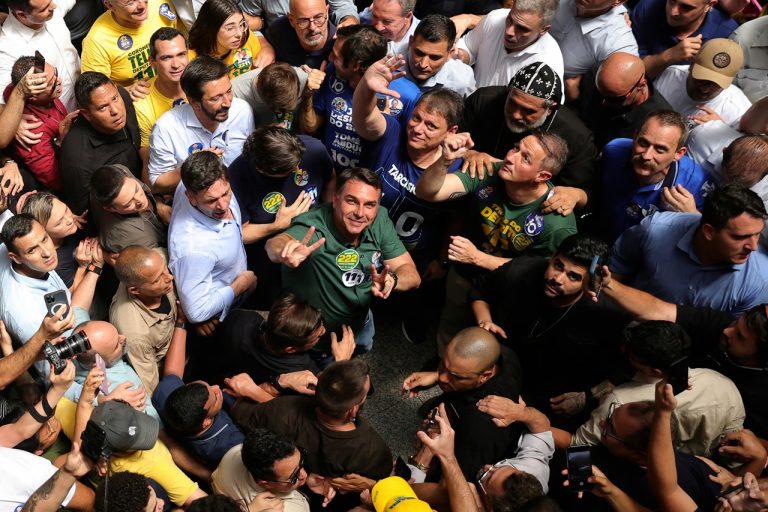
Brazil’s first round has already narrowed the map. Senator Flávio Bolsonaro led President Luiz Inácio Lula da Silva into a 25 October runoff, finishing ahead after polls had expected the incumbent to come first. A win for the son of jailed former president Jair Bolsonaro would hand Donald Trump the largest economy in South America and the ally he has chased since returning to office. A Lula hold would show the limit of that chase.
The administration wrote the ambition down. Its national security strategy pledged to restore American preeminence in the Western Hemisphere and to reward governments aligned with Washington. The tools followed. Argentina received a large financial lifeline, with warnings that the money could vanish if Javier Milei’s party lost midterms. Colombia’s Gustavo Petro faced personal sanctions and a charge that he led the drug trade. In Venezuela, US forces seized Nicolás Maduro and flew him north. Defense Secretary Pete Hegseth later tied a wider military shift toward the region to that capture. The State Department marked the moment with a line that the hemisphere was theirs.
Pressure that bounced back
Brazil was supposed to be the prize, and the pressure started early. Jair Bolsonaro, like Trump, refused the 2022 result. Investigators then traced a plot to kill Lula, his running mate, and a Supreme Court judge, plus a draft decree for the military to void the vote. The court sentenced him to 27 years. Trump answered in July 2025 with a threat of 50 percent tariffs and a claim that the case was a witch hunt. Lula refused to bend, the trial continued, and his polls rose. A fresh 25 percent levy on some goods this July, and a bid to send US officials to inspect the vote, also stalled. Brazil denied those visas and called the trip meddling. Lula’s closing ads cast Flávio as Trump’s candidate and warned of a plan to take the country’s riches. Some analysts now joke that Trump is Lula’s best surrogate.
The rightward turn across the region is real. Seven conservative or far-right candidates have won presidencies in 18 months, and Trump has claimed credit for most of them. The local record is messier. In Peru and Chile, aligned candidates avoided his endorsement. In Bolivia the old left collapsed on its own, taking barely 3 percent after two decades in power. What travels is fear of gangs. Drug groups have pushed deeper into cities and state institutions than in earlier waves, and left governments paid for failing to stop them. El Salvador’s Nayib Bukele supplied the model: mass arrests, thin legal process, and a promise that the streets are safe. Flávio has copied the pitch, vowing to take the streets back, chemically castrate rapists, and lower the age of criminal responsibility.
What a second round would lock in
Washington gave him a wedge. In May it designated the Red Command and the First Capital Command as terrorist groups, and Flávio has hammered Lula as soft on both. A Bolsonaro government would almost certainly join Shield of the Americas, a club of right-wing leaders that talks of lethal force against cartels. Trump’s 2016 win taught a style: outsider posture, rough language, comfort with strongman methods. Jair Bolsonaro wore it first. If his son wins on 25 October, that style will sit in Brasília as well as Washington. It may also outlast Trump. As long as voters trust only the security populists with the gangs, the right’s hold on the region will not depend on who occupies the White House.
Original analysis inspired by Steve Bloomfield from The Guardian. Additional research and verification conducted through multiple sources.