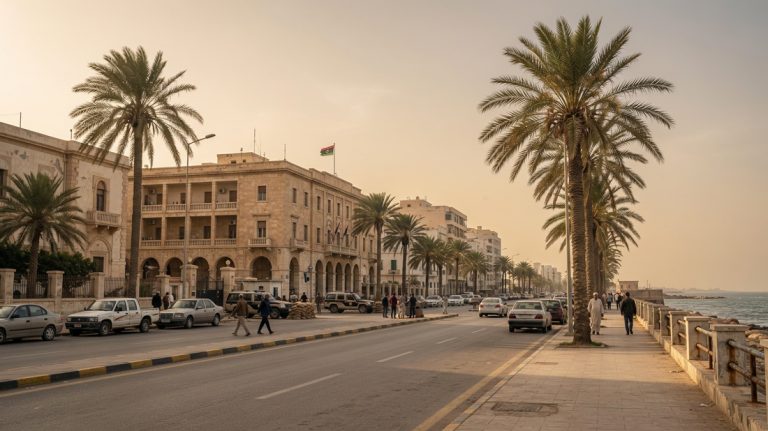
A dynastic succession in eastern Libya is colliding with American diplomatic efforts to unify the divided North African state. Saddam Haftar, deputy commander of the Libyan Arab Armed Forces and son of aging strongman Khalifa Haftar, has spent recent months visiting foreign capitals to burnish his presidential credentials. His rapid political ascent now challenges a Washington backed mediation track that risks triggering fresh violence across western Libya.
For years, foreign diplomats assumed the eastern military coalition would fracture once the elder Haftar stepped aside. Instead, the family consolidated control over armed brigades, reconstruction funds, oil revenues, and banking networks across Benghazi and the east. By appointing Saddam as deputy general commander in August 2025, Khalifa Haftar effectively named his heir apparent and placed him at the center of Libya’s economic and military machinery.
Washington Pivots to Family Bargaining
This consolidation reshaped mediation led by Massad Boulos, Washington’s senior adviser for Arab and African affairs. Rather than brokering compromises between Libya’s rival legislative chambers, American envoys pursued direct elite bargains between the Haftar family in Benghazi and the Dabaiba family leading the Tripoli government. Early talks yielded a unified budget deal in April 2026 and nudged United Nations facilitators toward a committee uniting both armed camps.
Critics inside Libya warned that sidelining broader political institutions merely legitimizes family rule without addressing corruption or public services. Buoyed by international parity, Saddam moved aggressively to reshape state bodies in his favor. In October alone, his allies helped oust the longtime parliamentary speaker, ratified a maritime drilling deal with Turkey to win Ankara’s backing, and brokered a leadership change at the Central Bank of Libya.
Western Libyan Resistance Narrows Options
Despite months of shuttle diplomacy, no comprehensive power sharing pact has materialized because western Libyan factions fiercely reject a Haftar presidency. Armed constituencies in Tripoli and Misrata deeply distrust Saddam’s intentions, especially after investigators linked eastern operatives to alleged sabotage plots targeting western energy infrastructure. While the Dabaiba camp welcomes tactical deals over central bank liquidity, it refuses to sign an accord handing Saddam national leadership.
The resulting deadlock leaves Libya balanced on a precarious edge. Security insiders doubt that either side would respect election results if the outcome favored its rival. With foreign capitals increasingly treating Saddam Haftar as an indispensable partner capable of imposing order, western Libyan opponents face narrowing political space that could push rival factions back toward armed confrontation.
Original analysis inspired by Tim Eaton from Chatham House. Additional research and verification conducted through multiple sources.