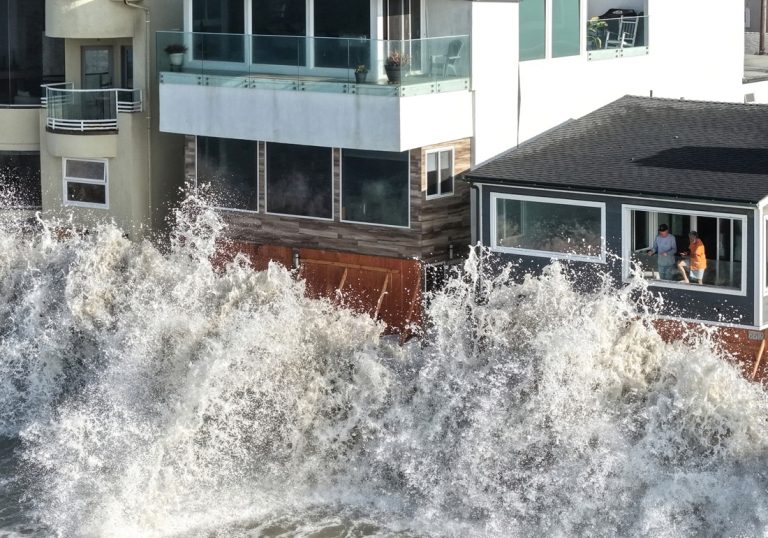
Scientists warn that Trump’s NOAA cuts have weakened preparedness for El Niño. The practical question is whether communities can turn forecasts into action before dangerous conditions arrive. Weather information has public value only when observations, analysis and warnings connect reliably with the people who need them.
NOAA’s October winter outlook anticipates wetter conditions across much of the southern United States and along the East Coast. It favors warmer conditions across much of the north. These are changes in seasonal probabilities, not promises about individual storms or precise snowfall totals. Preparedness must therefore account for uncertainty rather than wait for a single definitive prediction.
The physical mechanism is well established. El Niño shifts the Pacific jet stream southward and eastward, changing where storms tend to travel. That can bring welcome rain to dry regions while also increasing exposure to damaging conditions. Local impacts depend on terrain, drainage, existing vulnerability and the sequence of storms, which is why broad seasonal guidance cannot replace local forecasting.
Communication presents another weakness. A January 2026 GAO review identified gaps in multilingual weather information and planning for automated translation. The review found that the National Weather Service’s project lacked documented performance goals and a sufficiently developed account of resource needs. It also noted that roughly 26 million people in the country have limited English proficiency, making understandable warnings a significant public safety issue.
Those findings point toward a more useful debate about public spending. Policymakers should assess whether forecasting services maintain reliable observations, timely local analysis and accessible communication. New tools can help, but their usefulness still depends on implementation, staffing and clear responsibilities. A government that measures savings without measuring lost warning capacity risks confusing a smaller budget with a more effective service.
Original analysis inspired by Gabrielle Canon from The Guardian. Additional research and verification conducted through multiple sources.