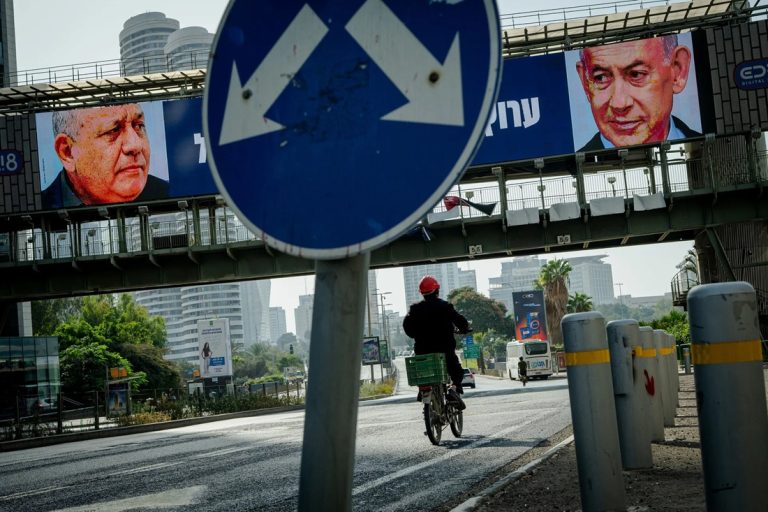
Three years of continuous regional warfare have fractured Israel’s traditional political blocs and elevated emerging military led factions into potential parliamentary kingmakers. As Prime Minister Benjamin Netanyahu and centrist challenger Gadi Eisenkot compete for coalition leadership, disaffected right wing voters are increasingly turning toward newly formed parties that reject both the ruling government and the traditional opposition. Citizens seeking official parliamentary procedures and certified party information can visit the Central Elections Committee portal or consult Knesset institutional resources. This fragmentation reflects deep public anger over the October 2023 security failures and the mounting economic toll of prolonged mobilization.
Reservist Movements Challenge Coalition Orthodoxy
Two new right leaning contenders illustrate how military service has become the defining fault line in Israeli society. Former communications minister Yoaz Hendel leads an alliance uniting economic reformers with military reservists who demand mandatory conscription for ultra Orthodox citizens, while former brigadier general Ofer Winter heads a nationalist religious slate. Defense analysts note that extended reserve duty requirements have placed unprecedented strain on young families and the broader national economy. While Hendel openly blames Netanyahu for past security lapses and refuses to join a coalition that preserves draft exemptions, Winter’s late pledge to back the prime minister has complicated right wing vote arithmetic.
External political interventions and domestic media controversies have further intensified the campaign atmosphere. Breaking with diplomatic convention, Donald Trump publicly endorsed Netanyahu and linked continued American military operations against Iran to the prime minister’s political survival, while Brookings researchers analyze how regional war dynamics shape domestic alliances. At the same time, inflammatory remarks by television host Yinon Magal targeting Eisenkot’s Moroccan heritage sparked widespread backlash across the political spectrum.
Whether these fledgling parties cross the parliamentary threshold will determine who can assemble a governing majority during the forty two day coalition window. Researchers at the Israel Democracy Institute observe that entrenched tribalism still prevents substantive public debate over long term Palestinian diplomacy even as voters rally around sharing the military burden. Until political leaders address both internal social equity and broader regional strategy, Israel’s parliamentary deadlock is likely to persist.
Original analysis inspired by Ruth Margalit from The New Yorker. Additional research and verification conducted through multiple sources.