Washington’s decision to purchase hundreds of thousands of tons of Russian diesel while suspending congressional sanctions marks a dramatic reversal in Western policy toward Moscow. Framed domestically as a measure to ease fuel inflation caused by Middle Eastern military operations, the waiver provides the Kremlin with vital hard currency while doing little to alter American energy costs. Policy researchers estimate that the fuel agreement could generate billions of dollars for Moscow over six months without noticeably lowering pump prices for Western consumers. By trading sanctions relief for minimal domestic fuel supplies, the administration has effectively weakened economic pressure on the Russian war machine.
Commercial Interests Behind Diplomatic Concessions
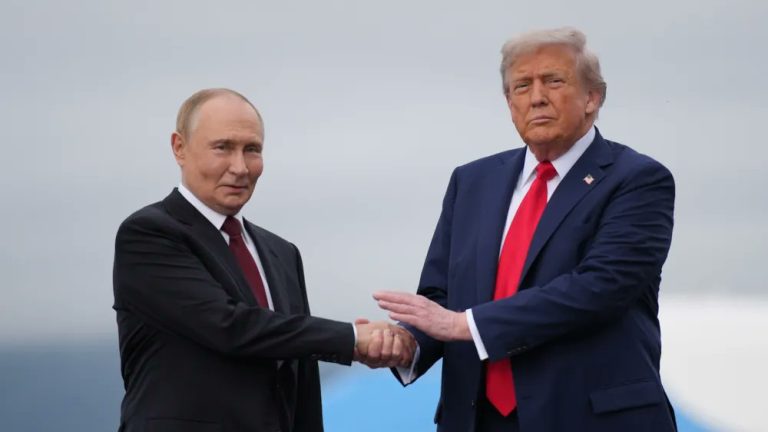
Energy diplomacy represents only one piece of a broader commercial courtship between American envoys and Kremlin insiders. Private discussions involving Russian sovereign wealth officials and international investors have explored lucrative post sanctions ventures, including equity stakes in major oil assets like Lukoil. Western intelligence assessments reveal that Moscow has steadily adapted its supply networks to bypass restrictions while dangling commercial contracts to divide allied capitals. Even as European governments struggle to maintain unified economic pressure on Moscow, bilateral American waivers undercut collective Western leverage.
These financial overtures coincide with mounting operational pressures on Kyiv. Ukrainian forces recently endured severe communications disruptions along the front lines after access to the Pentagon contracted Starshield satellite network was temporarily curtailed during heavy Russian missile barrages on energy infrastructure. At the same time, White House rhetoric has increasingly blamed Ukrainian leadership for prolonging the conflict while envoys salute Kremlin gestures in Moscow. Foreign policy experts observe that weakening support for Kyiv while courting Moscow threatens the entire transatlantic security architecture.
Treating an active aggressor as a favored commercial partner carries profound long term consequences for international stability. Earlier generations of Western leaders recognized that appeasing expansionist powers through backroom concessions only invites further aggression across Europe and beyond. By subordinating bipartisan sanctions and allied defense to short term energy deals and private business prospects, Washington risks trading away the credibility of Western security guarantees.
Original analysis inspired by Sidney Blumenthal from The Guardian. Additional research and verification conducted through multiple sources.