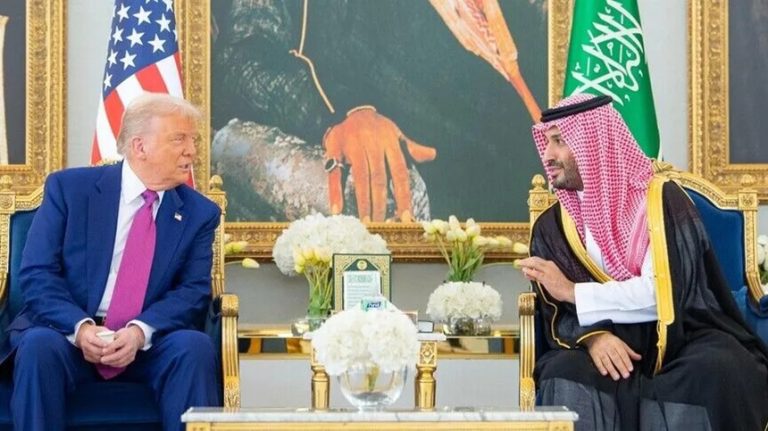
A profound shift in geopolitical alliances quietly unfolds across the Arabian Peninsula. Following intensified hostilities along the Red Sea coast, Saudi Arabia increasingly questions the reliability of its historic defense pacts. When rebel factions recently seized strategic maritime chokepoints, the resulting crisis exposed critical limitations in how foreign powers protect their regional partners. This realization forces neighboring capitals to drastically rethink their survival strategies.
Fracturing Historical Assurances
For decades, Riyadh heavily relied on Washington as its ultimate security guarantor. This mutual dependence traces back to foundational agreements established during the mid twentieth century. When previous regional threats emerged, American administrations readily deployed overwhelming military force to defend their wealthy Gulf allies. However, the current diplomatic reality looks drastically different as regional violence escalates without a corresponding foreign military response.
Fierce fighting recently erupted again between Saudi backed forces and Houthi militants. The insurgents rapidly advanced along the coastal plains and successfully captured the vital Bab al Mandab Strait. This narrow maritime passage holds immense strategic importance because it manages a substantial portion of global energy shipments. It also provides Saudi Arabia with an essential alternative export route while other critical shipping lanes remain heavily restricted. In addition to securing this territorial advantage, the rebel group simultaneously targeted crude pipelines deep inside Saudi territory.
Faced with mounting pressure, Crown Prince Mohammed bin Salman directly urged the White House to launch retaliatory airstrikes. Despite intense internal deliberations, President Donald Trump abruptly halted the planned military operations. The administration ultimately chose to limit its involvement, preferring to supply intelligence data and targeting assistance instead of deploying American warplanes. Officials reportedly feared that direct strikes could trigger wider regional instability and drastically inflate domestic fuel prices ahead of national elections.
The Necessity of Regional Autonomy
This unexpected refusal severely frustrated Saudi leadership. It reinforced growing domestic perceptions that the current American administration actively undervalues their longstanding strategic partnership. While the White House prioritizes protecting broad freedom of navigation over defending specific territorial borders, regional capitals must now confront their own vulnerability. Finding a credible substitute for American military capabilities remains an impossible task in the short term.
To mitigate these risks, Gulf nations desperately need to construct an independent defense framework. Relying indefinitely on an unpredictable external protector carries unacceptable long term dangers. A sustainable regional order would require neighboring states to collaboratively assume responsibility for their mutual stability. Prominent security analysts recently suggested that a truly resilient architecture must transcend rigid geopolitical blocs and externally managed alliances.
Instead of depending on foreign umbrellas, Middle Eastern capitals could establish inclusive diplomatic mechanisms. Such an arrangement would ideally integrate the Gulf monarchies alongside regional powers like Turkey, Iraq, and Iran. By implementing shared confidence building measures and localized conflict mediation, these nations could manage their rivalries internally. While historical mistrust will not vanish overnight, transitioning toward regional self reliance remains the only viable path to enduring stability.
Original analysis inspired by Giorgio Cafiero from Anadolu Agency. Additional research and verification conducted through multiple sources.