
UNGA Diplomatic Shock: Why U.S. Leaders Refused To Meet Israel’s Prime Minister| Driti Atri Explains

In an unprecedented geopolitical development at the United Nations General Assembly in New York, senior US administration officials and President Trump declined to hold bilateral meetings with Israeli Prime Minister Benjamin Netanyahu. Citing scheduling conflicts and condensed itineraries, Washington’s decision coincided with a 77-nation delegation walkout during Netanyahu’s UN speech. In this TimesXP emergency report, we examine the reasons behind Washington’s cold shoulder, the domestic US political factors at play, and how Middle East diplomatic rifts impact global tech markets, energy routes, and trade corridors.
Why Economic Growth Cannot Fix The National Debt Crisis

Relying on optimistic economic expansion will not solve the US national debt crisis. With debt reaching $40 trillion and interest payments eclipsing defense spending, stabilizing the economy requires structural spending reforms and real revenue solutions over wishful forecasts.
UK Nationalist Parties Face a New Constitutional Crossroads

Leaders from Scotland, Wales, and Northern Ireland have signed a joint pact to accelerate constitutional change. Yet as radical independence movements transition into conventional governance, balancing economic pressures with voter demands poses a defining challenge for sovereignty campaigns.
Netanyahu UN Speech Highlights Severe Diplomatic Isolation
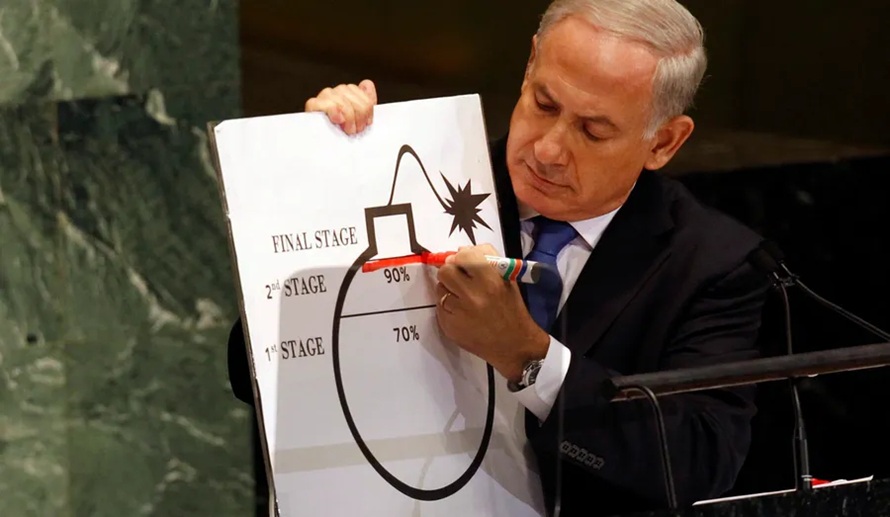
A dramatic walkout during Benjamin Netanyahu’s UN speech underscores mounting global isolation. As traditional allies distance themselves and international legal scrutiny intensifies, Jerusalem faces a rapidly shifting world order where military superiority alone cannot ensure diplomatic influence.
Iran Alters Strategy to Expel US Forces Amid Rising War Costs
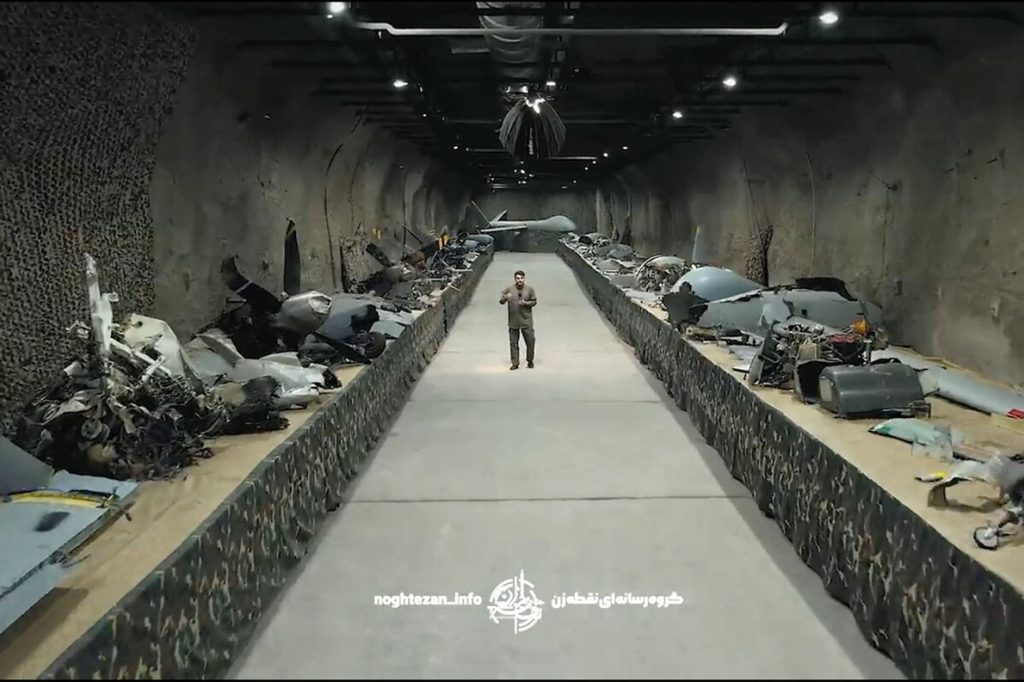
Tehran has adopted an aggressive offensive strategy to expel US forces and secure key energy transit routes. As asymmetric strikes inflict billions in damages, rising operational costs pose severe challenges to sustaining a forward presence in the region.
Gulf Security Redefined as US Refuses Direct Military Intervention
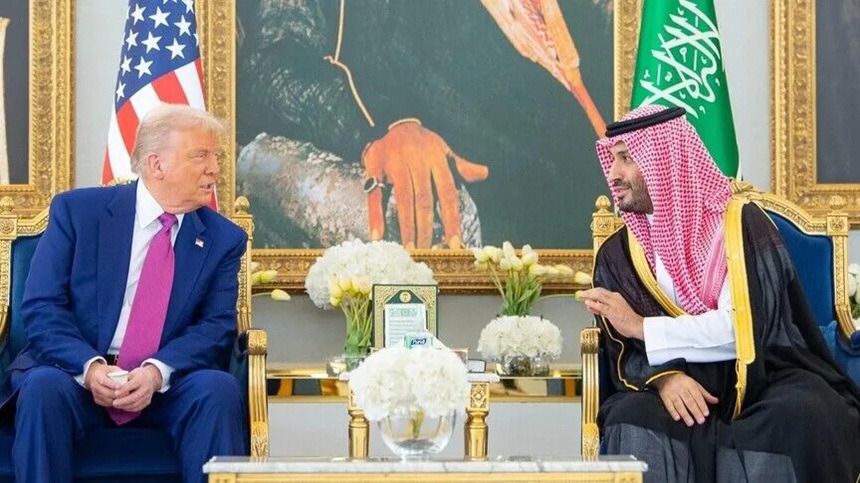
As the US declines direct military intervention in the Red Sea, historic defense pacts face new strain. With key shipping routes under threat, Gulf nations must rethink reliance on foreign allies and build an independent regional framework for long-term stability.