
The swift advance of Ansarallah forces along the Red Sea coast represents a severe blow to regional stability and global energy markets. By capturing vital territory near the Bab el Mandeb strait, these militants now possess the capability to threaten shipping passing toward the Suez Canal. This abrupt territorial shift compounds an already dire situation in the Middle East where geopolitical conflicts continue to disrupt commercial supply chains. For policymakers in Washington, this new reality fundamentally alters the calculations surrounding their economic pressure campaigns.
Escalating Risks to Global Energy Markets
Recent militant victories dramatically squeeze an already vulnerable global oil market. Beyond restricting maritime transit, rebel strikes on crucial Saudi Arabian pipeline infrastructure essentially severed a primary alternative route for exporting crude. Initial optimism that global markets could easily absorb the shock has evaporated as prolonged supply disruptions drain inventories across both commercial and strategic reserves. Refining capacity faces simultaneous pressures following drone strikes on Russian facilities and the isolation of Gulf export hubs from normal transport networks.
The economic consequences extend far beyond the energy sector. Rising fuel expenses cascade through the broader economy as domestic diesel costs surged past six dollars per gallon recently. These soaring transportation costs contribute significantly to domestic inflation, heavily influencing monetary policy decisions. In response to these persistent inflationary pressures, the Federal Reserve appears poised to raise rates during its upcoming session. Such a move directly contradicts the preference of the administration for looser monetary conditions ahead of the elections.
Reevaluating the Approach in Washington
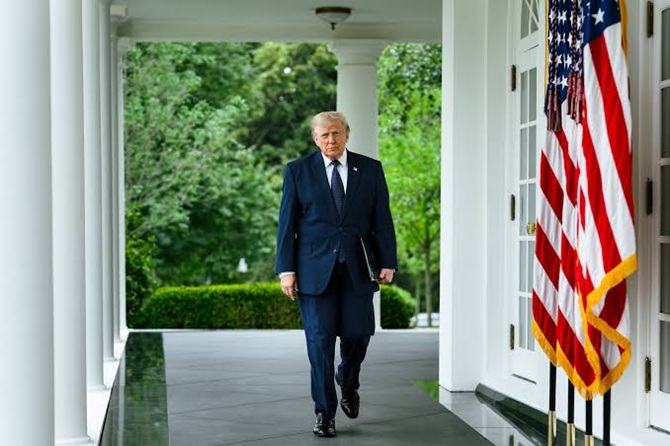
Behind closed doors, advisors surrounding Donald Trump increasingly recognize that current naval blockades and severe economic sanctions will likely fail to force Tehran into capitulation before his term ends. Despite acknowledging this grim trajectory, senior officials hesitate to adjust their diplomatic demands or pursue alternative negotiation frameworks. The administration appears perfectly content to maintain a prolonged stalemate and pass the unresolved conflict to future leaders. Meanwhile, ongoing hostilities obstructed passage for private commercial vessels lacking specialized insurance coverage through the Strait of Hormuz.
This stagnant strategy inflicts massive economic damage on regional partners who rely on secure waterways. Iraq faces an impending budget crisis while Egypt suffers devastating revenue losses from plunging Suez Canal traffic. Without a functional bypass pipeline, most Gulf states are absorbing massive financial hits. Additionally, analysts warn that targeted vessels stranded in contested waters could leak crude and poison marine ecosystems throughout the region.
Persisting with a rigid strategy of economic attrition against Tehran while vital waterways remain vulnerable promises to exact a heavy toll on international commerce and allied relationships. As financial collateral damage mounts for neighboring states, the administration will inevitably face mounting pressure to recalibrate its diplomatic framework. Without a tangible shift in diplomatic or military engagement, American leverage could steadily erode as soaring fuel prices strain the broader global economy.
Original analysis inspired by Greg Priddy from The National Interest. Additional research and verification conducted through multiple sources.


