
How Trump’s 2024 Coalition is Already Falling Apart
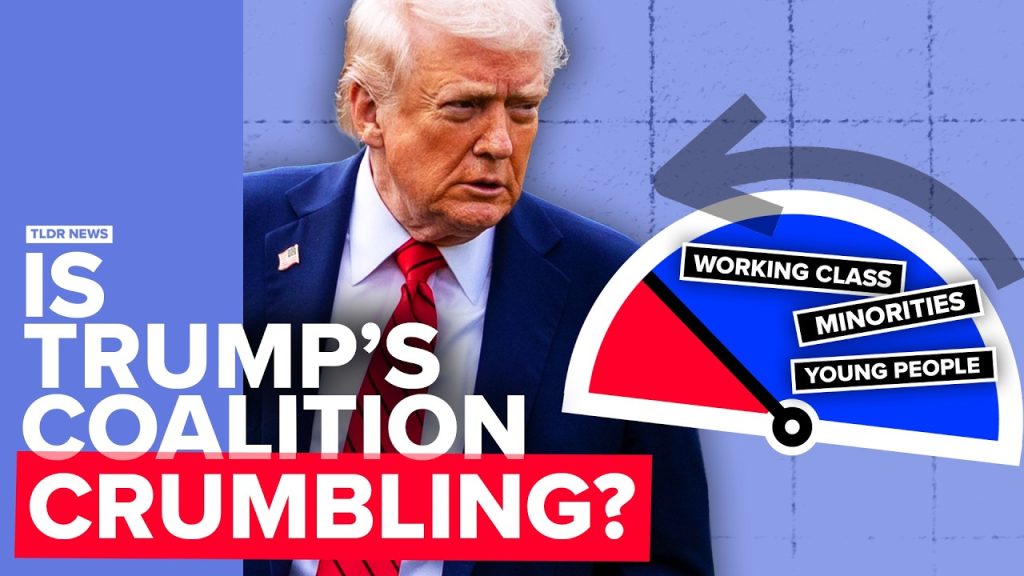
One of the many remarkable things about Trump’s 2024 victory was the diverse of his electoral coalition. But, as results have shown last week, these voters are now heading back towards the Democrats. So, in this video, we’re taking a look at Trump’s electoral coalition, why they’re snapping back, and what it means for American politics more broadly.
Why Houthi Gains in Yemen Derail Donald Trump’s Strategy on Iran
Ansarallah’s strategic advance along the Red Sea coast threatens vital global trade routes, severely disrupting oil transit and fueling domestic inflation. As energy prices rise and regional economies absorb heavy financial losses, Washington’s economic pressure strategy against Iran faces mounting pressure to recalibrate amidst growing global instability.
Why Donald Trump’s Diverse Voting Coalition is Fracturing
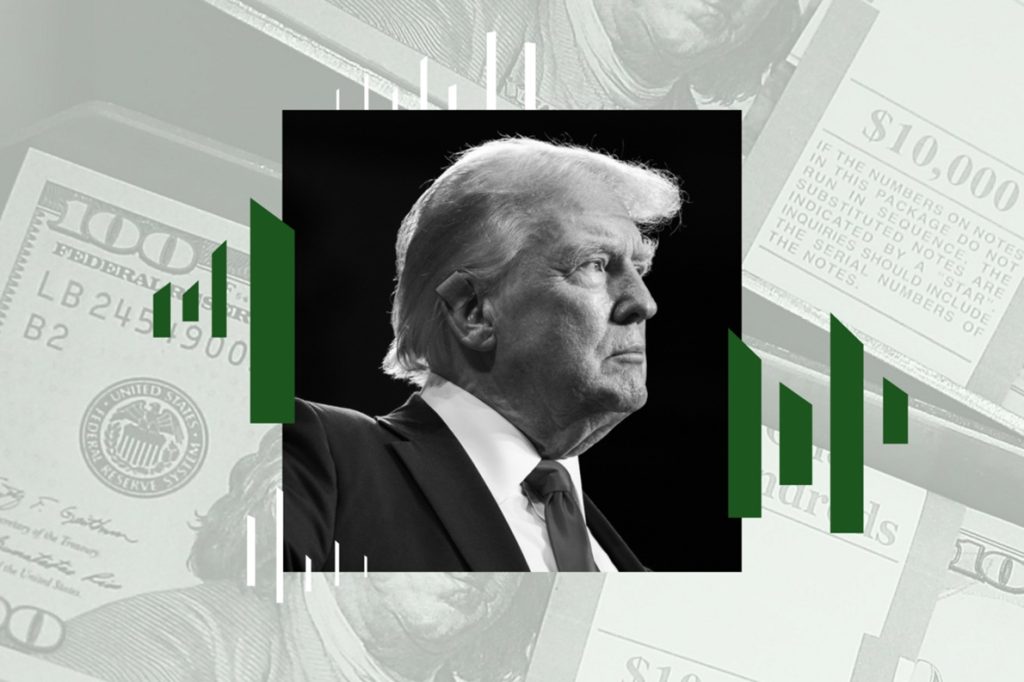
Economic pressures from aggressive tariffs and foreign military entanglements are severely weakening Donald Trump’s political coalition ahead of the midterm elections. As public dissatisfaction over inflation and foreign policy deepens, shifting voter loyalties are creating a volatile landscape that could alter the balance of power in Congress.
The Unsettled Commitments of the Mecca Joint Defense Agreement
The recent Ansarallah attacks on Saudi infrastructure have exposed the operational limitations of the newly signed Mecca Joint Defense Agreement. Lacking clear trigger mechanisms and an integrated command structure, Turkey and Pakistan have restricted their responses to diplomatic condemnations, raising doubts about the pact’s ability to deliver tangible regional deterrence.
How Asymmetric Tactics Neutralize American Military Power in Iran

The confrontation with Iran highlights the shifting dynamics of modern warfare, where asymmetric tactics and cheap weaponry neutralize conventional military superiority. By exploiting geographic advantages and economic endurance, regional powers can inflict unsustainable financial and political costs on superpowers, signaling an end to uncontested unilateral authority.
Ansarallah Victories Force a Strategic Shift in Washington
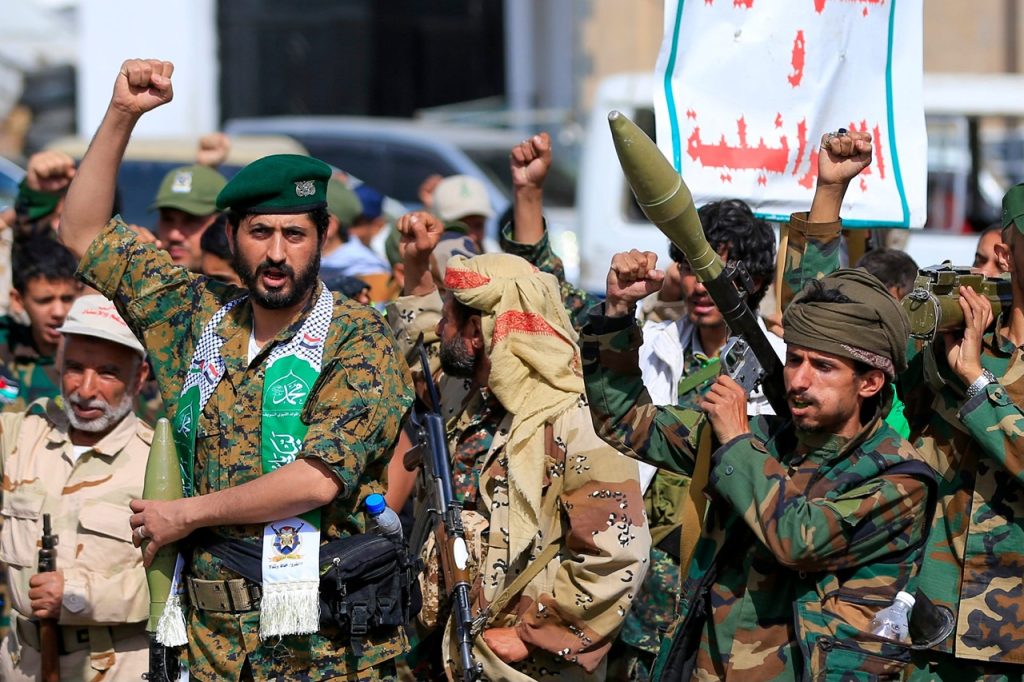
Ansarallah’s advances along the Red Sea coast have secured control over vital maritime bottlenecks, severely disrupting global energy routes and destabilizing Saudi Arabia’s economy. The crisis highlights the limitations of regional security alliances, forcing Washington to navigate escalating strategic and economic challenges without direct military intervention.
A Legacy of Unending Conflicts

Military interventions have repeatedly failed to secure regional stability. From Afghanistan to the new conflict with Iran, military force cannot solve complex political grievances. True security requires diplomacy, adherence to international law, and addressing the root causes of instability, including the longstanding Palestinian question.