
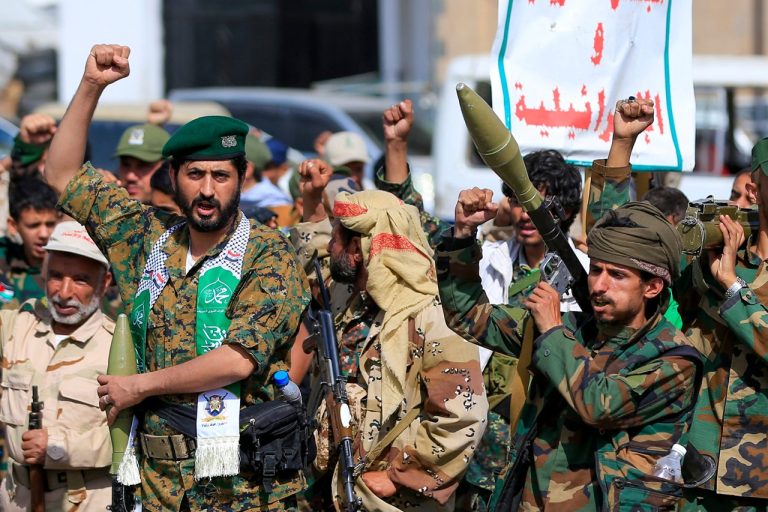
An insurgent faction from an impoverished nation now dictates the tempo of a massive international conflict. The recent Ansarallah military offensive secured crucial territory along the Red Sea coast, fundamentally altering geopolitical calculations in the Middle East. By capturing major port cities and strategic islands, these militants control the vital Bab el Mandeb chokepoint. This geographic advantage grants them immense power to disrupt global trade and frustrate diplomatic initiatives originating from the White House.
Vulnerabilities in Global Energy Transit
For months, international observers worried primarily about commercial vessels navigating the Strait of Hormuz. When maritime traffic in that region collapsed due to security threats, global suppliers redirected millions of petroleum barrels daily toward the Red Sea. Now, this alternative route faces severe peril. A militant presence near the southern tip of the Arabian Peninsula effectively threatens the most accessible detour for petroleum exports. By securing this secondary bottleneck, Iranian allies gain exceptional leverage over American negotiators attempting to restore maritime stability.
The economic fallout severely damages the financial stability of Saudi Arabia. Before these coastal territories fell, petroleum output already dropped to exceptionally low levels. The situation worsened when rebel forces launched missiles at vital energy infrastructure, completely bypassing coastal defenses. These strikes intentionally damaged the exact pipeline networks designed to move crude away from contested eastern waters.
The Limits of Regional Defense Pacts
These rapid territorial shifts expose the fragile nature of new regional security alliances. Riyadh recently finalized a historic mutual defense agreement in Mecca alongside Turkey and Pakistan. Security analysts assumed this unprecedented coalition would instantly mobilize during any direct attack on Saudi soil. However, as insurgent rockets hit civilian centers, Saudi leadership bypassed their new Muslim allies entirely.
Instead, the Crown Prince immediately phoned Washington to request direct American retaliation against the advancing militants. While Donald Trump declined to launch immediate airstrikes, his administration agreed to supply crucial intelligence and logistical support. This immediate reliance on American military power proves that local defense pacts cannot yet replace Western security guarantees. Ultimately, the insurgent victories prove that small militias can completely derail the military strategies of global superpowers.
Original analysis inspired by David Averre from Newsweek. Additional research and verification conducted through multiple sources.


