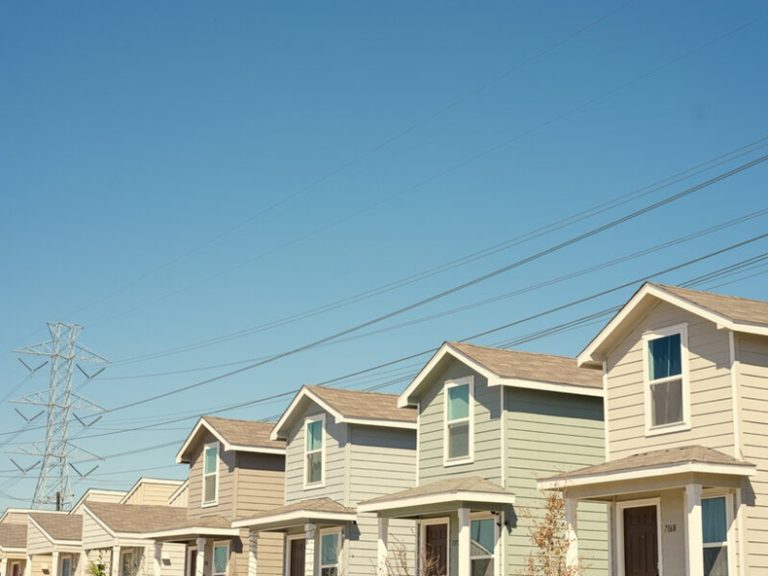
The political discourse surrounding living expenses regularly peaks during campaign seasons. Candidates frequently promise immediate solutions to reduce the financial burdens associated with shelter, education, and daily necessities. However, these ambitious proposals rarely align with underlying economic realities. The structural challenges driving the residential property crisis have accumulated over more than a decade, meaning quick fixes will remain elusive regardless of government intervention.
The Reality of General Inflation
The broad panic over general living expenses might be slightly exaggerated. Over the past decade, average hourly compensation has largely tracked alongside standard consumer inflation metrics. Both figures have increased at approximately similar rates, meaning real purchasing power remains relatively stagnant rather than collapsing entirely. While stagnant wages are certainly undesirable, they do not inherently constitute a macroeconomic crisis.
The real estate sector presents an entirely different and far more severe scenario. Property prices accelerated dramatically during recent years, vastly outpacing standard income growth. While wages have recently started catching up, the rental market tells a stark story of divergence. Rental costs have surged significantly, outpacing wage growth and severely limiting the ability of aspiring buyers to save for necessary down payments.
Rising borrowing costs heavily compound these affordability challenges. Since the central bank initiated aggressive inflation fighting measures, metrics from the St Louis Fed indicate rates climbed past six percent. Because the vast majority of purchases require financing, this shift drastically altered the financial mathematics for first time buyers. Data from the Realtors Association indicates that typical monthly payments have nearly tripled over the last decade. This explosive growth heavily eroded overall affordability, validating the intense public concern surrounding the residential market.
Proposed solutions generally fall into monetary or fiscal categories, yet both face significant hurdles. Returning to artificially low interest rates would certainly lower monthly payments, but such a drastic monetary reversal risks reigniting broader inflation across the economy. Central bank leadership remains unlikely to gamble with hard won progress on price stability.
Fiscal interventions, such as direct buyer subsidies or expanded tax incentives, present their own severe complications. Meaningful financial assistance would require massive federal spending, which directly conflicts with concerns over the escalating national debt. Providing blanket subsidies transfers wealth from general taxpayers to the middle class, raising serious equity concerns. Restricting assistance strictly to low income buyers risks artificially inflating demand and potentially recreating precarious lending environments similar to those detailed on Wikipedia.
Structural Constraints on Supply
Some policymakers advocate for stimulating new construction through developer incentives. While increasing the physical supply of homes could theoretically cool price appreciation, the scale required to offset elevated borrowing costs is staggering. This challenge is further complicated by the current behavior of existing owners. Millions of households secured extremely favorable mortgage rates prior to the recent central bank hikes. These owners now refuse to sell, as doing so would force them to abandon their cheap financing and assume much higher borrowing costs on their next property.
This lock in effect disrupts the traditional life cycle of residential real estate. Historically, older generations eventually downsized, freeing up larger family homes for younger buyers entering the market. With millions of properties effectively frozen in place by low rate mortgages, available inventory according to the Census Bureau remains artificially constrained. Constructing enough new units to bypass this massive supply blockage would require an impractical mobilization of resources.
Other political proposals include implementing strict rent controls to protect tenants from escalating housing costs. While politically popular, artificial price ceilings historically reduce the overall quality and quantity of available units. Landlords restricted from covering rising operational expenses typically slash maintenance budgets or abandon unprofitable properties entirely. Alternative ideas, such as introducing fifty year mortgages or allowing owners to port their existing low rates to new properties, might offer marginal relief for future buyers. However, these structural changes cannot retroactively unlock the millions of properties currently frozen by past financing agreements.
The current residential squeeze stems primarily from powerful macroeconomic forces rather than individual malice. Extended periods of cheap money followed by rapid tightening created a structural gridlock that defies simple policy solutions. Citizens hoping for a rapid return to historical affordability norms will likely face extended disappointment as the market slowly digests these entrenched financial realities.
Original analysis inspired by Milton Ezrati from The National Interest. Additional research and verification conducted through multiple sources.