Six months of continuous military confrontation between Washington and Tehran have shattered traditional security paradigms across the Middle East. Gulf capitals initially welcomed the return of Donald Trump but quickly realized his aggressive stance against the Islamic Republic prioritized destructive military operations over regional stability. Relentless drone and missile exchanges now regularly paralyze critical civilian infrastructure and vital shipping lanes. This sustained chaos forces neighboring nations to rapidly reassess their overwhelming reliance on foreign protection.
Rethinking Strategic Alliances
Arab nations are actively diversifying their defense portfolios to reduce their dependency on American military support. Recent diplomatic maneuvers include new mutual defense agreements with nations like Pakistan and Turkey. Regional governments also increasingly procure advanced military hardware from European and Asian manufacturers to build independent arsenals. Defense ministries recognize that relying solely on Washington exposes them to sudden policy shifts and unpredictable diplomatic mandates.
Simultaneously, these nations are expanding their economic and political engagements with rival global powers. Beijing already dominates the regional energy trade and actively courts deeper diplomatic integration with Gulf producers. While leaders remain cautious about adopting Russian or Chinese security guarantees completely, this deliberate pivot signals a permanent departure from exclusive Western alignment. Developing multiple diplomatic channels provides these nations with crucial leverage during unpredictable international crises.
Economic Vulnerability and Adaptation
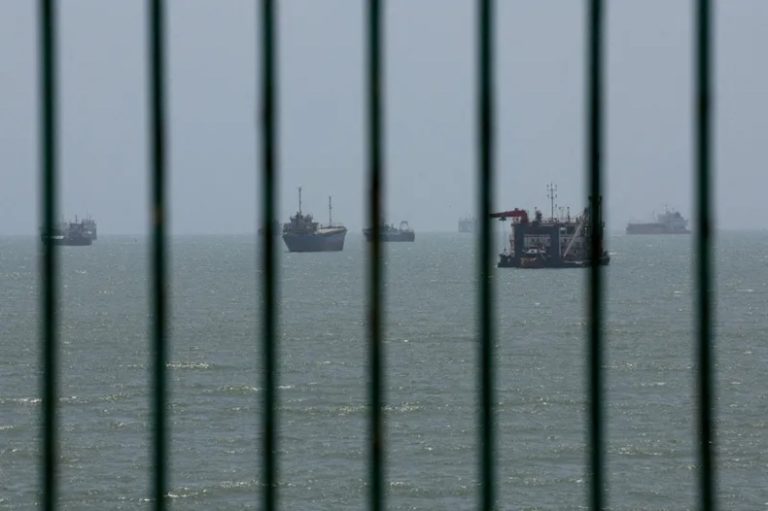
The ongoing conflict severely threatens the foundational economic model of oil producing states. Prolonged disruptions across the Strait of Hormuz directly endanger the massive sovereign wealth funds that sustain domestic social stability. Wealthy Gulf nations finance their entire domestic governance structure through uninterrupted hydrocarbon exports. Should these vital waterways remain contested, the resulting financial strain could easily spark severe internal political unrest.
To mitigate these existential economic threats, energy producers are quietly developing alternative export mechanisms. Several nations are heavily investing in overseas petroleum storage facilities located in major consumer markets like South Korea and India. This strategic stockpiling allows suppliers to bypass contested maritime chokepoints and ensure continuous delivery to their Asian clients. However, expanding international storage capacity frequently creates intense disputes within production cartels regarding exact output quotas.
Overcoming Internal Divisions
The current crisis amplifies preexisting ideological fractures between neighboring Arab capitals. Differing foreign policy goals have generated visible friction between Saudi Arabia and the United Arab Emirates regarding appropriate responses to the ongoing violence. Establishing a unified regional defense network requires unprecedented levels of intelligence sharing that many capitals remain reluctant to endorse. These persistent internal divisions severely weaken collective bargaining power on the global stage.
Ultimately, survival in this volatile era demands pragmatic diplomatic engagement rather than perpetual confrontation. Wealthy Arab states must initiate direct negotiations with Tehran to secure their own territorial borders and energy infrastructure. Establishing localized security frameworks offers the most viable path toward insulating domestic economies from broader geopolitical proxy battles. By prioritizing regional economic integration over ideological disputes, Middle Eastern leaders can successfully insulate their populations from devastating foreign military adventures.
Original analysis inspired by Dina Esfandiary, Becca Wasser, and Ziad Daoud from Foreign Affairs. Additional research and verification conducted through multiple sources.