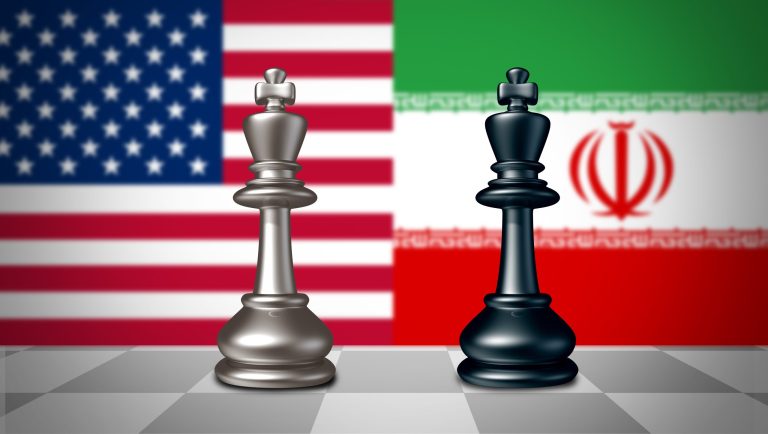
Americans are turning sharply against deeper involvement in the Middle East as the Iran conflict drags on with no clear end in sight. Recent polls show consistent disapproval of how President Donald Trump has handled the campaign, with many citing rising costs at the gas pump and grocery store as direct consequences. This growing fatigue could reshape US foreign policy debates in the months ahead, particularly as lawmakers prepare to vote on war funding and powers.
The conflict, which began with US and Israeli strikes in February, has already tested public patience. A majority of Americans opposed military action from the start, and that skepticism has only deepened as the war enters its third month. Economic fallout has played a central role, with higher energy prices hitting households nationwide and contributing to broader inflation concerns.
Public Opposition Grows Stronger
Recent surveys paint a consistent picture of discontent. Around two-thirds of Americans disapprove of Trump’s management of the crisis, with more than half expressing strong disapproval. Many believe the operation has already hurt their personal finances, and nearly half think it will ultimately weaken long-term US security rather than strengthen it. Support remains low even among some traditional backers of military engagement, reflecting broader war-weariness after years of costly operations in the region.
This sentiment echoes patterns seen in previous conflicts. The 2003 Iraq war, initially popular, eventually eroded trust in US leadership as costs mounted and objectives blurred. Similarly, the current campaign risks becoming politically toxic if it stretches without visible progress or clear strategic gains.
Congress is beginning to reflect these domestic pressures. Democrats have repeatedly pushed war powers resolutions to limit executive action, forcing votes that highlight divisions even within Republican ranks. While these measures have so far failed, they signal growing unease about open-ended commitments. With midterm elections approaching, lawmakers from both parties are increasingly sensitive to constituent concerns about spending and strategy.
Funding Battles Loom Large
The administration has requested significant additional defense funding to sustain operations, including a proposed $80-100 billion supplemental package. Fiscal conservatives within the Republican Party are pushing back, demanding clearer timelines and objectives before approving new money. Democrats, meanwhile, argue that prioritizing overseas spending over domestic needs sends the wrong message at a time when many families struggle with affordability.
These debates come as the 60-day clock under the War Powers Resolution approaches, potentially forcing more formal congressional involvement. The White House has avoided formally classifying the campaign as a “war” to sidestep some requirements, but lawmakers on both sides are demanding greater transparency and accountability.
The broader impact may extend well beyond this conflict. Prolonged unpopularity could make future US engagement in the Middle East more difficult to sustain politically. Americans have grown skeptical of open-ended commitments after two decades of costly wars, and the current episode risks reinforcing that view. Even diplomatic successes like the Abraham Accords had limited effect on domestic politics, suggesting that military actions carry even heavier political weight.
For now, the administration continues to balance military pressure with hints of renewed talks. Yet without stronger public backing, any long-term strategy faces steep domestic headwinds. The coming weeks, as Congress debates funding and war powers, will reveal how much influence American voters will exert on the conflict’s direction.
The Iran war has already reordered regional dynamics and global energy flows. Its most lasting legacy, however, may be a further souring of US public opinion toward extended involvement in the Middle East. Policymakers in Washington would do well to take note as they weigh the next steps.
Original analysis inspired by Brian Katulis and Athena Masthoff from Middle East Institute. Additional research and verification conducted through multiple sources.