
Can Andy Burnham save Labour?

In this week’s episode of Independent Thinking, our experts discuss Sir Keir Starmer’s resignation and the challenges awaiting the Labour Party’s next leader.
Why AI Killing Machines Won’t Spread as Fast as Feared

This analysis challenges the narrative that AI-powered warfare will proliferate rapidly. While the Iran conflict demonstrated the immense tactical impact of systems like Palantir’s Maven, the author argues that true operational AI targeting is constrained by extreme barriers to entry: massive data labeling requirements, reliance on high-end cloud infrastructure, and the need for a mature precision-munitions industry. By examining the Israeli “blueprint”—built on years of data integration, multibillion-dollar cloud contracts, and robust domestic arms manufacturing—the piece highlights why AI remains “brittle” and difficult to replicate. Contrasting this with the rapid spread of simpler autonomous drones, the article concludes that while AI-driven conflict is inevitable, the “killing machines” of popular imagination face significant technical and material bottlenecks that will dictate a much slower global adoption timeline.
The Iran Deal Left Israel Out. That Was a Choice, Not an Oversight.
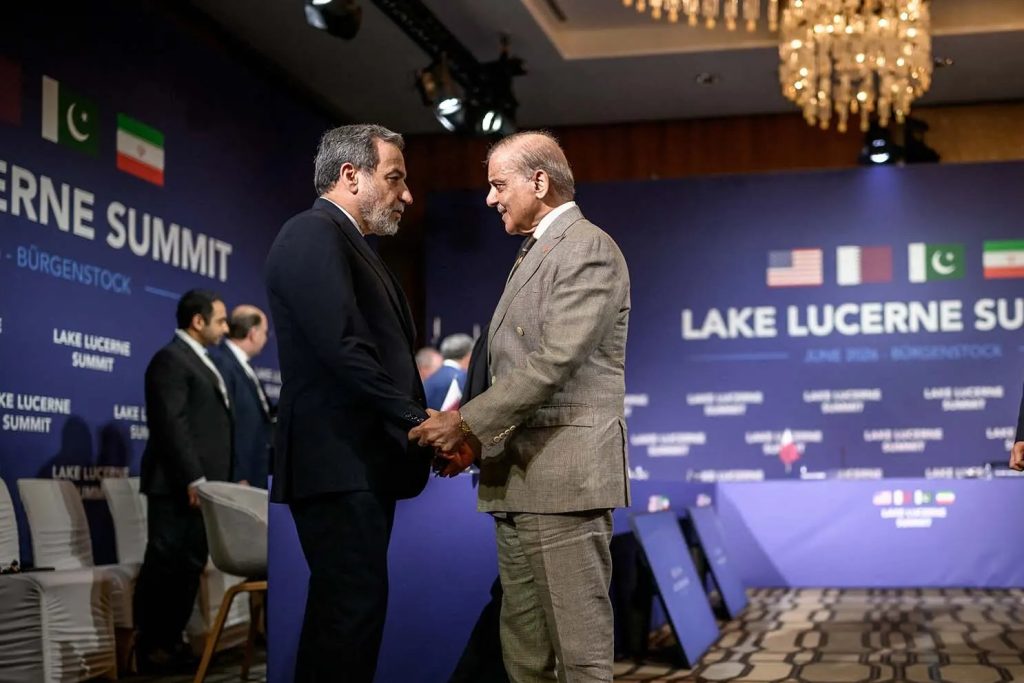
This analysis explores the strategic friction following the June 2026 U.S.-Iran memorandum of understanding. By intentionally excluding Israel from the negotiating table and deconfliction mechanisms, Washington has gained short-term tactical flexibility at the cost of long-term alliance stability. The article examines the “rhetorical whiplash” between Washington and Jerusalem, the dangers of bypassing key regional stakeholders, and the risk that alienated allies may undermine the fragile ceasefire’s implementation phase. It concludes that managing critical partnerships through public condescension rather than private coordination threatens the prospects for a durable regional order.
Iran Still Has Thousands of Missiles. Verifying Them Will Be Harder Than the Nukes.
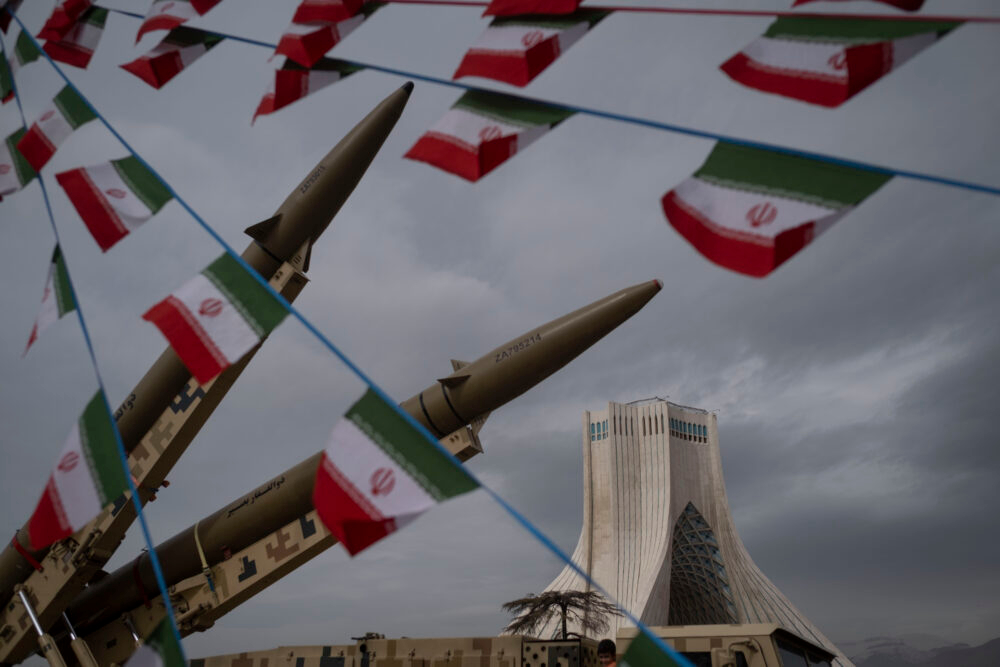
This analysis examines the critical omission of ballistic missile constraints in the recent US-Iran ceasefire agreement. While nuclear protocols benefit from established international oversight, the Iranian missile program presents unique verification challenges due to its mobile nature, dual-use industrial base, and extensive underground infrastructure. Drawing on historical precedents from Iraq, North Korea, and Libya, the text proposes a seven-layer verification architecture. It argues that failing to integrate missile controls into the current 60-day negotiating window risks merely deferring, rather than resolving, the underlying regional security threat.
China Wants to Run the World Order, Without Paying for It
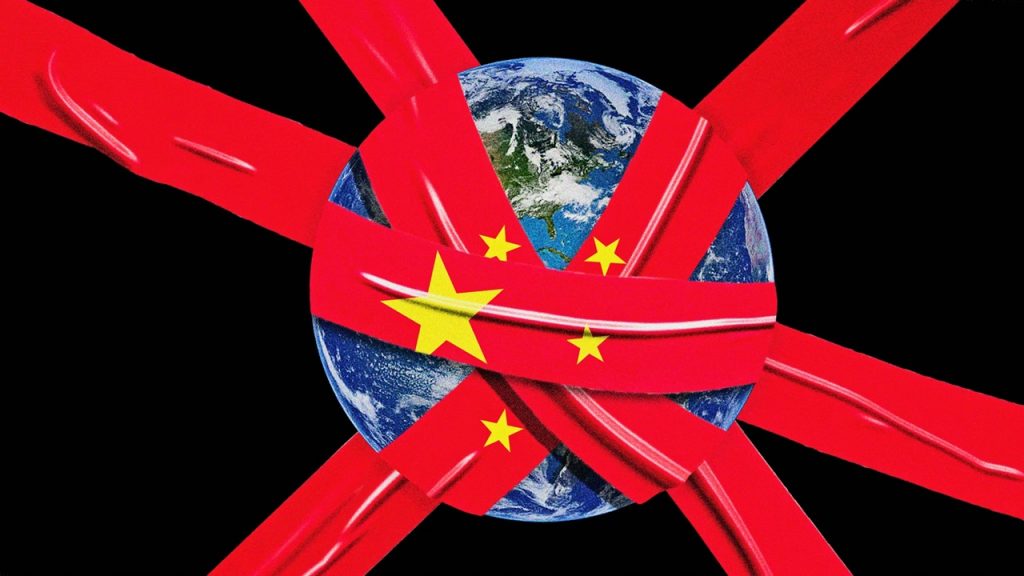
China’s recent 45-page white paper, “More Just and Equitable Global Governance: China’s Principles, Proposals and Actions,” marks a significant shift in Beijing’s diplomatic strategy. Rather than seeking to overthrow existing institutions, the document proposes reforming them to grant greater influence to the Global South and prioritize multipolarity. By positioning itself as a defender of the UN-centered order, China is attempting to fill the rhetorical vacuum left by Washington’s selective disengagement. However, the white paper remains notably silent on major new financial commitments, raising questions about whether China is prepared to bear the material costs of the global order it aims to architect. This analysis examines China’s efforts to project normative power and the structural tensions between its rising global ambitions and domestic economic constraints.
Armenia Bets on Turkey — and the Stakes Have Never Been Higher

This analysis explores the strategic realignment currently underway between Armenia and Turkey. After decades of frozen borders and historical enmity, recent diplomatic efforts suggest a potential breakthrough aimed at economic integration and regional connectivity. However, the article highlights the divergent motivations behind this process: Yerevan seeks a pivot toward the European Union as it distances itself from Russia, while Ankara views normalization as a tool to consolidate its position as an indispensable regional hub. We assess the persistent risks—including Azerbaijan’s unresolved territorial demands, the limitations of Western security guarantees, and the shadow of Russian influence—that continue to complicate Armenia’s efforts to establish a durable path toward stability. Ultimately, this piece questions whether normalization offers a genuine escape from regional dependency or merely replaces one set of structural vulnerabilities with another.