
The Iran Ceasefire Exposes the Limits of American Power
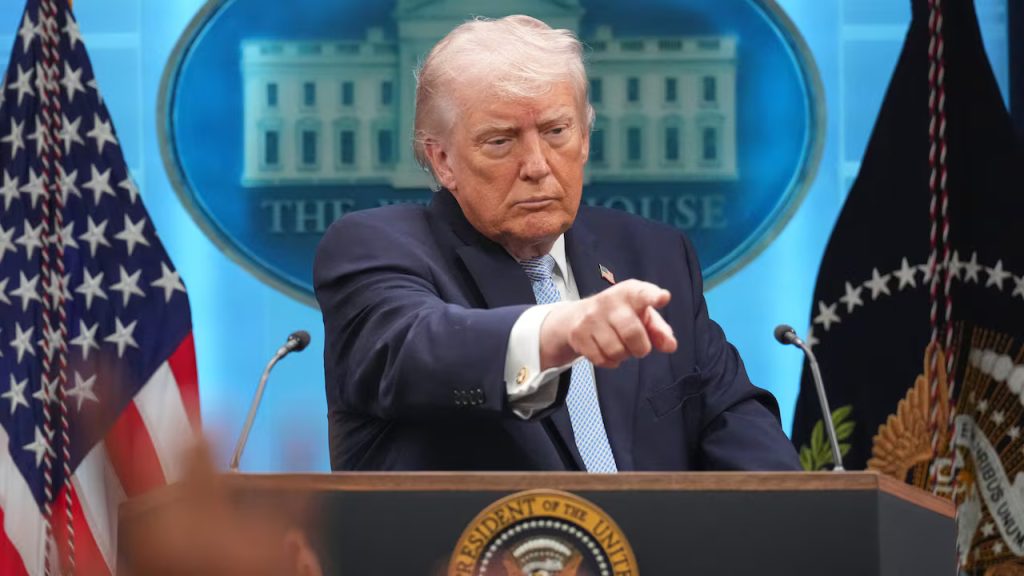
Following over three months of intense conflict, the United States and Iran have reached a framework memorandum of understanding (MoU) to formalize a ceasefire and reopen the strategic Strait of Hormuz. While this agreement provides a critical 60-day window to negotiate outstanding nuclear and security concerns, it stops short of a permanent resolution. This analysis examines the fragility of the current truce, the resilience of Iran’s institutional leadership despite significant infrastructure losses, and the profound diplomatic hurdles that remain, including skepticism from regional allies and the daunting task of codifying a lasting peace in a fundamentally reshaped Middle Eastern security landscape.
Nuclear Arms Control After New START: The World Has No Rulebook
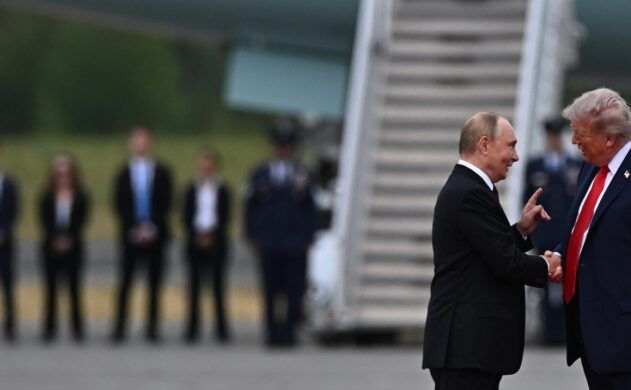
The official expiration of the New Strategic Arms Reduction Treaty (New START) on February 5, 2026, marks a historic collapse of the bilateral nuclear arms control framework. For the first time since 1969, the world’s two largest nuclear powers operate without legally binding limits on their strategic arsenals. This analysis explores the risks posed by this legal vacuum, including heightened unpredictability, the erosion of transparency mechanisms, and the challenges of integrating emerging technologies—such as AI and hypersonics—into a future arms control architecture. With no formal successor agreement currently under negotiation, the global security landscape faces a precarious shift toward an unconstrained nuclear environment.
Myanmar’s Revolution Builds the Institution the World Said It Needed
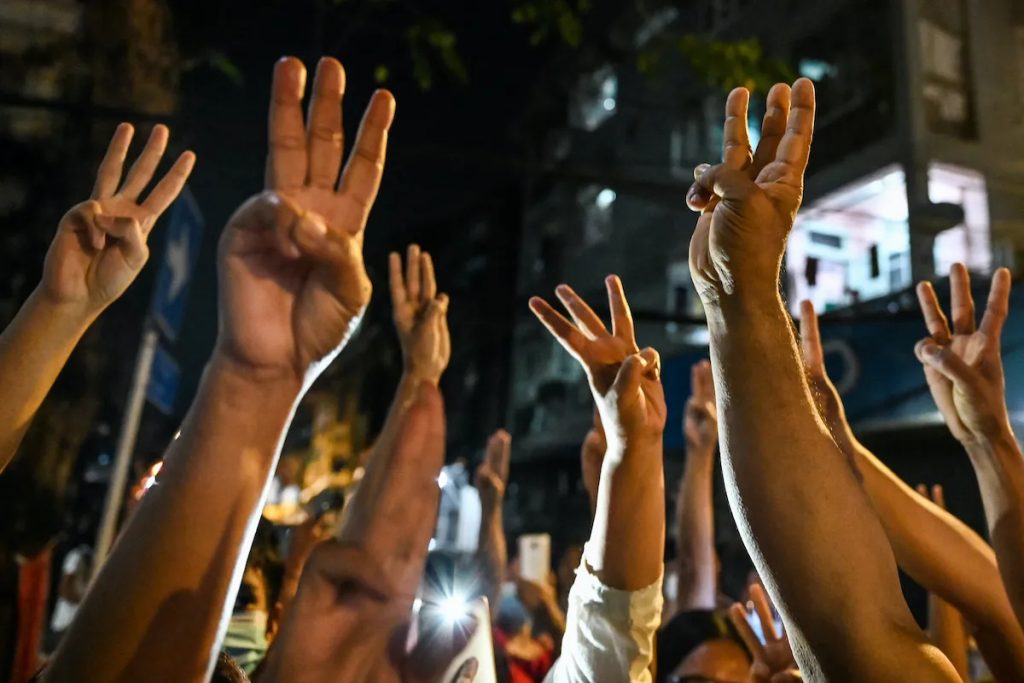
This analysis explores the historic formation of Myanmar’s “Steering Council for the Emergence of a Federal Democratic Union,” established on March 30, 2026. By unifying the National Unity Government (NUG) and key ethnic revolutionary organizations under a collective leadership model, the Council marks a significant maturation of the Spring Revolution. The piece details how this institution provides a coherent political interlocutor for the international community, shifting the discourse from a humanitarian crisis to a political transformation. Despite the ongoing challenges of military rule, the Council’s emergence—rooted in civilian supremacy and federal consensus—presents the most significant structural challenge to the junta’s legitimacy to date.
Israel Walked Into the Iran Deal Without the Tools to Fight It
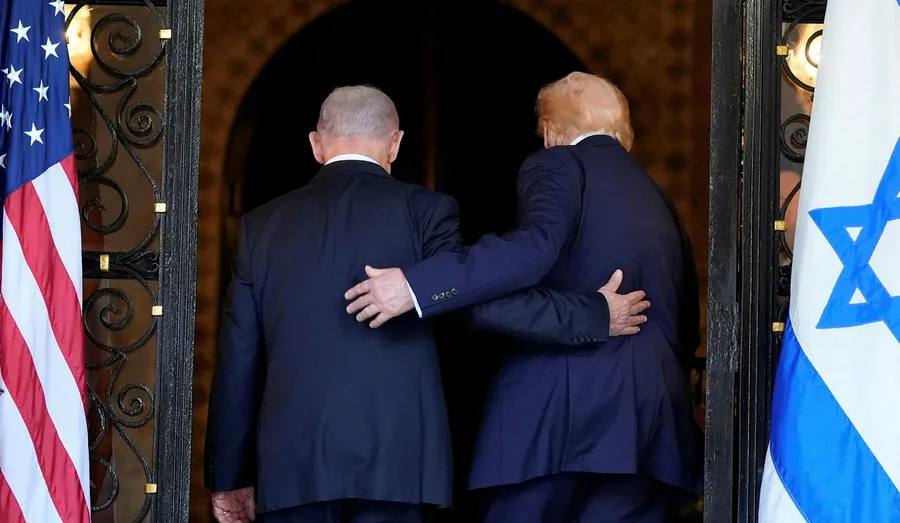
This analysis examines Israel’s deteriorating position following the recent U.S.-Iran ceasefire agreement. Despite their joint initiation of the conflict, the U.S. and Israel now find their strategic partnership deeply fractured. With the administration pursuing diplomatic pathways excluding Jerusalem and openly criticizing Prime Minister Benjamin Netanyahu, Israel enters a volatile pre-election period with a weakened deterrent, strained alliances, and unresolved core security threats. The piece highlights the structural collapse of the three pillars—intelligence cooperation, military coordination, and freedom of action—that previously underpinned Israeli strategy, leaving the nation increasingly isolated in a reshaped Middle East.
Is the War with Iran Over? What Happens Next
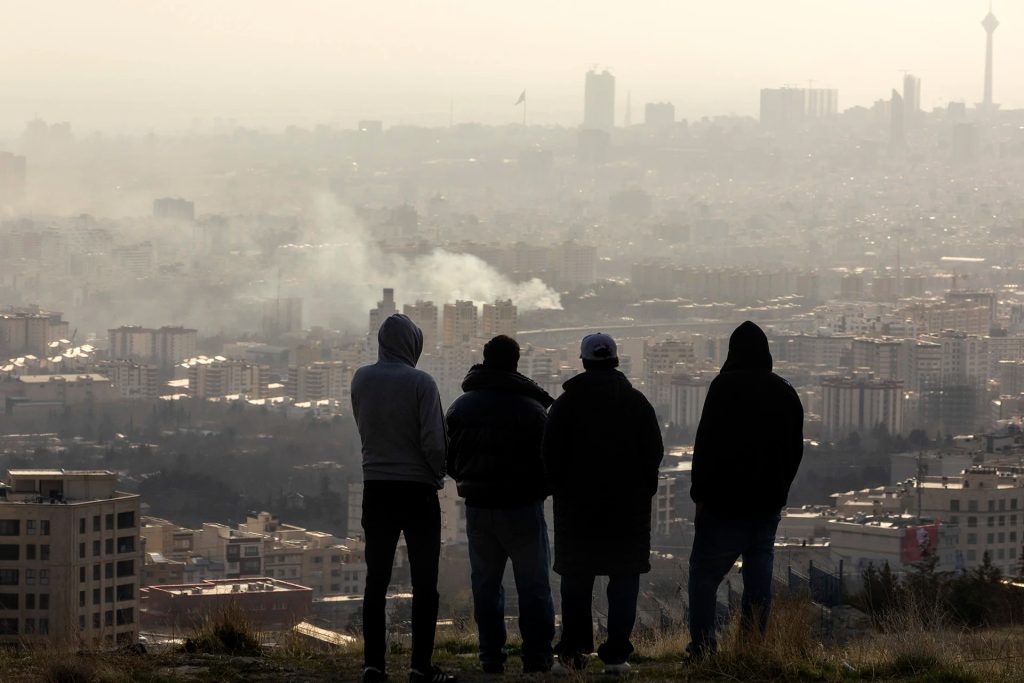
Following over three months of intense conflict, the United States and Iran have reached a framework agreement to formalize a ceasefire and reopen the strategic Strait of Hormuz. While the memorandum provides a critical 60-day window to negotiate outstanding nuclear and security concerns, the deal stops short of a permanent resolution. This analysis examines the fragility of the current truce, the resilience of Iran’s institutional leadership despite significant losses, and the significant diplomatic hurdles that remain, including skepticism from regional allies and the daunting task of codifying a lasting peace in a fundamentally reshaped Middle East.
Dr. Bruce Mabley
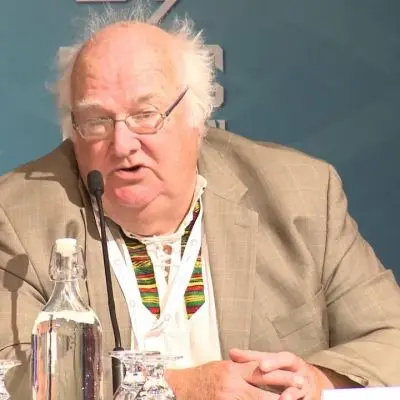
Dr. Bruce Mabley is a former Canadian diplomat, now retired. He is now the Principal Researcher for the Mackenzie-Papineau Group, a group of international affairs experts (diplomats, journalists, academics and others). He has published recently in The Globe and Mail, Globe Post, Eurasia Revue, Le Droit, Le Soleil, the Montreal Gazette, Australian Outlook and other publications. Maclean Magazine featured an article on his work in Turkey and Syria in early July 2016.
Triumph and Treason in Syria
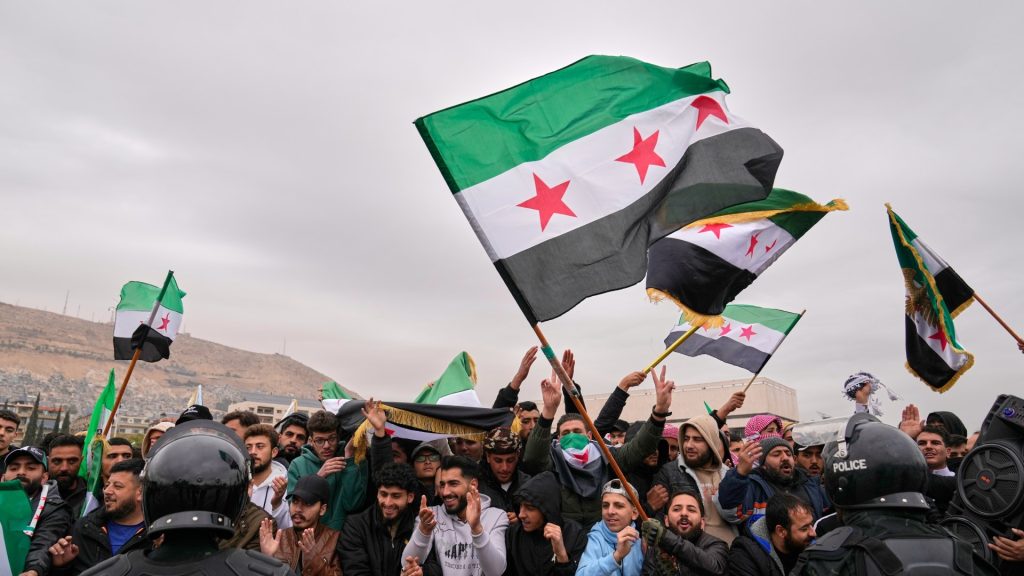
Seventeen months after the regime’s collapse, Syria faces a critical juncture. This analysis explores the challenges of building a sovereign, inclusive democracy under the current administration. We examine the influence of foreign proxies, the struggle for minority rights, and the urgent need for a constitution that unites all Syrians.