
Tag: Nikol Pashinyan

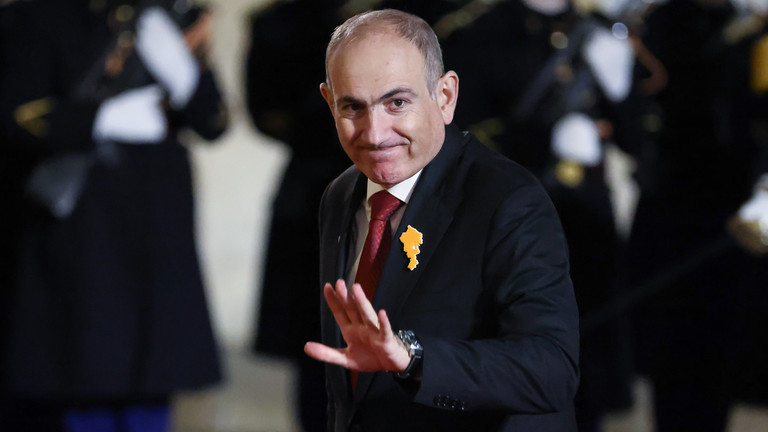
Armenian Prime Minister Nikol Pashinyan waving to the crowd while wearing an orange lapel pin.

Armenia Bets on Turkey — and the Stakes Have Never Been Higher

This analysis explores the strategic realignment currently underway between Armenia and Turkey. After decades of frozen borders and historical enmity, recent diplomatic efforts suggest a potential breakthrough aimed at economic integration and regional connectivity. However, the article highlights the divergent motivations behind this process: Yerevan seeks a pivot toward the European Union as it distances itself from Russia, while Ankara views normalization as a tool to consolidate its position as an indispensable regional hub. We assess the persistent risks—including Azerbaijan’s unresolved territorial demands, the limitations of Western security guarantees, and the shadow of Russian influence—that continue to complicate Armenia’s efforts to establish a durable path toward stability. Ultimately, this piece questions whether normalization offers a genuine escape from regional dependency or merely replaces one set of structural vulnerabilities with another.
Read More »
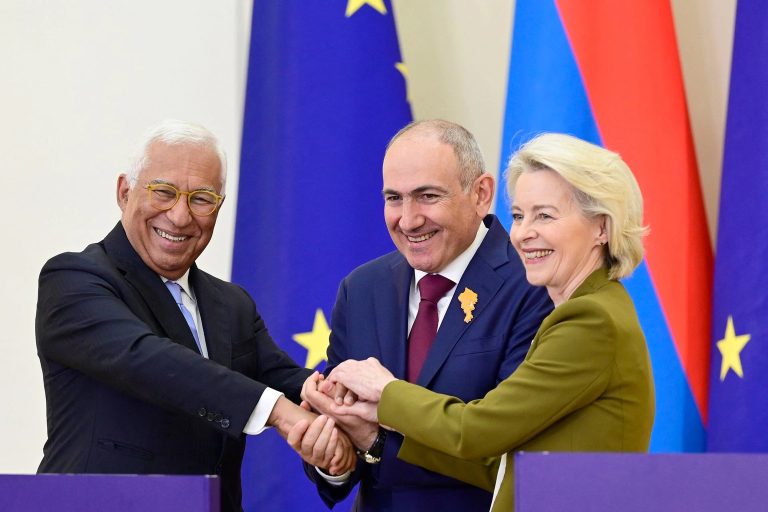
Prime Minister Nikol Pashinyan of Armenia joining hands with EU officials.

Armenia’s Westward Turn Survives Moscow’s Pressure, But the Hard Part Starts Now

Armenia’s recent parliamentary election signals a decisive pivot toward the West, overcoming significant Russian economic and political interference. However, the path to a durable peace with Azerbaijan remains constrained by constitutional bottlenecks. Washington now faces a critical opportunity to provide diplomatic support, ensuring this democratic transition successfully consolidates.

Read More »
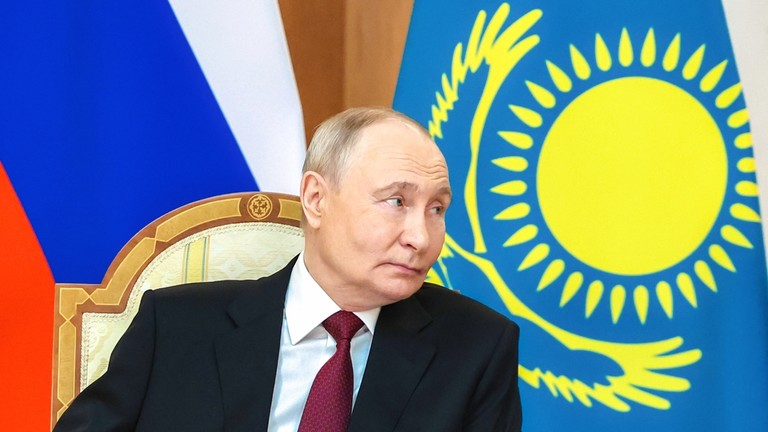
Vladimir Putin sitting in a chair in front of the Russian and Kazakhstani flags.

Russia’s Post-Soviet Grip Is Fracturing — but Not Collapsing

The parliamentary elections scheduled for June 7, 2026, represent a critical turning point for Armenia’s political and strategic landscape. As the country navigates complex security challenges and fragile peace negotiations with Azerbaijan, these elections serve as a de facto referendum on Prime Minister Nikol Pashinyan’s agenda and Armenia’s future orientation. This report examines the intense domestic polarization, the ongoing tensions in relations with Moscow, and the broader implications of this vote for Armenia’s path toward European integration and regional stability in the South Caucasus.

Read More »