Tag: Multipolarity

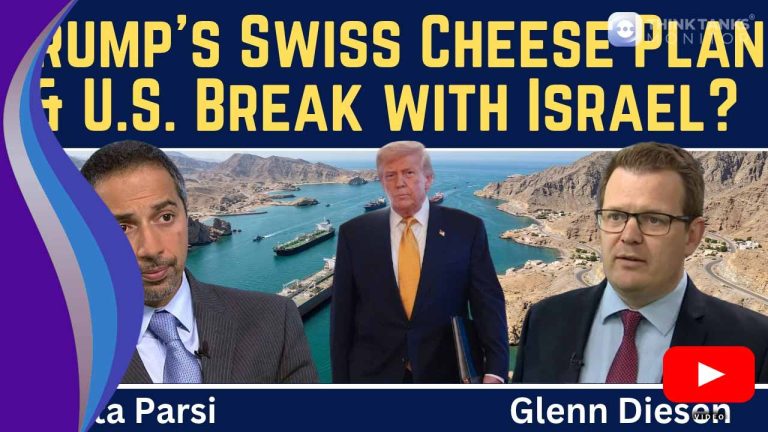
Trita Parsi: Trump’s Swiss Cheese Iran Plan & U.S. Break with Israel?

Analysis: In this analytical interview with Glenn Diesen, Quincy Institute EVP Trita Parsi argues that Washington’s reluctance to absorb the political costs of either renewed war or a formal diplomatic deal with Tehran may push Trump toward a “Swiss cheese” strategy of gradually relaxing blockade and sanctions enforcement. He explains that a prolonged, unenforced standoff accelerates the collapse of the US-led Gulf security umbrella, prompting Saudi Arabia and regional states to hedge toward China and Russia. Parsi also notes that rising bipartisan opposition to AIPAC in the newly elected Congress signals a structural normalization of US-Israel ties.
Read More »

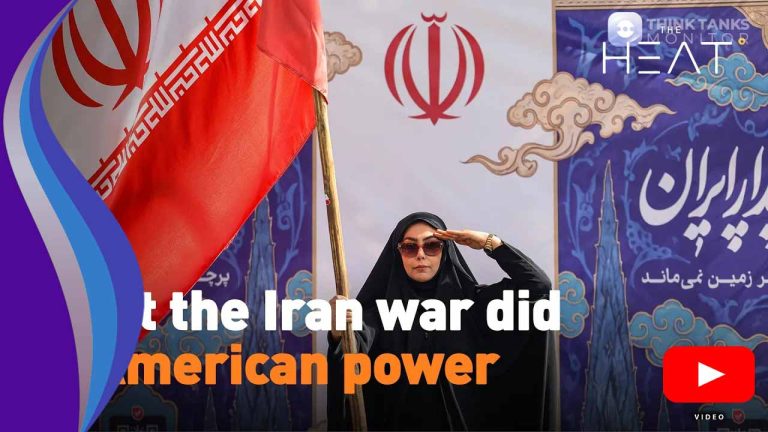
Trita Parsi on what the Iran war did to American power

Analysis: In this CGTN America interview, Parsi contends that Iran inflicted a strategic defeat on both the United States and Israel by rendering regional U.S. bases inoperable and exhausting American interceptor stockpiles within 40 days. The core takeaway is that Washington’s security umbrella has lost credibility, compelling Gulf states toward accommodation with Tehran while fueling bipartisan U.S. skepticism toward Israel’s influence over American foreign policy. This marks a pivotal shift away from U.S. unipolar dominance toward a multipolar regional order led by emerging middle powers.

Read More »

Are New U.S.-Russia-Ukraine Peace Talks Doomed to Fail Again?

Analysis: This episode evaluates whether the Trump administration’s latest diplomatic push—following coercive measures against Kyiv such as disabling Starlink satellites and concessions to Moscow including a diesel deal—can produce an aerial ceasefire or lasting settlement. The discussion probes whether Vladimir Putin is genuinely seeking an off-ramp or merely using the Abu Dhabi negotiations to buy time for continued military pressure on Ukraine. It matters strategically because introducing broader European security architecture into the talks could reshape NATO-Russia deterrence and redefine Washington’s role in a multipolar order.

Read More »

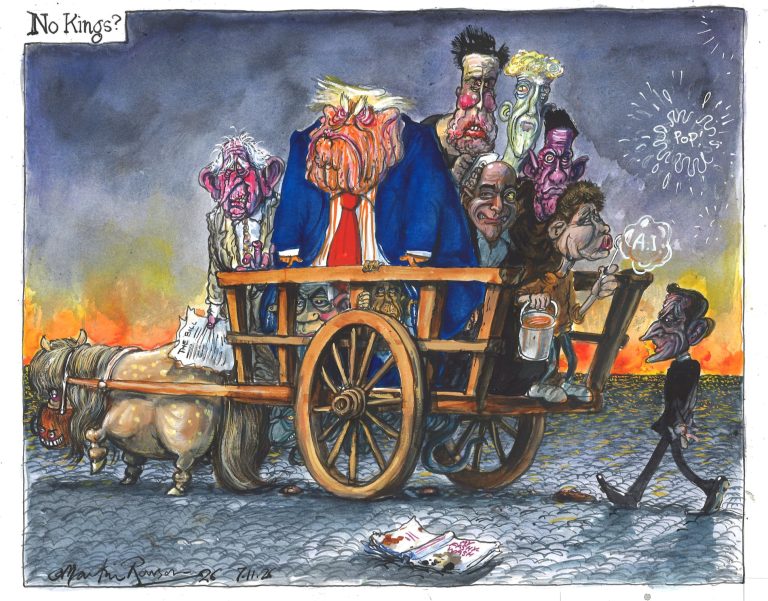
Martin Rowson on the aftermath of the US midterm elections – cartoon

Analysis: The illustration depicts a grotesque, disheveled Trump stranded amidst a smoking landscape of shattered ballot boxes, crumbling imperial monuments, and discarded policy mandates. Rowson uses his trademark visceral satire to convey that Washington’s aggressive overseas ventures and coercive economic sanctions have triggered fatal domestic political exhaustion. This visual autopsy matters strategically because a lame-duck administration facing a hostile legislature paralyzes US foreign policy projection, opening strategic vacuums for rival powers across Eurasia and the Global South.

Read More »

The Coming Battles Over American Foreign Policy

Analysis: Drawing on insights from veteran strategists Kori Schake and Thomas Wright, this discussion examines how shifting legislative balances constrain executive unilateralism while managing active hostilities in the Middle East and strategic friction with Beijing. The underlying assessment highlights an accelerating erosion of bipartisan consensus, revealing the tangible limits of American deterrence as systemic global commitments collide with domestic polarization. This dynamic matters directly for international statecraft because growing legislative friction in Washington will accelerate multipolar fragmentation, compelling traditional allies to hedge through independent strategic initiatives.

Read More »

Sergey Glazyev: The World Economy Is Moving East and the West Can’t Stop It

Analysis: From a geoeconomic perspective, Glazyev highlights how the weaponization of the US dollar catalyzed alternative non-Western clearing mechanisms, cross-border digital settlement networks, and bilateral commodity swaps across Eurasia. The underlying strategic message underscores that Western attempts to enforce unilateral hegemony via secondary financial sanctions have permanently decoupled Eastern productive powerhouses from Western institutional dependencies. This development matters decisively because as the Atlantic alliance faces stagflation and speculative financial fragility, the Sino-Russian core is solidifying an autonomous multipolar architecture capable of withstanding coercive external economic warfare.

Read More »

Making Cents of the Global Economy with Dawson Law

Analysis: Published on October 26, 2026, by the Center for Strategic and International Studies (CSIS), this episode examines how trade friction, tariff regimes, and bilateral energy settlements are reshaping global monetary architecture. Hosts Scott Miller and William Alan Reinsch alongside Dawson Law unpack the structural pressures challenging U.S. financial hegemony as emerging blocs increasingly turn to alternative settlement mechanisms. This strategic dialogue highlights why the weaponization of trade and finance is accelerating the transition toward a multipolar currency system.

Read More »

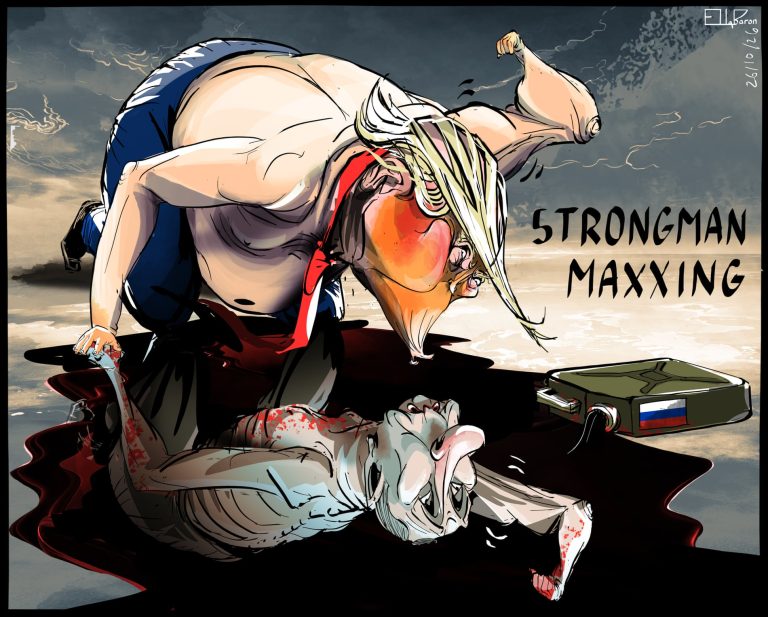
Ella Baron on Trump’s admiration for Putin – cartoon

Analysis: Published on October 25, 2026, in The Guardian, Ella Baron’s expressive illustration visually portrays Donald Trump in a grotesque strongman posture (“Trump as strongman” in the Guardian Cartoons archive), capturing his ideological fixation on Russian President Vladimir Putin. Accompanying reports that Putin has proposed a trilateral summit among himself, Trump, and Chinese President Xi Jinping to settle the war in Ukraine, the artwork critiques Washington’s pivot away from traditional European allies toward transactional great-power bargaining over oil and territory. The cartoon matters strategically because it encapsulates growing European anxiety that US unilateralism and affinity for rival powers are fracturing the Western alliance into a tripolar global order.

Read More »

The Eurofile Live: Are Europe and China on an Economic Collision Course?

Analysis: Published on October 22, 2026, by the Center for Strategic and International Studies (video recording), this episode featuring Max Bergmann, Ilaria Mazzocco, and Tobias Gehrke dissects Beijing’s preliminary agreement to cap hybrid exports to Europe at 350,000 units while maintaining a “green channel” for rare earth licensing. The underlying strategic message is that China retains escalation dominance through critical mineral supply chains even as surging Chinese industrial exports—up 200% year-on-year in Germany and 250% in France—accelerate European deindustrialization and force Paris and Berlin into a unified defensive posture. For strategic planners, this dynamic underscores how China’s export-driven growth in electric vehicles and artificial intelligence is reshaping multipolar trade blocs and exposing the structural slowness of Brussels’s Anti-Coercion Instrument.

Read More »

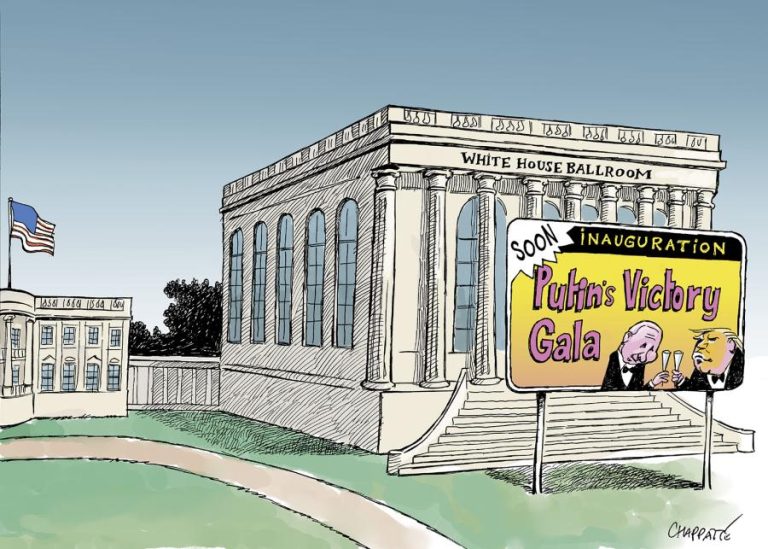
Trump prefers dealing with Putin

Analysis: Published in Geneva’s Le Temps by acclaimed international cartoonist Patrick Chappatte and featured in the Brooklyn Eagle Cartoon Sketchbook, the cartoon visually portrays a White House renovation and victory gala welcoming Vladimir Putin while Ukrainian President Volodymyr Zelenskyy is left out in the cold amid war ruins. The illustration captures the shock across European capitals following Washington’s 60-day waiver of statutory Russia sanctions and its push for an energy ceasefire that leaves Moscow’s territorial gains intact. Strategically, the cartoon underscores how transactional bilateralism between Washington and Moscow is dismantling post-Cold War transatlantic security guarantees.

Read More »

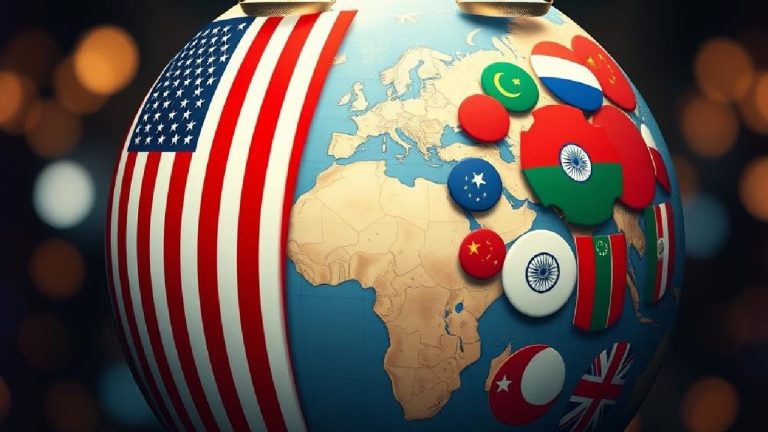
Multipolar Realignment: How Regional Powers Are Reshaping Global Authority

The 2026 global landscape marks a shift from Western-led multilateralism toward a multipolar order defined by middle-power “strategic autonomy” and Global South demands for structural reform. As traditional alliances strain and trade barriers rise, nations are adopting pragmatic, power-aware alignments to navigate a fragmented system where institutional authority is increasingly contested.

Read More »