Tag: Middle East Security

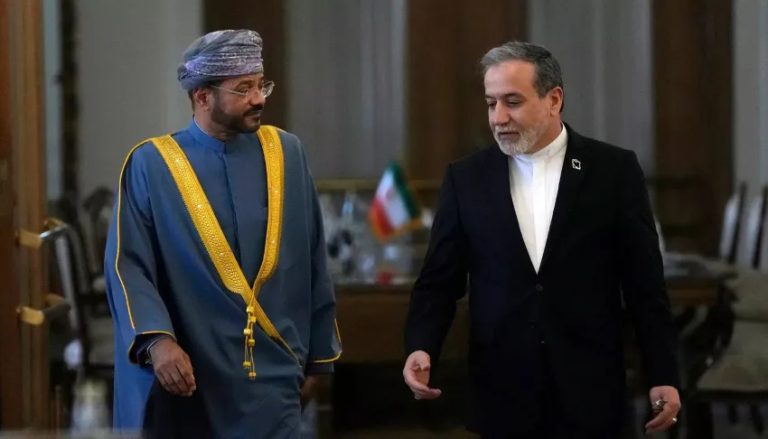
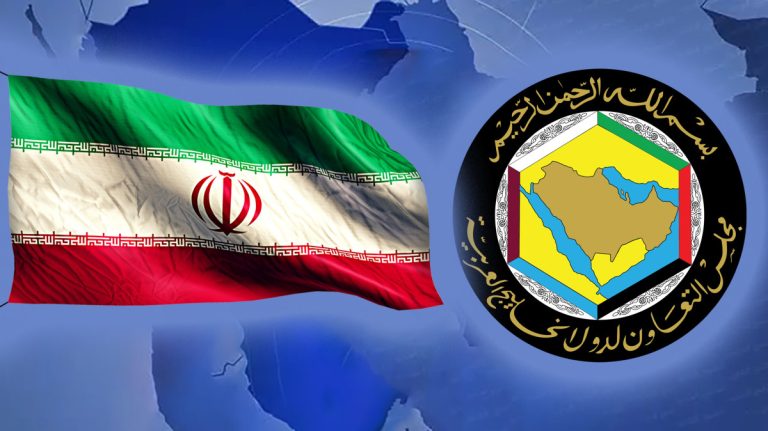
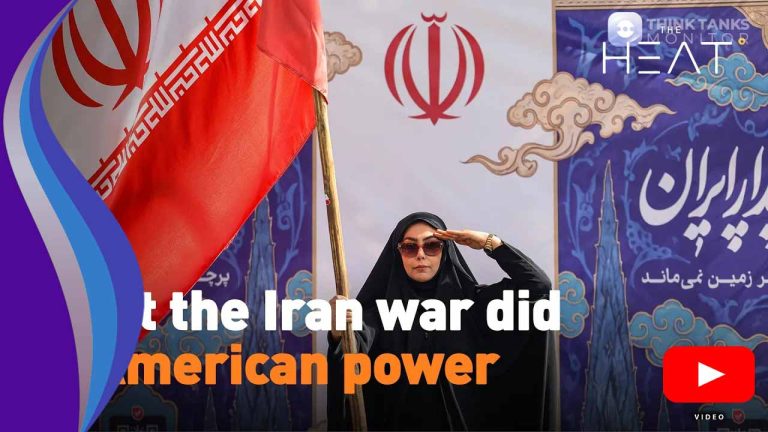
Trita Parsi on what the Iran war did to American power

Analysis: In this CGTN America interview, Parsi contends that Iran inflicted a strategic defeat on both the United States and Israel by rendering regional U.S. bases inoperable and exhausting American interceptor stockpiles within 40 days. The core takeaway is that Washington’s security umbrella has lost credibility, compelling Gulf states toward accommodation with Tehran while fueling bipartisan U.S. skepticism toward Israel’s influence over American foreign policy. This marks a pivotal shift away from U.S. unipolar dominance toward a multipolar regional order led by emerging middle powers.
Read More »

Israel’s Elections and the Future of the Middle East

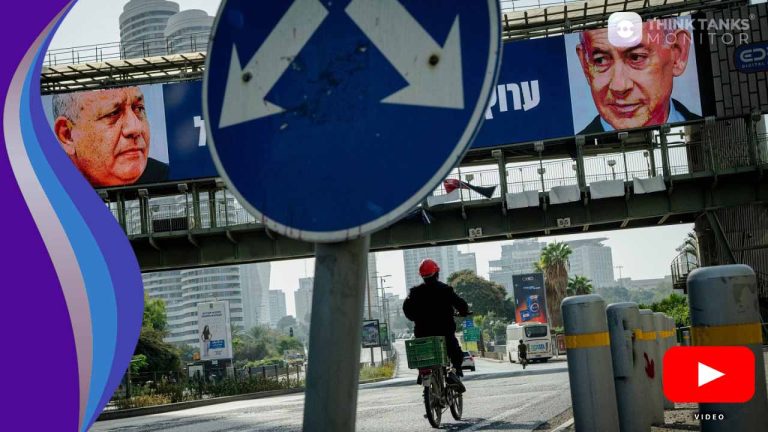
Analysis: Moderated by Mona Yacoubian with Amb. Michael Ratney, Dr. Paul Salem, and Celine Touboul, this webcast examines how Israel’s post-October 7 security doctrine and domestic political upheaval are viewed across the Levant and Gulf. The panel assesses whether a new Israeli governing coalition will alter the trajectory of conflicts in Gaza, the West Bank, Lebanon, Syria, and Iran, or entrench existing escalatory dynamics. Understanding these internal Israeli fault lines is critical for anticipating shifts in the regional security order and Washington’s Middle East posture.

Read More »

All eyes on Eisenkot: Israel’s could-be prime minister

Analysis: As former IDF Chief of Staff Gadi Eisenkot attempts to assemble a parliamentary majority, Israel faces an acute structural governance crisis brought to a head by prolonged multi-front warfare and domestic political exhaustion. The mandate tests Benjamin Netanyahu’s resilience against an ideologically fragmented opposition bloc that must balance security hawkishness with reliance on external support from Arab-led factions. This fragile political inflection point directly impacts Israel’s strategic calculus, determining whether Jerusalem pursues diplomatic off-ramps and institutional defense reforms or remains trapped in unsustainable cycles of indefinite territorial containment.

Read More »
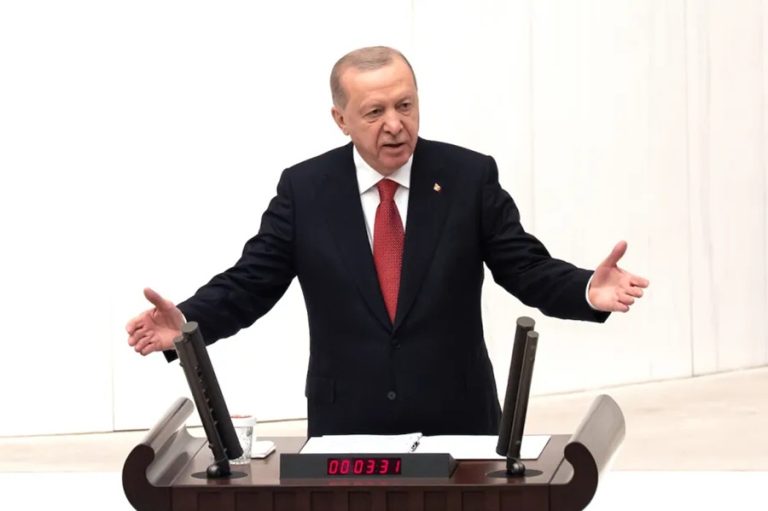
Turkish President Recep Tayyip Erdoğan gesturing from behind a rostrum during a speech

Türkiye’s Diplomatic Vision for Middle East Security

In a parliament address, President Erdoğan outlined Türkiye’s regional security vision. Grounded in domestic unity and strong defense, Ankara advocates for a 1967-border two-state solution, Syrian and Iraqi territorial integrity, and diplomacy to prevent wider conflict.

Read More »
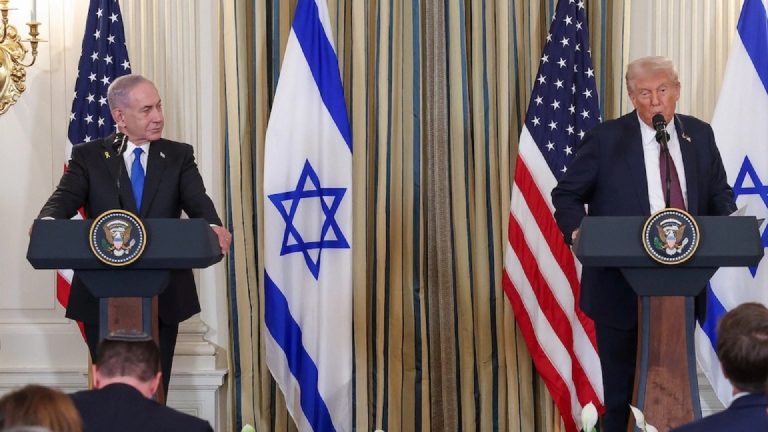
Trump and Netanyahu

Trump’s Gaza Stabilization Force Faces ‘Peace Enforcement’ Deadlock

The adoption of UN Security Council Resolution 2803 signifies a diplomatic win for the Trump administration, endorsing the “20-point plan” for Gaza. However, the initiative faces challenges due to major Arab powers’ refusal to participate in “peace enforcement” against Hamas, which may hinder the deployment of the authorized International Stabilization Force (ISF) aimed at securing the region.

Read More »