Tag: Energy Security

A four-panel collage showing a fire truck at night, a highway sign near smoke, a crowd carrying a coffin, and a street with distant smoke.

Day 14: Iran Hits Ships in Iraqi Waters as War Spreads Beyond All Borders

On Friday, March 13, 2026—the fourteenth day of Operation Epic Fury—the conflict has metastasized into what the International Energy Agency (IEA) calls the “largest supply shock in the history of the global oil market.” As of mid-day, the war has reached twelve countries, and the “shipping war” has effectively paralyzed the northern Persian Gulf.

Read More »
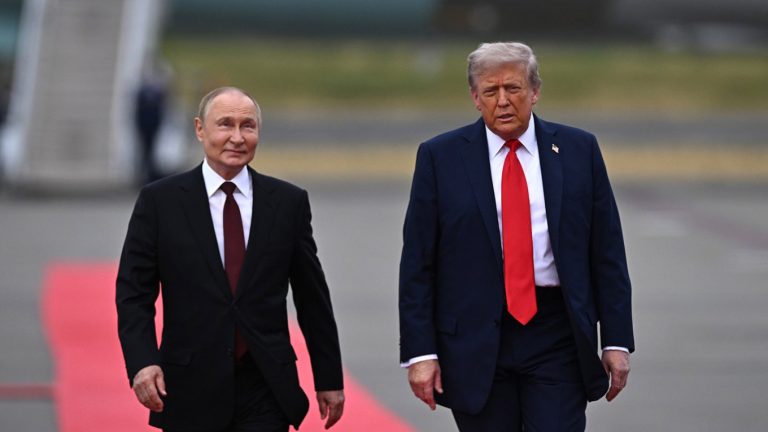
Vladimir Putin and Donald Trump walking side-by-side on an airport tarmac next to a red carpet.

Putin and Trump Talk Iran and Ukraine as Oil Crisis Reshapes Alliances

Putin used his first call with Trump since the Iran war began to pose as mediator while backing Tehran and advancing in Ukraine. Trump’s move to ease oil‑related sanctions to curb prices hands Moscow new revenue. With Hormuz disrupted, Russian crude becomes indispensable — turning Washington’s Iran war into a strategic gift for the Kremlin.

Read More »
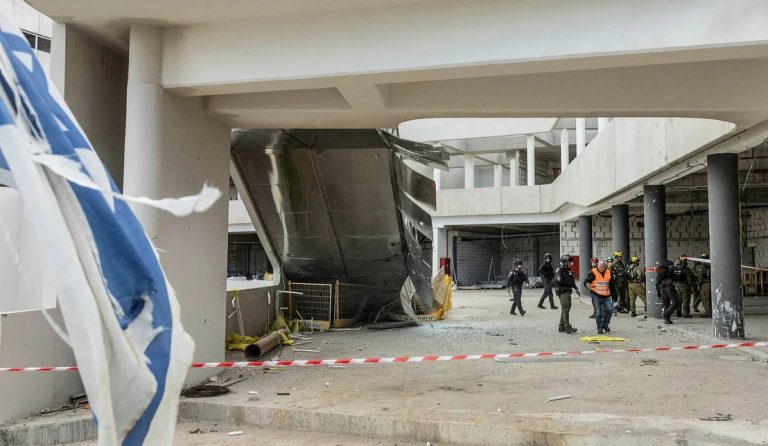
A tattered Israeli flag overlooks a damaged building interior where a large metal structure has collapsed, with emergency responders in orange vests and armed security personnel walking through the debris behind red and white caution tape.

US Threatens Iran With ’20 Times’ Harder Response Over Hormuz

The U.S.–Israel war with Iran has entered a deadly rhythm: heavy American strikes, rising regional casualties, and Iran threatening the Strait of Hormuz. Over 140 U.S. troops are wounded, Gulf states face missile barrages, and oil flows have nearly halted. Trump warns Iran will be hit “20 times harder” if Hormuz is mined.

Read More »
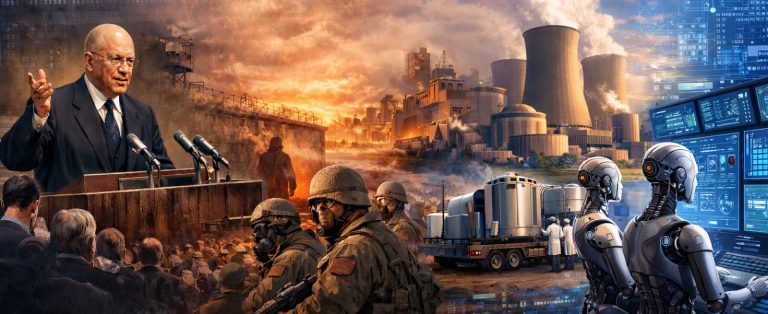
Cinematic digital collage featuring a political leader, soldiers, a nuclear power plant, and advanced AI robots.

AI’s Insatiable Appetite Is Reviving Nuclear Power

Exploding AI demand is pushing Big Tech toward nuclear power, with Meta, Microsoft, Google, and Amazon securing unprecedented reactor deals. The U.S. aims to quadruple capacity but lacks long‑term waste storage and domestic enrichment. Meanwhile, China races ahead with rapid reactor expansion and SMR deployment, reshaping global energy influence.

Read More »
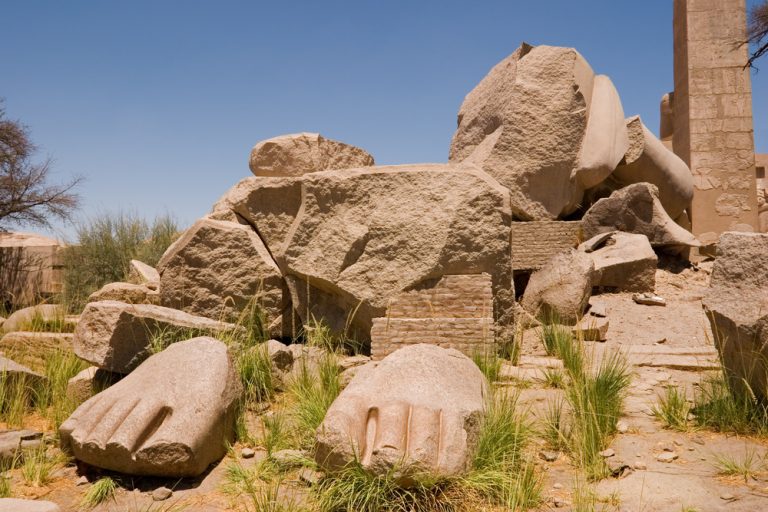
Ruins of a giant stone statue and ancient obelisks in Egypt under a clear blue sky.

Trump’s Grand Strategy Is Speeding Up the Decline It Promised to Reverse

Trump’s strategy of hemispheric retreat, tariff coercion, and fossil‑fuel dominance is accelerating the very American decline it vowed to reverse. The U.S. has suffered a sharp drop in global soft power, alienated allies through chaotic tariffs, and ceded the clean‑energy future to China. The result is a faster, more chaotic erosion of U.S. influence.

Read More »
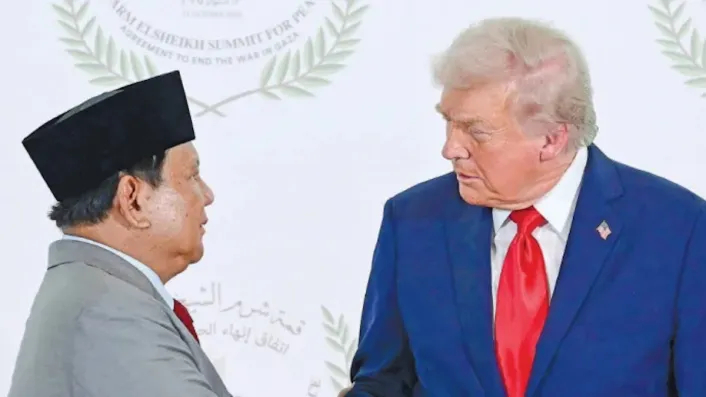
Donald Trump and Indonesian President Prabowo Subianto shaking hands at the Sharm El-Sheikh Summit for Peace.

Indonesia’s Minerals Deal: A Strategic Win or a Costly Surrender?

Indonesia’s tariff deal with Washington risks unraveling its hard‑won nickel industrial policy. The agreement lifts U.S. levies but pressures Jakarta to relax export restrictions without securing binding processing or technology commitments. With China dominating refining and EV markets shifting away from nickel, the deal could weaken Indonesia’s leverage unless renegotiated.

Read More »
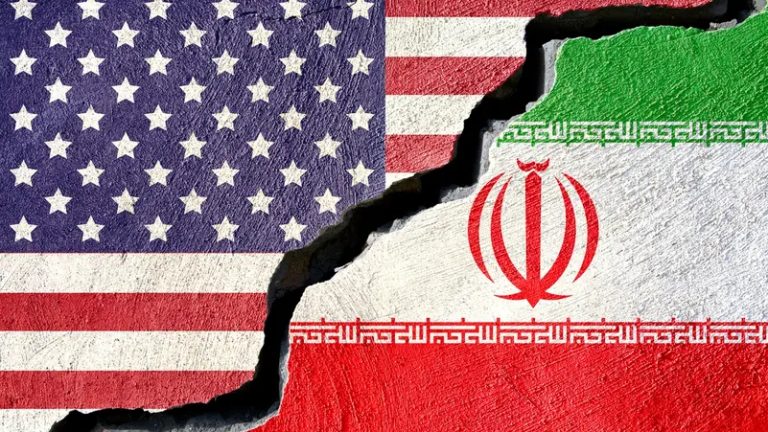
American and Iranian flags painted on a cracked concrete wall representing fractured diplomatic relations.

US-Iran Nuclear Talks Walk a Razor’s Edge

US–Iran talks resume in Geneva as both sides escalate militarily. Washington’s deadline and massive buildup collide with Tehran’s threats to close the Strait of Hormuz. The core dispute remains enrichment. If Iran offers verifiable limits and expanded IAEA oversight, a deal is possible; if not, Trump is weighing military options.

Read More »
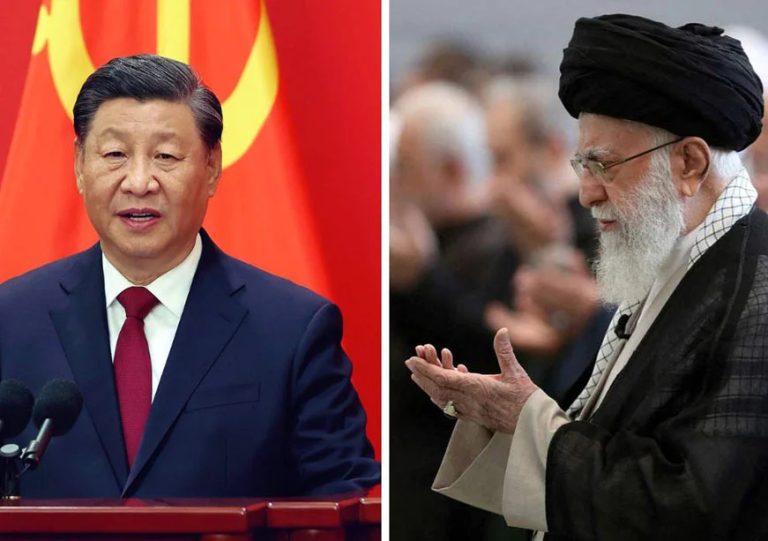
A side-by-side portrait of Xi Jinping on the left in front of a red and gold flag, and Ali Khamenei on the right with his hands raised in prayer, separated by a thin white vertical line.

Beijing’s Calculus in the US-Iran Standoff

Beijing views the US‑Iran standoff as both a threat to its energy security and an opportunity to portray Washington as unstable. China sees Trump’s shifting deadlines, dual‑carrier deployments, and stalled diplomacy as politically driven escalation. With Iran reliant on Chinese oil purchases, Beijing expects prolonged tension that drains US focus without triggering a regional war that disrupts Chinese trade.

Read More »
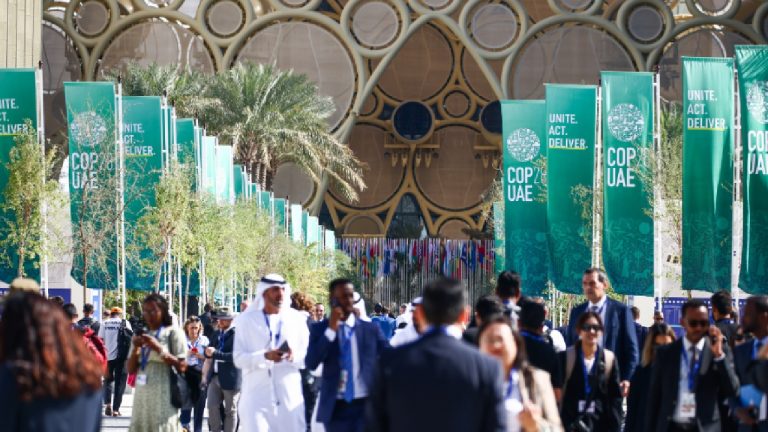
A crowded outdoor walkway lined with tall green "COP28 UAE" banners, with palm trees and a large domed architectural structure in the background.

Middle Eastern Energy Politics: Transition as Power Redistribution Rather Than Technical Evolution

Middle Eastern energy transition is not a mere technical shift but a fundamental geopolitical power redistribution. While regional players like Saudi Arabia and Qatar invest in renewables, they simultaneously leverage hydrocarbons to assert autonomous diplomacy, navigating a multipolar world where energy remains a primary instrument of strategic influence and state survival.

Read More »
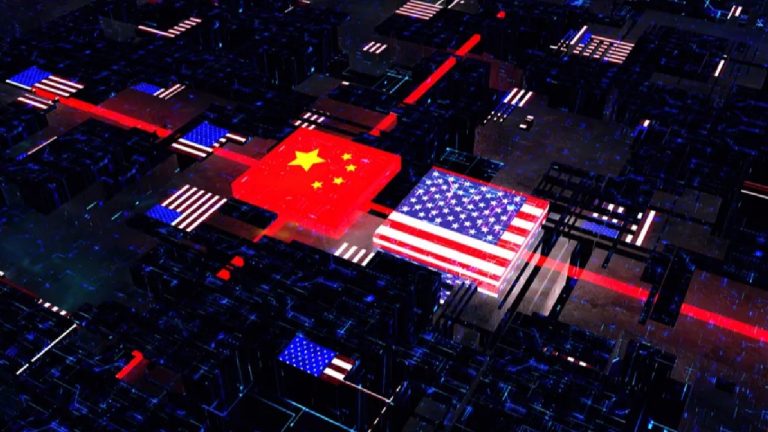
A digital circuit board concept featuring glowing flags of the United States and China connected by light rays.

Strategic Energy Competition: Nuclear Fusion Development Reshapes US-China Technological Rivalry

The competition between Washington and Beijing over nuclear fusion technology is a key aspect of 21st-century geopolitical rivalry, impacting not just energy policy but also artificial intelligence, military applications, and global economic power. China has invested at least $6.5 billion in fusion since 2023, significantly outpacing US funding. The urgency for both nations to develop commercial fusion power is intensified by increasing energy demands from AI infrastructure. China’s recent achievement of a 1,000-second plasma containment further challenges US dominance. The nation that first commercializes fusion will likely set industry standards and control supply chains, analogous to past competitions in solar panels and electric vehicles.

Read More »