Tag: Energy Security

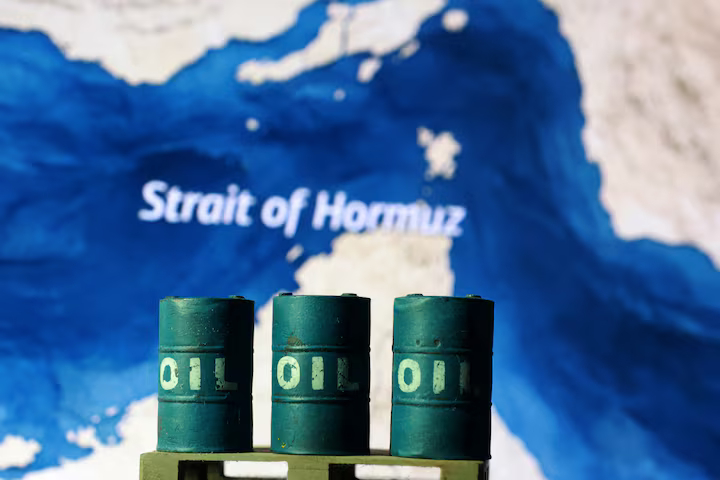
Three miniature green oil barrels placed in front of a map focusing on the Strait of Hormuz.

Oil Markets Are Pricing In Disaster and Traders Are Betting on It

The derivatives market is signaling a potential global energy catastrophe, with bets on $150-a-barrel Brent crude increasing tenfold since the start of the conflict. As the blockade of the Strait of Hormuz traps one-fifth of the world’s oil supply, traders are aggressively hedging against extreme price spikes, betting that a return to pre-war stability is increasingly unlikely.
Read More »
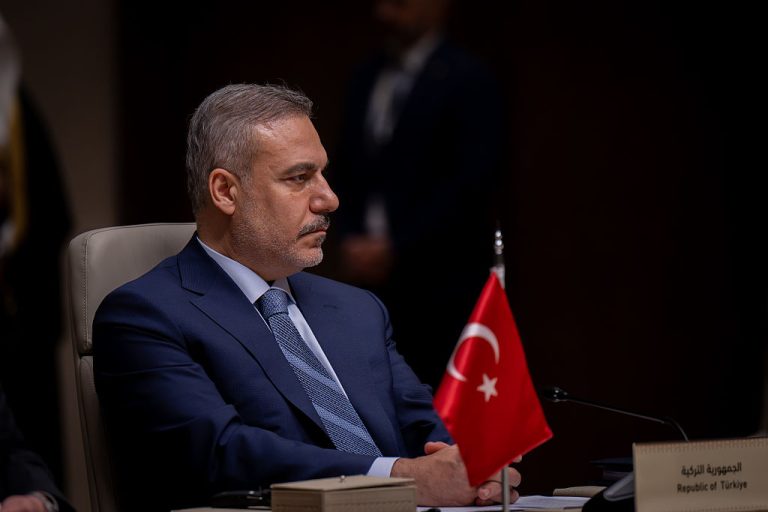
Hakan Fidan sitting at a diplomatic conference table with a Turkish flag in the foreground.

Turkey’s Push to End the Iran War Is Really About Self-Preservation

Turkey’s diplomatic push to end the war is driven by urgent self-preservation, fearing a Kurdish autonomous zone in Iran and a catastrophic refugee wave. With soaring energy costs widening its deficit and a shared 350-mile border, Ankara is positioning itself as a mediator to prevent regional collapse and domestic instability.

Read More »
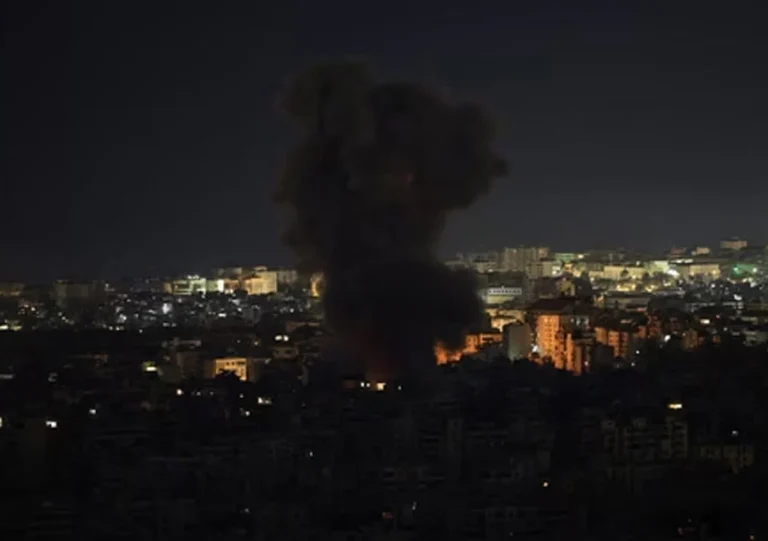
A nighttime view of a city skyline with a large, dark plume of smoke and fire rising from the center. The city lights are visible across the horizon under a dark sky.

When the Strait Closes: Food, Water, and the Hidden Cost of War

The closure of the Strait of Hormuz has triggered a global crisis extending beyond oil, paralyzing a third of the world’s fertilizer trade and threatening desalination plants critical for drinking water. This disruption risks long-term food inflation, compromised harvests, and severe economic strain on millions far from the conflict.

Read More »
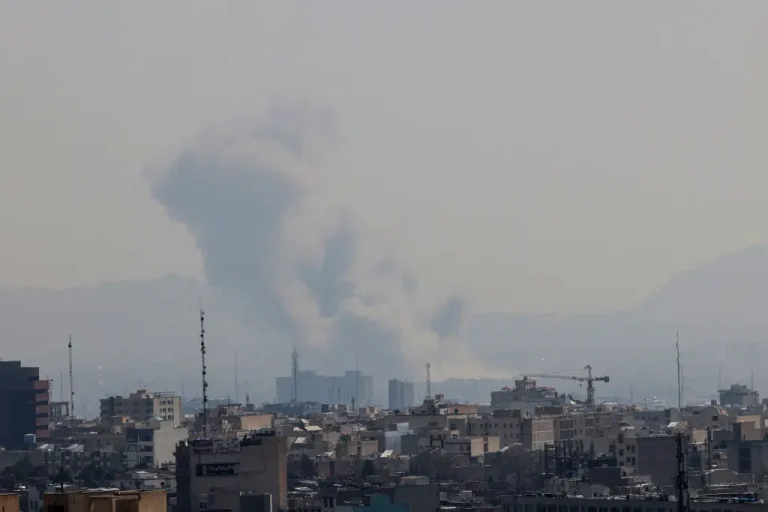
A daytime cityscape view under a hazy sky, showing a large plume of grey and white smoke rising from a building complex in the distance. Several telecommunication towers and a construction crane are visible among the city buildings.

Trump’s Power Plant Threat Pulls the Hormuz Crisis to a New Edge

President Trump has issued a 48-hour ultimatum, threatening to strike Iran’s power plants unless the Strait of Hormuz is reopened. This escalation follows a massive spike in global energy prices and retaliatory threats from Tehran to destroy regional infrastructure, leaving little room for diplomatic off-ramps as the deadline approaches.

Read More »

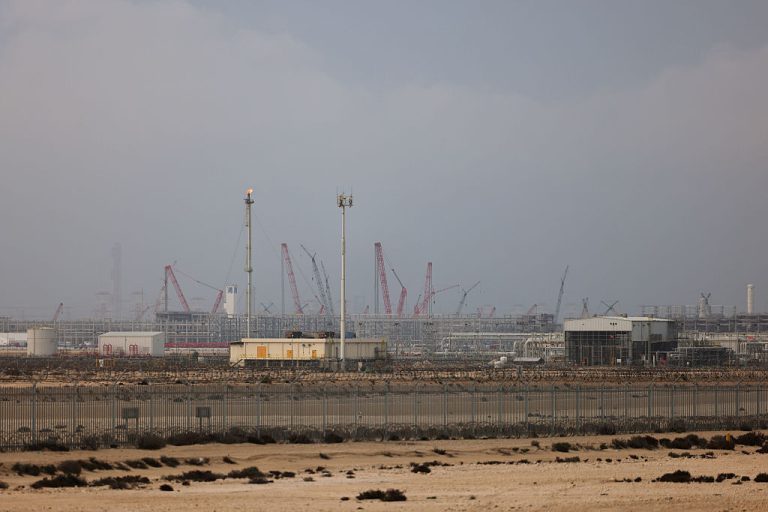
Iran’s Attack on Qatar’s Gas Fields Shatters Gulf Neutrality

Iran’s strike on Ras Laffan shattered Gulf neutrality. By targeting Qatar’s LNG lifeline, Tehran turned a mediator into an adversary. This “miscalculation” is welding the GCC to Washington’s military campaign. As neutrality shrinks, the Gulf’s focus has shifted from ending the war to ensuring Iran is permanently defanged.

Read More »
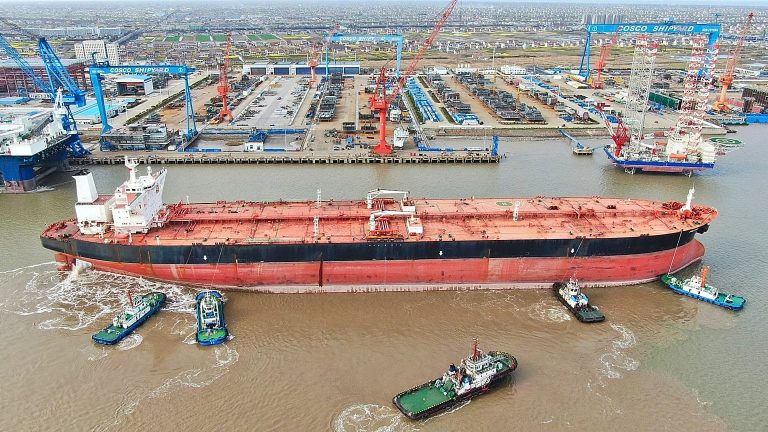
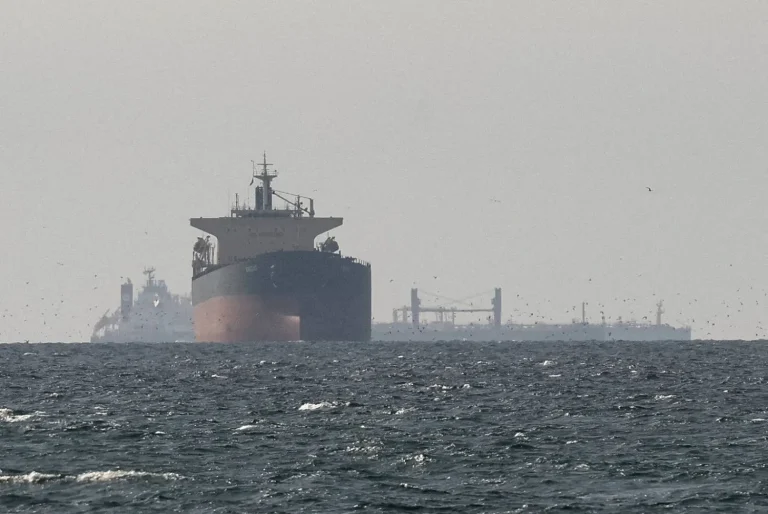
A large oil tanker ship sailing on choppy ocean waters under a hazy sky with other vessels in the distance.

Israel Invades Lebanon as Iran Drone Shuts Down Dubai Airport

Israel’s push deeper into Lebanon, Iran’s drone strike that shut Dubai’s airport, and a still‑closed Strait of Hormuz show a war widening on every axis. With Gulf capitals under fire, oil above $100, and sacred sites hit by falling debris, Day 17 underscores a conflict accelerating faster than any effort to contain it.

Read More »
A large oil tanker at sea with black smoke billowing from its deck and a rescue boat nearby.

Reopening Hormuz: The Military Puzzle With No Quick Solution

Iran has shut the Strait of Hormuz with cheap drones and mines, while the U.S. lacks the ships, minesweepers, and escorts needed to reopen it quickly. Insurance markets have collapsed, oil supplies are plunging, and every delay strengthens Iran’s leverage. Some battlefields can be bombed open; Hormuz isn’t one of them.

Read More »