Tag: Economic Crisis

Miniature figures standing on puzzle pieces representing the flags of China and the European Union.

Europe’s China Trade War Temptation Is a Trap of Its Own Making

This analysis explores the intensifying debate within the European Union regarding its trade policy toward China. With a 2025 trade deficit of €359.8 billion serving as a focal point, the article examines the push by a five-nation coalition—led by France and others—for more aggressive protectionist measures. By contrasting these calls for tariffs with warnings from experts like Rolf Langhammer about structural competitiveness, the report assesses whether Brussels is prioritizing genuine industrial strategy or simply reacting to competitive panic. The piece further contextualizes the EU’s internal challenges, such as high energy costs and fragmented regulation, arguing that trade barriers may fail to address the root causes of Europe’s weakening industrial position.

Read More »
A crowd of demonstrators holding up protest signs reading March and March against illegal immigration and crime.

South Africa’s Xenophobia Crisis Exposes the Failure of Identity Politics

This analysis examines the surge of anti-immigrant violence in South Africa amidst a staggering 32.7% unemployment rate in 2026. Highlighting the failure of identity politics and elite discourses, the article argues that until structural economic decay and governance failures are directly addressed, philosophical rhetoric cannot prevent recurring domestic and diplomatic crises.

Read More »
Agricultural laborers working in a large field of red leaf lettuce under a bright sun.

Iran War Raises Fuel and Food Costs for Rural America

This report explores the domestic economic toll of the Iran conflict, specifically how supply disruptions in the Strait of Hormuz have spiked diesel and fertilizer costs. As rural households and farmers face tightening margins and rising grocery inflation, the situation underscores the direct link between global geopolitics and American food security.

Read More »
A grayscale collage of Viktor Orbán and another political figure against the red, white, and green colors of the Hungarian flag.

European Votes Test Populist Staying Power

This analysis explores the recent electoral shifts in Britain and Hungary, highlighting the governance challenges facing populist movements. While outsider appeals can win elections, sustaining power requires delivering on economic stewardship and institutional integrity. As US conservatives look toward upcoming midterms, these European results serve as a vital warning.

Read More »
A trader at the New York Stock Exchange looking at a monitor showing a breaking news report featuring Donald Trump.

CEOs Must Set Red Lines to Protect US Democracy

This article examines why American corporate leaders must move beyond the sidelines to defend democratic institutions. While policy debates are normal, the erosion of the rule of law and institutional independence threatens market stability. Business executives have a critical responsibility to protect the foundational guardrails that ensure fair competition and long-term economic growth.

Read More »

Oil Inventories Near Critical June Threshold

The world faces an unprecedented energy crisis as usable oil inventories plummet toward an eight-year low. With 14 million barrels of Middle East production offline, massive supply draws are forcing factory shutdowns and fuel rationing across Asia, testing global economic resilience and pushing Brent crude toward a dangerous June breaking point.

Read More »

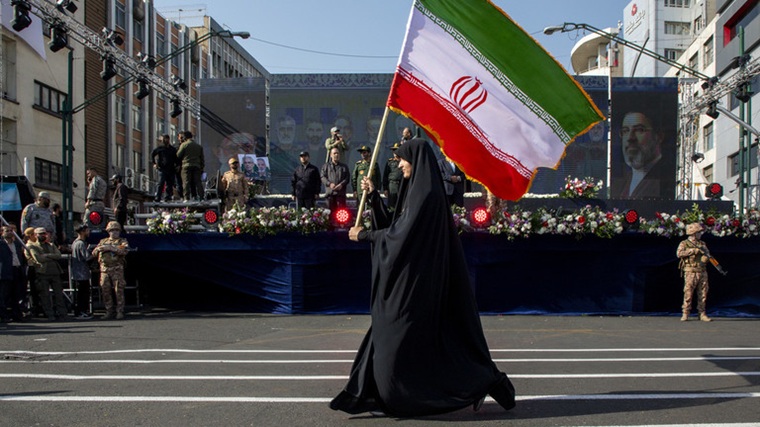
Iran’s Hardliner Rift Tests US Diplomacy

Iran’s political landscape is facing a significant test as internal friction between ultra-hardliners and pragmatists complicates indirect diplomatic efforts with the U.S. While economic pressure and new leadership push Tehran toward measured engagement, ideological spoilers remain a challenge, highlighting a calculated struggle over the regime’s survival and future stability.

Read More »
Close-up of several blue and white gas station fuel pumps.

US Economy Faces Stagflation Threat From Iran Oil Shock

A historic energy supply shock triggered by conflict in the Persian Gulf is threatening the U.S. economy with stagflation. As the Strait of Hormuz closure sends global oil and fertilizer prices soaring, Washington faces rising inflation and consumer anxiety, complicating Federal Reserve policy and shaping the domestic political landscape.

Read More »
A geographical map of the Persian Gulf and Strait of Hormuz overlaid with a cargo ship.

The Ceasefire Is Signed, the Economic War Has Just Begun

The 2026 Iran War has triggered the largest energy supply disruption in history, dwarfing the shocks of 1973 and 1979. While the kinetic exchange has paused, the Strait of Hormuz remains commercially unusable due to a “Tehran Toll” system and a collapse in maritime insurance. With damage to Qatar’s LNG facilities projected to take years to repair, the global economy faces a structural “war premium” that threatens to push major economies into recession and force central banks to keep interest rates elevated through 2026.

Read More »
A man in a blue and red uniform refueling a car at a gas station in Africa.

Middle East War Accelerates Africa’s Push for Debt Reform

The escalating conflict in the Middle East has triggered a severe economic crisis across Africa, as rising energy and commodity prices strain heavily indebted nations. In response, African leaders are pushing for a radical overhaul of the global financial architecture, seeking debt moratoriums and a shift away from dollar-denominated liabilities to ensure long-term regional resilience.

Read More »
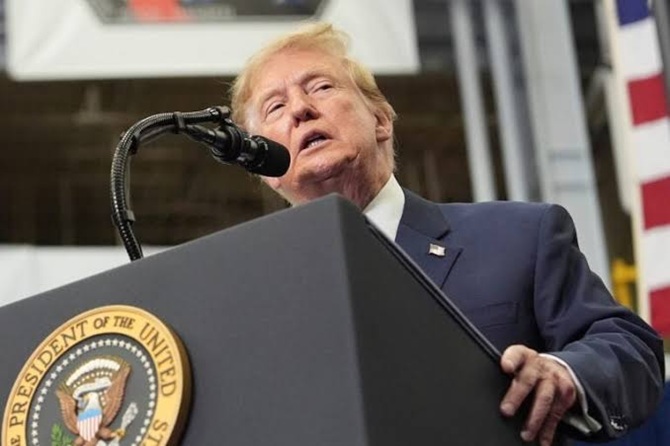
Donald Trump speaking at a podium with a large, blurred American flag in the background.

Cuba Is Not Venezuela And Trump’s Playbook Won’t Work There

As Cuba’s national grid collapses following the end of Venezuelan oil shipments, Washington’s pressure-cooker strategy faces a reality check. Unlike Venezuela, Cuba lacks the resources to attract quick investment, while the Helms-Burton Act’s rigid legal requirements and decaying infrastructure make a simple leadership shuffle nearly impossible without a massive reconstruction plan.

Read More »