Tag: Donald Trump

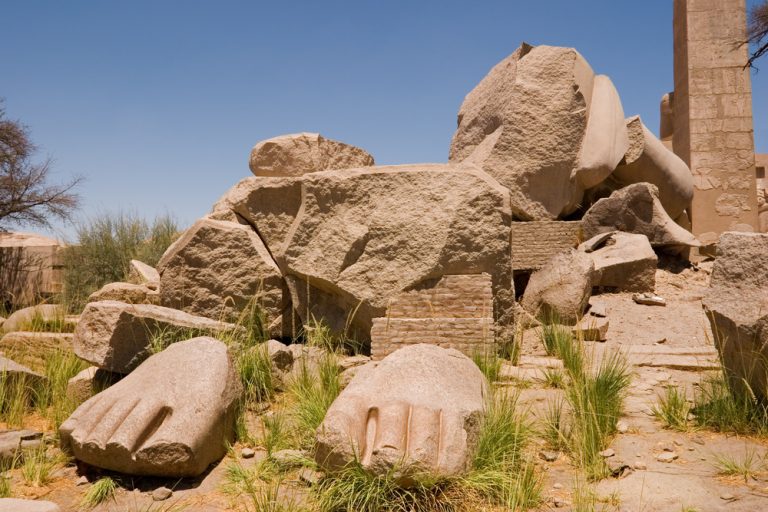
Ruins of a giant stone statue and ancient obelisks in Egypt under a clear blue sky.

Trump’s Grand Strategy Is Speeding Up the Decline It Promised to Reverse

Trump’s strategy of hemispheric retreat, tariff coercion, and fossil‑fuel dominance is accelerating the very American decline it vowed to reverse. The U.S. has suffered a sharp drop in global soft power, alienated allies through chaotic tariffs, and ceded the clean‑energy future to China. The result is a faster, more chaotic erosion of U.S. influence.
Read More »
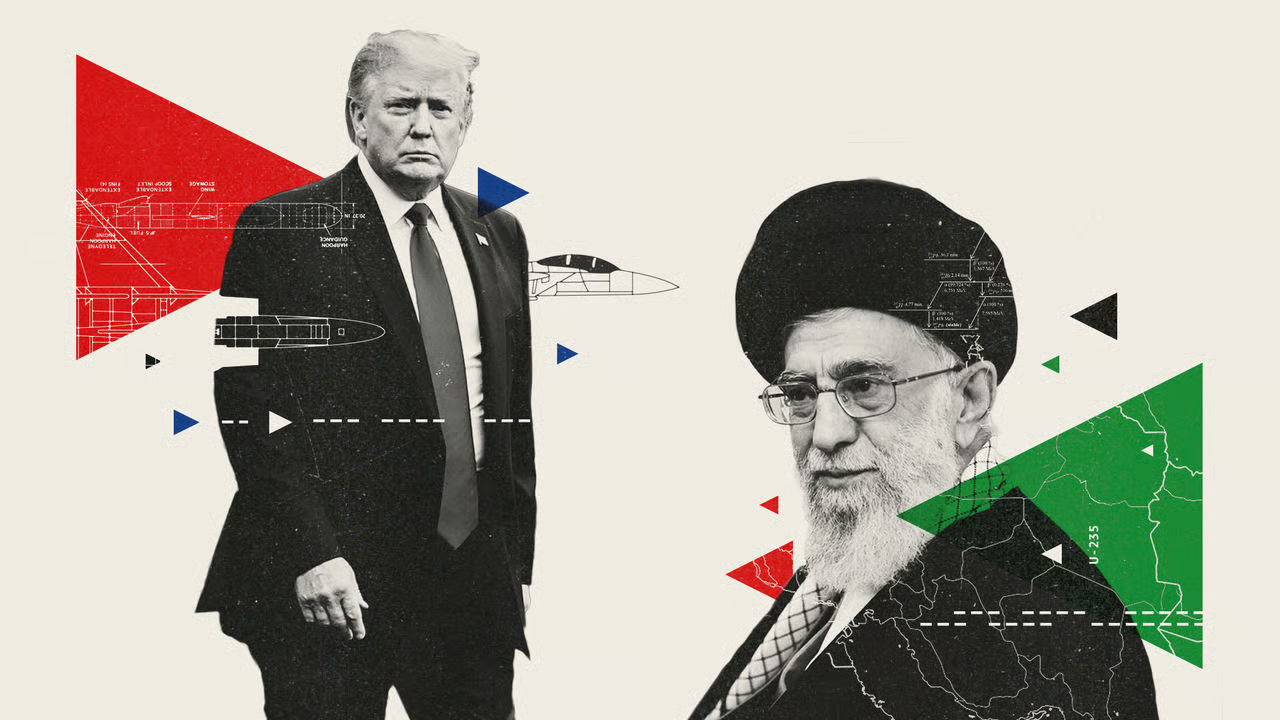
Conceptual collage of Donald Trump and Ayatollah Ali Khamenei with military schematics and geometric overlays.

Iran and the US: War Drums or a Last-Minute Deal?

A massive U.S. buildup and Trump’s ultimatum have pushed Washington and Tehran toward a decisive moment. Iran’s weakened economy and protests limit its options, while threats to close the Strait of Hormuz raise global stakes. A narrow deal allowing token enrichment remains possible, but failure could trigger U.S. strikes with unpredictable escalation.

Read More »
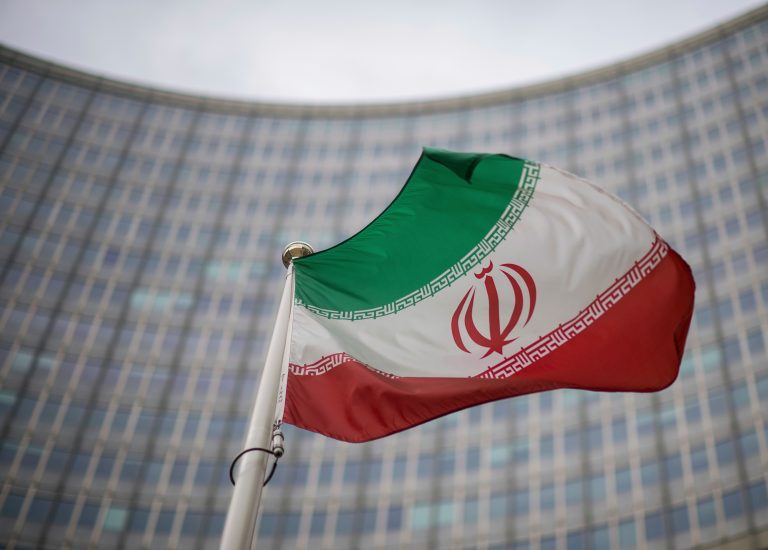
Iranian flag waving on a flagpole in front of a modern curved glass building.

Iran Crisis: What Seven Experts Think Could Happen Next

A massive U.S. buildup and stalled diplomacy have created the most volatile U.S.–Iran standoff in decades. Experts disagree whether Trump’s pressure will force a deal or trigger escalation. Iran’s weakened regime, internal unrest, and unpredictable IRGC commanders heighten risks. With both sides misreading each other, even a “limited strike” could spiral fast.

Read More »
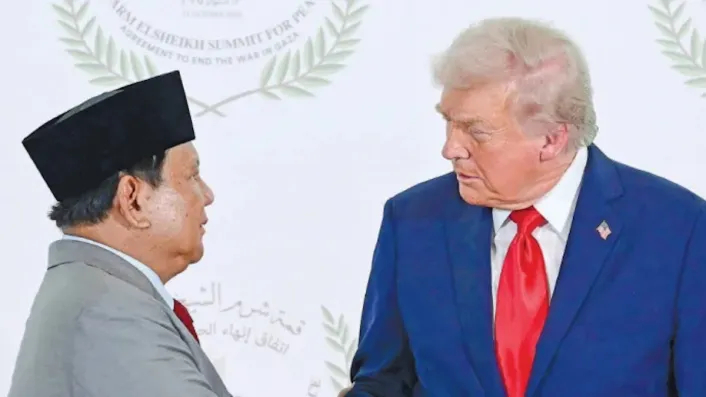
Donald Trump and Indonesian President Prabowo Subianto shaking hands at the Sharm El-Sheikh Summit for Peace.

Indonesia’s Minerals Deal: A Strategic Win or a Costly Surrender?

Indonesia’s tariff deal with Washington risks unraveling its hard‑won nickel industrial policy. The agreement lifts U.S. levies but pressures Jakarta to relax export restrictions without securing binding processing or technology commitments. With China dominating refining and EV markets shifting away from nickel, the deal could weaken Indonesia’s leverage unless renegotiated.

Read More »
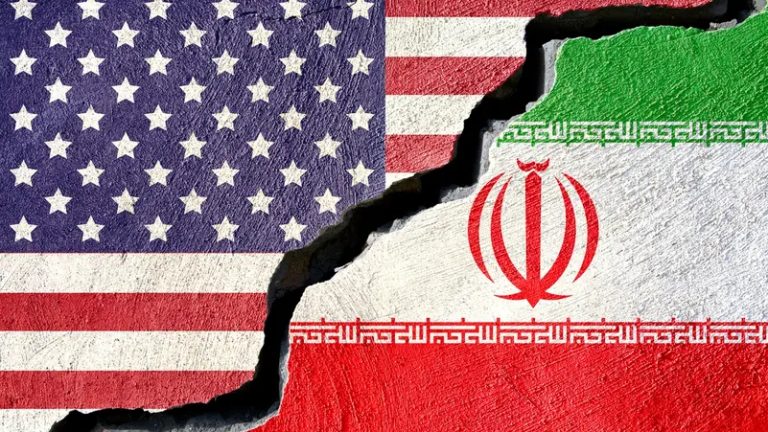
American and Iranian flags painted on a cracked concrete wall representing fractured diplomatic relations.

US-Iran Nuclear Talks Walk a Razor’s Edge

US–Iran talks resume in Geneva as both sides escalate militarily. Washington’s deadline and massive buildup collide with Tehran’s threats to close the Strait of Hormuz. The core dispute remains enrichment. If Iran offers verifiable limits and expanded IAEA oversight, a deal is possible; if not, Trump is weighing military options.

Read More »
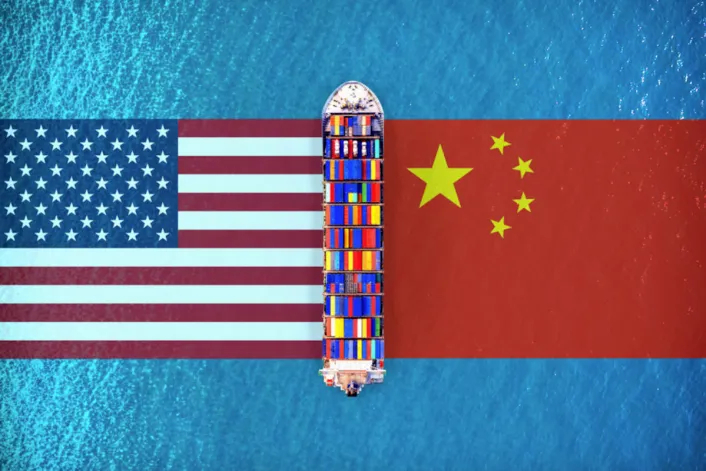
Container ship crossing between the US and Chinese flags representing global trade tensions.

Global Trade Caught Between American Chaos and Chinese Calm

Global trade is being squeezed between U.S. tariff volatility and China’s projection of stability. Trump’s rapid tariff shifts froze the EU’s Turnberry deal and rattled partners from India to ASEAN. Meanwhile, China’s record surplus masks weak domestic demand. For third countries, the real choice is between American policy whiplash and Chinese dependency.

Read More »
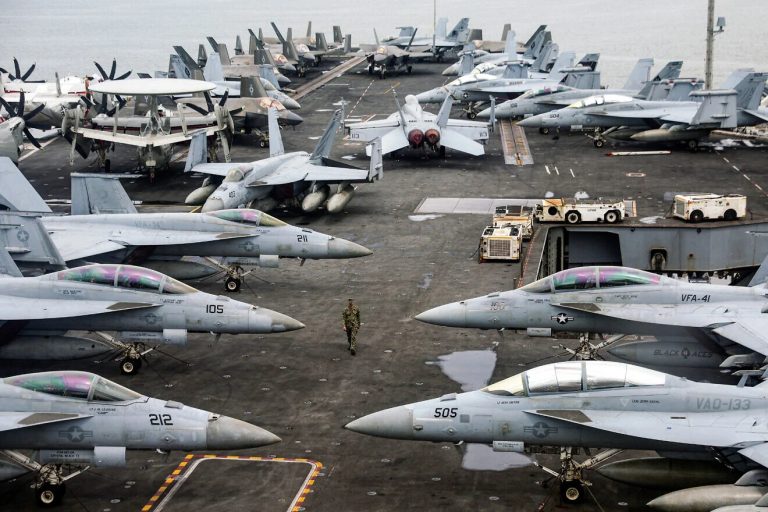
U.S. Navy fighter jets, including F/A-18 Super Hornets and E-2 Hawkeyes, crowded on the flight deck of an aircraft carrier.

US vs. Iran: Three Strike Options as Diplomacy Stalls

A massive U.S. buildup has positioned two carrier groups and stealth bombers for strikes on Iran. Washington is weighing three options: regime‑targeted attacks, strikes on nuclear sites, or an economic‑military squeeze. Tehran signals it will retaliate through missiles and its regional proxy network. With diplomacy stalled, the risk of rapid escalation is rising.

Read More »
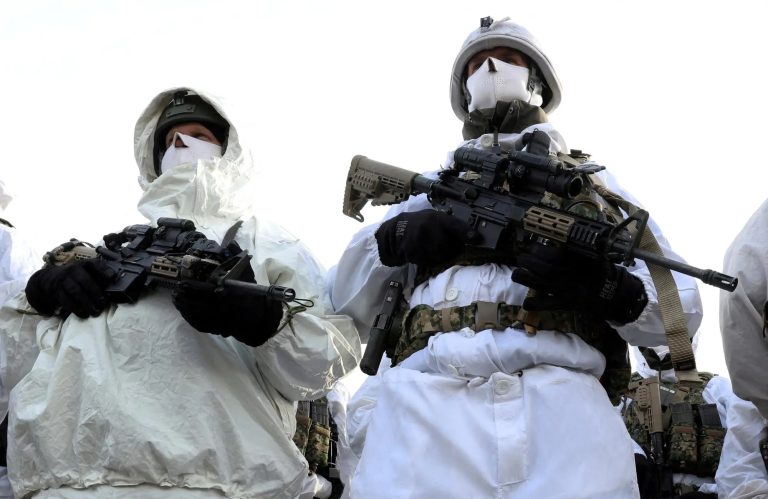
Two soldiers in full white winter camouflage gear, including white face masks and helmets, standing side-by-side and holding black assault rifles equipped with advanced scopes and tactical attachments.

NATO’s Arctic Sentry: Deterrence Without Guardrails

NATO’s new Arctic Sentry unifies allied operations in the High North, but it emerges amid tensions triggered not by Russia, but by Trump’s threats to annex Greenland. The buildup expands deterrence without communication channels, raising the risk of accidents in a nuclear‑sensitive region. With Russia unengaged diplomatically, even a minor incident could spiral into unintended conflict.

Read More »
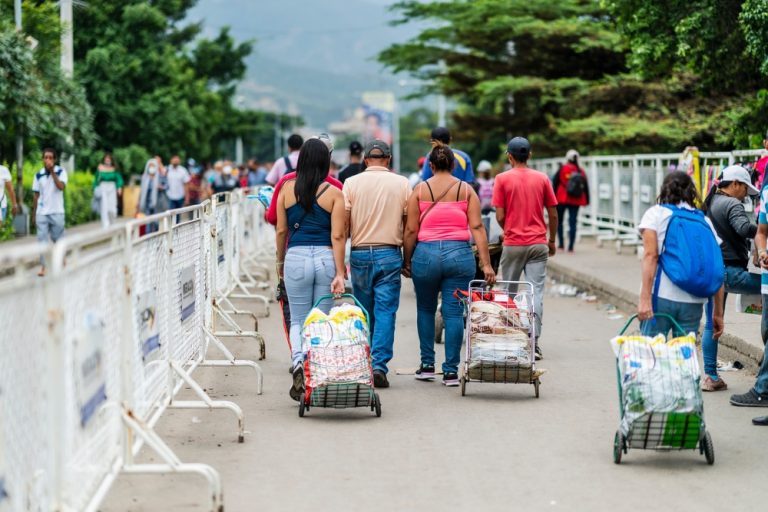
A medium shot from behind of people walking down a paved path, some pulling small metal carts filled with supplies, with white metal barriers on the left and lush green trees in the background.

Maduro Is Gone, but 8 Million Venezuelans Are Still Trapped

Maduro’s capture hasn’t ended Venezuela’s crisis. Nearly 8 million Venezuelans abroad still rely on temporary protections now at risk of being revoked. With TPS ended in the U.S. and permits expiring across Latin America, millions face possible deportation to a country still unstable and economically collapsed. Removing one leader hasn’t resolved the conditions that forced them to flee.

Read More »
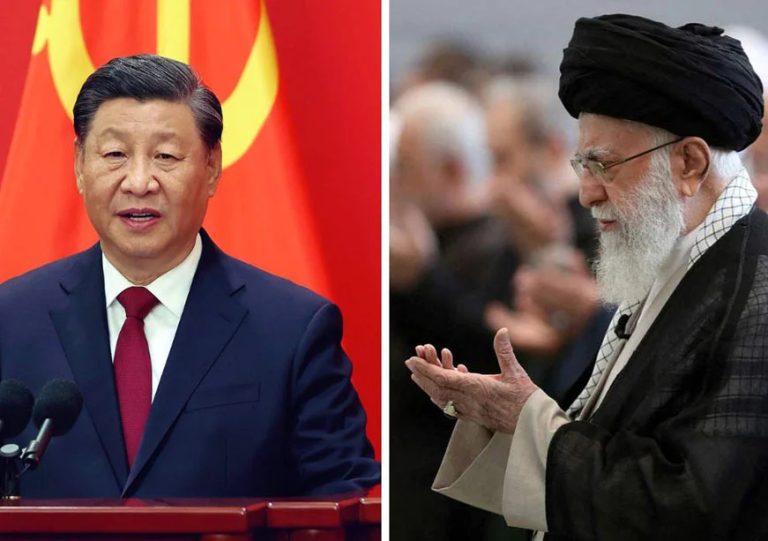
A side-by-side portrait of Xi Jinping on the left in front of a red and gold flag, and Ali Khamenei on the right with his hands raised in prayer, separated by a thin white vertical line.

Beijing’s Calculus in the US-Iran Standoff

Beijing views the US‑Iran standoff as both a threat to its energy security and an opportunity to portray Washington as unstable. China sees Trump’s shifting deadlines, dual‑carrier deployments, and stalled diplomacy as politically driven escalation. With Iran reliant on Chinese oil purchases, Beijing expects prolonged tension that drains US focus without triggering a regional war that disrupts Chinese trade.

Read More »
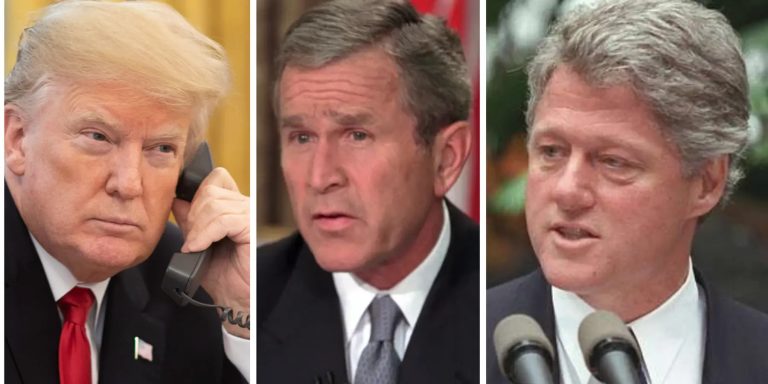
A triptych image featuring three U.S. Presidents: Donald Trump on the left holding a telephone, George W. Bush in the center speaking, and Bill Clinton on the right speaking behind microphones.

America’s Iran Buildup: A 30-Year Pattern of Strategic Failure

The U.S. has deployed its largest force near Iran since 2003, but Washington lacks a clear objective. Trump’s shifting demands, stalled diplomacy, and massive military buildup create momentum toward conflict. After decades of failed interventions, Iran’s hardened defenses and great‑power involvement raise the risk of escalation. The core question remains unanswered: what happens after the strikes?

Read More »
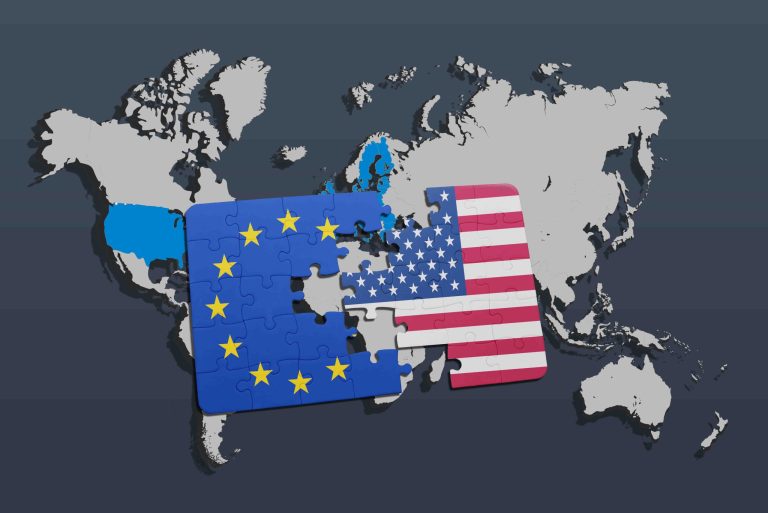
A conceptual digital illustration of a gray world map background with two large puzzle pieces in the center; the left puzzle piece displays the blue flag and yellow stars of the European Union, and the right piece displays the stars and stripes of the United States flag.

US and EU in the Middle East: Allies With Different Playbooks

Washington and Brussels still share the same core goals in the Middle East: prevent nuclear proliferation, avoid regional war, stabilize energy flows, and suppress jihadist networks. But they now pursue those goals with different playbooks, shaped by diverging political cultures, institutional habits, and strategic priorities.

Read More »