Tag: Disinformation

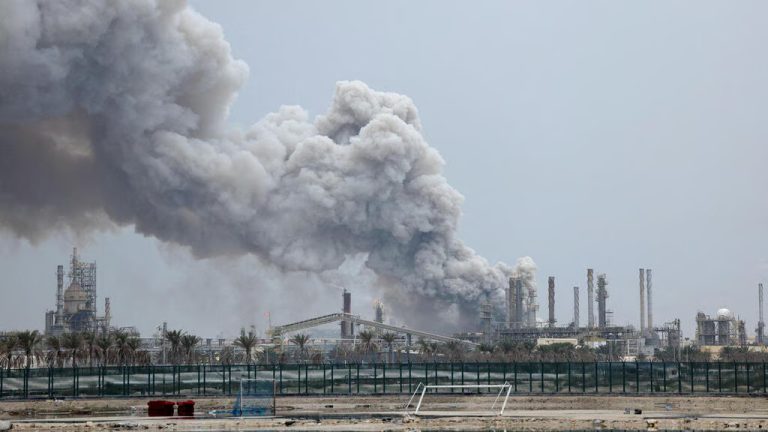
Thick smoke billowing from an industrial oil refinery facility after an attack or explosion.

Calling Iran “Animals” Didn’t Win the War, It Helped Lose It

The recent conflict highlights how dehumanizing rhetoric and strategic contempt toward Iran resulted in significant military and intelligence failures. By dismissing the adversary’s scientific capacity and strategic depth, policymakers built a strategy on fiction, ultimately leading to a costly stalemate that failed to achieve its primary geopolitical objectives.

Read More »
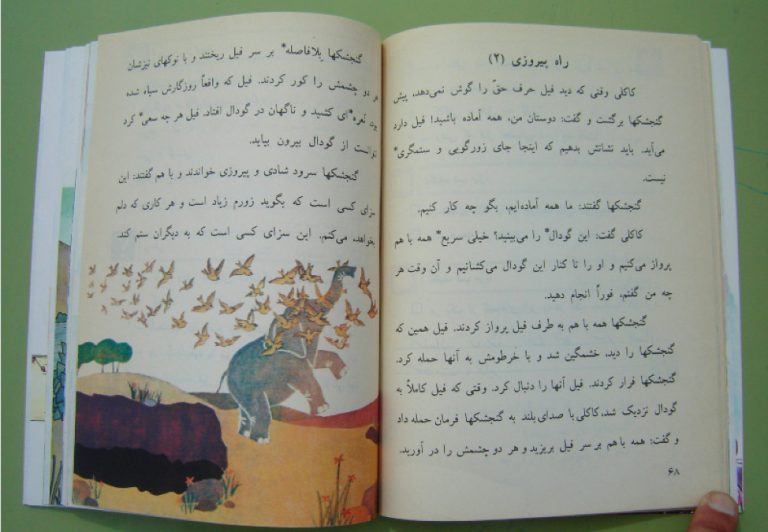
An open Persian children's storybook featuring an illustration of a group of birds attacking an elephant.

What Iran Teaches Its Children and Why Washington Never Listened

Understanding Iran’s wartime behavior requires looking at its classrooms, not just its missile silos. For decades, Iran’s national curriculum has fused Islamic values with ancient Persian resilience, teaching generations that collective resistance against a “superior elephant” is the only moral response. Washington’s failure to grasp this cultural foundation explains why 40 days of strikes have consolidated national identity instead of fracturing it, as the “sparrow vs. crocodile” mindset remains the heart of Tehran’s asymmetric doctrine.

Read More »
A man in a blue suit and striped tie pointing his finger forward while standing at a podium with "The Pentagon" logo.

Hegseth’s ‘Kill Talk’ Rewrites How America Speaks About War

In early 2026, the transition from the “Department of Defense” back to the “Department of War” has signaled more than just a name change; it represents a fundamental pivot in how the United States communicates the use of lethal force. Secretary of War Pete Hegseth has replaced the clinical, bureaucratic language of the past with a “Kill Talk” rhetoric that prioritizes dominance over diplomacy.

Read More »
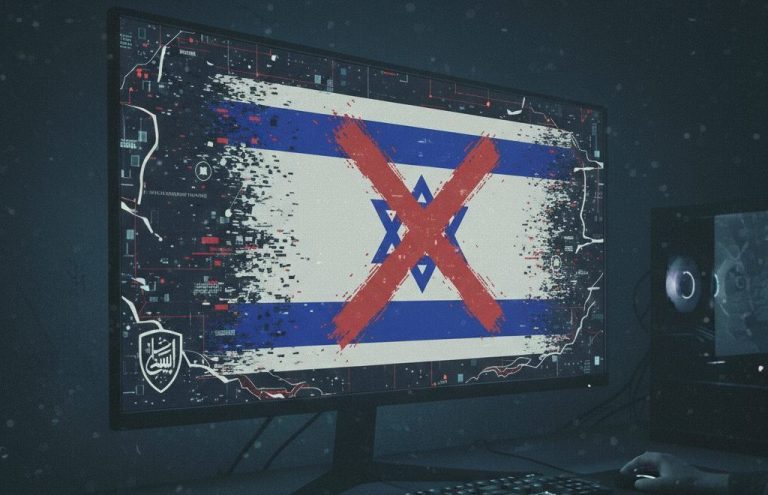
Digital screen showing an Israeli flag with a red "X" through it and ISNAD branding for cyber warfare.

ISNAD’s Shift From Wartime Propaganda to Long-Term Social Warfare

The ISNAD network has shifted from wartime agitation to long‑term influence operations, using fake Hebrew accounts to erode Israeli social cohesion. Its new “sociological warfare” strategy promotes polarization, distrust, and emigration. With tighter organization and ideological volunteers, ISNAD offers a replicable model of civilian‑style interference that democracies are still struggling to counter.

Read More »